Tag: Interior Painting

  • Which Paint Finish Should You Use in Each Room?

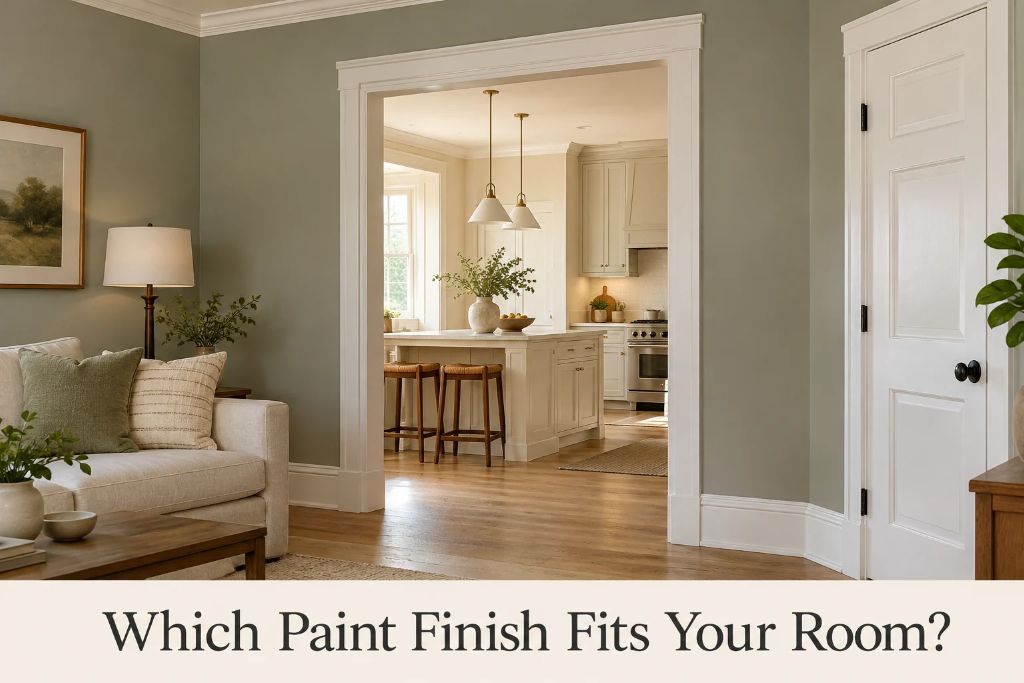
    Which Paint Finish Should You Use in Each Room?

    Quick Answer / Summary

    The best paint finish for each room depends on foot traffic, moisture, cleaning needs, and the look you want to achieve. Flat and matte finishes suit quieter spaces and ceilings, while eggshell works well for living rooms and bedrooms. Satin is practical for kitchens, bathrooms, and hallways, while semi-gloss is commonly used for doors and trim. Choosing the right finish means balancing appearance, durability, and everyday maintenance.

    Key Takeaways

    • Flat and matte minimize reflections and help conceal minor surface imperfections.
    • Eggshell offers a subtle sheen that works well in living rooms, bedrooms, and dining areas.
    • Satin is a practical option for kitchens, bathrooms, and frequently used spaces.
    • Semi-gloss provides a more reflective finish commonly used on doors, trim, and baseboards.
    • Paint formulation matters: Washability, stain resistance, and moisture tolerance depend on the specific product, not sheen alone.

    The color might be the first thing you notice about a freshly painted room, but the finish plays an equally important role in how that space looks and performs.

    A soft matte finish can give a bedroom a relaxed, understated appearance. That same finish, however, might not be the most practical choice for a busy kitchen. Meanwhile, a glossy finish that looks beautiful on trim could make minor imperfections more noticeable across an entire wall.

    For homeowners in Powell, Dublin, and throughout the Columbus area, choosing the right paint finish means considering how each room functions, how much cleaning it requires, and how natural light affects its appearance.

    At Color World Columbus, we approach interior painting with those details in mind. From selecting suitable materials to preparing surfaces properly, every decision contributes to the finished result.

    Here’s what to know about different paint sheens and how to choose the right one for each room.

    What Are the Different Types of Interior Paint Finishes?

    Paint finish, also called sheen, describes how much light a painted surface reflects. The amount of reflection affects the surface’s appearance and can influence how noticeable minor imperfections become.

    Common interior paint finishes include:

    • Flat: Minimal reflection, making it useful for ceilings and surfaces with minor imperfections.
    • Matte: A soft, low-sheen appearance, with washability depending on the paint formulation.
    • Eggshell: A subtle sheen that balances a refined appearance with everyday practicality.
    • Satin: A moderate sheen often selected for busy spaces that need regular cleaning.
    • Semi-gloss: A more reflective finish commonly used for trim, doors, and other frequently handled surfaces.
    • High-gloss: A highly reflective option generally reserved for decorative details, cabinetry, or specialty applications.

    Finish names and sheen levels can vary between manufacturers. That’s why we recommend evaluating the specific paint product rather than relying on the finish label alone.

    Which Paint Finish Is Best for Each Room?

    The right finish should complement the room’s appearance while accommodating how the space is used.

    What Paint Finish Is Best for Living Rooms?

    Eggshell is a versatile choice for most living rooms. Its gentle sheen creates a polished appearance without producing strong reflections.

    Matte is another attractive option, particularly in rooms with abundant natural light where minor wall imperfections may become more noticeable.

    For living rooms in Powell or Worthington, a quality washable matte or eggshell can offer a comfortable balance of appearance and practicality.

    Should You Use Matte or Eggshell Paint in Bedrooms?

    Matte and eggshell both work well in bedrooms. Matte provides a soft, understated appearance, while eggshell offers a little more sheen and is often easier to maintain.

    Children’s bedrooms may benefit from washable eggshell or satin paint, particularly when walls are exposed to fingerprints, scuffs, and frequent cleaning.

    What Is the Best Paint Finish for Kitchens?

    Satin is a popular choice for kitchen walls, although a high-quality washable eggshell or semi-gloss may also be appropriate.

    Kitchens experience cooking residue, splashes, and regular cleaning. Selecting a coating designed for these conditions is more important than choosing sheen alone.

    For kitchen cabinets, specialized cabinet paint or enamel is generally preferable to ordinary wall paint.

    What Paint Finish Should You Use in Bathrooms?

    Satin or a bathroom-rated washable eggshell is often a practical choice.

    Bathrooms experience humidity and condensation, making moisture resistance especially important. Certain matte products are also suitable when specifically formulated for bathroom use.

    However, paint cannot compensate for persistent moisture problems. Proper ventilation, surface preparation, and an appropriate coating all contribute to lasting results.

    Which Paint Finish Works Best for Hallways and Entryways?

    Eggshell and satin are both suitable for hallways and entryways. These spaces experience frequent contact from hands, bags, and everyday movement. Satin is worth considering when regular cleaning is a priority.

    In busy Dublin or Lewis Center households, choosing a washable coating can make maintaining these high-traffic areas more manageable.

    What Paint Finish Should You Use on Ceilings?

    Flat ceiling paint is generally the preferred choice. Its low reflectivity helps minimize the appearance of minor surface imperfections, particularly across large ceilings.

    A flat finish also reduces distracting reflections from overhead lighting.

    Which Finish Is Best for Doors, Baseboards, and Trim?

    Satin or semi-gloss is commonly used for interior doors, baseboards, and trim.

    These surfaces experience frequent handling and cleaning, so selecting a suitable, durable coating is important.

    Semi-gloss provides a more noticeable contrast against matte or eggshell walls, while satin creates a softer, more understated effect.

    How Do Eggshell, Satin, and Semi-Gloss Compare?

    These three finishes are among the most common choices for interior painting, but each serves a slightly different purpose.

    Eggshell, Satin, and Semi-Gloss Paint Finish Comparison
    Feature Eggshell Satin Semi-Gloss
    Appearance Subtle, gentle sheen. Moderate sheen. More reflective, noticeable sheen.
    Common Uses Living rooms, bedrooms, and dining areas. Kitchens, bathrooms, hallways, and children’s rooms. Doors, baseboards, trim, and suitable cabinet coatings.
    Cleaning Considerations Washable formulations can work well for everyday living spaces. Often selected for spaces that require frequent cleaning. Commonly selected for frequently handled surfaces; use a coating suited to the application.
    Surface Imperfections Lower reflectivity can make minor flaws less noticeable than glossier finishes. May reveal more texture and imperfections than lower-sheen finishes. Stronger reflections can emphasize surface flaws.
    Overall Effect Soft, refined appearance for walls. A balance of visible sheen and everyday practicality. More pronounced contrast and definition for architectural details.

    Eggshell is a versatile option for everyday living spaces. Satin is often selected where frequent cleaning is expected, while semi-gloss is especially useful for architectural details and frequently handled surfaces.

    Still, higher sheen doesn’t automatically guarantee better performance. A premium washable matte paint may offer greater stain resistance than a lower-quality satin product.

    The paint’s formulation, intended application, and manufacturer specifications should guide your decision.

    What Should You Consider Before Choosing a Paint Finish?

    A few practical details can help you narrow down the options before painting begins.

    • Daily activity: Busy family rooms, hallways, and children’s spaces generally benefit from washable coatings.
    • Moisture exposure: Bathrooms, kitchens, and laundry rooms require products suitable for humid conditions.
    • Wall condition: Lower-sheen finishes help conceal minor imperfections, while glossier finishes make texture and surface flaws more noticeable.
    • Lighting: Strong daylight and directional lighting can emphasize reflections and differences in sheen.

    Testing paint samples under your home’s actual lighting is also helpful. The same finish may look different in a sunny Upper Arlington living room and a softly lit bedroom.

    Equally important is the condition of the surface beneath the paint.

    At Color World Columbus, our interior painting services include careful preparation, such as patching, correcting surface flaws, caulking trim, and priming where appropriate. We then apply the selected coating for consistent coverage and complete a final walkthrough.

    The right finish deserves the right preparation.

    Frequently Asked Questions About Interior Paint Finishes

    Is Eggshell or Satin Better for Interior Walls?

    Eggshell is often preferred for living rooms, bedrooms, and dining areas where a softer appearance is desired. Satin may be more practical for kitchens, hallways, and children’s rooms that require frequent cleaning.

    However, modern washable eggshell formulations can perform well in busy households. The best choice depends on the room’s needs and the specific paint product’s durability, stain resistance, and cleaning instructions.

    Can You Use Matte Paint in a Bathroom?

    Yes, provided the paint is specifically formulated and approved for bathroom conditions. Some modern washable matte coatings offer suitable moisture resistance, making them an option for homeowners who prefer a low-sheen appearance.

    Traditional flat paints may be less suitable for humid spaces, especially where condensation is common. Proper ventilation, moisture control, and surface preparation remain essential regardless of the finish selected.

    Does Higher-Gloss Paint Make a Room Look Brighter?

    Higher-gloss finishes reflect more light, but they don’t necessarily make a room appear brighter overall.

    Wall color, window placement, artificial lighting, and surface texture also influence how light moves through a space. Glossy finishes can create noticeable reflections, particularly on large walls.

    If brightness is your goal, consider the paint color and lighting alongside the finish. Testing samples in the room provides a more reliable picture of the final appearance.

    Should Walls and Trim Have the Same Paint Finish?

    Not necessarily. Many homeowners prefer matte or eggshell walls paired with satin or semi-gloss trim.

    This creates subtle visual contrast while allowing frequently handled surfaces to be cleaned more easily. Using the same color in different sheens can also highlight architectural details without introducing another shade.

    Matching finishes is possible, too, provided the selected coating is suitable for each surface. The decision ultimately depends on the appearance and maintenance needs you prefer.

    Is Semi-Gloss the Best Finish for Kitchen Cabinets?

    Semi-gloss is a common choice for kitchen cabinets, but the coating itself matters more than sheen alone.

    Cabinets require products formulated for adhesion, repeated handling, and cleaning. Specialized cabinet enamels are often available in satin and semi-gloss finishes, giving homeowners different appearance options.

    Thorough cleaning, sanding, appropriate priming, and adequate curing are also important. A suitable finish applied over poorly prepared surfaces may still experience premature wear.

    How Can the Right Paint Finish Improve Your Home?

    The right paint finish supports both the appearance and everyday function of a room. It can soften reflections, make frequently used surfaces easier to maintain, and give architectural details greater definition.

    From a bedroom in Worthington to a busy kitchen in Powell, choosing an appropriate finish is one of the details that makes a thoughtfully planned interior painting project worthwhile.

    Ready to Refresh Your Interior?

    At Color World Columbus, we combine experienced workmanship, quality materials, and careful preparation to help homeowners achieve the look they want.

    Planning to update one room or refresh your entire home? Contact our team to discuss your project, explore the right colors and finishes, and schedule a free interior painting estimate.
  • Can You Guess These Paint Colors by Their Names? Take the Quiz!

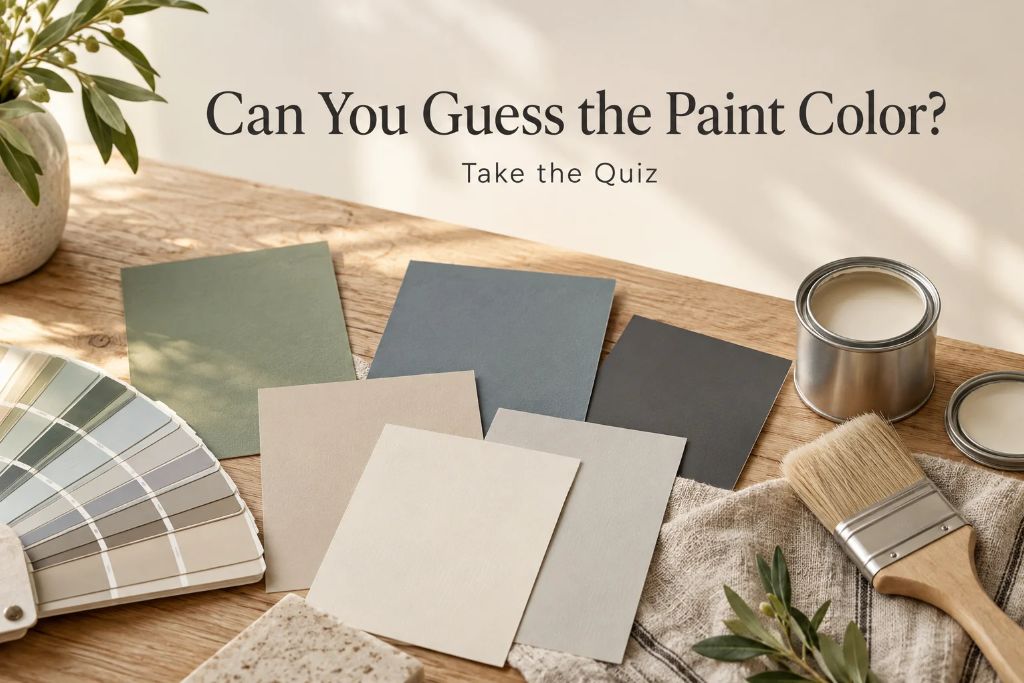
    Can You Guess These Paint Colors by Their Names? Take the Quiz!

    Paint companies have a wonderful talent for naming colors. A perfectly respectable gray becomes Peppercorn. A soft blue gets called Stardew. Suddenly, choosing paint feels suspiciously like ordering from a very fancy restaurant.

    But here’s the question: Could you identify a paint color from its name alone?

    We’re putting your color instincts to the test with five real shades from Sherwin-Williams and Benjamin Moore. No swatches, no cheating, just your imagination and three possible answers.

    Somewhere between a Powell kitchen refresh and a Dublin living room makeover, there’s a paint name waiting to fool you.

    Round 1: Peppercorn

    Sherwin-Williams clearly had something savory in mind. But what does Peppercorn actually look like?

    1. A warm brown with reddish undertones
    2. A deep, balanced charcoal gray
    3. A creamy beige with golden warmth

    Round 2: Sea Salt

    Sounds like something you’d find at the beach. Or sprinkled over an expensive chocolate bar. Which shade is Sea Salt?

    1. A cool, muted green with blue undertones
    2. A crisp, bright white
    3. A sandy beige with peach undertones

    Round 3: Stardew

    This one sounds like it belongs in a fairy tale. Or possibly a video game.

    1. A shimmering golden yellow
    2. A pale lavender with pink undertones
    3. A muted slate blue

    Round 4: October Mist

    An excellent name for a chilly morning near Highbanks Metro Park. Benjamin Moore’s October Mist is actually:

    1. A smoky blue-gray
    2. A softly shaded sage green
    3. A pale silver-white

    Round 5: Urban Putty

    Possibly the least glamorous name in the entire paint aisle. Still, Urban Putty might surprise you.

    1. A warm beige with green-gray undertones
    2. A dark industrial charcoal
    3. A dusty terracotta

    The Answers: How Did You Do?

    No peeking until you’ve made all five guesses!

    1. B — Peppercorn: Deep, balanced charcoal gray.
    2. A — Sea Salt: Muted green with blue undertones.
    3. C — Stardew: Muted slate blue.
    4. B — October Mist: Gently shaded sage green.
    5. A — Urban Putty: Warm beige with green-gray undertones.

    Five out of five? We’d trust you with the paint fan deck. Three or four? Nicely done. Anything lower? No shame. Apparently, naming a paint color and describing it are two very different jobs.

    Great Paint Colors Need More Than Great Names

    A clever name can catch your attention, but undertones, lighting, and surrounding finishes determine how a color looks at home.

    That dreamy blue might look different in a sun-filled Upper Arlington living room than in a north-facing Worthington bedroom.

    Before committing, test your favorite shade in the actual room. Check it throughout the day, too. Morning sunlight and evening lamps can make the same paint look surprisingly different.

    At Color World Columbus, we help homeowners turn color inspiration into beautifully painted spaces. From Powell kitchens to Dublin living rooms, our team brings practical guidance and professional craftsmanship to every project.

    Explore our interior painting services, and let’s find a color worth remembering.

  • Is Fall a Good Time to Paint Your Home?

    Is Fall a Good Time to Paint Your Home?

    Thinking about painting your home in Powell, Columbus, or nearby Delaware County this fall? Yes, fall can be an excellent time to paint, especially when temperatures, humidity, and weather conditions cooperate. The key is proper preparation and choosing the right window for the project.

    Why does fall work well for painting?

    Paint needs the right conditions to apply, dry, and cure properly. Extreme heat, cold, moisture, and humidity can all create problems.

    Early and mid-fall often bring more moderate temperatures than summer. That can make exterior painting more manageable and help paint avoid drying too quickly.

    Cooler conditions can also make outdoor work more comfortable for the crew.

    Fall can also be a smart time to refresh interior spaces. Indoor projects are less dependent on outdoor weather, and comfortable fall temperatures can make it easier to ventilate rooms during the work.

    The calendar alone, however, does not determine the right day to paint.

    What should you check before painting in the fall?

    Preparation matters in every season. Before exterior paint goes on, inspect the surface for:

    • Peeling or cracked paint
    • Damaged or deteriorated areas
    • Gaps around windows and doors
    • Worn caulking
    • Dirt, chalking, or other surface buildup

    A clean, sound surface gives new paint a better foundation.

    Weather matters, too. Rain or excessive moisture can interfere with exterior painting. Very cold temperatures can also affect curing. Check the forecast beyond the hours when painters will be working: overnight temperature drops and evening dew can affect paint before it has cured. Make sure the surface is dry, and follow the paint manufacturer’s requirements for application temperature and conditions. Sherwin-Williams’ exterior painting guidance explains why fall conditions require that extra attention.

    Is fall better than spring or summer?

    Not automatically. Every season has advantages.

    Spring and summer offer longer daylight and warmer temperatures, but heat, humidity, storms, and busy contractor schedules can complicate projects. Fall can provide a more comfortable window before winter arrives.

    Interior painting gives you even more flexibility. Consider the room’s temperature, ventilation, and how soon you need to use the space when planning an indoor project.

    How can Color World Columbus help with fall painting?

    At Color World Columbus, we bring more than 25 years of experience to residential and commercial painting. Our trained, licensed, and insured professionals use quality products and detailed processes for projects throughout Powell, Columbus, and surrounding communities.

    We look at the project, the surfaces, the season, and the conditions before getting started. For an exterior project in the fall, that includes checking whether the surface is dry and whether the expected conditions fit the paint being used. That helps us plan the work properly instead of forcing a project into an unsuitable window.

    So, is fall a good time to paint? It can be. With smart preparation and the right conditions, fall may be exactly the window your home needs.

  • How to Choose Paint Colors for an Open-Concept Home

    How to Choose Paint Colors for an Open-Concept Home

    Open-concept home and a sudden urge for color? Excellent. The trick is choosing colors that play nicely across the entire space, not just one wall. With a little strategy, your kitchen, dining area, and living room can feel distinct without looking like three different houses.

    Why does color matter so much in an open-concept home?

    Open layouts give your eye a long runway. That means colors stay visible from multiple angles and need to work together.

    A single palette can create flow. Related shades can define different zones. Architectural features such as corners, arches, built-ins, and beams can also give you natural places to change color.

    So, ready to find your color personality?

    Which open-concept color personality sounds like you?

    A. “Keep It Calm.”

    You like clean, comfortable, easygoing spaces.

    Try a warm white, soft beige, greige, or another gentle neutral as your main color. These shades create a flexible backdrop for furniture, artwork, and texture.

    This can work beautifully in a Powell home where natural light shifts throughout the day. Just remember: the same neutral can look different in morning sunlight than it does under evening lamps.

    B. “Give Me Some Color!”

    You want personality. You also want the rooms to make sense together.

    Start with one dominant color, then choose supporting shades from the same family or with similar intensity. Think soft blue with deeper blue accents, or a warm neutral paired with muted terracotta.

    You can use the supporting color on an island, built-in, dining area, or another natural focal point.

    C. “Go Big or Go Home.”

    You are ready for drama.

    Color drenching can make a serious statement by carrying one color across walls and architectural details. It can work in open spaces, too, but visual breaks become important. Built-ins, beams, openings, and changes in architecture can help keep the look intentional.

    And yes, you should sample first. Always.

    How do you know which colors actually work together?

    Start with the things you already love. Flooring, countertops, cabinetry, furniture, and natural light should influence your palette.

    Then test larger samples on different walls. Open-concept rooms can show several colors at once, so check them from the kitchen, living area, and dining space.

    For a Lewis Center home or a space near Downtown Columbus, that same strategy can help you see how your palette behaves in real daylight—not just on a tiny paint chip.

    How can Color World Columbus help with your color decisions?

    At Color World Columbus, we know choosing a color can feel like the hardest part of painting. Our personalized color consultations consider your space, vision, lighting, existing finishes, and style. We can also provide real samples so you can see your choices in natural light.

    So go ahead. Have fun with the color deck.

    Just make sure your colors know how to get along.

  • Should You Paint Your Home Before Selling?

    Should You Paint Your Home Before Selling?

    Selling your home comes with a long to-do list. Clean the rooms, clear the clutter, handle those little repairs. And then there’s the question of paint. If your walls look worn, dated, heavily marked, or highly personalized, painting before you list can help your home make a stronger first impression. But a full repaint is not always necessary.

    Why Should You Consider Painting Before Selling?

    Fresh paint can make a home look cleaner, brighter, and better maintained. That matters when buyers first see your property online or walk through the door.

    Painting may be worth considering if you have:

    • Scuffed, chipped, peeling, or faded walls
    • Strong or highly personal colors
    • Rooms that feel dark or dated
    • An exterior with worn trim, siding, or doors
    • Visible signs of years of everyday wear

    That last point matters in busy homes around Powell, from established neighborhoods near Downtown Powell to properties closer to Sawmill Parkway.

    So, Should You Paint Before Selling Your Home?

    In many cases, yes. But focus on the areas that need it most.

    You do not necessarily need to repaint every room. If your existing color is neutral and the finish still looks fresh, targeted touch-ups may make more sense.

    Color choice deserves some thought, too. Zillow’s 2025 research found that buyers did not simply favor white. Dark olive green kitchens, navy bedrooms, and dark gray living rooms performed strongly in its buyer study.

    That does not mean you should chase a trend. The best choice depends on your home’s architecture, condition, lighting, and local buyer expectations.

    Consider painting if:

    • Walls should obvious wear
    • Colors feel very personal
    • Exterior looks faded
    • Listing photos show imperfections

    You may be able to skip it if:

    • Paint still looks fresh
    • Colors are broadly appealing
    • Exterior is in good condition
    • Rooms already photograph well

    How Can Color World Columbus Help?

    A professional assessment can help you decide where painting will have the greatest impact. Color World Columbus provides interior and exterior painting, color consultation, drywall repair, carpentry, power washing, and other services. Our experienced, fully insured and licensed team uses quality products and detailed processes.

    For homeowners preparing a property in Powell, Columbus, or nearby communities, that means you can discuss the project before committing to a bigger update.

    Ready to Put Your Home’s Best Color Forward?

    Selling does not mean repainting everything from floor to ceiling. Start with what buyers will notice first, address the areas showing wear, and choose finishes that help the home feel cared for.

    If you’re getting a Powell home ready for its next chapter, Color World Columbus can help you determine what your property needs… and what it doesn’t.

  • The Biggest Interior Painting Mistakes Homeowners Make

    The Biggest Interior Painting Mistakes Homeowners Make

    You look around your home one day and realize it could use a change.

    Maybe the walls are starting to feel dated. Maybe a room no longer reflects your style. Or perhaps you’re simply ready for a fresh look. Interior painting is often the first project homeowners take on because it can completely transform the feel of a space without the cost or disruption of a major renovation.

    That excitement can make it tempting to jump straight into painting. However, a little planning before opening the first can of paint can make all the difference. Many of the most common painting mistakes are easy to avoid once you know what to look for.

    Homeowners throughout Powell and nearby communities like Dublin, Worthington, Lewis Center, and Liberty Township often choose interior painting to refresh living spaces, brighten older rooms, or prepare a home for a new chapter. Knowing what to avoid helps every project deliver results you’ll enjoy for years.

    Skip the Prep Work? You’ll See It Later

    Preparation isn’t the most exciting part of painting, but it’s the foundation of a beautiful finish.

    Dust, grease, small dents, nail holes, and peeling paint can all show through fresh paint if they’re ignored. High-traffic areas in many Powell homes, especially kitchens, hallways, and family rooms, naturally collect more wear over time, making proper prep even more important.

    Cleaning the walls, repairing imperfections, and sanding rough or glossy areas helps paint adhere properly and creates a smooth, professional-looking finish.

    Picking a Color Without Testing It

    Paint chips are helpful, but they never tell the whole story.

    The same color can look completely different depending on the amount of natural light, surrounding décor, and the direction a room faces. A family room with large windows overlooking Liberty Park will reflect light differently than a cozy interior space with limited sunlight.

    Testing a few sample colors on your walls before committing can save both time and money.

    Focusing on Color but Forgetting the Finish

    Choosing the perfect shade is exciting, but the finish deserves just as much attention.

    Flat paint works well in lower-traffic rooms, while eggshell and satin finishes are often better choices for busy family spaces because they’re easier to clean. Kitchens, bathrooms, trim, and doors also benefit from finishes designed to handle moisture and everyday use.

    Selecting the right sheen helps your freshly painted walls stay beautiful longer.

    Rushing Between Coats

    It’s easy to think one more coat will finish the job faster.

    In reality, applying paint before the previous coat has fully dried can lead to streaks, uneven coverage, peeling, and visible roller marks. Giving each coat the recommended drying time allows the finish to cure properly and creates a more consistent result.

    Patience often produces the best-looking walls.

    Trying to Save Money on Paint and Supplies

    Quality materials make a noticeable difference.

    Better brushes and rollers create smoother coverage, while quality paint often provides better durability and more consistent color. Investing in the right products at the beginning usually means fewer touch-ups later.

    Bringing Your Vision to Life

    Every home tells a different story, and every painting project has its own goals.

    At Color World Columbus, we help homeowners throughout Powell, Dublin, Worthington, Lewis Center, and surrounding Central Ohio communities choose colors, finishes, and painting solutions that fit both their homes and their lifestyles. Our experienced team focuses on careful preparation, quality craftsmanship, and lasting results from start to finish.

    Every successful painting project starts long before the first brush touches the wall. The right preparation, quality materials, and experienced craftsmanship all come together to create a finish you’ll enjoy for years. When you’re ready to refresh your home, Color World Columbus is here to help bring your vision to life with results you can feel confident about.