Tag: dog

  • Petland Wants Your Pets to be Safe from Fleas and Ticks This Year

    Petland Wants Your Pets to be Safe from Fleas and Ticks This Year

    Springtime means that flowers and trees come back to full bloom and everywhere is cheery once again. With spring also comes bugs and pests that you would need to protect your dog from. You can easily get products that prevent your pet from becoming infested with fleas and ticks. Petland.com provides the best resources in terms of education and products to help you come out triumphant.

    Why is it important to prevent fleas and ticks? Here’s why:

    The Tick Problem 

    Ticks are tiny creatures that feed on animal blood. Unlike fleas, they aren’t insects, they are arachnids comparable to tiny spiders. They thrive in warmer climates, particularly spring and summer. Ticks can be found in grass and often jump on to your pet’s skin from there. 

    A tick bite can cause irritation at the bite site or become progressively infected. If the tick keeps up with feeding, your pet could end up with anemia or blood loss. Ticks also spread diseases, prominent of which is Lyme disease, typically transmitted by deer ticks. 

    Lyme disease may cause inflammation in your pup’s joint, making walking difficult. 

    The Flea Problem 

    Fleas are tiny insects that primarily derive nutrition from their host’s blood. Amongst the over 2,000 flea species, only the cat flea presents a huge problem for pet owners. Although known as the cat flea, they bite dogs, and humans as well. 

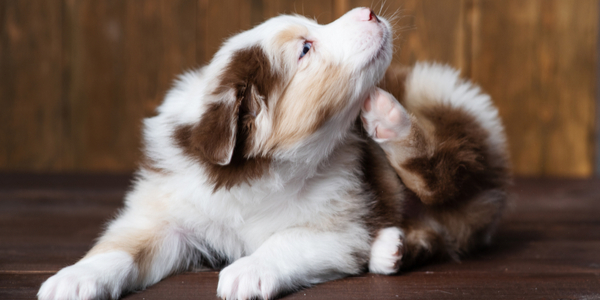
    They are able to jump up to 6 inches in the air to lodge their bodies in a host. They typically drain blood and may consume up to 15 times their own body weight in a day. Their actions cause constant discomfort in the form of itching. This may result in your pet losing hair as a result of constant scratching leaving red and inflamed skin. 

    Anemia is a major side effect of flea infestation and your pup would experience low iron levels. 

    Conclusion

    It’s no use planning a cure when you can get ahead of the situation and work on preventing it altogether. Get right on with preventing your pet from getting infested. 

  • What Info Should My Dog Have On Its ID Tag?

    What Info Should My Dog Have On Its ID Tag?

    Tags are a legal requirement on dogs when they are in public places. Dog tags typically feature the following basic information: 

    • The name of the owner
    • Owner’s complete home address 
    • Home phone number and alternative phone number(s)
    • Email address 
    • Medical needs such as deafness, blindness, or any such disability 
    • Other information that you consider relevant such as allergies or extra information to find you 

    Ideally, you should get a dog tag as soon as your dog gets comfortable wearing a leash.  

    Types of Dog Tags

    There are various types of dog tags, but these are the major ones mostly used by dog owners:

    Slide-On Dog Tag

    The main perk of this collar is the fact that they don’t hang or jangle and therefore don’t get caught in anything. Esther, these tags come with slits along which the collar slides, keeping the tags flat against the collar. They only work for certain collars and information can only be written on one side. 

    Rivet-On Dog Tag

    These tags are riveted to the collar and are more sturdy. Like slide-on tags, only the front can be engraved. 

    Hanging ID Tag 

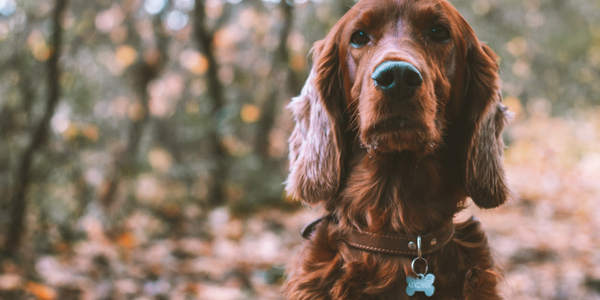
    This is the most common choice for an ID tag mainly because it allows for inscription on both sides. They also work for any collar type. They may however be quite noisy or get caught in branches. 

    Benefits of Having an ID Tag

    Here are some of the benefits of having an ID tag:

    Cheap 

    ID tags are relatively cheap to procure compared to other forms of identification. 

    Easy to Customize 

    Customizing an ID tag is a lot easier especially since it comes in various shapes, forms, sizes, and is made out of various materials. 

    Easy to Read

    ID tags can be easily read if your dog goes missing. Since they allow for sufficient space to fill in the necessary information, you can be certain that your pet would be safely returned once they have been found.

    Non-invasive 

    Unlike microchips and trackers, this hangs outside the body making it a non-invasive way of keeping your pet tracked. 

    Conclusion 

    Having a dog tag is a great way to keep your dog safe and ensure that if they wander off, they can safely return home. 

  • How Often Do You Have Doggy Playdates?

    How Often Do You Have Doggy Playdates?

    Doggy play dates are a necessary and beneficial activity, particularly for your dog. This is because this gives a big boost to the socialization process. Provided you would be coming outdoors with your pup, then getting the socialization aspect done as soon as possible is vital.  

    Benefits of Dog Socialization 

    Some of the benefits of having a socialized dog include being able to go on walks without worrying that they would snap and chase after someone, fewer visits to the animal hospital, more freedom when you have guests around, and being able to get a dog sitter if necessary. 

    Here are some others:

    Easy Adaptation to Situations

    Dogs who haven’t been socialized get scared very easily when meeting new people or going to new places. This may cause them to act out and lose control. Socializing your dog helps to ease this anxiety. You could take your dog to a nature trail, dog park, dog-friendly cafe, or other dog-friendly places. 

    Develops Confidence 

    To develop good habits in your pup, getting them socialized is the first step. Each new situation builds their confidence and gets them used to the outside world. Over some time, they would have eventually adapted to various sounds.  

    Promotes General Health  

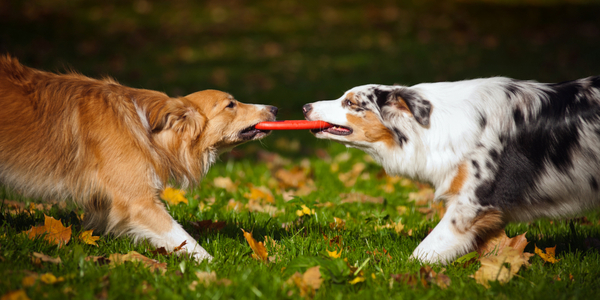
    Dogs who are social and playful with other dogs lead happier and more satisfying lives. A tired dog is a happy dog, and there’s no way they would tire out if they aren’t playing with other dogs. This way, they are less anxious about encounters and have fun instead too.

    Conclusion 

    Since most socializing happens outdoors, this is a good avenue to meet up with friends and loved ones at dog-friendly locations. Here, you end up achieving two goals with a single action. 

  • Does Your Dog Have an Instagram?

    Does Your Dog Have an Instagram?

    Social media has done a great deal by way of connecting the whole world via various platforms. Over the years, huge stars have emerged for various reasons ranging from creative to downright hilarious. 

    However, this social media stardom phenomenon isn’t located to humans alone. Dogs and pups all over the world have become viral sensations and amassed large followings for their antics or simply because of how lovely they look.  If you’re still at odds as to why your dog should have an Instagram, here are some reasons:  

    It’s the Latest Trend 

    Yes, trends come and go, but this one has definitely come to stay. Recording adventures together, cute actions and reactions, their hilarious quirks, and sharing with the rest of the world can be quite exciting, to say the least. 

    Money Making Avenue

    Who says dogs cannot pay their own bills? In recent times, we now have dogs who are strong influencers and alongside their pet parents, rake in loads of cash.  There are even awards for dogs now! This might be an opportunity for Daisy to become an internet sensation and be loved by fans all over the world. 

    Memory Bank

    Posting on Instagram is a great way to save memories that you can always go back to relive whenever you want.  An upside is that Instagram posts usually have a date and time stamp so you can see that and be transported into the very moment.   Additionally, you can access the account at any time too, even years to come.

    Conclusion 

    In a world where dogs become superstar celebrities and viral sensations, an Instagram account for your pet is definitely a good start. And who knows, Daisy might just get a chance at stardom. 

  • How Often Should I Groom My Dog?

    How Often Should I Groom My Dog?

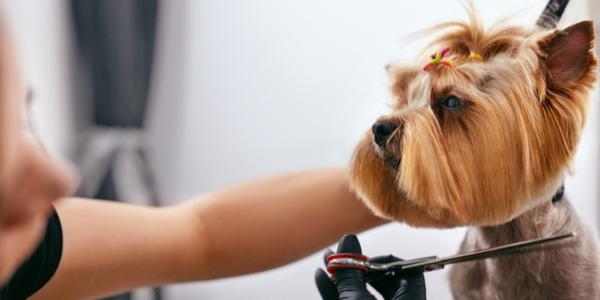
    Various aspects of grooming are typically done at different times.  For instance, brushing is recommended at least 1 to 3 times a week, baths every 1 to 2 months, and trimming of the areas around the paws, ears, face, and sensitive areas around every 4 to 6 weeks. 

    Visiting a professional groomer should be done at least once a month, and the session would typically consist of your pet being brushed, bathed, sanitized, as well as nails trimmed or clipped. 

    Wire-haired dogs may grow a softer and different colored coat if they are shaved down, so this should be avoided. Similarly, it is ideal to place long-haired dogs on a grooming schedule. 

    For breeds with wavy or curly hair, routine coat maintenance is important so that they don’t get up getting shaved bald. Routine grooming also helps breeds who blow their coat. 

    Benefits of Grooming 

    Brushing down your pet’s coat helps to allow air in, providing ventilation and facilitating healthy and strong hair growth as well as removing old or damaged hair. 

    Grooming also reduces the amount of grease in the coat. Excess grease can cause pore blockage leading to irritation and a range of other skin problems. 

    Similarly, regular grooming helps you rapidly identify underlying conditions or diseases early enough. This allows for quick treatment and staying the spread of such ailment. 

    Trimming nails also helps to promote good posture and prevents bone deformation. 

    Usually, grooming may be breed-specific while some others are general like a puppy cut. Discussing which is ideal for your dog with your veterinarian is essential. 

    Conclusion 

    Proper dog grooming makes for a clean, happy, and healthy dog. Definitely the dream of any pet parent!

  • Are Dental Treats and Toys a Good Idea?

    Are Dental Treats and Toys a Good Idea?

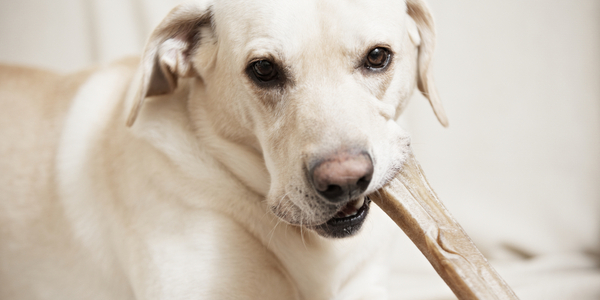
    Dental treats play a 2-in-1 role. In addition to the base purpose of keeping teeth clean and healthy, they keep your pup entertained as well. Dental toys also contribute to cleaning your dog’s teeth, and the upside is that they would willingly play with these toys. This makes dental treats and toys a good idea and opting to purchase some would be a great call by a pet parent.

    What Kinds of Dental Treats and Toys are Available?

    There are a range of dog dental treats and toys that may be great for your pet’s dental health. However, here are the most effective ones which can be gotten from Petland or petland.com: 

    Dog Chew Toys

    These toys are inedible and super effective. Some pretty good ones are Plaque Attackers®, Kong® toys, and Gumabones®. They are an especially good choice for dogs that chew and swallow treats rapidly. 

    Dental Chews, Bones, and Biscuits

    Some great choices include OraVet® Dental Hygiene Chews, Del Monte Tartar Check® Dog Biscuits, and Greenies®. These are all approved by the Veterinary Oral Health Council (VOHC). 

    Dog Dental Diets 

    Certain formulations of food are effective at reducing buildup of plaque and tartar. 

    This is accomplished in various ways such as larger kibble or texture that end up doing some scrubbing while your pup is chewing. 

    Some others feature special coating that effectively reduces plaque, prevents bacteria growth. Before opting for any, ensure to consult a veterinarian. 

    Why are Dental Treats and Toys Important?

    Dental treats and toys are an easy, yet effective way to improve canine dental health. They help prevent plaque and bacteria buildup which can cause dental diseases. 

    Generally, edible treats should be limited because they typically contain lots of calories. They should be further reduced for smaller dogs. 

    Conclusion 

    Constant cleaning in various ways is key to ensuring prime health for your canine buddy. If you’re at odds at any point, ensure to contact your veterinarian. 

  • What To Get Your Dog for Valentine’s Day

    What To Get Your Dog for Valentine’s Day

    The season of love is just round the corner, and while of course, every day is a season of love, Valentine’s Day is just way too perfect to not get in the extra lovey mood. So, what can you get your fur baby Valentine’s? Here are some pretty good ideas to explore: 

    Treats 

    Treats treats! This is the one language that pets understand and salivate for. Valentine’s Day is a pretty good time to give Wolf extra treats and watch him gobble them up. Some treats that dogs love include peanut butter, cookies, and for natural healthy treats, apples, and carrots. 

    Toys 

    Dogs can never have enough toys. While they may have a favorite, a wide range of toy types provide for variety which spices up their doggo lives. You can consider getting a tennis ball or a new chew toy.  

    Clothes 

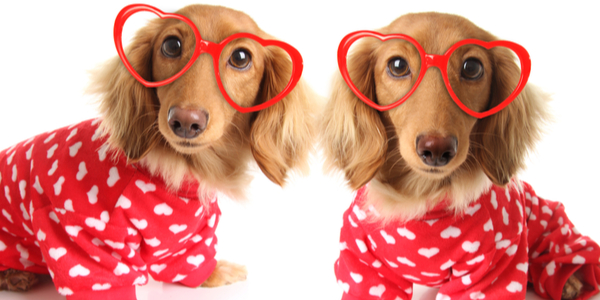
    Who says you can’t make a fashionista out of Wolf. Clothes, funky hats, a beanie, shoes, and you can go right to playing dress-up. It’s even more fun when you match with him. No

    Homemade Meals 

    A homemade meal is a perfect idea for Valentine’s too. Consider cooked white or sweet potatoes, cooked lean meat, such as chicken, beef, or turkey, cooked eggs such as scrambled eggs, as well as cooked or raw fresh vegetables including carrots, broccoli, and corn. 

    Outdoor Fun Activities 

    Walking a new trail with brand new smells, going down to the park for some playtime with other dogs, or even taking a mini road trip. These are all excellent ideas for outdoor fun activities. 

    Conclusion 

    Valentine’s Day is incomplete if your fur baby doesn’t get some extra serving of that love that you give. This article has covered some ways that you can do just that. 

  • Keeping Your Dog Warm With Clothes This Winter

    Keeping Your Dog Warm With Clothes This Winter

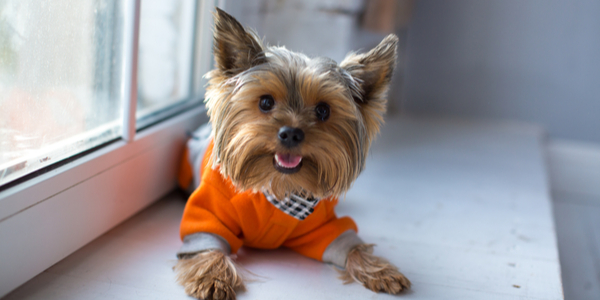
    Keeping your dog warm both indoors and outdoors is an essential one, particularly if they’ve got short fur.

    Beyond the stylish and smart appearance that a clothed dog has, the functionality – helping to maintain body heat is the major aspect here.  We would be covering the various clothing items that you would be needing both for indoors and outdoors: 

    Blankets 

    These are especially necessary when indoors. Just like you’ve got your blankies and duvet, your fur baby needs the same thick, insulating material to stay warm. Ensure that you get one that is slightly bigger so that they can have every inch of their bodies covered. 

    Scarves 

    These are more suitable for the outdoors and come in especially handy to protect the head from cold. They can also be pretty stylish and thick ones make for awesome warmth providers. 

    Jackets 

    You know how everybody looks great in a jacket. Well, this is no different for pups as they look absolutely gorgeous in them too. Away from fashion, jackets are super comfy and amazing insulating materials and they are easy to wear too. Mostly suitable for the outdoors. 

    Sweaters 

    A thick wool sweater does wonders for providing your pet with warmth. You could opt to go for a hoodie too, covering the head nicely while keeping the torso warm as well.  

    Rain Gear 

    Getting caught in the rain or having to take a walk on a somewhat rainy day can be quite a hassle if your dog constantly gets wet. For a beautiful experience even on such a dreary day, rain gear serves to keep your pet dry and happy. 

    Conclusion 

    Keeping your pet warm constantly is vital, particularly during winter. You can also keep an eye out for stylish gear and make your pet into a warm fashionista!

  • Pups are Smiling for Dog Dental Month!

    Pups are Smiling for Dog Dental Month!

    February is Canine Dental Month, one that sets out to emphasize just how essential dental health is for your pup. 

    Your pet is wont to use their mouth a whole lot; eating, playing with toys, licking their favorite human in the world, and a whole range of other activities. Seeing how busy this mouth gets, it is, therefore, no surprise that a great deal of attention has to be paid to dental health. This article covers the importance of canine dental health: 

    Curbing Bad Breath 

    Just like in humans, regular eating without proper mouth cleaning leads to a buildup of rotten leftover food which eventually begins to stink. Proper dental health eliminates these particles and has Daisy’s mouth smelling minty fresh. 

    Avoiding Oral Pain 

    Dental disease can cause your dog plenty of discomforts. Nipping this in the bud is a no-brainer and the key to this is providing adequate dental care to your pet. Ideally, an annual visit to the veterinarian to get their teeth professionally cleaned is recommended

    Inhibiting Dental Disease 

    Most dogs already have dental disease by the time they are 3 years old. This might be an occurrence that is quite difficult to prevent, however, proper dental care can prevent the disease from worsening. The following at-home care is recommended:

    • Regular teeth brushing with toothpaste 
    • Provision of chew toys to gnaw on 
    • Provision of dental chews 
    • Regular spritzing of dog dental spray 

    All of these products can be gotten from Petland stores or petland.com. 

    Preventing Organ Damage 

    Bacteria present in plaque upon entering the bloodstream can spread to the kidneys, liver, and heart. This condition which is referred to as bacteremia can result in organ damage and cause debilitating diseases. Adequate oral health helps rid Daisy of plaque buildup and therefore ensures general health. 

    Conclusion 

    One way to ensure the general healthiness of your dog is to maintain good oral hygiene. This singular action offers immense benefits both short-term and long-term.