Tag: dog training

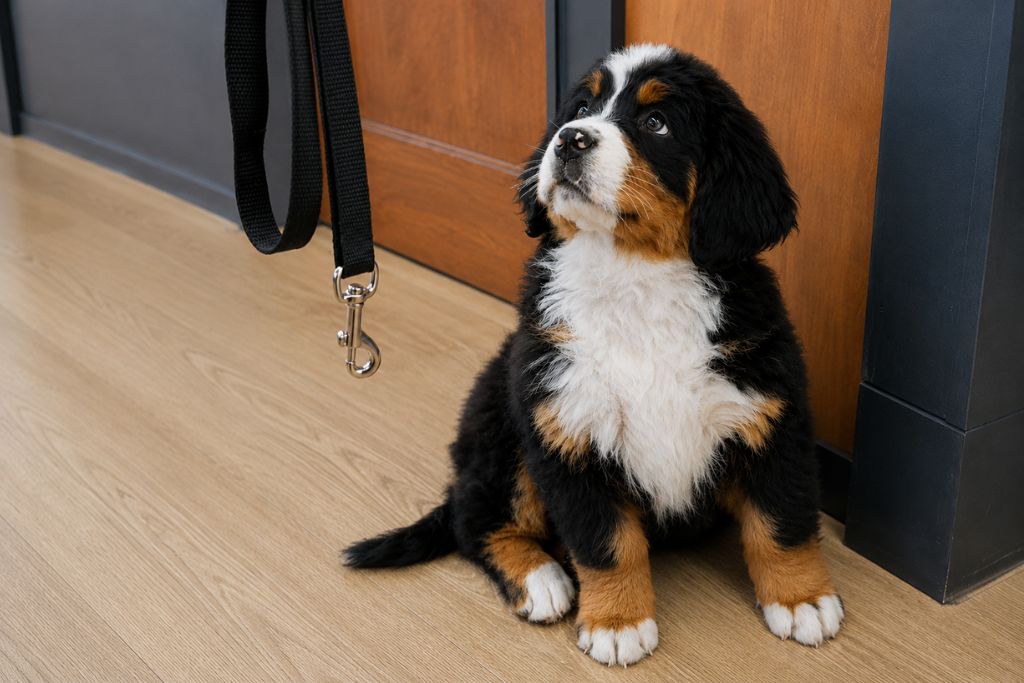
  • Puppy Leash Training: How to Stop Pulling and Freezing

    Puppy Leash Training: How to Stop Pulling and Freezing

    The first few weeks with a puppy are full of milestones. The first night at home. The first successful potty break. The first time they learn their name.

    Then comes one that many new puppy owners look forward to most: the first walk.

    You picture strolling through the neighborhood together. Instead, your puppy plants all four paws on the ground and refuses to move. Or they pull ahead like they’re training for a marathon.

    If that sounds familiar, don’t worry. Both reactions are completely normal.

    For puppies, the outside world is full of new sights, sounds, smells, and experiences. Learning how to walk on a leash takes time, patience, and practice. Whether you’re exploring your neighborhood in Indianapolis, Schererville, or a nearby community, those first walks are a big learning experience for your puppy. 

    Why Puppies Pull or Freeze on Walks

    Imagine seeing a busy sidewalk, passing cars, rustling leaves, and unfamiliar people for the very first time. That’s what many puppies experience during their early walks.

    Some puppies respond by pulling forward to investigate everything around them. Others become overwhelmed and freeze in place.

    Neither reaction means your puppy is stubborn or difficult. More often, they’re simply processing a lot of new information at once.

    For puppies living near bustling areas like Broad Ripple, Downtown Indianapolis, or Schererville’s busy commercial corridors along US-41, there can be even more sights and sounds to take in.

    If Your Puppy Pulls Ahead

    Pulling is common because puppies naturally want to move toward something interesting.

    When your puppy starts pulling, avoid pulling back on the leash. Instead, stop walking. Once the leash becomes loose again, continue forward. This teaches your puppy that pulling doesn’t get them where they want to go. A loose leash does.

    Consistency is important. The lesson becomes much clearer when the same rule applies every time.

    Many families find it helpful to practice in quieter areas first, whether that’s a neighborhood sidewalk in Fishers, Carmel, St. John, or Schererville.

    If Your Puppy Refuses to Move

    Freezing can be just as common, especially during the first few walks.

    If your puppy stops, give them a moment to look around and process their surroundings. Encourage them with a happy voice and reward even a few steps forward. Avoid dragging or forcing your puppy to move. Building confidence is more effective than creating pressure.

    Many puppies become more comfortable after a few short outings.

    Start Small and Keep Walks Short

    One of the biggest mistakes new owners make is expecting too much too soon. Early leash walks don’t need to be long. A few minutes around the yard, driveway, or quiet sidewalk can be enough.

    For families in Indianapolis, that might mean practicing close to home before exploring busier areas near Broad Ripple, Fountain Square, or downtown. In Schererville, a quiet neighborhood stroll is often a better starting point than a crowded weekend outing near Lincoln Highway or popular shopping areas.

    Small successes build confidence.

    Make Every Walk a Learning Opportunity

    Bring treats. Reward attention. Celebrate calm behavior.

    Most importantly, remember that leash training is a skill. Your puppy isn’t expected to master it overnight.

    With repetition, many puppies begin to understand what is expected and become more comfortable walking beside you.

    Helping Families Start Strong

    At Happiness Is Pets, we love seeing families reach these exciting milestones. Finding the right puppy is only the beginning. Learning, growing, and building confidence together is where the real fun begins.

    Whether you’re welcoming a puppy in Indianapolis, Schererville, Fishers, Crown Point, or a nearby community, our team is here to answer questions and provide guidance as your puppy learns the ropes.

    One Step at a Time

    The first leash walk may not look exactly how you imagined it. That’s okay.

    Every puppy starts somewhere. With patience, positive reinforcement, and realistic expectations, those early stops, starts, and zigzags eventually become enjoyable walks you’ll both look forward to.

    If you’re up for another read, these posts are popular with puppy parents:
  • The First 3 Puppy Commands to Teach Early

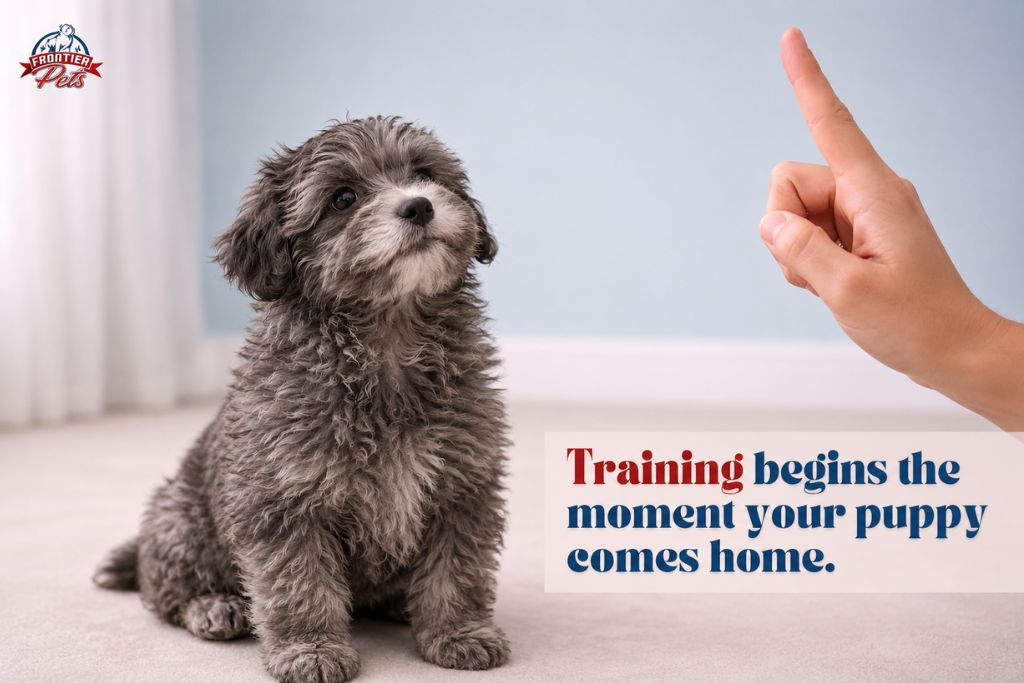
    The First 3 Puppy Commands to Teach Early

    A puppy has a way of changing the rhythm of a home. One minute, you’re admiring how quickly they’ve settled in. The next, they’re investigating a shoe, carrying off a sock, or turning a quiet afternoon into an unexpected game of chase.

    That’s all part of puppyhood. It’s also why early training matters.

    New puppy owners across Cheyenne often discover that a little training early on can make everyday life much smoother. Training isn’t about creating a perfectly behaved puppy overnight. It’s about building communication. The sooner your puppy understands a few basic cues, the easier it becomes to navigate everyday life together.

    Start With Positive, Reward-Based Training

    Puppies learn best when training feels rewarding. Short sessions, plenty of praise, and a favorite treat can go a long way. In fact, most young puppies respond better to encouragement than correction.

    Keep sessions brief and consistent. A few minutes at a time is often enough for a young puppy. Short training sessions fit naturally into busy days spent at home, on neighborhood walks, or exploring more of Cheyenne with your puppy.

    Command #1: Sit

    “Sit” is often the first command trainers recommend because it’s simple, practical, and easy to build upon.

    To teach it, hold a treat just above your puppy’s nose and slowly move it backward. As their head follows the treat, their rear will naturally lower to the ground.

    The moment they sit, say “Sit,” then reward them.

    This command can help with greetings, mealtimes, and learning self-control in exciting situations.

    Command #2: Come

    A reliable recall is one of the most important skills a puppy can learn.

    Start in a quiet area with few distractions. Move a short distance away, say your puppy’s name followed by “Come,” and reward them as soon as they reach you.

    Keep the experience positive every time. The goal is to teach your puppy that coming when called is always worth it.

    As your puppy gains confidence, practicing in different environments helps strengthen the behavior. A fenced backyard may feel very different from an outing near Lions Park or a family adventure at Curt Gowdy State Park.

    Command #3: Leave It

    Puppies are naturally curious. That’s part of their charm. It’s also why “Leave It” can be so valuable.

    Place a treat in your closed hand and allow your puppy to investigate. The moment they stop pawing, licking, or nudging your hand, reward them with a different treat.

    Over time, add the cue “Leave It.”

    This command can help prevent your puppy from picking up inappropriate or potentially unsafe items.

    Why These Commands Matter

    These three cues create a strong foundation for future training.

    They help improve focus, encourage better decision-making, and establish clear communication between you and your puppy. Just as importantly, they can help make daily life calmer and more enjoyable.

    Supporting New Puppy Owners in Cheyenne

    From Lions Park and Frontier Mall to neighborhoods throughout Cheyenne and nearby South Greeley, early training helps build confidence for both ends of the leash.

    At Frontier Pets, we believe finding the right puppy is only the beginning. We proudly help families throughout Cheyenne and the surrounding area navigate every stage of puppyhood. We’re passionate about helping families understand puppy development, training, and the everyday moments that shape a well-adjusted companion.

    Keep It Simple and Stay Consistent

    You don’t need a long list of commands to get started.

    A solid “Sit,” “Come,” and “Leave It” can make a meaningful difference during those early months. Focus on consistency, keep training positive, and remember that learning happens one repetition at a time.

    Those small lessons often become the building blocks for a lifetime of good habits.

    If you’re not ready to stop scrolling, these articles are a great next adventure: