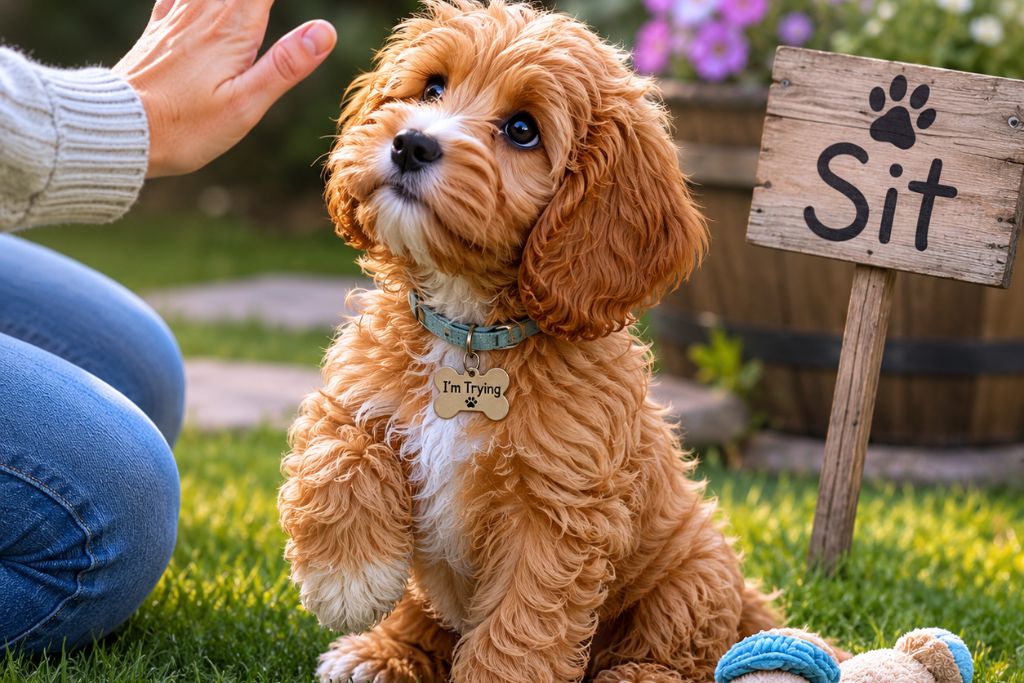
Tag: dog training tips

  • How to Start Training Your Puppy: A Beginner’s Guide

    How to Start Training Your Puppy: A Beginner’s Guide

    You brought home a puppy. Congratulations! And also, welcome to the wonderfully chaotic stage of life where socks disappear and every sound becomes exciting.

    The first few weeks with a new puppy are full of milestones. First walks. First zoomies. First successful potty break outside. And somewhere in between all of that? Training begins.

    Many new puppy owners assume formal training starts later. In reality, puppies begin learning from the moment they enter your home.

    That’s why starting early matters.

    The good news is that puppy training does not need to feel intimidating. With consistency, patience, and the right approach, training can actually become one of the best bonding experiences you share with your dog.

    Why Early Puppy Training Matters

    Young puppies absorb information quickly.

    The habits, routines, and behaviors they practice early often become the foundation for adulthood. Starting training during puppyhood helps build confidence, communication, and structure.

    Training also helps puppies feel safer because predictable routines reduce stress and confusion.

    And no, training is not only about commands. It is also about teaching your puppy how to successfully live alongside people, routines, and everyday life.

    Start With Simple Foundations First

    The best puppy training starts small.

    During the first few months, focus on:

    • Potty training
    • Name recognition
    • Crate training
    • Gentle leash introduction
    • Basic commands like “sit” and “come”
    • Positive socialization

    Short, simple training sessions work best for young puppies. Most puppies have limited attention spans, so keeping sessions fun and rewarding helps them learn faster.

    Positive Reinforcement Works Best

    Modern puppy training focuses heavily on positive reinforcement.

    That means rewarding good behavior with praise, treats, toys, or affection instead of punishing mistakes.

    For example, when your puppy sits calmly instead of jumping, reward that behavior immediately. Puppies learn through repetition and consistency.

    Harsh punishment often creates fear or confusion, especially during early development stages.

    Calm guidance builds trust much more effectively.

    Timing Is Everything During Training

    One of the biggest training mistakes new owners make is inconsistency.

    If jumping on guests is allowed sometimes but corrected other times, puppies struggle to understand expectations.

    Clear routines help puppies learn faster. That includes:

    • Consistent potty schedules
    • Regular feeding times
    • Predictable sleep routines
    • Repeated training cues

    Puppies thrive when life feels structured and understandable.

    Socialization Is Part of Training Too

    Training is not only about teaching “sit” or “stay.”

    Helping puppies safely experience new people, sounds, environments, and situations is equally important during early development.

    Positive socialization helps puppies grow into calmer, more confident adult dogs.

    Even short outings or supervised introductions can make a big difference over time.

    Progress Takes Patience

    Some puppies pick up commands quickly. Others need more repetition and guidance.

    That is completely normal.

    Training is not about perfection. It is about communication, consistency, and building trust over time.

    Even small daily progress matters.

    Helping Puppies Thrive From the Start

    We understand how important these early puppy stages are for families.

    Bringing home a puppy is exciting, but it also comes with responsibility and plenty of questions along the way. That is why education, support, and thoughtful care matter so much during puppyhood.

    Because confident, well-supported puppies grow into happier lifelong companions.

    The Puppy Stage Goes Faster Than You Think

    Right now, training may feel repetitive. There will be accidents. Distracted moments. Random zoomies in the middle of practice sessions.

    But every small lesson helps shape the relationship you are building together.

    And one day you will probably miss these tiny puppy training moments more than you expect.
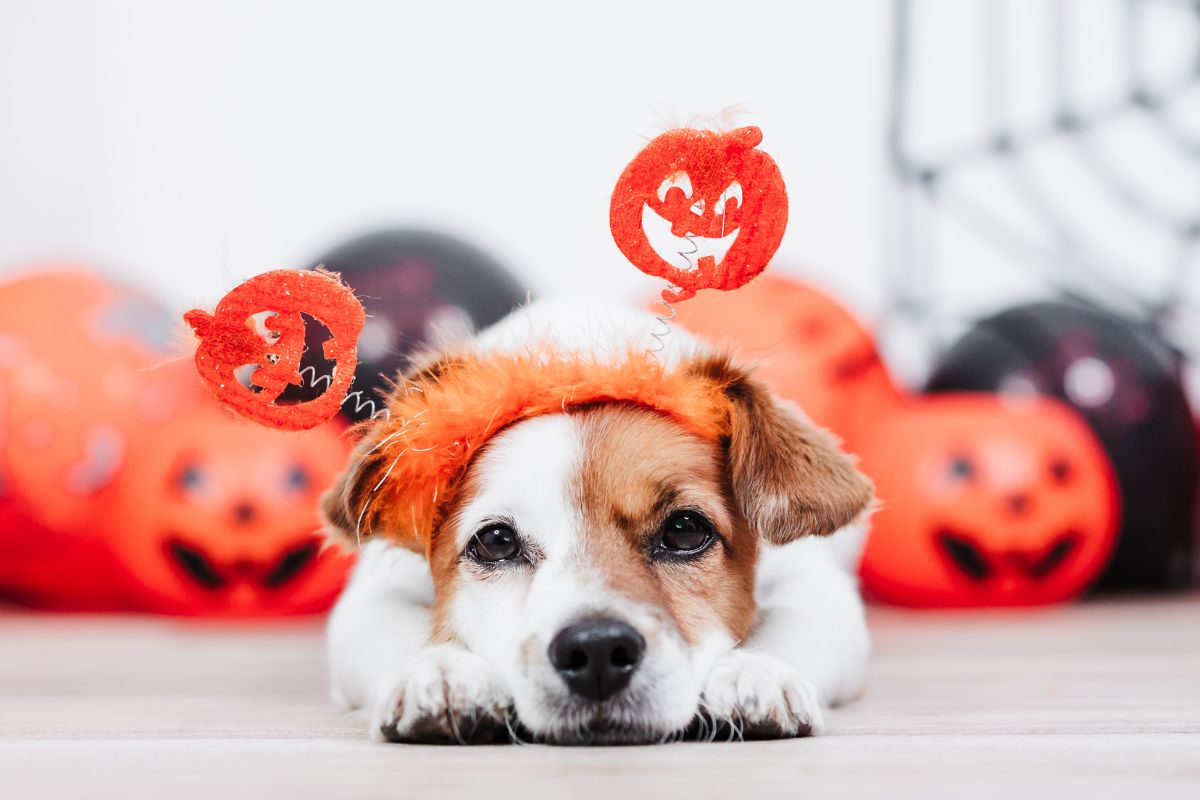
  • Spooky Season Training: 8 Common Puppy Fears Every Pet Parent Can Conquer

    Spooky Season Training: 8 Common Puppy Fears Every Pet Parent Can Conquer

    October is all about spooky vibes: dark corners, flickering lights, and things that go bump in the night. It’s a perfect metaphor for what many puppies experience daily: little fears that loom large in their minds. For your puppy, the world can feel like one big haunted house. The vacuum growls, strangers wear masks, thunder shakes the sky… it’s a lot!


    8 Common Puppy Fears Every Pet Parent Can Conquer


    These everyday “spooks” can send your pup into hiding. But just like ghost stories don’t last past bedtime, puppy fears don’t have to be permanent. With patience, compassion, and smart training moves, your little ghoul can grow into a confident companion who isn’t afraid of life’s everyday “monsters.”

    Signs Your Puppy’s Feeling Spooked

    Before we slay these spooky fears, here’s how to spot the early tremors. A fearful puppy might:

    • Cower, tremble, or tuck their tail
    • Freeze in place, try to hide, or back away
    • Lick lips, pant heavily, or avoid eye contact
    • Whine, bark nervously, or adopt a stiff posture
    • Growl or snap if cornered (defensive, not malicious)

    These aren’t bad behaviors; rather, they’re cries for help. Recognizing them early is the first step to helping your pup feel safe again.

    8 Common Puppy Fears (And How You Can Be Their Ghostbuster)

    1. The “Monster” Vacuum & Other Loud Appliances
      The vacuum is basically a roaring beast to a puppy. Instead of firing it up full-blast, start small: roll it around quietly, let your pup sniff it while it’s off. Next, turn it on in another room and give your pup a cozy safe spot to retreat to. You can even make it fun: toss a squeaky toy or play gentle music while it’s running so the noise blends into a normal background.
    2. Thunderstorms and Fireworks
      For noise-phobic pups, storms feel like the sky is growling. Try turning these moments into “quiet cuddle sessions” with calm music, gentle massage, or a vet-recommended anxiety wrap like a Thundershirt. Close curtains, create a cozy den, and keep your own demeanor chill; dogs read your emotions like a book.
    3. Shadows, Reflections, and Flickering Lights
      A wagging tail in the mirror? A shadow that moves “on its own”? Terrifying! Encourage curiosity instead of fear. Walk over with them, show the light source, and let them explore. Sometimes just turning on an extra lamp or playing shadow games with treats can teach them that not everything that moves is a threat.
    4. Strangers, Hats, Masks & Costumes
      Big coats, sunglasses, Halloween masks, they’re confusing! Start with friends your pup knows. Have them put on a hat or mask and sit calmly nearby, tossing a toy or chatting in a friendly voice. Gradually introduce different outfits during walks so your pup gets used to human “transformations.”
    5. The Dreaded Vet or Grooming Table
      Slippery surfaces, weird smells, people touching their paws… Yikes! Recreate the environment at home with short “pretend vet visits.” Touch their ears, check their paws, gently hold them still, then reward calm behavior. Play vet-friendly handling games so they associate touch with safety, not stress.
    6. Other Dogs and Animals
      For social anxiety, slow introductions are key. Walk parallel at a distance before meeting face-to-face. Use calm body language, let them sniff from afar, and praise relaxed posture. Group puppy classes are a great controlled way to build confidence too.
    7. New Floors or Surfaces
      Metal grates, tile, or shiny floors can feel like ice rinks to nervous paws. Try laying towels or mats for traction, then gradually shorten the “safe path.” You can even scatter kibble trails so exploration feels like a fun adventure, not a horror movie.
    8. Being Left Alone
      Separation anxiety isn’t just fear; it’s heartbreak for a puppy who hasn’t learned solitude. Start by leaving them for seconds at a time, returning calmly, no big fuss. Give them puzzle feeders or a shirt that smells like you. Calm departures and low-key reunions teach them that you always come back.

    Extra Tricks for Tackling Puppy Fears

    • Use counterconditioning: Pair scary stimuli with positive things (treats, play). Your pup learns “monster = good stuff.”
    • Break training into tiny steps: Don’t rush. Let your pup decide when they’re ready to inch closer.
    • Short, frequent sessions: Five minutes of gentle exposure is more effective than one 30-minute session.
    • Stay calm, neutral, confident: Your energy affects them. If you panic, they will too.
    • Avoid punishment or pressure: Forcing or scolding fear makes it worse. Always respect their limit.
    • Celebrate small wins: Even a glance toward the “monster” or a step forward is progress. Treat accordingly.
    • Consider professional help: If a fear becomes full-blown phobia (constant panic, unsafe behavior), a behaviorist or vet should guide deeper intervention.

    Every puppy has their “haunted house” moments. But behind each fear is a chance to build trust. When your pup learns that you’re their safety net, even the scariest vacuum or thunderclap becomes less monstrous. So this spooky season, don’t chase away their fears. Help them face them. With love, patience, and a sprinkle of play, your pup will soon realize the world isn’t so scary after all. It’s just full of adventures waiting to be sniffed out.