Tag: Dog Body Language

  • How Puppies Communicate With Humans

    How Puppies Communicate With Humans

    Your puppy may not speak your language, but they are communicating with you all the time. Their eyes, ears, body, tail, sounds, and actions all offer clues about what they are feeling or trying to tell you.

    That becomes especially important during those first weeks at home. A puppy settling into life in Chantilly may encounter unfamiliar voices, household sounds, and new places. Learning to read their signals helps you know when they are curious, comfortable, excited, or unsure.

    How do puppies communicate with their bodies?

    Body language is one of the main ways puppies communicate with people. Look at the whole puppy and consider what is happening around them. One behavior rarely tells the complete story. The American Kennel Club’s body-language guide explains why it helps to consider several signals together.

    Here are some common signals to watch:

    • A loose, relaxed body: Your puppy is likely comfortable and at ease.
    • A loose, sweeping tail wag: This can indicate friendly excitement. A wag alone does not always mean comfort.
    • A tucked or lowered tail: This can signal fear, uncertainty, or discomfort.
    • Ears back with a lowered body: Your puppy may feel worried or may be trying to appear less threatening.
    • A play bow: The front legs lower while the rear stays up. This commonly signals an invitation to play.
    • Lip licking or yawning: These behaviors can sometimes appear when a dog feels stressed. Always consider the surrounding situation.

    Imagine your puppy hears a sudden loud noise during a walk. If their body becomes tense or they try to move away, they may be telling you the situation feels overwhelming. Move farther from the noise and give them time to settle before continuing.

    Can puppies communicate with their eyes?

    Yes. Watch where your puppy looks and what they do next. A puppy who looks between you and a toy, for example, may be seeking your attention or help. Consider their body language and the situation before deciding what that look means.

    Puppies also begin understanding human communication early in life. Research has found that young puppies can follow human gestures, such as pointing. That describes how puppies respond to our signals, while their own gaze is one of the ways they may communicate with us. Research on young puppies and human cues

    What do puppy sounds mean?

    Barks, whines, and growls can communicate different emotional states and needs. Context matters just as much as the sound itself.

    A puppy might whine when frustrated or anxious. Barking can accompany excitement, concern, or frustration. A growl can signal discomfort and should not simply be punished.

    For example, your puppy might happily investigate the sounds around a local park one day, then hesitate when they encounter something unfamiliar. Give them room to process the experience. A calm response from you can help your puppy feel more secure.

    Do puppies communicate through their actions, too?

    They do. Everyday behaviors can also tell you plenty.

    Following you from room to room may show social interest. Bringing you a toy can invite interaction. Pawing, nudging, or sitting near you can become learned ways of getting your attention.

    Over time, you will start recognizing your puppy’s individual patterns. You may even notice that they have different ways of asking for play, food, attention, or space.

    How can XO PUPS help you understand your new puppy?

    Bringing home a puppy is only the beginning of your life together. XO PUPS helps families find a puppy that fits their lifestyle and offers resources to make the transition home easier.

    At XO PUPS in Chantilly, we know every puppy has an individual personality and way of communicating.

    The more closely you listen, the more your puppy has to say.

    Looking for more puppy tips and tail-wagging fun? Check out our other blogs below for expert advice, breed insights, and everything puppy!

  • How to Read Your Puppy’s Stress Signals

    How to Read Your Puppy’s Stress Signals

    Life with a puppy is full of happy firsts. You want those early days to feel safe, calm, and positive, too. Learning to recognize stress signals can help you understand when your puppy needs a little more space.

    Puppies cannot say, “That was too much.” They communicate through their bodies instead. Small changes in posture, eyes, ears, tail, and behavior can give you an important clue.

    What are the most common signs of stress in puppies?

    Look at your puppy’s whole body and the situation around them. One behavior alone does not always mean your puppy is stressed. The AKC’s guide to stress signals explains why these signs should be considered together and in context.

    1. Are they licking their lips or yawning repeatedly?

    Lip licking and repeated yawning can signal stress, especially during an unfamiliar experience. A sleepy puppy yawning after a nap is different. Context matters.

    What to do: Pause and give your puppy time to settle.

    2. Is their tail tucked or their body lowered?

    A tucked tail, crouched posture, or lowered body can signal fear or uncertainty.

    What to do: Increase the distance from whatever is worrying your puppy.
    That might mean keeping a first outing around Cleveland simple. A quiet walk near Danny Gabriel Veteran Memorial Park may feel very different from a busy gathering. Go at your puppy’s pace.

    3. Have their ears moved back or are you seeing “whale eye”?

    Ears pulled back can indicate nervousness. “Whale eye” happens when a puppy turns away while keeping their eyes fixed on something, exposing more of the whites.

    What to do: Do not force your puppy closer. Let them create some distance.

    4. Are they panting, pacing, or shaking?

    Panting after play is normal. Panting during quiet activity can have another cause. Pacing and trembling can also accompany stress.

    What to do: Think about what changed. A new person, loud sound, unfamiliar place, or crowded setting could be the trigger.

    A puppy experiencing the sounds around Rowan County roads may need more time to adjust than one relaxing at home.

    5. Have they suddenly frozen or started growling?

    Freezing can mean a puppy feels overwhelmed. Growling is also communication. It can warn that your puppy feels uncomfortable and needs space.

    What to do: Stop the interaction and give your puppy room. Do not punish the warning.

    How can you help a stressed puppy feel secure?

    Remove pressure, create distance, and give your puppy time to recover. Then try again later at a gentler pace.

    Short, manageable experiences are easier to process than one overwhelming introduction.

    How can Charlotte Dog Club support your puppy journey?

    Charlotte Dog Club focuses on thoughtfully raised puppies, responsible breeder relationships, puppy health, and helping families prepare for life together. We also provide puppy-care and training resources to help families beyond adoption.

    Understanding stress signals is one more way to become the person your puppy can trust.

    Sometimes the best response is simple: notice, pause, and listen.

    If you’re up for another good read, these articles are a great place to start:

  • How to Read Your Puppy’s Stress Signals

    How to Read Your Puppy’s Stress Signals

    Life with a puppy is full of happy firsts. You want those early days to feel safe, calm, and positive, too. Learning to recognize stress signals can help you understand when your puppy needs a little more space.

    Puppies cannot say, “That was too much.” They communicate through their bodies instead. Small changes in posture, eyes, ears, tail, and behavior can give you an important clue.

    What are the most common signs of stress in puppies?

    Look at your puppy’s whole body and the situation around them. One behavior alone does not always mean your puppy is stressed. The AKC’s guide to stress signals explains why these signs should be considered together and in context.

    1. Are they licking their lips or yawning repeatedly?

    Lip licking and repeated yawning can signal stress, especially during an unfamiliar experience. A sleepy puppy yawning after a nap is different. Context matters.

    What to do: Pause and give your puppy time to settle.

    2. Is their tail tucked or their body lowered?

    A tucked tail, crouched posture, or lowered body can signal fear or uncertainty.

    What to do: Increase the distance from whatever is worrying your puppy.
    That might mean keeping a first outing around Calhoun simple. A quiet walk near Harold “Ooky” Faith Memorial Park may feel very different from a busy gathering. Go at your puppy’s pace.

    3. Have their ears moved back or are you seeing “whale eye”?

    Ears pulled back can indicate nervousness. “Whale eye” happens when a puppy turns away while keeping their eyes fixed on something, exposing more of the whites.

    What to do: Do not force your puppy closer. Let them create some distance.

    4. Are they panting, pacing, or shaking?

    Panting after play is normal. Panting during quiet activity can have another cause. Pacing and trembling can also accompany stress.

    What to do: Think about what changed. A new person, loud sound, unfamiliar place, or crowded setting could be the trigger.

    A puppy experiencing the sounds around Red Bud Road may need more time to adjust than one relaxing at home.

    5. Have they suddenly frozen or started growling?

    Freezing can mean a puppy feels overwhelmed. Growling is also communication. It can warn that your puppy feels uncomfortable and needs space.

    What to do: Stop the interaction and give your puppy room. Do not punish the warning.

    How can you help a stressed puppy feel secure?

    Remove pressure, create distance, and give your puppy time to recover. Then try again later at a gentler pace.

    Short, manageable experiences are easier to process than one overwhelming introduction.

    How can Georgia Dog Club support your puppy journey?

    Georgia Dog Club focuses on thoughtfully raised puppies, responsible breeder relationships, puppy health, and helping families prepare for life together. We also provide puppy-care and training resources to help families beyond adoption.

    Understanding stress signals is one more way to become the person your puppy can trust.

    Sometimes the best response is simple: notice, pause, and listen.

    If you’re up for another good read, these articles are a great place to start:

  • How to Read Your Puppy’s Stress Signals

    How to Read Your Puppy’s Stress Signals

    Life with a puppy is full of happy firsts. You want those early days to feel safe, calm, and positive, too. Learning to recognize stress signals can help you understand when your puppy needs a little more space.

    Puppies cannot say, “That was too much.” They communicate through their bodies instead. Small changes in posture, eyes, ears, tail, and behavior can give you an important clue.

    What are the most common signs of stress in puppies?

    Look at your puppy’s whole body and the situation around them. One behavior alone does not always mean your puppy is stressed. The AKC’s guide to stress signals explains why these signs should be considered together and in context.

    1. Are they licking their lips or yawning repeatedly?

    Lip licking and repeated yawning can signal stress, especially during an unfamiliar experience. A sleepy puppy yawning after a nap is different. Context matters.

    What to do: Pause and give your puppy time to settle.

    2. Is their tail tucked or their body lowered?

    A tucked tail, crouched posture, or lowered body can signal fear or uncertainty.

    What to do: Increase the distance from whatever is worrying your puppy.
    That might mean keeping a first outing around Longs simple. A quiet walk near Popular Park may feel very different from a busy gathering. Go at your puppy’s pace.

    3. Have their ears moved back or are you seeing “whale eye”?

    Ears pulled back can indicate nervousness. “Whale eye” happens when a puppy turns away while keeping their eyes fixed on something, exposing more of the whites.

    What to do: Do not force your puppy closer. Let them create some distance.

    4. Are they panting, pacing, or shaking?

    Panting after play is normal. Panting during quiet activity can have another cause. Pacing and trembling can also accompany stress.

    What to do: Think about what changed. A new person, loud sound, unfamiliar place, or crowded setting could be the trigger.

    A puppy experiencing the sounds around the Longs area may need more time to adjust than one relaxing at home.

    5. Have they suddenly frozen or started growling?

    Freezing can mean a puppy feels overwhelmed. Growling is also communication. It can warn that your puppy feels uncomfortable and needs space.

    What to do: Stop the interaction and give your puppy room. Do not punish the warning.

    How can you help a stressed puppy feel secure?

    Remove pressure, create distance, and give your puppy time to recover. Then try again later at a gentler pace.

    Short, manageable experiences are easier to process than one overwhelming introduction.

    How can South Carolina Dog Club support your puppy journey?

    South Carolina Dog Club focuses on thoughtfully raised puppies, responsible breeder relationships, puppy health, and helping families prepare for life together. We also provide puppy-care and training resources to help families beyond adoption.

    Understanding stress signals is one more way to become the person your puppy can trust.

    Sometimes the best response is simple: notice, pause, and listen.

    If you’re up for another good read, these articles are a great place to start:

  • Are You Being Judged By Your Dog? A Behavioral Investigation

    Are You Being Judged By Your Dog? A Behavioral Investigation

    Picture this: You open the fridge for a late-night snack. Your dog watches from across the room. Silent. Still. Unblinking.

    You grab cheese. The stare intensifies.

    You return to the couch. Your dog sighs dramatically, tilts their head, and slowly turns away as if deeply disappointed in your life choices.

    At some point, every dog owner has wondered the same thing.

    Is My dog… Judging Me?

    Between the long stares, the side-eye, and the suspiciously dramatic sighs, it can definitely feel that way. But while our pups may look like tiny furry critics, what they’re actually doing is something far more interesting.

    Dogs are masters of observation. They constantly read our behavior, body language, and routines. That “judgy” look is usually their way of processing information, communicating, or simply trying to understand what their humans are doing.

    In other words, the jury is still out.

    The “Judgy” Behaviors Dogs Are Actually Showing

    Let’s investigate a few of the classic canine “judgment” moments and what they really mean.

    The Long, Intense Stare
    It can feel like your dog is silently questioning your decisions. But in reality, dogs often stare because they’re focused on you.

    Dogs study their humans closely. They watch for cues about food, walks, playtime, and attention. Sometimes they’re simply waiting for the next exciting thing to happen.

    Translation: they’re not judging you. They’re monitoring the situation.

    The Famous Head Tilt
    The head tilt is one of the most beloved dog expressions. It also happens to look suspiciously skeptical.

    In truth, dogs tilt their heads to hear better and focus on sounds. This movement may help them pinpoint where your voice or another noise is coming from. It also helps them read your facial expressions more clearly.

    So that adorable tilt? It’s curiosity, not criticism.

    The Legendary Side-Eye
    Ah yes. The side-eye.

    Few things feel more judgmental than a dog glancing at you from the corner of their eye while you eat pizza. However, side-eye is usually just body language. Dogs often look away slightly when they feel unsure, cautious, or curious about what’s happening around them.

    It’s not sass. It’s communication.

    The Dramatic Sigh
    Dogs sigh for many reasons. Often, it simply means they’re relaxed.

    Sometimes it signals mild boredom. Other times it means they’re settling in for rest.

    While it may sound like they’re exhausted by your life choices, it’s usually just your dog getting comfortable.

    The Quiet Observation Mode
    Dogs frequently sit nearby and watch their humans closely.

    This behavior helps them understand patterns and routines. Over time, dogs learn when meals happen, when the leash appears, and when playtime begins.
    So when your dog studies you like a detective, they’re simply gathering information.

    Dogs Are Expert People-Watchers
    Dogs have spent thousands of years living alongside humans. As a result, they’ve become incredibly skilled at reading our emotions, movements, and habits.

    Researchers have even found that dogs respond to human facial expressions and gestures in ways many animals cannot. That “judgy” expression? It’s often just intense curiosity mixed with loyalty and attention.

    Your dog isn’t criticizing your snack choices. They’re trying to understand your world.

    Learning to Read Your Dog

    Understanding your dog’s body language makes life together even better. When you know what their signals mean, you can respond in ways that strengthen trust and communication.

    Every stare, tail wag, and head tilt tells a story.

    The more you learn about those signals, the easier it becomes to understand what your dog is really saying. And once you start speaking their language, the bond grows even stronger.

    So… Are They Judging You?

    Probably not.

    But they are paying very close attention. After all, in your dog’s mind you’re the most interesting thing in the room.

    And if you happen to be holding a snack while they watch?
    Well… that investigation just became very serious.

  • The Love Languages of Dogs (Yes, They’re Real!)

    The Love Languages of Dogs (Yes, They’re Real!)

    Fact: your dog is absolutely saying “I love you”… just not with words

    If you’ve ever fallen down a relationship rabbit hole, you’ve probably heard of love languages. Words of affirmation. Quality time. Physical touch. Gifts. Acts of service. We humans love categorizing how we give and receive affection, and for good reason. Understanding love languages can totally transform relationships.

    But here’s the fun twist: dogs have love languages, too.

    They might not write heartfelt texts or buy surprise flowers, but our four-legged best friends have very specific (and very adorable) ways of expressing affection, and just as important, receiving it. Once you learn your dog’s love language, everything from training to bonding to everyday life gets even better.

    Yes, Dogs Have Love Languages, Just Their Own Version

    Dogs communicate through behavior, body language, and routine. That means their love languages don’t look exactly like ours, but they’re absolutely there. Tail wags, following you from room to room, bringing you their slobbery favorite toy? All signs of love, puppy-style.

    Experts agree that most dogs fall into five core love languages, inspired by the human version but adapted to how dogs naturally connect.

    The Five Love Languages of Dogs 

    1. Physical Touch

    For many dogs, touch is everything. Belly rubs, ear scratches, and gentle cuddles, these pups feel most loved through affectionate contact. If your dog leans into or presses against you, touch is likely their top love language.

    2. Quality Time

    Some dogs don’t care what you’re doing… as long as you’re doing it together. Walks, playtime, training sessions, or simply hanging out nearby all count. These dogs thrive on shared moments.

    3. Words of Praise

    Dogs may not understand every word, but they absolutely understand tone. Happy voices, praise, and verbal encouragement can light them up instantly. If your dog responds strongly to “good boy!” or “good girl!”, this one’s for them.

    4. Gifts (a.k.a. Toys & Treats)

    For dogs who love gifts, a new toy or tasty treat feels like a love letter. It’s not about spoiling. Rather, it’s about thoughtfulness and enrichment.

    5. Acts of Service

    Routine, care, and protection matter deeply to dogs. Feeding them, grooming them, keeping them safe, and meeting their needs consistently is a powerful expression of love, especially for dogs who thrive on structure.

    Why Knowing Your Dog’s Love Language Matters

    Understanding how your dog feels most loved strengthens trust, improves behavior, and deepens your bond. It also helps with training, socialization, and emotional wellbeing, especially for puppies who are learning how the world works.

    At Petland, we believe that raising happy, healthy puppies starts with connection. When you learn your dog’s love language, you’re not just being a great pet parent; you’re building a lifelong relationship based on understanding.

    Final Paw-sitive Thought

    Your dog is loving you every single day. Sometimes with a wag, sometimes with a cuddle, sometimes with a shoe they definitely weren’t supposed to grab. When you learn how they say “I love you,” you’ll never miss it again.

    And if you need help finding the perfect toys, treats, or puppy essentials to match your dog’s love language? Cosmick Media SEO Blogs’s got you covered.

    Hungry for more? The next chapter’s even better! Follow the paw prints below to keep reading.

    Puppy Gratitude: 10 Little Things Our Dogs Do That Deserve a Big Thank You
    What Makes Puppies Thrive? The Science of Puppy Happiness

  • What Puppy Zoomies Reveal About Their Summer Vibe

    What Puppy Zoomies Reveal About Their Summer Vibe

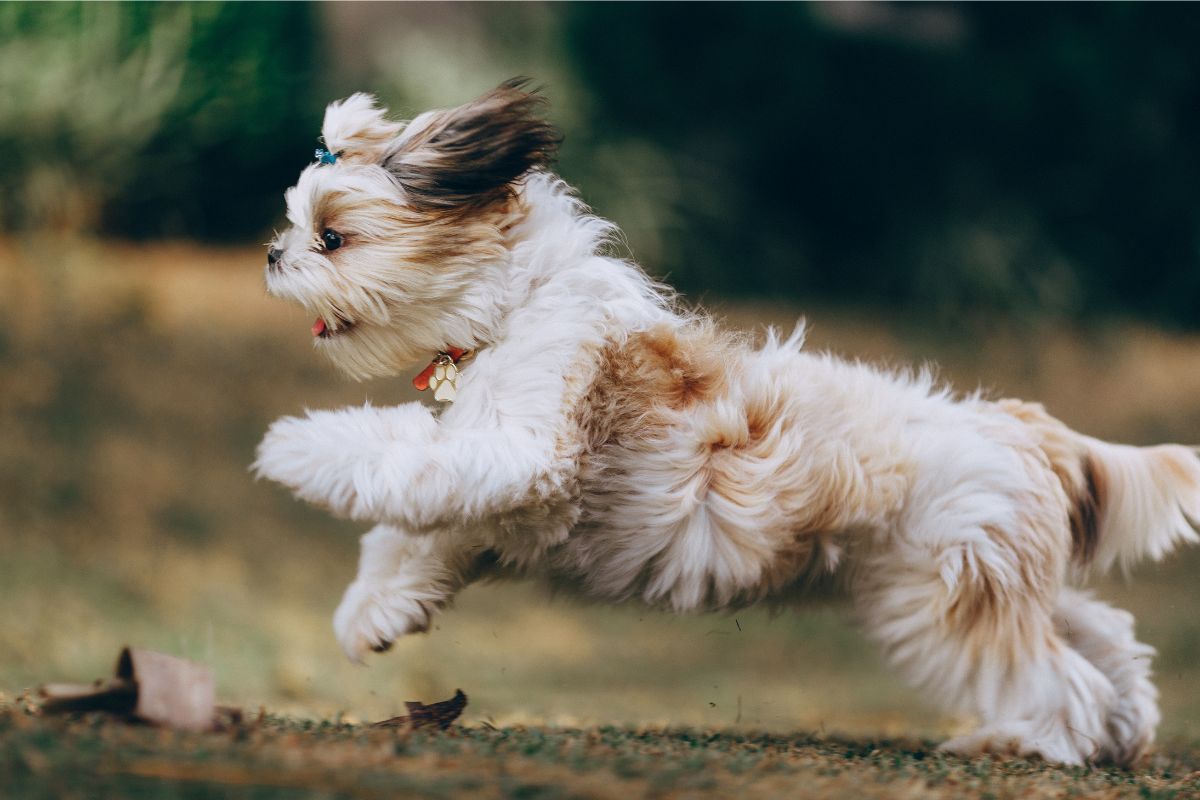
    Ah, puppy zoomies. The adorable, chaotic, slightly perplexing and undeniably entertaining puppy trademark. When your pup suddenly dashes ‘round the lawn like a rocket-fueled blur, you know you’re in for legendary times. These bursts of energy are more than just super cute; they can also actually reveal your fur baby’s summer vibe. Understanding your puppy’s zoomie style can help you match their energy, leading to an epic sun-soaked season together!

    puppy zoomies

    Puppy Zoomies = Summer Vibe

    The Splash Seeker

    Puppy Zoomie Style: Quick sprints around the sprinkler peppered with some belly-flop dives

    Summer Vibe: Clearly, your pup was made for the water. Splash Seekers enjoy puddles to pounce in or even a backyard hose party. These fur babies thrive beachside, poolside, or chasing ripples at the lake. Don’t forget to bring a towel with you!

    The Trail Blazer

    Puppy Zoomie Style: Runs with purpose, often towards their leash or the car

    Summer Vibe: This fur baby is always on adventure mode. Trail Blazers are all about road trips, weekend on the mountains, and sniff-worthy trails. Give ‘em the right gear and pack the right snacks, and they will happily hike for hours. Just say GO and they’re already on a mad dash out the front door.

    The Backyard Acrobat

    Puppy Zoomie Style: Speedy figurę-eights, wild spins, and lawn-leaping shenanigans

    Summer Vibe: Oh, this one’s a furry little social butterfly! Backyard Acrobats bring playful energy to every celebration, picnic, or outdoor BBQ. Blow some bubbles to go along with their bubbly personality, or set up a mini agility course. They’ll steal the limelight, most definitely (and maybe a hotdog or two). 

    The Chill Chaser

    Puppy Zoomie Style: Leisurely jogs capped off with theatrical grass flops

    Summer Vibe: Cool and quiet, your puppy is the very embodiment of chic nonchalance. Chill Chasers are all about shaded patches of lawn and frozen treats, thankyouverymuch. Not one for chaos, they’ll politely attend your sunny gathering and then doze off like it’s their full-time job. No rushing for this one; things are much cooler at their easygoing pace. 

    The Firework

    Puppy Zoomie Style: Explosive, erratic, and cutely captivating

    Summer Vibe: This puppy is, quite simply, pure joy in motion. Fireworks adore spontaneous park runs, surprise outings, and chasing butterflies in the garden. These fur babies are your sparkly reminder to enjoy each moment and be absolutely present. And also maybe to puppy-proof the lawn furniture, yes? 

    Whatever your puppy’s zoomie style may be, their summertime personality shines brightest when doing what they love. Stock your fridge with frozen treats, grab that leash, and map out a summer that is just as tail-waggingly fun, free, and joyful as they are!

    Because when your puppy’s happy, summer’s even more cheery!