Tag: dog behavior

  • The Puppy Socialization Window: Why the First 16 Weeks Matter

    The Puppy Socialization Window: Why the First 16 Weeks Matter

    Bringing home a puppy comes with a lot of exciting firsts.
    First walks. First toys. First sleepy cuddle on the couch after a long day of zoomies.

    But during all those adorable moments, something incredibly important is also happening behind the scenes: your puppy is learning how to experience the world.

    The first 16 weeks of a puppy’s life are often called the “socialization window.” During this stage, puppies are especially open to new experiences, environments, sounds, people, and routines.

    What they experience during this period can help shape their confidence, comfort levels, and behavior as adult dogs.

    That’s why thoughtful socialization matters so much.

    What Is Puppy Socialization, Exactly?

    Socialization is the process of safely introducing your puppy to the world around them.

    That includes:

    • New people
    • Different sounds
    • Other vaccinated dogs
    • Car rides
    • Grooming experiences
    • Various surfaces and environments
    • Everyday household activity

    The goal is not to overwhelm your puppy. The goal is to help them build positive, calm associations with normal life experiences.

    For puppies growing up around Stuart, Boca Raton, and surrounding communities, socialization can happen in simple everyday moments — hearing new sounds during a walk near Downtown Stuart, experiencing different sights and people around Mizner Park, riding in the car, or exploring pet-friendly spaces with trusted family and friends.
    Confident puppies are not born overnight. They learn through gentle exposure and repetition.

    Confident puppies are not born overnight. They learn through gentle exposure and repetition.

    Why the First 16 Weeks Are So Important

    Young puppies are naturally curious during their early development period. Their brains are rapidly processing information and forming long-term associations.

    Positive experiences during this window can help reduce fear and anxiety later in life.
    On the other hand, limited exposure or negative experiences may make certain situations feel unfamiliar or stressful as they grow older.

    That’s why early socialization is often considered one of the most important parts of puppy development.

    What Healthy Socialization Actually Looks Like

    Small Positive Experiences Matter Most

    Good socialization is calm, safe, and gradual.

    For example, your puppy may benefit from:

    • Meeting friendly people
    • Hearing city sounds during a walk
    • Visiting pet-friendly places around town
    • Seeing bicycles, umbrellas, or strollers
    • Riding in the car for short trips
    • Learning to feel comfortable during handling and grooming

    For many families around Arizona communities and nearby neighborhoods, this may include outdoor cafés, local parks, or puppy-friendly events.

    The key is making sure your puppy feels supported and safe during each new experience.

    Common Socialization Mistake to Avoid

    Too much too fast can backfire.

    One of the biggest misconceptions is that socialization means exposing puppies to everything immediately.

    It doesn’t.

    Fearful or overwhelming experiences can actually create stress instead of confidence.
    Watch your puppy’s body language carefully. If they seem nervous, tired, or overstimulated, it’s okay to slow down.

    Positive reinforcement, patience, and short sessions work best.

    Socialization Includes More Than Just Other Dogs

    Many people focus only on dog-to-dog interaction.

    But puppies also need exposure to:

    • Different people and ages
    • New environments
    • Everyday noises
    • Handling and touch
    • Routine grooming and vet visits

    A well-socialized puppy is not necessarily the most outgoing dog in the room. Often, it’s simply a dog that feels safe and comfortable navigating everyday life.

    Helping Families Raise Confident Puppies

    At Wags About You, we understand how important these early weeks are for both puppies and their families.

    Bringing home a puppy is exciting, but it also comes with responsibility, questions, and a learning curve. That’s why guidance, education, and support matter so much during the early stages.

    Every puppy deserves a strong, healthy foundation built on trust, patience, and positive experiences.

    The First 16 Weeks Go By Quickly

    The puppy stage moves fast. One day they’re nervous about hearing the vacuum. The next day they’re confidently supervising your entire household like a tiny furry manager.

    Those early experiences truly matter.

    And with consistency, patience, and care, those first 16 weeks can help shape a happier, more confident companion for years to come.

    More Helpful Reads From Wags About You From planning and preparation to everyday puppy care, our articles are here to help you feel informed and confident as a pet parent. Check out the related posts below to keep learning with us.
  • Why Your Dog Always Knows When You’re Eating Something Good

    Why Your Dog Always Knows When You’re Eating Something Good

    The Science of the Snack Radar: Why Dogs Know You’re Eating

    You open a bag of chips as quietly as possible.

    You pause. Listen. Look around.

    The coast seems clear.

    Then suddenly… tap, tap, tap. Tiny paws approach. A wet nose appears beside your elbow. And two hopeful eyes lock onto your snack like a heat-seeking missile.

    How did they know?

    You didn’t call them. You didn’t drop anything. You barely made a sound.

    And yet somehow, your dog knew you were eating something good before you even took the first bite.

    Welcome to the mysterious (and undefeated!) world of your dog’s snack radar.

    The Sneaky Science Behind Your Dog’s Food Detection

    As adorable as it is, your dog’s ability to detect snacks isn’t magic. It’s science. And their senses are incredible.

    Here’s what’s really happening behind the scenes.

    Their nose is basically a superpower.

    Dogs have up to 300 million scent receptors in their noses. Humans? Around six million. That means dogs can detect smells at levels we can barely imagine. Even the faint scent of cheese, chicken, or popcorn drifting through the air is practically a dinner bell.

    Food smells stronger to them than it does to us.

    When you smell pizza, it smells good. When your dog smells pizza, it’s like the scent fills the entire room. Their brain dedicates far more space to analyzing smells than ours does.

    They’re reading your behavior.

    Dogs don’t just rely on scent. They’re also expert observers. Studies show dogs are remarkably good at reading human cues, including body language and patterns. Opening the fridge, grabbing a plate, sitting on the couch with a bowl… These are all signals your dog has memorized.

    They’ve learned food might fall.

    Let’s be honest. Something eventually hits the floor. Dogs know this. Over time, they learn that hanging out near humans eating food can lead to a lucky snack drop.

    Why Dogs Are Especially Curious About Human Food

    Human food smells richer because it often contains fats, proteins, and seasonings dogs find irresistible. These strong aromas travel easily through the air, making them impossible for a dog to ignore.

    On top of that, dogs are naturally curious scavengers. In the wild, finding food often means investigating every interesting smell. So when something delicious appears in your kitchen, their instincts kick in.

    Translation: your sandwich never stood a chance.

    Understanding Your Dog’s Snack Radar

    We see this behavior all the time. And honestly, it’s part of what makes dogs so charming. Their curiosity, intelligence, and powerful senses are reminders of just how amazing our canine companions really are.

    Understanding why dogs act the way they do helps pet parents respond in healthy ways. Not every human snack is safe for dogs, but their interest in food is completely natural.

    The more you learn about your dog’s instincts, the easier it becomes to guide them with good habits, proper nutrition, and enrichment.

    One Thing’s for Sure…

    Your dog may not know what taxes are.

    They might not understand the concept of personal space.

    But the moment you open a bag of snacks? They know.

    And somehow, they always arrive right on time. 

    Hungry for more? The next chapter’s even better! Follow the paw prints below to keep reading.


    The Love Languages of Dogs (Yes, They’re Real!)
    Spring Fever, Fur Real: What Happens to Your Dog’s Personality When Winter Ends?


  • Are You Being Judged By Your Dog? A Behavioral Investigation

    Are You Being Judged By Your Dog? A Behavioral Investigation

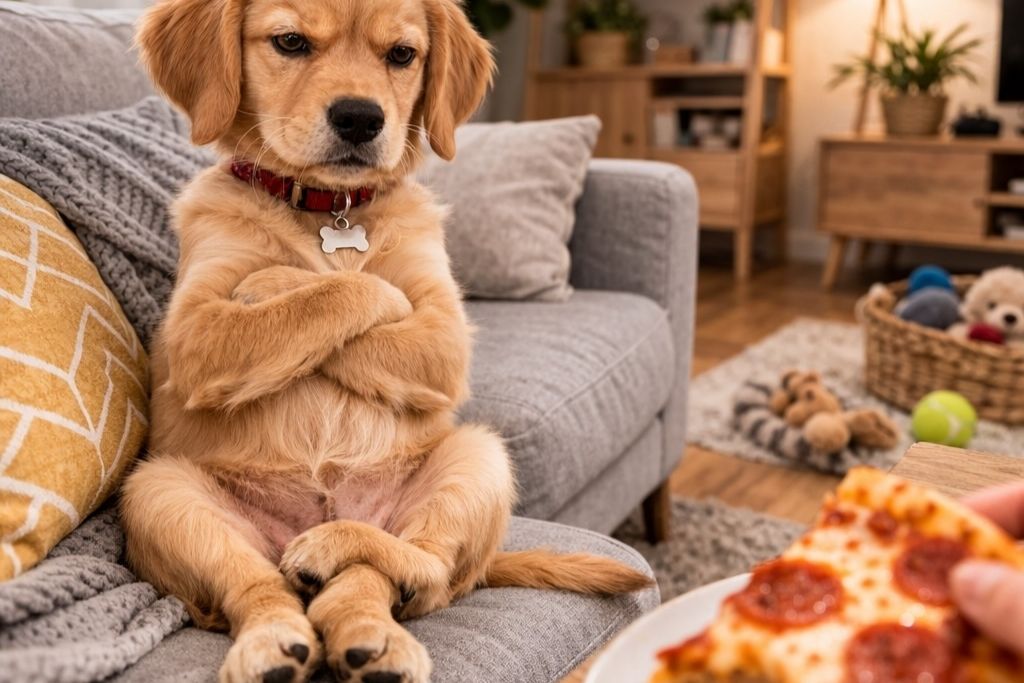
    Picture this: You open the fridge for a late-night snack. Your dog watches from across the room. Silent. Still. Unblinking.

    You grab cheese. The stare intensifies.

    You return to the couch. Your dog sighs dramatically, tilts their head, and slowly turns away as if deeply disappointed in your life choices.

    At some point, every dog owner has wondered the same thing.

    Is My dog… Judging Me?

    Between the long stares, the side-eye, and the suspiciously dramatic sighs, it can definitely feel that way. But while our pups may look like tiny furry critics, what they’re actually doing is something far more interesting.

    Dogs are masters of observation. They constantly read our behavior, body language, and routines. That “judgy” look is usually their way of processing information, communicating, or simply trying to understand what their humans are doing.

    In other words, the jury is still out.

    The “Judgy” Behaviors Dogs Are Actually Showing

    Let’s investigate a few of the classic canine “judgment” moments and what they really mean.

    The Long, Intense Stare
    It can feel like your dog is silently questioning your decisions. But in reality, dogs often stare because they’re focused on you.

    Dogs study their humans closely. They watch for cues about food, walks, playtime, and attention. Sometimes they’re simply waiting for the next exciting thing to happen.

    Translation: they’re not judging you. They’re monitoring the situation.

    The Famous Head Tilt
    The head tilt is one of the most beloved dog expressions. It also happens to look suspiciously skeptical.

    In truth, dogs tilt their heads to hear better and focus on sounds. This movement may help them pinpoint where your voice or another noise is coming from. It also helps them read your facial expressions more clearly.

    So that adorable tilt? It’s curiosity, not criticism.

    The Legendary Side-Eye
    Ah yes. The side-eye.

    Few things feel more judgmental than a dog glancing at you from the corner of their eye while you eat pizza. However, side-eye is usually just body language. Dogs often look away slightly when they feel unsure, cautious, or curious about what’s happening around them.

    It’s not sass. It’s communication.

    The Dramatic Sigh
    Dogs sigh for many reasons. Often, it simply means they’re relaxed.

    Sometimes it signals mild boredom. Other times it means they’re settling in for rest.

    While it may sound like they’re exhausted by your life choices, it’s usually just your dog getting comfortable.

    The Quiet Observation Mode
    Dogs frequently sit nearby and watch their humans closely.

    This behavior helps them understand patterns and routines. Over time, dogs learn when meals happen, when the leash appears, and when playtime begins.
    So when your dog studies you like a detective, they’re simply gathering information.

    Dogs Are Expert People-Watchers
    Dogs have spent thousands of years living alongside humans. As a result, they’ve become incredibly skilled at reading our emotions, movements, and habits.

    Researchers have even found that dogs respond to human facial expressions and gestures in ways many animals cannot. That “judgy” expression? It’s often just intense curiosity mixed with loyalty and attention.

    Your dog isn’t criticizing your snack choices. They’re trying to understand your world.

    Learning to Read Your Dog

    Understanding your dog’s body language makes life together even better. When you know what their signals mean, you can respond in ways that strengthen trust and communication.

    Every stare, tail wag, and head tilt tells a story.

    The more you learn about those signals, the easier it becomes to understand what your dog is really saying. And once you start speaking their language, the bond grows even stronger.

    So… Are They Judging You?

    Probably not.

    But they are paying very close attention. After all, in your dog’s mind you’re the most interesting thing in the room.

    And if you happen to be holding a snack while they watch?
    Well… that investigation just became very serious.

  • Spring Fever, Fur Real: What Happens to Your Dog’s Personality When Winter Ends?

    Spring Fever, Fur Real: What Happens to Your Dog’s Personality When Winter Ends?

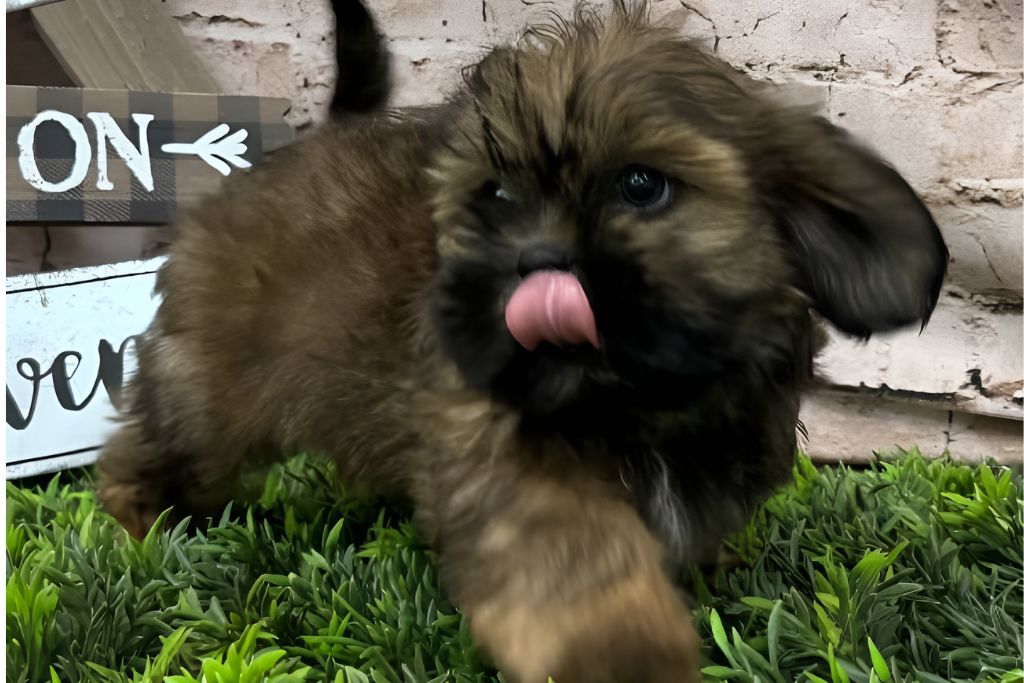
    puppy in grass with tongue out

    The snow melts. The sun sticks around longer. You suddenly feel like cleaning your entire house at 7 a.m. on a Saturday.

    Spring has officially entered the chat.

    And guess what? Your dog feels it, too.

    Just like us, dogs respond to seasonal changes. Longer daylight hours, warmer temperatures, and new smells in the air can shift their mood, energy, and behavior. If your pup seems a little extra lately, you’re not imagining it. Spring fever is real. And honestly, it’s kind of adorable.

    Here’s what you might notice (and how to roll with it).

    1. The Zoomies Are Back… With a Vengeance

    Longer days trigger more activity. Increased sunlight can influence your dog’s natural rhythms and boost energy levels. After a slower winter routine, your pup may suddenly act like they’ve had three espressos.

    What helps? Lean into it. Add an extra walk. Rotate in new toys. Plan a weekend park trip. Structured exercise channels that spring sparkle into healthy outlets.

    2. Sniff Mode: Activated

    Spring brings fresh grass, blooming plants, and an entire season’s worth of new scents. Your dog’s nose is in heaven.

    Expect longer sniff sessions on walks and a little more distraction outdoors. Sniffing is mental enrichment, so let them explore safely. A slightly slower walk can be great brain exercise.

    3. A Little More Reactivity

    More dogs are outside. Kids are playing. Squirrels are back. It’s a sensory overload situation.

    Some dogs become more alert or reactive during spring because their environment suddenly feels busier. Stay consistent with training cues. Reward calm behavior. Keep routines steady even as activity increases.

    4. The Great Shed-Off

    That thick winter coat? It’s clocking out.

    As temperatures rise, dogs naturally shed to regulate body temperature. You may notice more fur around the house and slightly itchier behavior.

    Regular brushing helps. So does high-quality nutrition that supports skin and coat health. 

    5. The “Let’s Do Something” Face

    Winter can mean more indoor time. Spring reopens your dog’s social calendar.

    Your pup may suddenly want more playdates, more outings, and more “us” time. This is a great season to build positive experiences. Try a new walking trail. Visit a pet-friendly patio. Reinforce good leash manners.

    Helping Your Dog Thrive This Spring

    Transition gradually. Keep meals consistent. Increase activity in manageable steps. Watch for allergy signs like excessive scratching or paw licking. If something feels off, consult your veterinarian.

    Most of all? Enjoy it.

    Spring is a reset button. For you. For your dog. For your daily rhythm together.

    We love helping pet parents navigate every season with confidence. Whether you need grooming tools, enrichment toys, or expert advice, we’re here for it.

    New season. New energy. Same best friend.

    The snow melts. The sun sticks around longer. You suddenly feel like cleaning your entire house at 7 a.m. on a Saturday.

    Spring has officially entered the chat.

    And guess what? Your dog feels it, too.

    Just like us, dogs respond to seasonal changes. Longer daylight hours, warmer temperatures, and new smells in the air can shift their mood, energy, and behavior. If your pup seems a little extra lately, you’re not imagining it. Spring fever is real. And honestly, it’s kind of adorable.

    Here’s what you might notice (and how to roll with it).

    1. The Zoomies Are Back… With a Vengeance

    Longer days trigger more activity. Increased sunlight can influence your dog’s natural rhythms and boost energy levels. After a slower winter routine, your pup may suddenly act like they’ve had three espressos.

    What helps? Lean into it. Add an extra walk. Rotate in new toys. Plan a weekend park trip. Structured exercise channels that spring sparkle into healthy outlets.

    2. Sniff Mode: Activated

    Spring brings fresh grass, blooming plants, and an entire season’s worth of new scents. Your dog’s nose is in heaven.

    Expect longer sniff sessions on walks and a little more distraction outdoors. Sniffing is mental enrichment, so let them explore safely. A slightly slower walk can be great brain exercise.

    3. A Little More Reactivity

    More dogs are outside. Kids are playing. Squirrels are back. It’s a sensory overload situation.

    Some dogs become more alert or reactive during spring because their environment suddenly feels busier. Stay consistent with training cues. Reward calm behavior. Keep routines steady even as activity increases.

    4. The Great Shed-Off

    That thick winter coat? It’s clocking out.

    As temperatures rise, dogs naturally shed to regulate body temperature. You may notice more fur around the house and slightly itchier behavior.

    Regular brushing helps. So does high-quality nutrition that supports skin and coat health. 

    5. The “Let’s Do Something” Face

    Winter can mean more indoor time. Spring reopens your dog’s social calendar.

    Your pup may suddenly want more playdates, more outings, and more “us” time. This is a great season to build positive experiences. Try a new walking trail. Visit a pet-friendly patio. Reinforce good leash manners.

    Helping Your Dog Thrive This Spring

    Transition gradually. Keep meals consistent. Increase activity in manageable steps. Watch for allergy signs like excessive scratching or paw licking. If something feels off, consult your veterinarian.

    Most of all? Enjoy it.

    Spring is a reset button. For you. For your dog. For your daily rhythm together.

    We love helping pet parents navigate every season with confidence. Whether you need grooming tools, enrichment toys, or expert advice, we’re here for it.

    New season. New energy. Same best friend.

    Hungry for more? The next chapter’s even better! Follow the paw prints below to keep reading.

    National Spoil Your Dog Day: Yes, They Deserve It (Every. Single. Day.)
    New Year, Happy Dog: 10 Healthy Habits to Kick Off 2026 With Your Pup