The snow melts. The sun sticks around longer. You suddenly feel like cleaning your entire house at 7 a.m. on a Saturday.
Spring has officially entered the chat.
And guess what? Your dog feels it, too.
Just like us, dogs respond to seasonal changes. Longer daylight hours, warmer temperatures, and new smells in the air can shift their mood, energy, and behavior. If your pup seems a little extra lately, you’re not imagining it. Spring fever is real. And honestly, it’s kind of adorable.
Here’s what you might notice (and how to roll with it).
1. The Zoomies Are Back… With a Vengeance
Longer days trigger more activity. Increased sunlight can influence your dog’s natural rhythms and boost energy levels. After a slower winter routine, your pup may suddenly act like they’ve had three espressos.
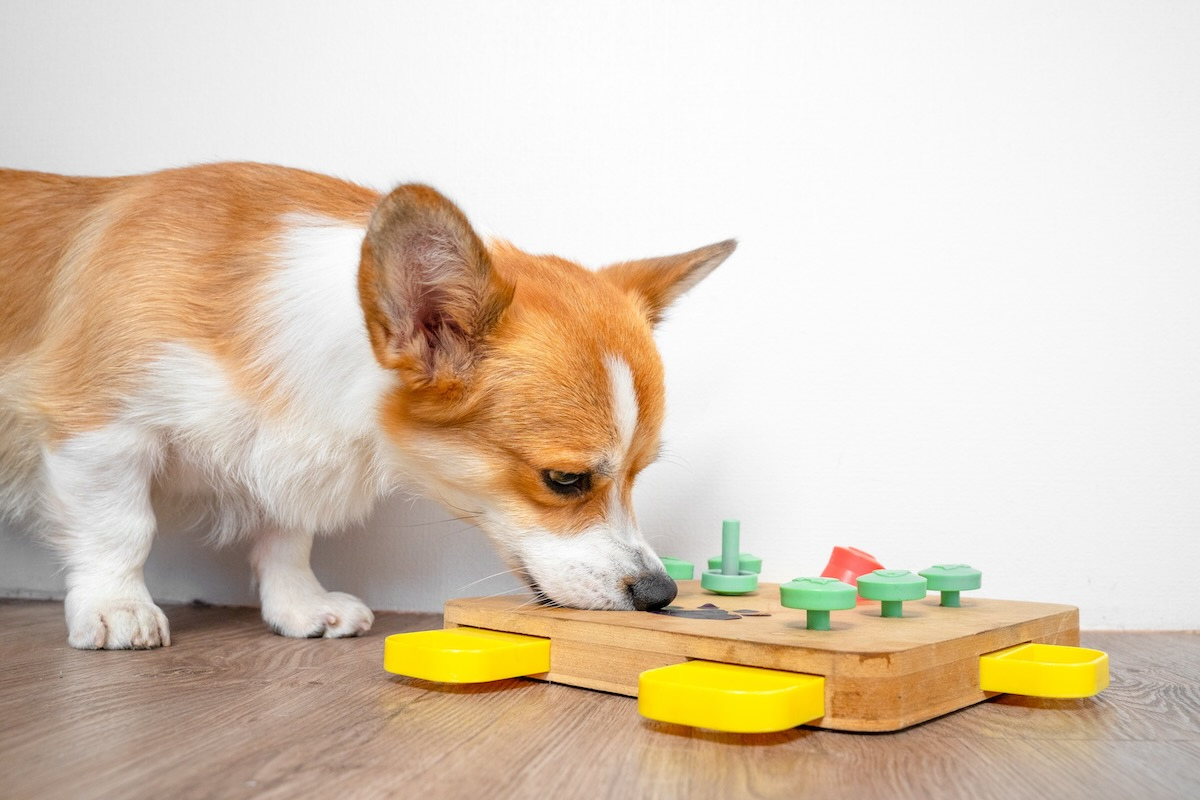
What helps? Lean into it. Add an extra walk. Rotate in new toys. Plan a weekend park trip. Structured exercise channels that spring sparkle into healthy outlets.
2. Sniff Mode: Activated
Spring brings fresh grass, blooming plants, and an entire season’s worth of new scents. Your dog’s nose is in heaven.
Expect longer sniff sessions on walks and a little more distraction outdoors. Sniffing is mental enrichment, so let them explore safely. A slightly slower walk can be great brain exercise.
3. A Little More Reactivity
More dogs are outside. Kids are playing. Squirrels are back. It’s a sensory overload situation.
Some dogs become more alert or reactive during spring because their environment suddenly feels busier. Stay consistent with training cues. Reward calm behavior. Keep routines steady even as activity increases.
4. The Great Shed-Off
That thick winter coat? It’s clocking out.
As temperatures rise, dogs naturally shed to regulate body temperature. You may notice more fur around the house and slightly itchier behavior.
Regular brushing helps. So does high-quality nutrition that supports skin and coat health.
5. The “Let’s Do Something” Face
Winter can mean more indoor time. Spring reopens your dog’s social calendar.
Your pup may suddenly want more playdates, more outings, and more “us” time. This is a great season to build positive experiences. Try a new walking trail. Visit a pet-friendly patio. Reinforce good leash manners.
Helping Your Dog Thrive This Spring
Transition gradually. Keep meals consistent. Increase activity in manageable steps. Watch for allergy signs like excessive scratching or paw licking. If something feels off, consult your veterinarian.
Most of all? Enjoy it.
Spring is a reset button. For you. For your dog. For your daily rhythm together.
We love helping pet parents navigate every season with confidence. Whether you need grooming tools, enrichment toys, or expert advice, we’re here for it.
New season. New energy. Same best friend.
The snow melts. The sun sticks around longer. You suddenly feel like cleaning your entire house at 7 a.m. on a Saturday.
Spring has officially entered the chat.
And guess what? Your dog feels it, too.
Just like us, dogs respond to seasonal changes. Longer daylight hours, warmer temperatures, and new smells in the air can shift their mood, energy, and behavior. If your pup seems a little extra lately, you’re not imagining it. Spring fever is real. And honestly, it’s kind of adorable.
Here’s what you might notice (and how to roll with it).
1. The Zoomies Are Back… With a Vengeance
Longer days trigger more activity. Increased sunlight can influence your dog’s natural rhythms and boost energy levels. After a slower winter routine, your pup may suddenly act like they’ve had three espressos.
What helps? Lean into it. Add an extra walk. Rotate in new toys. Plan a weekend park trip. Structured exercise channels that spring sparkle into healthy outlets.
2. Sniff Mode: Activated
Spring brings fresh grass, blooming plants, and an entire season’s worth of new scents. Your dog’s nose is in heaven.
Expect longer sniff sessions on walks and a little more distraction outdoors. Sniffing is mental enrichment, so let them explore safely. A slightly slower walk can be great brain exercise.
3. A Little More Reactivity
More dogs are outside. Kids are playing. Squirrels are back. It’s a sensory overload situation.
Some dogs become more alert or reactive during spring because their environment suddenly feels busier. Stay consistent with training cues. Reward calm behavior. Keep routines steady even as activity increases.
4. The Great Shed-Off
That thick winter coat? It’s clocking out.
As temperatures rise, dogs naturally shed to regulate body temperature. You may notice more fur around the house and slightly itchier behavior.
Regular brushing helps. So does high-quality nutrition that supports skin and coat health.
5. The “Let’s Do Something” Face
Winter can mean more indoor time. Spring reopens your dog’s social calendar.
Your pup may suddenly want more playdates, more outings, and more “us” time. This is a great season to build positive experiences. Try a new walking trail. Visit a pet-friendly patio. Reinforce good leash manners.
Helping Your Dog Thrive This Spring
Transition gradually. Keep meals consistent. Increase activity in manageable steps. Watch for allergy signs like excessive scratching or paw licking. If something feels off, consult your veterinarian.
Most of all? Enjoy it.
Spring is a reset button. For you. For your dog. For your daily rhythm together.
We love helping pet parents navigate every season with confidence. Whether you need grooming tools, enrichment toys, or expert advice, we’re here for it.
New season. New energy. Same best friend.
Hungry for more? The next chapter’s even better! Follow the paw prints below to keep reading.
National Spoil Your Dog Day: Yes, They Deserve It (Every. Single. Day.)
New Year, Happy Dog: 10 Healthy Habits to Kick Off 2026 With Your Pup