Tag: betta fish

  • What Aquarium Fish Benefit From Live Food?

    What Aquarium Fish Benefit From Live Food?

    For fishkeepers in Hoffman Estates and across Chicagoland, choosing live food starts with knowing what your fish actually eat. It can be useful for young fish, species that hunt small prey, and fish that need encouragement to feed. The right choice depends on the species, life stage, and size of the food.

    Live foods can provide nutrition and stimulate natural feeding behavior. They are not essential for every aquarium fish, though, and they may not provide a complete diet on their own. Merck Veterinary Manual

    Which aquarium fish benefit from live food?

    1. Fry: Tiny Fish, Serious Appetites

    Baby fish often benefit from appropriately sized live foods, especially newly hatched brine shrimp. These tiny Artemia are suitable for many fry, but some fry need even smaller foods. Match the food to the size and nutritional needs of the species you are raising. University of Florida guidance

    Other options include microworms and vinegar eels for very small fish. Size matters here. A meal does not help much if your fry cannot fit it in their mouths.

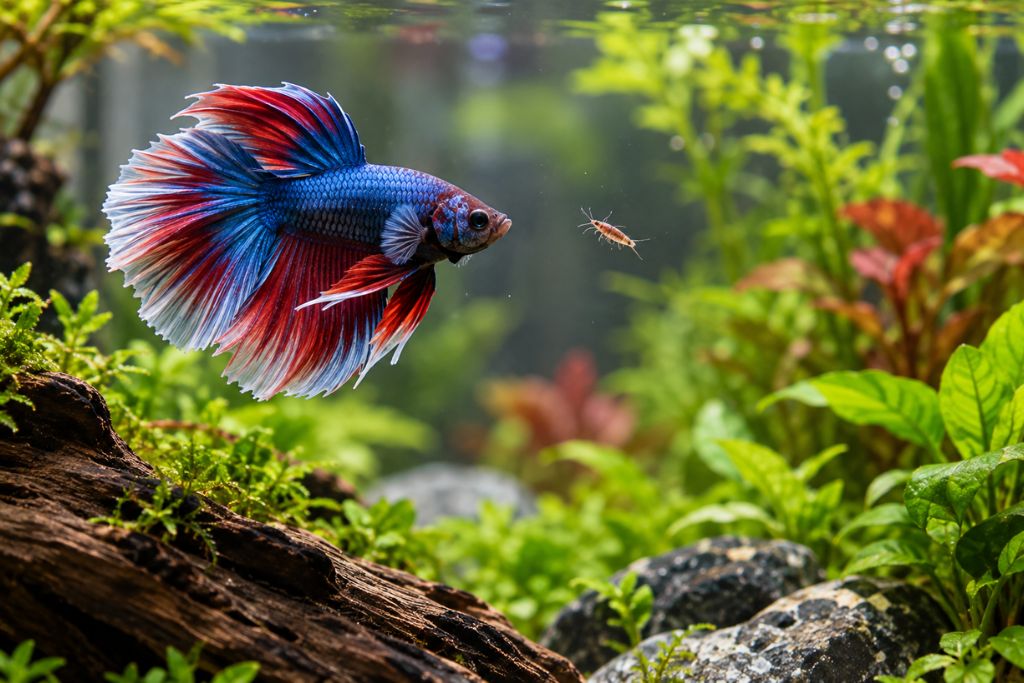
    2. Bettas: The Tiny Hunters

    Bettas are carnivorous and often respond strongly to moving prey. Live brine shrimp and appropriately sized worms can provide enrichment and encourage feeding.

    Offer live food as part of a diet suited to your betta, rather than assuming that live food alone meets all its needs.

    3. Killifish: Live-Food Enthusiasts

    Killifish are another group that can benefit from live foods such as brine shrimp, daphnia, and mosquito larvae from safe, controlled sources.

    Live foods are especially useful when conditioning fish for breeding. They can provide extra variety and help stimulate natural feeding behavior.

    4. Discus and Other Reluctant Eaters

    Moving foods such as brine shrimp or daphnia may encourage some reluctant fish to eat. A sudden loss of appetite, however, can also signal a problem with water quality or the fish’s health. Check the aquarium conditions and seek advice about a fish that continues to refuse food. Merck Veterinary Manual

    Live food can be a feeding option, but it should not replace finding the cause of a change in appetite.

    5. Puffers and Snail-Eating Loaches

    Some puffers and loaches eat live snails. For some puffer species, appropriately sized hard-shelled prey can also help wear down teeth that grow throughout life. Feeding needs vary by species, so check what is suitable for the fish you keep. Research on pufferfish teeth

    Is live food right for every aquarium fish?

    No. A balanced diet should match the species. Prepared, frozen, and other foods can all play important roles.

    Live food also needs careful sourcing. Wild-caught organisms can introduce unwanted pathogens, parasites, or contaminants. Reputable sources and proper handling matter. Merck Veterinary Manual

    How can Aquarium Adventure help with fish nutrition?

    At Aquarium Adventure, we look at the fish, the aquarium, and the goal behind the feeding plan. Our aquatic professionals can help you choose appropriate foods for your species and life stage.

    Visit our team at 11 Golf Center in Hoffman Estates, and tell us your fish’s species, life stage, and current diet. That gives us a useful starting point for discussing whether live food belongs in its feeding plan.

    The best dinner is one that meets your fish’s needs.
  • Aquarium Drama Queens: Fish With Main Character Energy

    Aquarium Drama Queens: Fish With Main Character Energy

    Every aquarium has that one fish.

    The one that starts trouble.

    The one that insists on being the center of attention.

    The one that somehow turns feeding time into a full-scale event.

    Fishkeeping forums are filled with stories about them. Hobbyists near The Promenade Bolingbrook swap stories about them. Experienced aquarists around Hoffman Estates, South Barrington, and the Poplar Creek area laugh about them because they’ve probably owned one.

    Some fish simply come with larger personalities than others. That’s part of what makes the hobby so much fun.

    It’s also why compatibility and tank planning matter so much. A fish that thrives as the star of one aquarium might create chaos in another. Before adding new residents to your tank, let’s meet some of the biggest drama queens in the aquarium world.

    Bettas: The Tiny Royalty of the Tank

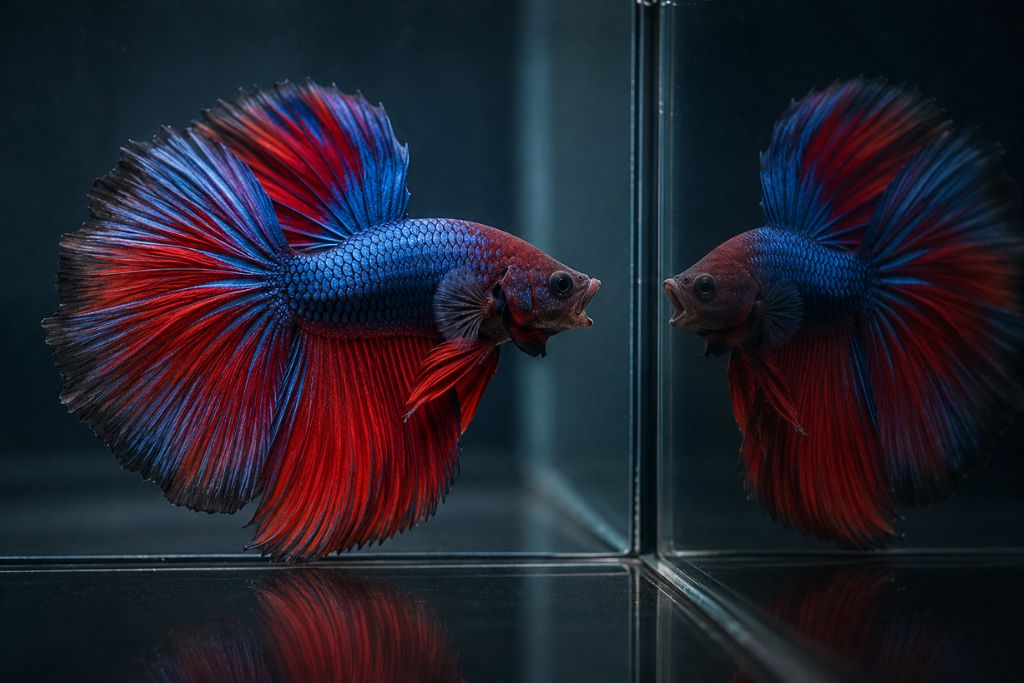
    Bettas are beautiful, colorful, and completely convinced the aquarium belongs to them.

    Many male Bettas are highly territorial and won’t hesitate to challenge rivals. Sometimes the rival is another fish. Sometimes it’s their own reflection.

    For hobbyists around Schaumburg and Hoffman Estates, Bettas remain one of the most popular aquarium fish for good reason. They have incredible personalities and can thrive in the right setup.

    Tank planning tip: Give Bettas plenty of space, hiding spots, and carefully selected tankmates.

    Oscars: The Bulldozers With Feelings

    Oscars often behave less like fish and more like demanding pets.

    They recognize their owners, learn feeding routines, and seem to have opinions about everything. They also enjoy rearranging decorations that took you an hour to position perfectly.

    Aquarists near The Arboretum of South Barrington frequently fall in love with Oscars because of their intelligence and interaction.

    Tank planning tip: Oscars grow large and need significantly more space than many beginners expect.

    Cichlids: Masters of Aquarium Politics

    Some fish have territories. Cichlids have kingdoms.

    Many species establish boundaries and spend their days making sure everyone else knows where those boundaries are. They are fascinating, active, and full of personality.

    They can also be surprisingly stubborn.

    Tank planning tip: Research specific cichlid species before building a community tank. Temperaments vary widely.

    Angelfish: Graceful Until Proven Otherwise

    At first glance, Angelfish seem like the diplomats of the freshwater world. Elegant fins. Calm swimming patterns. Sophisticated appearance.

    Then they decide a section of the aquarium belongs exclusively to them.

    Fishkeepers throughout Bolingbrook and the Boughton Road corridor are often surprised by how protective Angelfish can become.

    Tank planning tip: Account for their mature size and territorial behavior when selecting companions.

    Tiger Barbs: The Neighborhood Instigators

    Tiger Barbs never seem to run out of energy. They’re active, entertaining, and constantly looking for something to do.

    Unfortunately, that “something” can occasionally involve pestering slower tankmates.

    A properly sized school usually helps direct that energy where it belongs.

    Tank planning tip: Tiger Barbs tend to do best in groups and with compatible, active species.

    Great Aquariums Start With Great Matchmaking

    The most successful aquariums aren’t built around appearances alone. They’re built around behavior, compatibility, and planning.

    At Aquarium Adventure, we help hobbyists throughout Hoffman Estates, Bolingbrook, Streamwood, South Barrington, and surrounding communities choose fish that fit their tanks and their goals. Visitors stop in from near NOW Arena, The Promenade Bolingbrook, and beyond for advice that helps set aquariums up for success.

    A little personality makes every aquarium more interesting. The trick is making sure all those personalities can live together peacefully once the drama is over.