Blog

  • How to Know if a Dog Is Urine Marking or Peeing in the House?

    Understanding the difference between urine marking and house soiling (peeing) is crucial for dog owners. Both behaviors involve your dog urinating inside the house, but they stem from different motivations and require different solutions. This blog will delve into the signs of each behavior, the reasons behind them, and how to address these issues effectively.

    Understanding Urine Marking

    Urine marking is a behavior where a dog releases small amounts of urine in various locations. This behavior is more common in unneutered males but can also occur in neutered males and females. It is often linked to territorial behavior, stress, or changes in the dog’s environment.

    Signs of Urine Marking:

    1. Small Amounts of Urine: When dogs mark, they typically release only a small amount of urine, unlike the larger puddles associated with house soiling.
    2. Frequent Marking: Dogs that mark will often do so frequently, hitting several spots in a short period.
    3. Vertical Surfaces: Dogs usually mark on vertical surfaces like walls, furniture, and door frames, as these areas are more effective for leaving their scent.
    4. New Items: New objects brought into the house, such as furniture or groceries, might become targets for urine marking as the dog attempts to establish their scent on these new items.
    5. Signs of Territory: If your dog is marking due to territorial reasons, the behavior might increase when new animals or people enter their space.

    Causes of Urine Marking:

    1. Territorial Behavior: Dogs use urine to mark their territory and communicate with other dogs. This is particularly common in unneutered males.
    2. Social Triggers: The presence of other animals, particularly other dogs, can trigger marking as a way to establish dominance or react to perceived threats.
    3. Changes in Environment: Moving to a new home, changes in household members, or even redecorating can cause a dog to start marking.
    4. Stress and Anxiety: Dogs may mark when they are stressed or anxious, often as a response to significant changes in their environment.

    Understanding House Soiling

    House soiling, or inappropriate urination, is when a dog pees in the house for reasons other than marking. This behavior is often due to medical, behavioral, or training issues and typically involves larger amounts of urine than marking.

    Signs of House Soiling:

    1. Large Puddles: Unlike marking, house soiling usually involves a larger quantity of urine, resulting in noticeable puddles.
    2. Frequent Accidents: Dogs that are house soiling may have frequent accidents, often in the same area.
    3. Horizontal Surfaces: House soiling tends to occur on horizontal surfaces like floors, carpets, and bedding.
    4. Behavioral Cues: The dog may show signs of needing to pee, such as whining, scratching at the door, or circling before urinating.

    Causes of House Soiling:

    1. Medical Issues: Conditions such as urinary tract infections, bladder stones, diabetes, and kidney disease can cause frequent urination and house soiling.
    2. Incomplete House Training: Puppies and newly adopted dogs might not be fully house trained and can have accidents as they learn.
    3. Age-Related Problems: Senior dogs may develop incontinence or cognitive dysfunction that leads to house soiling.
    4. Behavioral Issues: Anxiety, fear, and phobias can lead to house soiling. For example, a dog might urinate indoors due to separation anxiety or fear of loud noises.

    How to Determine if Your Dog Is Marking or House Soiling

    To determine whether your dog is urine marking or house soiling, consider the following factors:

    1. Amount and Location of Urine:
    1. Small amounts on vertical surfaces suggest marking.
    2. Larger puddles on horizontal surfaces suggest house soiling.
    3. Frequency and Triggers:
    1. Frequent urination in different spots can indicate marking.
    2. Urination after showing signs of needing to go or at specific times (like after drinking water) suggests house soiling.
    3. Behavioral Context:
    1. Marking often coincides with territorial or social triggers.
    2. House soiling may be associated with medical issues, incomplete training, or specific stressors.

    Addressing Urine Marking

    1. Neutering/Spaying:
    2. Neutering male dogs and spaying female dogs can reduce marking behaviors significantly.
    3. Reduce Exposure to Triggers:
    4. Minimize your dog’s exposure to other animals and new objects that might trigger marking.
    5. Behavioral Training:
    6. Reinforce training to reduce marking behaviors, using positive reinforcement to encourage proper behavior.
    7. Clean Marked Areas Thoroughly:
    8. Use enzymatic cleaners to remove urine odor completely and discourage repeat marking.
    9. Create a Safe Environment:
    10. Provide a calm and stable environment to reduce stress and anxiety that might lead to marking.

    Addressing House Soiling

    1. Consult a Veterinarian:
    2. If you suspect a medical issue, consult your veterinarian for a thorough check-up.
    3. Revisit House Training:
    4. Reinforce house training techniques, using a consistent routine and positive reinforcement.
    5. Manage Age-Related Issues:
    6. For senior dogs, consider solutions like doggy diapers, more frequent bathroom breaks, and veterinary care for incontinence.
    7. Address Behavioral Problems:
    8. Work with a professional trainer or behaviorist to address anxiety or other behavioral issues.
    9. Provide Regular Bathroom Breaks:
    10. Ensure your dog has regular opportunities to relieve themselves outside, especially after eating, drinking, and waking up.

    Conclusion

    Understanding whether your dog is urine marking or peeing in the house is crucial for addressing the behavior effectively. By identifying the signs, understanding the causes, and implementing appropriate solutions, you can help your dog feel more comfortable and maintain a clean and happy home. Always consult with a veterinarian or professional trainer if you have concerns about your dog’s behavior, and remember that patience and consistency are key to resolving these issues.
  • Doodles Goes to Daycare… A Dog’s POV of a Petland Visit

    Doodles Goes to Daycare… A Dog’s POV of a Petland Visit

    It was a bright and early Friday morning when I got the news. I’m going on a daycare visit!  

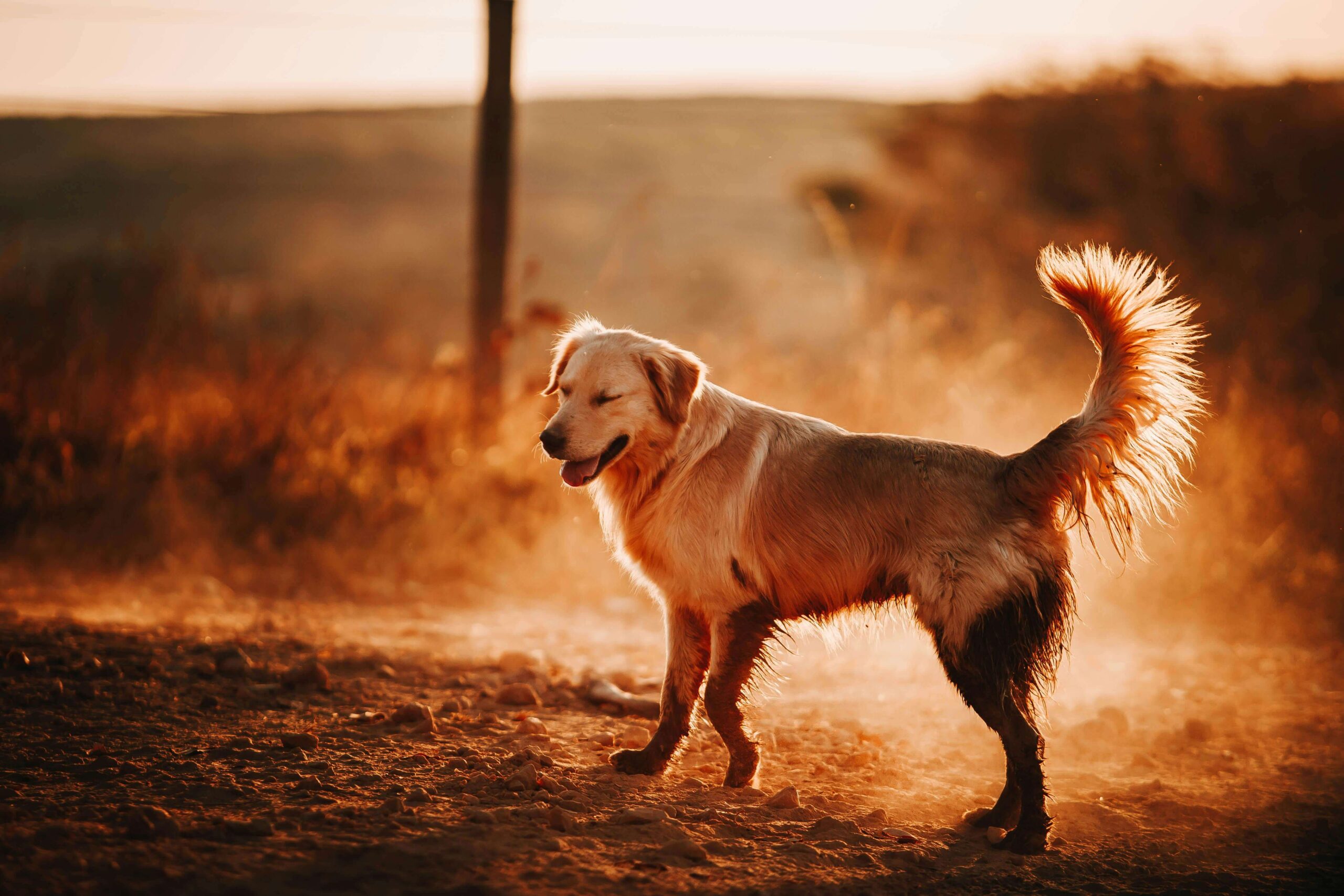
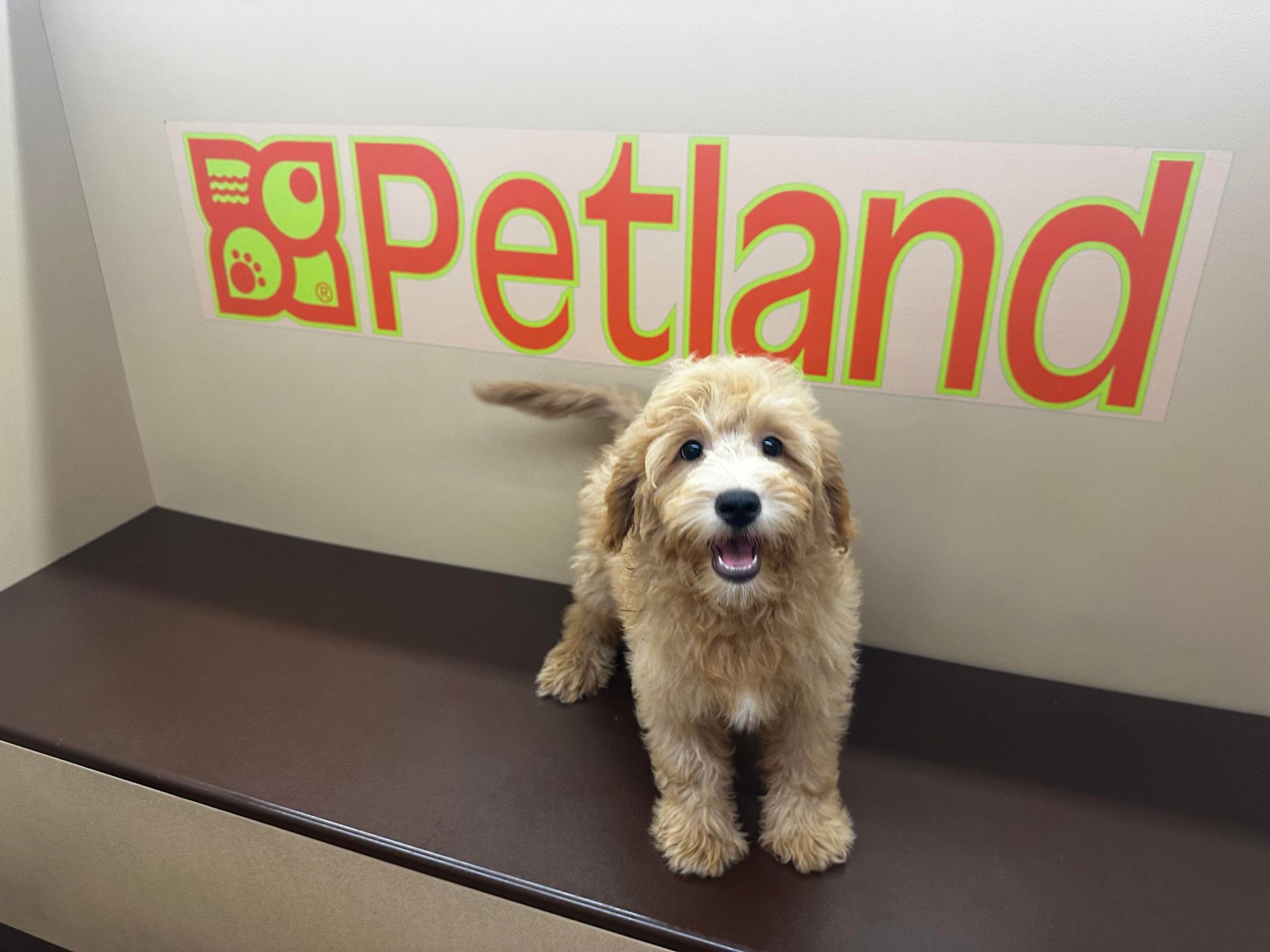
    Hi… I’m a Golden Doodle Mini and I’m going to tell you all about my adventure to a place called daycare (for human kids). At first, I didn’t know what to think when my Pet Counselor told me about the place I would be going. She said there would be a bunch of children to snuggle, cuddle and play with! I was very happy and ready…  as you can see with my lightning-fast tail waggin’ in my picture!

    Being a Petland puppy, I knew I had a job to do… and that’s to love and to be loved by all I meet! And this day was going to be no exception!

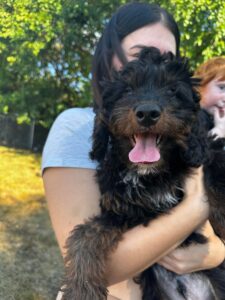
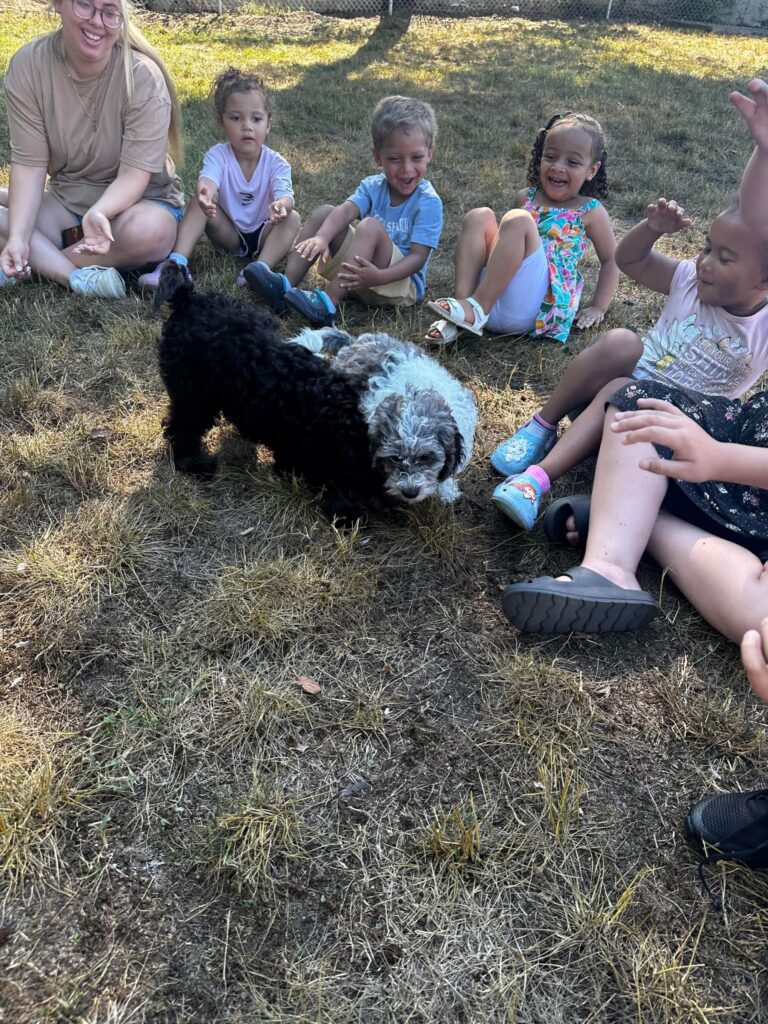
    I wasn’t nervous one dog’on bit because my kennel mates were tagging along with me… here’s my friends a Cockadoodle and Bernedoodle.

    It was a beautiful summer day with a bunch of fresh smells and butterflies floating in the wind… – Distracted puppy Alert – I almost caught one, but it was too quick for my short puppy legs.

    It was definitely a sun’s out, tongues out kind of Doodle day!

    When we arrived, we could hear the excitement and laughter as the teachers told the children to sit in a circle and shouted, “The puppies are here!”

    Wait… that’s us they are talking about!

    It was our time to shine!

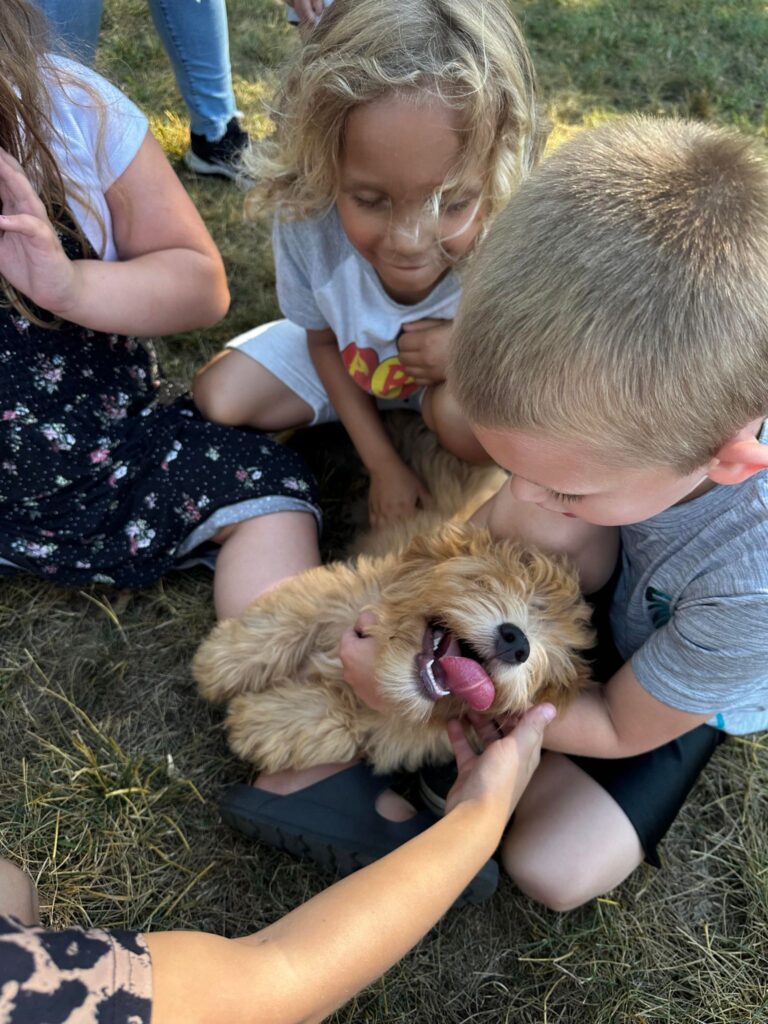
    Oh, the fun we had as we ran around and wagged our tails as fast as we could! The kiddos petted us and gave us the sweetest hugs! 

    My clumsy kennel mates and I even tumbled over each other as we raced to see who would get the most rubs!

    My friend, the Cockadoodle won!

    I was a close second and the Bernadoodle… well, he flirted with the teachers too much to care about our ruff race!

    The children were so fun to play with and they even gave me a name, Penny! They said I looked like a Penny, whatever that is?! My friends got names too… Apollo and Rufus!

    We spent the whole morning with the kids, and they told how they all had been to Petland where they love to not only play with my fellow puppies pals, but hamsters, reptiles and birds too!

    As lunch time approached for the kids, (- Distracted puppy Alert – I could smell it… they were having chicken nuggets… yum!) it was time to head back to Petland to eat a snack and take a long nap!

    Paw to heart… I swear it was the best dog’on day ever! Now on to my next adventure… finding my forever family!  

  • How to Keep Your Pets Safe from Poor Air Quality This Summer

    How to Keep Your Pets Safe from Poor Air Quality This Summer

    The summer season brings not only warmer temperatures but also the risk of poor air quality. High levels of pollutants, wildfires, and allergens can have an effect on the health and well-being of your pets. Just like humans, pets can suffer from respiratory and other health issues due to poor air quality. The following are some practical tips for keeping your pets safe from poor air quality this summer.

    Understanding the Risks of Poor Air Quality

    Poor air quality can stem from various sources, including vehicle emissions, industrial pollution, wildfires, and high pollen levels. These pollutants can cause respiratory distress and eye irritation and aggravate your pet’s existing health conditions. Animals with pre-existing conditions, such as asthma or heart disease, and brachycephalic breeds (like Bulldogs and Pugs) are particularly vulnerable.

    Recognizing Signs of Poor Air Quality Impact on Pets

    Before delving into preventive measures, it is crucial to recognize the signs that your pet might be affected by poor air quality:

    • Coughing or Wheezing: Frequent coughing or wheezing can indicate respiratory distress.
    • Labored Breathing: Difficulty breathing, rapid breathing, or panting excessively can be signs of respiratory issues.
    • Eye Irritation: Red, watery, or inflamed eyes can result from exposure to pollutants.
    • Lethargy: If your pet seems unusually tired or inactive, it could be due to poor air quality.
    • Nasal Discharge: Clear or colored discharge from the nose may indicate irritation or infection.
    • Behavioral Changes: Increased irritability, anxiety, or restlessness can also be signs of discomfort due to poor air quality.

    Tips to Keep Your Pets Safe from Poor Air Quality

    1. Monitor Air Quality

    Stay informed about the air quality in your area through websites, apps, or weather reports. The Air Quality Indicator measures the concentration of pollutants and provides a rating scale from good to hazardous. On days when the air quality is poor, take extra precautions to protect your pets.

    2. Limit Outdoor Activities

    During periods of poor air quality, minimize your pet’s time outdoors. Limit walks, playtime, and exercise to early mornings or late evenings when pollution levels are typically lower. Avoid strenuous activities that can increase your pet’s respiratory rate and exposure to pollutants.

    3. Create an Indoor Safe Haven

    Ensure your home provides a safe and clean environment for your pets. Keep windows and doors closed to prevent outdoor pollutants from entering. Use air purifiers with HEPA filters to reduce indoor pollutants and allergens. Regularly clean and vacuum your home to remove dust, pet dander, and other particles.

    4. Maintain Hydration

    Proper hydration is essential for your pet’s overall health, especially during hot and polluted days. Ensure your pets have access to fresh, clean water at all times. Staying hydrated helps maintain their respiratory function and reduces the risk of heat-related illnesses.

    5. Grooming and Hygiene

    Regular grooming can help remove pollutants and allergens from your pet’s coat. Bathe your pets as needed and wipe their paws and fur after outdoor activities to minimize the amount of dirt and pollutants they bring into the house. Keeping your pets clean also reduces the risk of skin irritations and infections.

    6. Provide a Cool Environment

    High temperatures can increase the effects of poor air quality. Ensure your pets have a cool, comfortable space to rest indoors. Use fans, air conditioning, or cooling mats to help regulate their body temperature. Never leave your pets in a parked car, as temperatures can rise rapidly and pose serious health risks.

    7. Use Protective Gear

    For pets that need to go outside during poor air quality days, consider using protective gear. Pet-friendly masks or bandanas can help filter out some pollutants, although they may not be effective against all types of pollution. Consult with your veterinarian before using any protective gear to ensure it is safe and suitable for your pet.

    8. Dietary Support

    A healthy diet can support your pet’s immune system and overall health. Consider incorporating antioxidant-rich foods and supplements, as recommended by your veterinarian, to help combat the effects of pollution. Omega-3 fatty acids, for example, can help reduce inflammation and support respiratory health.

    9. Regular Veterinary Check-Ups

    Regular veterinary check-ups are essential for monitoring your pet’s health and addressing any concerns related to poor air quality. If you notice any signs of respiratory distress or other health issues, seek veterinary care. Your vet can offer guidance to manage your pet’s health during periods of poor air quality.

    Conclusion

    As summer brings the potential for poor air quality, it is important to take proactive steps to protect your pets. By monitoring air quality, limiting outdoor activities, creating a safe indoor environment, maintaining hydration, and seeking regular veterinary care, you can help ensure your pets stay healthy and comfortable. Remember, your pets rely on you to keep them safe, and with these tips, you can make a significant difference in their well-being during the summer months.

  • Miniature American Shepherd Facts You May Not Know

    Miniature American Shepherd Facts You May Not Know

    The Miniature American Shepherd is a fascinating breed with a rich history and distinct characteristics. Here are some lesser-known facts about this breed that might pique your interest:

    Origins as a Smaller Australian Shepherd: Contrary to what the name might imply, the Miniature American Shepherd originated in the United States in the 1960s and 1970s. It was developed from a breed of smaller Australian Shepherds used in rodeos.

    Miniature American Shepherd

    Breed Recognition: The Miniature American Shepherd was recognized by the American Kennel Club (AKC) in 2015. Prior to this, the breed was often referred to as the Miniature Australian Shepherd.

    Intelligence and Trainability: This breed is known for its intelligence and eagerness to please, which makes them highly trainable. They excel in dog sports such as agility, obedience, and herding trials.

    Active and Energetic: Miniature American Shepherds require a lot of exercise. They are energetic and thrive when they have a job to do, whether it’s a sport, training activity, or regular play.

    Size: Despite their smaller size compared to the standard Australian Shepherd, they are a compact and robust breed. They typically weigh between 20 to 40 pounds and stand about 13 to 18 inches tall at the shoulder.

    Coat and Color: They have a double coat, which can be straight to wavy, and they come in a variety of colors, including blue merle, red merle, black, and red—all with or without white markings and/or tan points.

    Loyal and Protective: These dogs are known for their loyalty to their family. They can be reserved around strangers and have a protective nature, making them excellent watchdogs.

    Good with Children: With their gentle and playful nature, Miniature American Shepherds can be great companions for children, provided they are socialized from a young age.

    Health: Generally, they are a healthy breed, but they can be predisposed to certain genetic conditions like hip dysplasia, inherited eye disorders, and MDR1 gene mutation, which affects drug sensitivity.

    Miniature American Shepherds Like Horses: Miniature American Shepherds are indeed often great companions for horses! Their herding instinct, intelligence, and agility make them well-suited to farm environments where horses are present. Originally bred for herding livestock, these dogs can be easily trained to work around larger animals like horses, showing a natural ability to move and direct them without being overly aggressive or fearful.

  • French bulldog Diet Tips

    French bulldog Diet Tips

    French Bulldogs have specific dietary needs that are important to consider to maintain their health and well-being. Here are some key points to keep in mind when planning a diet for a French Bulldog:

    Balanced Diet: It’s crucial to ensure that your French Bulldog gets a balanced diet that includes proteins, fats, carbohydrates, vitamins, and minerals. High-quality commercial dog foods usually provide this balance.

    Protein Sources: Good protein sources for French Bulldogs include chicken, turkey, beef, and fish. However, some Frenchies can be allergic to certain proteins, so it’s important to monitor for any adverse reactions.

    Avoid Obesity: French Bulldogs are prone to obesity, which can exacerbate health issues like respiratory and joint problems. Monitoring their calorie intake and weight regularly is important.

    Allergies and Sensitivities: French Bulldogs often have allergies or sensitivities to certain foods. Common culprits include grains, soy, and dairy products. It might be necessary to choose a grain-free or limited ingredient diet.

    Small, Frequent Meals: Due to their compact digestive system, it’s often better to feed them small, frequent meals rather than large ones to prevent bloating and to aid in digestion.

    Hydration: Ensure they have access to fresh water at all times, as this breed can be prone to dehydration.

    It’s important to avoid foods that can be harmful to French Bulldogs, such as chocolate, caffeine, grapes, raisins, onions, garlic, and xylitol, which are toxic to all dogs. Always introduce new foods gradually and in small amounts to monitor for any adverse reactions or allergies.

    List of foods that are good for French Bulldogs.

    For a French Bulldog, choosing the right foods can greatly impact their health and well-being. Here are some good food options that are generally well-suited to French Bulldogs:

    High-Quality Commercial Dog Food: Look for brands that use real meat as the first ingredient and that don’t contain fillers like corn, soy, or meat by-products. Make sure the food is appropriate for your dog’s age, size, and activity level.

    Lean Proteins: Chicken, turkey, lean beef, and fish are excellent sources of protein for French Bulldogs. These should be cooked and served plain, without any added oils, butter, or seasoning.

    Carbohydrates: Whole grains like brown rice and barley can be good for French Bulldogs, unless they are allergic. Many owners opt for grain-free diets due to common sensitivities, choosing instead sources like sweet potatoes and peas.

    Vegetables: Non-starchy vegetables such as carrots, green beans, and spinach are great additions to a French Bulldog’s diet. These should be cooked to aid in digestion and served in moderation.

    Fruits: Small amounts of fruits like apples (without seeds), blueberries, and banana can be given as a treat. These fruits are rich in vitamins and antioxidants but should be given in moderation due to their sugar content.

    Fats: Essential fatty acids are important for maintaining healthy skin and coat. Sources like fish oil or flaxseed can be beneficial.

    When feeding your French Bulldog, always make sure that any new food is introduced slowly to avoid digestive upset and monitor for any signs of allergies or intolerances. It’s also essential to maintain portion control to prevent obesity, a common problem in the breed. Consulting with a vet about the most appropriate diet plan for your specific dog can also provide tailored guidance.

  • More People Are Switching to The Dog Harness

    More People Are Switching to The Dog Harness

    What Is a Dog Harness?

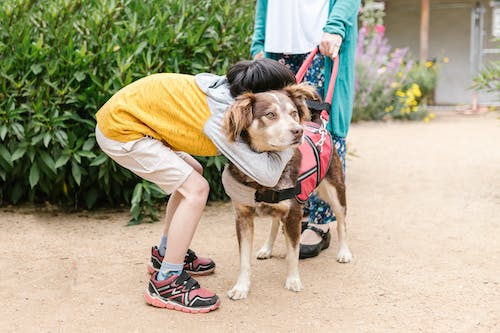
    A dog harness is a type of equipment designed to secure and control a dog during walks or other activities. Unlike traditional collars, which put pressure on the neck, a harness distributes the force across the dog’s chest and shoulders. This design helps prevent injuries to the neck and trachea, making it a safer option for dogs with respiratory issues or those prone to pulling on leashes.

    Additionally, a harness provides better control over larger or stronger dogs by giving owners more leverage. With various styles available, such as step-in, overhead, or front-clip harnesses, pet owners can choose based on their dog’s size, behavior, and specific needs.  Harnesses comes in a variety of colors and styles, so pet owners can choose the one that best matches their dog’s personality and style.

    How To Choose The Right Dog Harness

    When selecting a dog harness, it’s crucial to consider your furry friend’s comfort and safety. First, measure your dog’s chest girth accurately, ensuring the harness will fit properly. Look for adjustable straps that allow for a customized fit and distribute pressure evenly across their body. Consider the material of the harness; durable and breathable fabrics are ideal for long-lasting use. Reflective strips or bright colors enhance visibility during walks at night.

    Training Your Dog to Use a Harness

    Introducing your dog to a harness can be an essential step in ensuring their safety and comfort during walks. Begin by allowing your dog to become familiar with the harness by letting them sniff and investigate it. Next, gradually introduce the harness by placing it loosely on their back for short periods, rewarding them with treats and praise. As they become more comfortable, fasten the harness securely but not too tight, ensuring it doesn’t restrict their movement or cause discomfort. Start with short walks, providing positive reinforcement throughout. If your dog resists, try distracting them with treats or toys while walking. With patience and consistent training sessions, your furry friend will soon associate the harness with enjoyable outdoor adventures.

    More Comfort for You, too!

    Some dogs like to lead the way and pull, pull, pull. This can make a simple walk something much more challenging than it needs to be. A well-designed dog harness will allow you better control of your pup which will make things easier on you. Taking your pup for a walk should be a calm and enjoyable part of both of your days. Overall, a dog harness is a versatile and practical tool for pet owners, providing better control, safety, and comfort for your furry companion.

  • The Remarkable Acoustic Abilities of Dogs

    The Remarkable Acoustic Abilities of Dogs

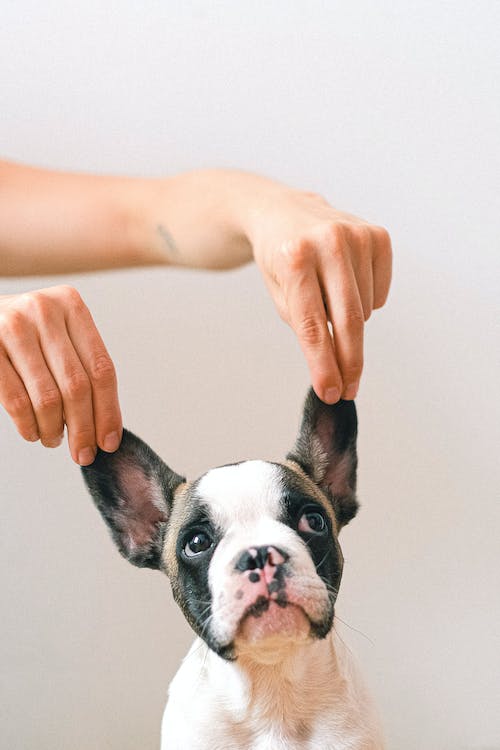
    Dogs possess an extraordinary sense of hearing, which allows them to detect and interpret sounds far beyond human capabilities. Their acute auditory system is finely tuned to perceive frequencies ranging from 40 Hz to 60,000 Hz, compared to the average human range of 20 Hz to 20,000 Hz. This wide range enables dogs to detect high-pitched sounds imperceptible to us. Moreover, dogs excel at discerning the direction and distance of a sound source.

    With their independently mobile ears and highly sensitive ear muscles, they can rotate their ears in different directions, amplifying even faint noises. Additionally, dogs possess a greater number of auditory receptors than humans do, enabling them to hear sounds at lower volumes and distinguish between similar sounds more accurately. These exceptional acoustic abilities have made dogs invaluable in various roles such as search and rescue operations and bomb detection.

    Understanding The Anatomy of a Dog’s Ear

    To comprehend the remarkable hearing abilities of dogs, it is essential to understand the intricate anatomy of their ears. A dog’s ear consists of three distinct parts: the outer ear, middle ear, and inner ear. The outer ear includes the visible flap known as the pinna and the external auditory canal. This section helps collect sound waves and funnel them into the ear canal.

    Moving inward, we find the middle ear, which houses three small bones called ossicles: the malleus, incus, and stapes. These bones amplify sound vibrations received from the outer ear before transmitting them to the inner ear. The inner ear is where sound waves are transformed into electrical signals that can be interpreted by a dog’s brain. It contains delicate structures like the cochlea, which plays a crucial role in converting sound vibrations into nerve impulses.

    Additionally, their superior hearing aids in police and military work, as dogs can alert handlers to approaching threats or hidden enemies by detecting distant sounds imperceptible to humans. Furthermore, recognizing a dog’s exceptional auditory capabilities is vital for pet owners. Being aware that loud noises can be distressing to dogs allows us to create a calm environment for them during thunderstorms or fireworks displays.

  • What Are Service Dogs?

    What Are Service Dogs?

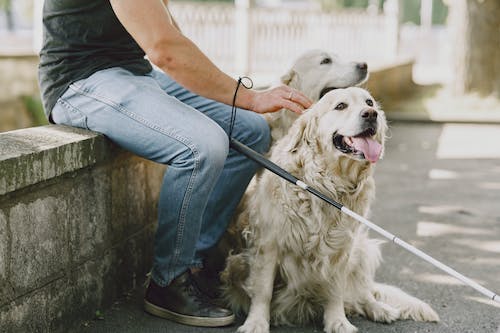
    Service dogs are well-trained professional dogs that help to those who need them. Each service dog has a specific set of skills that require training and testing to master. Service dogs perform impressive tasks such as leading the blind, assisting with day-to-day tasks, and providing comfort and companionship. Actual service dogs are backed and protected by the Americans with Disabilities Act.

    Type of Service Dogs

    Some of the most common services provided by service dogs include:

    • Guide Dogs
    • Autism Service Dogs
    • PTSD Service Dogs
    • Hearing Dogs
    • Medical Alert Dogs
    • Diabetic Alert Dogs
    • Seizure Response Dogs
    • Allergy Detection Dogs
    • Mobility Assistance Dogs
    • Medical Alert Dogs

    There are other types of service dogs, and if you have a condition that is not listed above, you may still be able to apply for a service dog.

    Common Breeds of Service Dogs

    Although service dogs come in all shapes, sizes, and breeds, the following list of dog breeds tends to be the most common. These breeds generally have very caring and outgoing demeanors with outstanding personalities. They also tend to train with ease and enjoy companionship. Most service dogs show little to no signs of aggression and have very warm and approachable demeanors.

    Labrador Retriever – A very smart and personable breed of dog that has a loving and outgoing personality.

    German Shepherd – A loyal and alert dog who enjoys the company of his family. This breed loves outdoor activity time.

    Golden Retriever – A loving and gentle breed of dog who is exceptional in all family shapes and sizes. This breed also does well with other pets in the home.

    Poodle – This breed is considered the most intelligent breed of dog in existence. They train with ease and enjoy and thrive off of human interaction.

    Bernese Mountain Dog – An alert and active dog that is known to quickly bond with his family. They train with ease and are eager to please.

    Great Dane – A large and loving dog that is known for its loyalty and caring personality. They tend to make great service dogs, especially for those who suffer from PTSD and anxiety.

    Saint Bernard – By nature, this breed is a service dog. They have a long history of helping mankind and generally have very protective and loyal personalities.

    Pomeranian – Small and lovable. This breed of dog does well in smaller homes. This breed is patient and caring and very loyal to its family. They specialize in a variety of service dog tasks.

    Boxer – This breed is alert and loyal and enjoys assisting his human counterpart. They are smart and agile dogs with great personalities.

    Border Collie – A very loving and caring dog that tends to stick by your side. This breed is also smart, which makes training easy. They are eager to please and tend to be happy when you are. They also tend to do well in households that have children.

    Is it Mandatory to Register Service Dogs?

    No. Registering a service dog is not required in the United States under law, but it is suggested. Doing so it will help to eliminate any confusion or restrictions you may run into in the future. Unfortunately, there has been a rise in fake service dogs, which is why it is essential to make sure you and your dog are adequately protected. Properly being registered will make things easier. Many private businesses have rules against non-service animals entering their establishment, which is a primary reason to have your service dog registered.

    Where Can You Register a Service Dog?

    There are a few organizations that offer service dog registration. These organizations will require that you describe your disability and or need, what tasks your dog is capable of offering, and the specific training your dog completed. These options include websites such as Service Dog Certification, United States Dog Registry, and USA Service Dog Registration. Service dogs have made a positive impact over the years and have validated the expression “man’s best friend.” Through proper training and care, the services that these amazing dogs are able to provide continue to get better and better. Doing the appropriate research before getting a service dog will help you find the best breed for your specific needs.

  • The Easiest-Going Breeds of Dogs

    The Easiest-Going Breeds of Dogs

    Dogs are often referred to as man’s best friend, known for their loyalty, companionship, and boundless energy. However, not all dogs possess the same level of enthusiasm and vigor. Some breeds are more inclined towards a laid-back lifestyle, preferring relaxation over rigorous exercise. These most laidback breeds of dogs have a reputation for being low-energy and content with a leisurely pace of life.

    Basset Hounds Are Amazing

    One such breed is the Basset Hound. With its droopy eyes and long ears, this breed is notorious for its calm demeanor. Basset Hounds were originally bred for hunting small game but have since become popular as family pets due to their gentle nature. Despite their hunting background, they would rather spend their days lounging on the couch than chasing after prey. Their short legs and heavy build contribute to their lackadaisical demeanor.

    English Bulldogs Are Charming

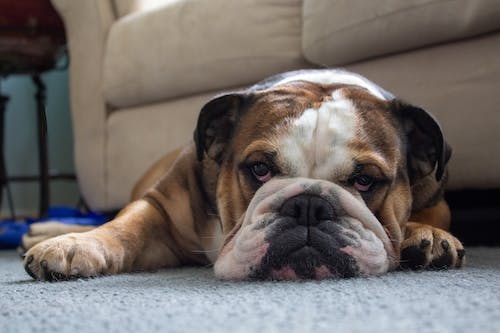
    Another breed that falls into the category of easy-going dogs is the English Bulldog. This iconic breed is known for its stocky build, wrinkled face, and distinctive underbite. Bulldogs have a calm and easygoing temperament that makes them ideal companions for those seeking a relaxed lifestyle. They are content with short walks or even just pottering around the house all day long.

    Cavalier King Charles Love Their Family

    The Cavalier King Charles Spaniel is yet another breed that can be considered one of the most laidback among dogs. These small spaniels are affectionate and friendly but also possess an innate calmness that sets them apart from other breeds in terms of energy levels. While they enjoy occasional playtime or short walks, Cavaliers are more than happy to curl up on a soft cushion or lap for hours on end.

    Don’t Forget About the Great Dane!

    Moving on to larger breeds, the Great Dane deserves mention as one of the most relaxed giants in the dog world. Despite its imposing size, this gentle giant has surprisingly low energy levels compared to other large breeds. Great Danes may require a short burst of exercise, but they are more than willing to spend the majority of their time lounging around the house. Their calm and relaxed nature makes them excellent companions for those who prefer a slower pace of life.

    The French Bulldog is Always a Safe Bet

    Lastly, the French Bulldog is renowned for its easy-going personality. These small, muscular dogs have become increasingly popular in recent years due to their adorable appearance and friendly temperament. However, French Bulldogs are not known for their athleticism or high energy levels. They are perfectly content with short walks and indoor playtime, making them an ideal choice for apartment dwellers or individuals with limited space.

    While these breeds may be considered “low energy” dogs compared to their more active counterparts, it is important to note that all dogs require some level of exercise and mental stimulation to maintain good health and prevent behavioral issues. Regular walks, play sessions, and engaging activities should still be incorporated into their daily routines.

  • First Time Dog Owners Should Consider These Breeds

    First Time Dog Owners Should Consider These Breeds

    Are you considering adding a fur-legged friend to your family? If so, this blog is for you. We have handpicked our Top-5 dog breeds based on their personality, temperament, and social skills we feel is best for first time dog owners. These pups excel in many K9 categories and have a long history of making marvelous family pets.

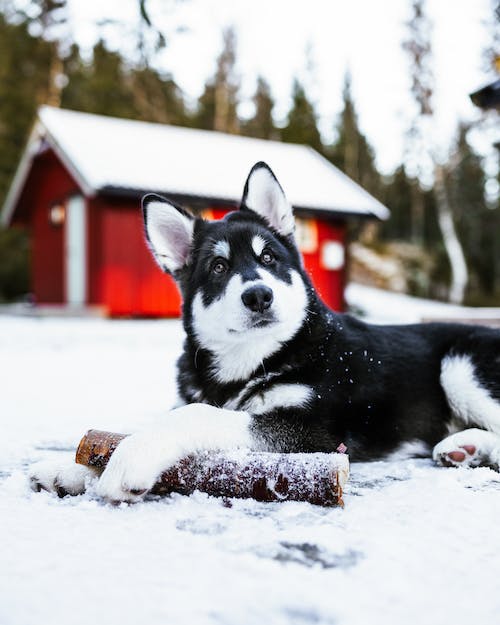
    The handsome Alaskan Klee Kais come in three sizes: toy, miniature, and standard. They have a thick double coat that requires regular grooming to prevent matting and shedding. While they may look like a miniature version of the Siberian Husky or Alaskan Malamute, they have distinct differences in temperament and size. This breed has a very warm and caring personality and they love to bond with family. Toy Alaskan Klee Kai are less than 13 inches tall and weigh just 6–12 pounds. Miniature Alaskan Klee kai are between 13–15 inches tall and weigh 10–18 pounds. Standard Alaskan Klee kai are 15–17.5 inches tall and weigh between 16–25 pounds.

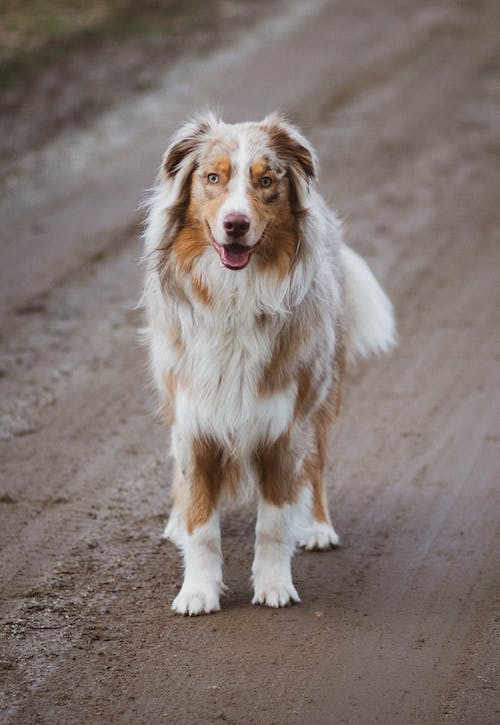
    The Australian Shepherd is a highly intelligent and loyal dog breed that has become increasingly popular in recent years. Despite its name, the breed actually originated in the western United States in the 19th century, where it was used for herding livestock on ranches. It is believed that the breed’s ancestors were brought over by Basque shepherds who came to America from Australia. This dog loves to be around his family and craves your attention. Male Australian Shepherds stand 20-23 inches tall and weigh between 55-70 pounds and females stand between 18-21 inches tall and weigh between 35-55 pounds.

    The Aussidoodle is a designer dog breed that is a cross between an Australian Shepherd and a Poodle. They are also known as an Aussiepoo or Aussiepoodle. This hybrid breed is becoming increasingly popular due to its intelligence, loyalty, and playful nature. They are quick to bond and eager to make you happy! They are a medium-sized dogs with curly or wavy coats that come in various colors such as black, white, blue merle, and red. The Aussiedoodle stands 14-25 inches tall and weighs in between 35-75 pounds.

    The Bichonpoo, also known as Bichpoo or Poochon, is a designer dog breed that is a cross between a Bichon Frise and a Toy Poodle. This breed was created in the 1990s to combine the best qualities of both breeds, resulting in an adorable and affectionate companion dog. Bichonpoos are small dogs that typically weigh between 6 to 18 pounds and stand at about 9 to 14 inches tall. They love to play and are not a high maintenance dog. They also tend to train with ease which is a plus for first-time dog owners.

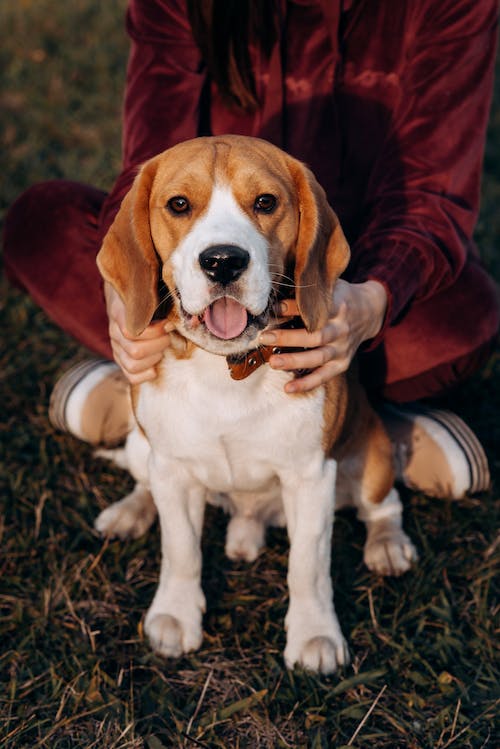
    Who doesn’t love a Beagle? Beagles are a breed of small hound dogs that were originally bred for hunting. These adorable and lively dogs have a distinct appearance with their short legs, long ears, and pleading eyes. They are known for their friendly and affectionate nature, which makes them great family pets. Beagles are highly intelligent and require plenty of mental stimulation to keep them happy and healthy. There are two Beagle varieties: those standing under 13 inches at the shoulder, and those between 13 and 15 inches. Both varieties weigh between 20-25 pounds. They can be found in pleasing colors as lemon, red and white, and tricolor.