Blog

  • How To Handle Broken Nails on Our Puppies

    How To Handle Broken Nails on Our Puppies

    Our pups love to play and, at times, can play hard. A very common injury for our pups is a split or broken toenail. These can cause pain and great discomfort to our fur-legged friends, and knowing what to do when this happens is very important. Although a very simple injury, it is one that should be treated quickly and properly.

    What Causes Dogs’ Nails to Break?

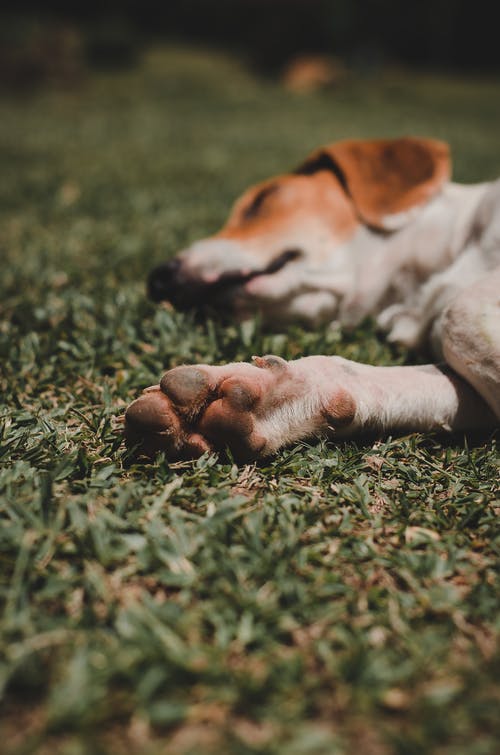
    Dogs have a total of nine toes. Five toes on their front paws and four on their back paws. Their nails grow throughout their entire life and often require trimming to keep them at a comfortable length. Overgrown toenails on dogs can cause discomfort since they are in constant contact with the ground they walk on. We need to remember that they are not just walking on a soft carpet. Outdoor terrain can be hard and rough, which can cause their nails to break and or split. Imagine how you would feel running around outside without shoes on.

    Why are a Dog’s Broken Nails Problematic?

    Our pup’s toenails should always be taken seriously, as damaged toenails can lead to greater health issues. The injury is not only painful but can limit their mobility and quality of life. Inside their nails are clusters of nerves and blood vessels. An untreated broken toenail can lead to an infection that is capable of spreading into the dog’s leg, which will require much greater medical care. This is one of the main reasons why tending to his toenails is so important.
    Nails

    How To Treat A Broken a Nail

    When in doubt, contacting your veterinarian is always recommended. If you treat the injured toenail at home, you should initially restrain your dog in a way that allows you to safely examine the injured toenail. This will help prevent you from being bit and or scratched and will make the process safer and easier. Your pup will be in pain and most likely not want you near the injured paw. If your dog’s nail is bleeding and he will allow you to touch the area, begin to address the bleeding by applying light pressure to the area. Keep the light pressure applied for several minutes and until the bleeding stops. After the bleeding is under control, apply an anti-bacterial ointment or cleansing solution to the injured area. Bleeding that does not stop after fifteen minutes should be looked at by a veterinarian. After the area is properly cleaned, allow it to air dry. Applying a bandage over the area may not allow it to dry out as desired and is a potential safety hazard should your dog try and chew the bandage. If you happen to observe a small section of the nail hanging from the area, you can attempt to remove it yourself by carefully trimming it. This should only be done if your dog is tolerating the pain and relaxed enough to allow you to. After doing so, let your dog time to relax before allowing him to run free, especially outside.

    How Long Does It Take a Dog to Fully Recover from A Broken Toenail? Although all dogs are different and all injuries vary, generally speaking, your dog will need about two weeks before his nail is completely back to normal. You should start seeing improvement within the first 48 to 72 hours. This will greatly depend on how quickly you treated the injury, the overall extent of the injury, and if your dog did not reinjure it before it began to heal. Remembering to use anti-bacterial ointments or cleansing solutions as soon as possible also helps to prevent the area from becoming infected, which can certainly set back your pup’s recovery time.
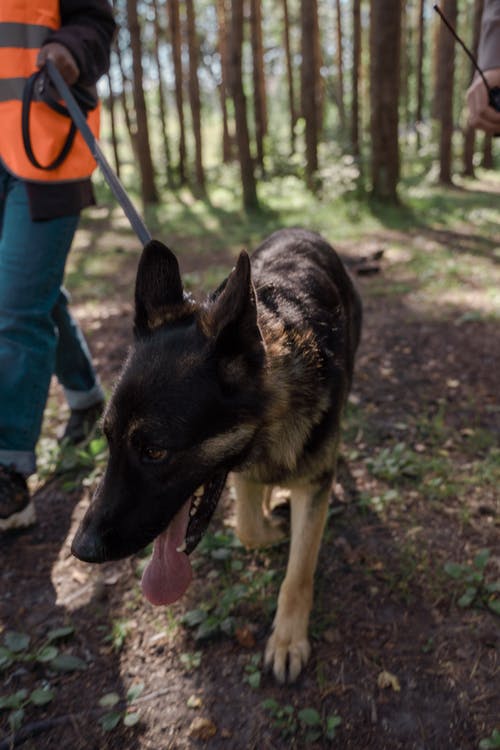
  • The Many Public Safety Jobs of Our Fur-Legged Friends

    The Many Public Safety Jobs of Our Fur-Legged Friends

    When we think of a working dog, we may envision a dog in the 1800s pulling a cart or herding sheep. Images of a Dalmatian sitting in the back of a firetruck may also cross our minds. Below are some of the more common yet impressive jobs our pups do to keep us safe.

    Most Common Types of Jobs

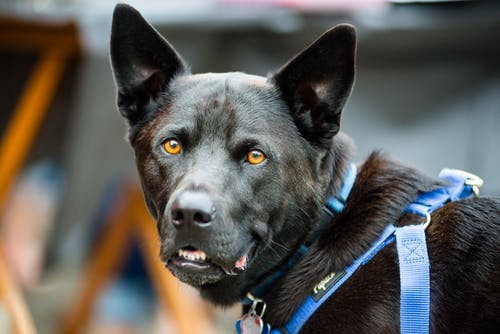
    Police Dogs / K9 Units: For generations, man’s best friend was sworn to protect and serve. Police dogs, also known as K9 units, do just that. A typical day in the shoes of a police dog consists of detecting the scents of illegal narcotics and dangerous explosives and tracking a burglar who just fled from a home. These pups are generally physically dominant and intelligent enough to train for many different stressful and demanding situations. The average career of a police dog is seven to nine years.

    Cadaver Dogs: Cadaver dogs are specially trained and certified to detect one smell in particular, human decomposition. Human-remain detection dogs are used in almost every country in the world on different types of recovery missions. Cadaver dogs can be used in general remains searches after natural disasters, such as hurricanes, earthquakes, and tornados. These highly skillful dogs are deployed after disaster strikes, and human life has been taken.

    Search and Rescue Dogs: Search and rescue dogs are crucial in locating missing people. These highly trained dogs are capable of tracking the scent of a human for many miles. They are credited with tens of thousands of human saves throughout their existence. The dog does not actually follow the person they are looking for, but the physical scent the person leaves behind. A dog’s nose has over 200 million scent receptors in it, making them the perfect candidate for tracking a scent. As the scent enters their nose, special receptors read the scent, which allows the dog to identify what he or she is smelling. The dog’s ears are also very important in scent detection and help to circulate the air/scent from the ground to their nose.

    Explosive Detection Dogs: Explosive detection dogs have one job. To detect the presence of explosive material. You will find many of these dogs in areas that accommodate a lot of people. Hotels, subways, airports, sports stadiums, outdoor marathons, etc. When one of these dogs locates the scent of an explosive device, he will stop in front of where the scent is coming from and alert his handler. These dogs are credited with preventing many large-scale casualty incidents, many thanks to their incredible noses!

    Medical Dogs: Yes, you read that right. A medical dog. In the spring of 2020, the Working Dog Center at UPenn’s School of Veterinary Medicine started training Labrador Retrievers to sniff out COVID-19. In the past, dogs have also been trained to smell various other diseases and medical conditions in humans, such as cancer and even Clostridium difficile (C. diff), a dangerous bacterium that is transmitted through feces.

    Truffle Hunting Dogs

    Truffles grow underground near specific types of trees, and for centuries pigs were used for hunting these special delicacies. These treats are sought after but not easily found. The most suitable truffle hunting dogs are the Pointer, Lagotto Romagnolo, Spinon, Hound, and Jack Russel Terrier.

    What Makes a Good Working Dog? A good working dog needs to be both smart and dedicated. They need to be able to focus on what their job is without becoming distracted. Not every working dog needs to be physically dominant. A good working dog does not just train with ease but has the ability to enter “work mode” on command. Working dogs have served humanity very well over history and have become a vital part of our day-to-day living.

  • Is Your Dog Getting Enough Exercise?

    As the saying goes, an object in motion stays in motion. That could not be any truer when it comes to our dogs. Exercise is a key ingredient in keeping our pups looking and feeling their best. There are many ways for our fur-ever friends to get their daily amount of required exercise.

    Indoor Versus Outdoor Activities

    Exercise is exercise. The key is keeping your pup moving which helps to speed up his heart rate, use all of his muscles and burn calories. Most pups enjoy the smells and looks of nature but on certain days (heavy rain, lots of snow, or extremely hot weather) indoor activities can be just as fun and beneficial.

    Basic Outdoor Activities

    The most common basic outdoor activities include a brisk walk, a fun game of fetch, or play wrestling with your dog. Dogs love human interaction and when fun is mixed into it allows for a better experience. It also provides a very good bonding experience which dogs naturally tend to seek.

    Basic Indoor Activities

    Some fun basic indoor activities include tug-of-war, hide and seek, and learning new tricks. Although these types of activities are not as active as outdoor activities, they will still allow your four-legged friend to burn extra energy and keep mentally alert. Remember, activity time is not just to stay physically fit, but mentally sharp too.

    How Many Minutes A Day Should I Spend Exercising With My Dog?

    Although every dog is different, one thing most people agree on is each dog should be on the move for at least thirty minutes a day. Certain breeds, like Retrievers, Spaniels, Collies, Pointers, and German Shepherds require more activity time than breeds such as the Bulldog, Basset Hound, Shih Tzu, Pug, and Chihuahua. Although each breed is different, thirty minutes a day is a relatively good goal to strive for. If your dog seeks more playtime, go for it!

    Dog Exercise

    Frequently Asked Questions

    How Do I Know If My Dog Reached His Activity Limit?

    It is normal for dogs to pant while running and playing but this is a sign they are getting tired. Watch your pup’s tail. Is it wagging or straight down while he’s playing? A wagging tail is generally a sign that your dog is content, comfortable, and happy. Consider breaking the play time up into intervals and allow your pup to sit or lay down for a few minutes every fifteen minutes or so. This will also give you a small break to catch your breath too!

    Will My Dog Overheat?

    Heat exhaustion certainly is something that every dog owner needs to watch for. The most telling symptom of heat stroke in a dog is excessive panting. Other common symptoms may include general signs of discomfort, excessive drooling, reddened gums, vomiting, diarrhea, mental dullness or loss of consciousness, uncoordinated movement, and collapse. Should your pup ever reach this level immediate medical care is needed. The key, however, is to monitor your dog while outside playing before he begins to overheat.

    What Can I Do to Keep My Dog Feeling Good During Activity Time?

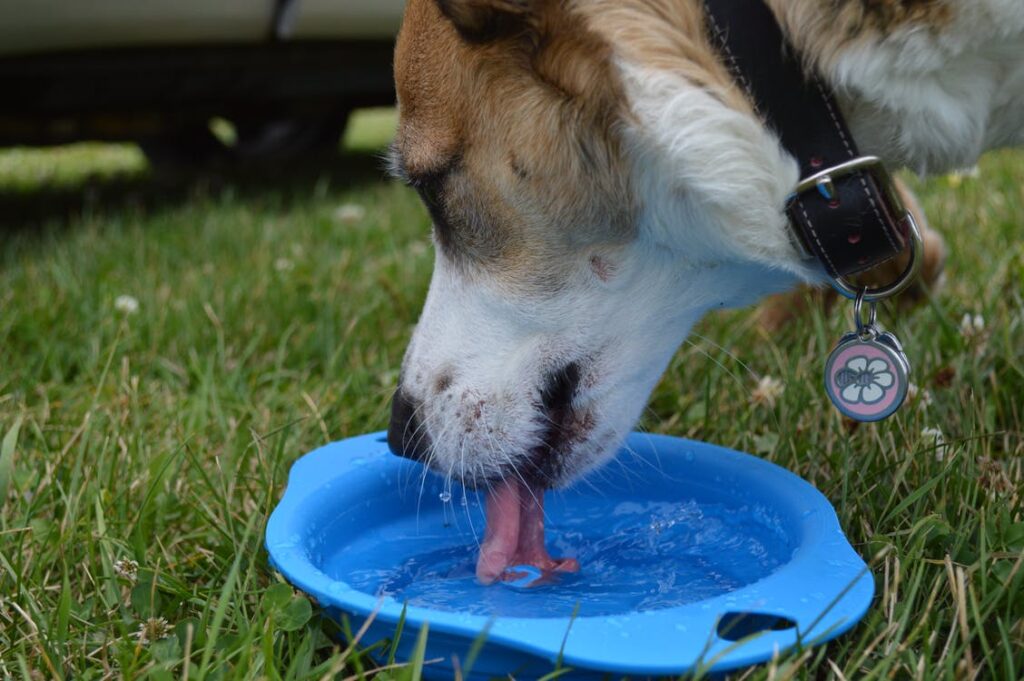
    Fresh water! Water is essential as it hydrates your dog and helps to keep him cool. Although providing him with water during activity time is very important, making sure he is properly hydrated before and during activity, time is also necessary. Don’t wait for your pup to show signs of dehydration before giving him a refreshing bowl of water.

    Is Activity Time in Cold Weather Safe?

    Outdoor activity time in the cold is safe, however, proper precautions should be taken. A very overlooked aspect of this has to do with what we focus on in the warm months, hydration. During the cold winter months, the humidity levels in the atmosphere are much lower. With the lower humidity, your dog can easily become dehydrated if he or she is not drinking enough water. Keeping your dog bundled up, preferably with an insulated dog sweater is a great start. Properly sized dog shoes also will also help to keep his paws warm and dry. You wouldn’t want to walk outside on snow or ice without protection and neither does your pup!

    Practice Makes Perfect

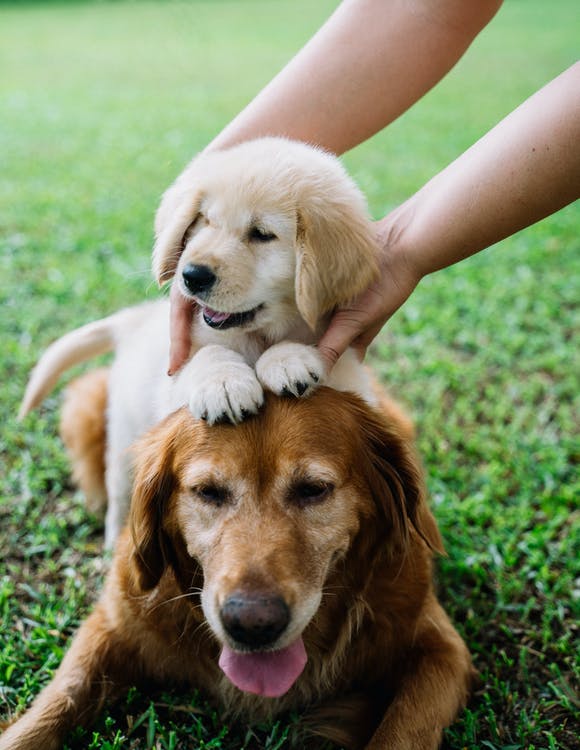
    Establishing a good routine for your dog while he’s still a puppy will allow him to grow into a healthy and active adult dog. Forming good habits at a young age will also help to assure many years of feeling and looking great. Take the time each day to show your pup why he’s known as man’s best friend!

  • Tips For Taking Your Dog on Vacation

    Tips For Taking Your Dog on Vacation

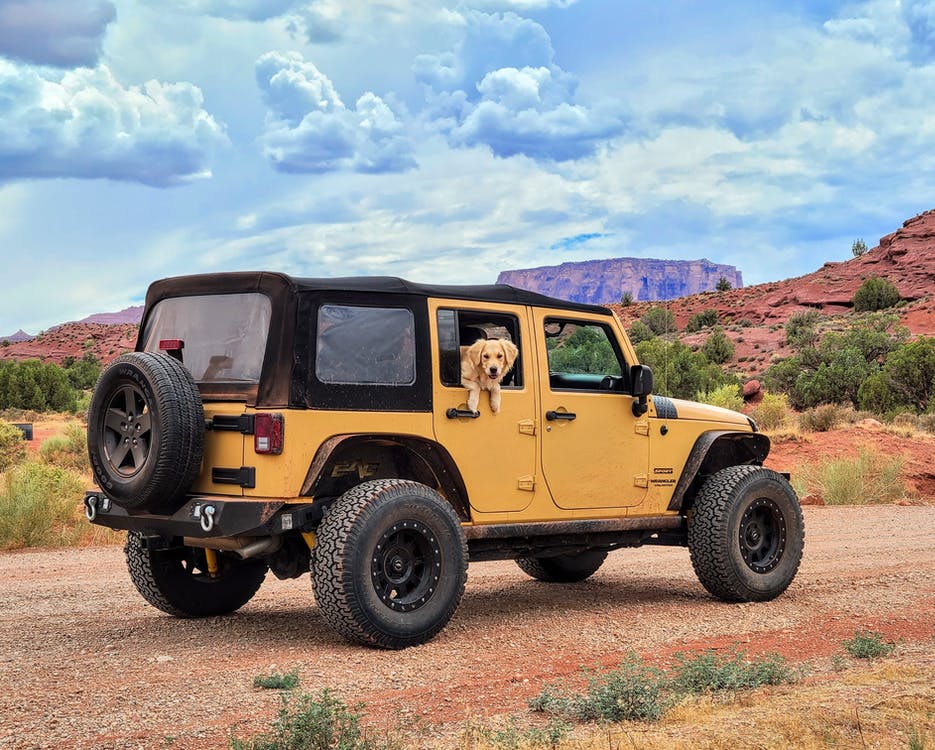
    It’s that time of the year when many of us take our annual vacation. For those of us who plan to bring our fur-legged friend on vacation, it is wise to plan ahead to ensure your pup has an enjoyable experience. Whether it be a road trip or a flight, proper planning will help make your vacation easier and safer for your dog.

    Road Trip Vacations.

    Traveling with a pet by way of motor vehicle involves more than just having him hop in the back seat and taking off. This, especially if you will be driving for an extended period of time. Here are a few car travel safety tips to help you prepare for a more enjoyable and comfortable journey.

    Prepare, prepare, prepare. For first-time dog travelers, a good way to get your dog accustomed to long road trips is by taking him for shorter trips ahead of time. Building up his tolerance to car rides before taking him on a long trip is a good way to start.

    If you are traveling to another state, it is a good idea to bring a copy of your pup’s vaccination records. Each state has its own set of animal laws, and having a copy of these documents readily available will save time and effort should they be needed.

    Have a pet travel kit prepared before leaving. Inside this kit include a few of your pup’s favorite toys, a leash, a collar, a small backup bag of dog food, and a few bottles of drinking water. For dogs who prefer to ride on the car’s seat versus in a crate, consider a properly sized safety dog harness. Buckle up for safety!

    It is also important to make sure to double-check your dog’s identification tag on his collar. If in the event he escapes your care, the person who finds him will be able to more easily identify who he is and who to contact. You should also take into consideration your pet’s potty needs. If you plan to pull off of the roadway to allow him to do his business, make sure you have disposable waste bags and a disposable container to put the waste bags in after use.

    Traveling By Air

    Air travel is certainly a quicker method of transportation but much more stressful for your dog. It will require him to be away from his family and in a crate in a different and loud environment. Many dogs do not handle air travel well and this form of transportation for them should only take place if absolutely necessary. Below are some travel tips for dog owners who plan to fly their dogs.

    Book a direct flight to your destination if possible. This will allow your dog to get situated in one area versus having to be transported from plane to plane. It will also limit the amount of time he has to be in a crate and away from his family.

    Consider purchasing a USDA approved dog transportation crate. The crate should be large enough for your pet to comfortably stand, turn around and sit in. Inside the crate, include one of your t-shirts. Your pup will be comforted with this due to him being able to smell your scent while he is away from you. Be sure to secure at least two forms of identification on this crate which include your name, phone number, and address. Make sure your dog doesn’t overeat leading up to the flight. Chances are the flight will cause him stress and an upset stomach could lead to vomiting and or diarrhea.

    Tips For Keeping Your Dog Safe After You Arrived

    Scope out the area where you are staying before letting your pup explore. Certain destinations will have areas designated just for dogs to play in. Be sure to keep him well secured on a leash and collar and be mindful of other dogs in the area. Remember, not all dogs are as friendly and outgoing as yours. Even though you are all on vacation and most likely taking the day as it comes, try and keep your pup on his routine feeding schedule. This will allow him to feel a sense of normalcy and better his chances of keeping his outdoor potty time schedule the same.

  • Benefits of Doggy Daycare

    Benefits of Doggy Daycare

    Our pups’ desire for mental stimulation is just as strong as it is for physical stimulation. For many dog owners, our 9:00 – 5:00 job prevents us from spending forty-plus hours a week with our pup. Over the course of one year, that’s over 2,000 hours. Imagine being home alone with no one to talk to or interact with for that long? That is not even taking into consideration the hundreds of other hours we are away from home for other responsibilities. A solution that millions of American dog owners found to help keep their fur-legged friends happy is doggy daycare. These daycare centers continue to become more popular because they really are beneficial to dogs for many reasons.

    What Exactly is a Doggy Daycare?

    A doggy daycare is a professional facility that welcomes your pup when his owner is away at work, on vacation, or just in need of some downtime. These facilities generally have a daily sitting fee, and their staff will show your pup the attention he’s looking for. The dogs that attend these daycares spend hours of time interacting with each other and forming bonds with other dogs. From playing fetch to walking to just snuggles, the facility staff treats your pup as their own for the day.

    They’re Not Just for When You Are Busy

    Although there are many good reasons to allow your dog to visit a doggy daycare, here are the three most important reasons.

    1. To build your pup’s socialization skills. Many pups don’t have other dogs to play with or interact around. Although they love their human best friend, they do well around other dogs. By introducing them to other dogs at a doggy daycare, they tend to show less aggression, lower rates of anxiety, and less fear towards dogs outside of the facility. Your pup will actually look forward to seeing other dogs as socialization is a very natural desire for your pup. Beginning socialization at an early stage in your dog’s life is highly recommended.
    2. Exercise! We all know the importance of getting your pup’s thirty minutes of daily exercise time in, but after a long day at work, sometimes we are just too tired to take that brisk walk with our dog. Doggy daycares will provide plenty of off-the-leash exercise time for your dog, which will not only make him happier but your evening more relaxing.

    3. It’s fun for your pup. Remember as a kid the enjoyment you would get going to the playground and burning off steam? It’s the same for your dog.

    Are All Dogs Meant for Doggy Daycare?

    Most dogs are; however, some should not based upon a few things. If your fur-legged friend is overly anxious, very nervous, or sensitive to sounds, such as barking, this may not be a good idea. As noted above, it’s similar to the playground we went to as children. There’s a lot of action and excitement there, and overly sensitive or older dogs may not find this fun. If your dog tends to be of an aggressive nature, this is not for him. Some dog breeds naturally are more aggressive than others. If your pup can’t play nice, he will have a hard time fitting in with the other pups.

    What to Bring

    Many doggy daycares will want you to provide them with your pup’s food and broken down into individual serving sizes. Any daily medications that your dog takes will also need to be brought along. Before they accept your dog, you will need to show vacination records and or other documentation which will help them assure your dog is healthy and safe to be around other dogs.

    How to Tell if a Particular Doggy Daycare is Safe.

    When you tour the facility, inspect the areas for cleanliness. Inquire about their licensing and speak to other dog parents who are dropping off or picking up their dogs. It is also a wise idea to look online and read reviews and comments about the facility. Have there been any major issues? One of the best tell-tail signs (no pun intended) is to look at the other dogs. Are they excited and happy while at the facility?

    At The End of The Day At the end of the day we are really doing this to make our fur-legged friend happy. The social interaction and playtime he will receive is something that he will love you for. Our pups are truly a part of our family and when they are happy we are happy. If you have considered a doggy daycare take the time to find the right one for you and your pup. Your dog will thank you for it!

  • What Is a Dog Allergy?

    What Is a Dog Allergy?

    Dogs with an allergy have an immune system that overreacts and produces antibodies to substances that it would normally tolerate. This over-response is known as an allergic or hypersensitive reaction. Allergies can develop to any substance that a dog is frequently exposed to, such as food, fleas and seasonal environmental allergens such as grass or pollen.

    What Are the Symptoms of Dog Allergies?

    Although there are many symptoms, the most common symptom associated with dog allergies is itching of the skin and ears. In certain cases, the symptoms also involve the respiratory system which causes coughing, sneezing, and or wheezing. Some pups will also experience runny discharge from the nose and mouth. In more serious cases, allergies are known to affect the digestive system, resulting in anal gland issues, vomiting and diarrhea.

    Do Most Dogs Suffer from Allergies? 

    Unfortunately, allergies are very common in dogs. They affect dog breeds of all shapes and sizes. In most cases, allergies appear around the pup’s first birthday, however, can appear as early as six months in age. 

    Food Allergies in Dogs.

    Food allergies make up between ten and fifteen percent of dog reported allergy cases. Known symptoms of food allergies in dogs include chronically soft stool, chronic anal gland inflammation, compulsive itching, vomiting, and chronic ear infections. There is a difference between your fur-legged friend reacting to something that didn’t agree with his stomach versus an actual allergic reaction. A onetime upset stomach after eating a certain food isn’t cause for great concern, however, if your pup gets “sick” or shows signs of an allergic reaction after eating the same type of food he may be allergic to what he is consuming.  In an allergic reaction to food, special antibodies are produced against a part of the food’s protein or complex carbohydrate. Since the production of these antibodies is required for an allergy to develop, food allergies usually manifest after eating the same food for an extended period of time.

    Best Way to Test My Dog For Food Allergies? 

    There are not many reliable allergy tests for food allergies. Blood and saliva tests that claim to detect food allergies have not yet proven to be completely accurate. Before going this route, the “food trial” method is what many dog owners use. This consists of a very basic and limited-ingredient diet with a novel protein that your pup has never ingested before. Feeding your dog a source of protein such as venison versus beef or chicken is an example of this. This “trial” will allow you to add one ingredient at a time until you see your dog react. It is at that point you can point out which ingredient caused the allergic reaction. This does take time though and a lot of patience.

    Flea Allergies Are No Fun.

    There are a variety of anti-flea products on the market that will help combat these pesky creatures. A good indication that your dog has fleas is excessive scratching, normally in a generalized area. Your pup’s skin (under his fur) may be red and inflamed which is certainly painful. Should you suspect a flea allergy, it is always wise to contact your veterinarian for guidance and information. 

    Treating Dog Allergies

    Since each dog and each allergy is different, there are a wide variety of dog allergy treatments available. It is always suggested to keep in contact with your veterinarian who can recommend and adjust treatments. Generally, the levels of treatment are based on what your dog is suffering from. Keeping a journal of your dog’s symptoms and what he did or ate before the symptoms arrived is also something that will allow for a better plan of action.

    The Most Common Types of Dog Allergy Treatments 

    Anti-itch medication: Daily oral or monthly injectable medications that block itch pathways inside your dog. 

    Medicated liquid shampoos: This will allow you to keep your pup’s skin barrier healthy by keeping allergens from forming on your dog. 

    Antihistamines: These are used for breathing symptoms such as sneezing and also help to stop a runny eye or nose. 

    Hypo sensitization: A very fancy word for an allergy shot which can be administered by your veterinarian.

    It’s A Part of Being a Dog Owner Although dog allergies can be frustrating, at times, it is a part of owning a dog. After all, our pups are living creatures who experience the same physical ailments that we do. By taking a proactive approach some allergies can be prevented. Allergies that cant are able to be controlled 

  • Are Your Dogs Ready for the 4th of July?

    Are Your Dogs Ready for the 4th of July?

    The 4th of July is incomplete without festivities and fireworks. While your dog may be fine with the festivities, and maybe even have a great time, they may not be prepared for the fireworks. 

    This is because the bright flashes, loud sounds coming from multiple directions and the not-so-pleasant smell of explosives can be a lot to take in. 

    As a result, it is important to prepare your pet for fireworks, and also, recall the festivities? Some foods may not be appropriate for your pet, and we would cover that here as well. 

    Preparing Your Dog for Fireworks

    First off, it is as good an idea as any to keep your dog away from fireworks altogether. However, if this is virtually impossible, then here are some tips that can help keep them calm:

    • Desensitize Your Dog: this involves getting them used to fireworks. You could play fireworks videos from time to time and give your pup treats and toys during. This allows them to create positive associations. 
    • Create a Safe Space for Your Pet: this could be their crate or any space they go to hide when they are scared. 
    • Provide Distractions: if your pup doesn’t scare very easy, then toys or tasty treats may keep them distracted sufficiently.
    • Close the Blinds: this action prevents them from seeing the flashes that may instill even more fear. 
    • Exercise Your Pet: exercising your pet would help tire them out and reduce their energy and anxiety levels. 
    • Stay Home: if you can, by all means do stay at home. Having a familiar face and presence around would do wonders for their confidence. 

    Do Not Eat List for Dogs 

    If you would be having a BBQ, here’s a checklist of some foods that your pet shouldn’t have access to: 

    • Meat bones
    • Alcohol 
    • Fruit platters 
    • Snack bowls 
    • Dessert table
    • Raw meat

    Conclusion 

    You would definitely have a more pleasant celebration when you know that the welfare of your pet is in check. 

  • Preparing Your Dogs for the 4th of July

    Preparing Your Dogs for the 4th of July

    Fireworks like the 4th of July! The 4th of July can be a pretty busy holiday and if you would be hosting, then you would need to prepare ahead for your pets. Here are some tips that would help your preparation along: 

    Prepare them for People  

    This goes both ways. First, you need to ensure that your pet is well socialized and would not get skittish and aggressive when around people. In essence, this is something you need to have determined previously. Also, be sure to notify your guests about your pet in the event of any of them having allergies and so that they are prepared, generally. 

    You might have to keep your pet in their crate if they get too stressed, and so you should have that ready. 

    Prepare them for Fireworks 

    Fireworks can startle your pet significantly and possibly even cause a panic or anxiety attack. 

    Fireworks and dogs do not go together because of the flashing lights, loud bangs, and the unpleasant smell that results from combustion of explosives. Also, given that the fireworks would be coming from different directions, your dog may have a hard time comprehending what is happening. As a result, it is best to keep them away from it. 

    Prepare them for BBQs 

    BBQs imply roasted meat and the aroma is no doubt going to have your dog hanging around the grill. If you know that your dog is well trained and would not be naughty, you could leave them to hang around. Otherwise, it is best to keep them in a different space. Of course, be sure to reserve their share so that they get a feel of the 4th of July celebrations. 

    Conclusion 

    If your dog would not be on a leash, ensure that they cannot run away with the people coming and going and the gates opening up so frequently.

  • Summer Night Activities for You and Your Furry Best Friend

    Summer Night Activities for You and Your Furry Best Friend

    Summer nights are warm and beautiful and are a perfect time for some outdoor activity. Rather than spending some alone time, how about some excellent bonding time with your pet? There are a bunch of activities that are pet-friendly and you would absolutely enjoy. If you’re looking for ideas, here goes: 

    Bonfires 

    Lighting up a bonfire in the backyard with the twigs crackling and flames leaping sounds just about magical. You could sit around the fire with your pet and just enjoy this enthralling image. Alternatively, you could grab some snacks and just laze around. It goes without saying that you should keep an eye on Buddy so that he doesn’t go too close to the fire. 

    Outside Movie Nights 

    This requires little to no major setup. Simply use a screen or even your laptop, select one of your favorite movies, grab some snacks for you and Buddy and cosy up for the night. 

    The night sounds and lights combined with the setting of your movie makes for an amazing experience that you and Buddy are bound to enjoy. In addition, you can pull this off with little to no planning. 

    Visiting a Local Restaurant Patio 

    The first step here is to locate a pet-friendly restaurant that you would love. 

    Up next, since you would be doing a lot of lounging, be sure to have walked your pup so that they have low energy levels later that night. Following these, be sure to bring along water and toys. Enjoy your bottle of wine and take in the sounds of nature which no doubt sounds like an amazing experience. 

    Conclusion 

    Summer night activities are a good number and you can choose to do those that work for you. Be sure to keep an eye out for your pet’s welfare all the time. 

  • Let’s Talk About Leash and Harness Training

    Let’s Talk About Leash and Harness Training

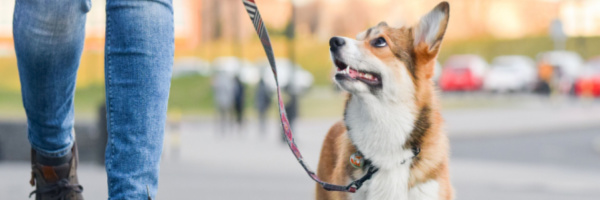
    Leash and harness training is an essential aspect of training your pup and generally goes easier when it is started very early. There are a number of benefits associated with starting training early in your pup’s life. 

    A major one is the fact that it facilitates good behavior. Walking on a leash helps your pet to inculcate lessons in discipline, cooperation, and obedience. In addition, learning this early can set the foundation for learning picking up other instructions along the line. 

    For instance, your pet would likely be more responsive to learning skills like heel, behaving appropriately to other individuals and dogs who are walking together, as well as navigate a crowd with you politely without causing any trouble. 

    In order to get your pet this well-trained, repetition is a vital aspect of this training. Constant practice with lots of positive reinforcement and praise could go a long way in ensuring that your pet picks up these lessons fast. 

    Typically, you should not be walking your pup outdoors until they are around 12 weeks old, and have received all the necessary vaccinations. So, if your pup comes home earlier, you don’t necessarily have to start right away. You could wait until they are around 10 weeks old before you begin to leash and collar train. 

    A flat collar is ideal for wearing everyday and carrying the ID tag, however, many experts recommend using a harness alongside a leash for your pet. This is in the event of situations that could result in your pet pulling on the leash. With the harness in place, they would not experience any major strain against the neck. 

    Conclusion 

    Leash and harness training requires a lot of patience as well as a gentle hand. Be sure to praise effusively when your pup is getting it right and correct slowly otherwise.