Category: Petcare

  • Pet First Aid; You Should Know This!

    Dogs have a very inquisitive nature and danger is a strange concept. Some strange object? They’re chewing on it already. This makes for a possibility of potential physical harm. Sometimes, minor emergencies might arise and all you need is basic knowledge of pet first aid. 

    So, here is some essential pet first aid information that you should know: 

    1. Noting the signs

    There’s a possibility that you didn’t see what happened, and this is why noting signs is essential. For starters, you have to know your pet’s regular behavior. If he’s acting out of character, then there might be something wrong and you should start probing. Factors like a sudden change in appetite, smell, or behavior can indicate something out of the ordinary. 

    Furthermore, a sign like gasping or panting, could imply airway blockage, throwing up could indicate food poisoning, and so on. 

    1. Checking For a Pulse 

    Just like it is in humans, knowing how to check for a pulse in your pet is essential. The upper third of your pup’s thigh region is the best place to check. Simply curl your hand on the thigh and squeeze gently from underneath. The artery which transports oxygenated blood should be pulsing. 

    It is advisable to use any finger apart from the thumb for this because the thumb has a strong pulse too, and may affect the accurate gauging of your pet’s pulse.To get the number of beats per minute, simply time the pulse for 15 seconds and multiply this by 4. 

    1. Muzzling Your Pet 

    When a dog is frightened or in pain, they might likely bite. Muzzling your pet is something you should be able to do. 

    However, if your pet is panting, muzzling is out of the question, since they need that air source. Since he’d most likely be on the floor, gently approach and encourage him to place his nose in the muzzle. Once that’s done, clip the muzzle on and ensure that it is snug. Not too tight, but not so loose that he can pull it off.  

    1. Dealing With a Choking Hazard 

    A choking hazard can successfully block your pet’s airway and prevent him from breathing easily. Some clear signs of choking or airway obstruction include extreme distress, apparent choking sounds, continuous coughing and he may also rub his face along the ground. 

    The easiest way to dislodge a potential choking hazard involves two simple steps:

    • Suspend your pet in the air upside down, holding up their back legs. 
    • Note the area where the ribs end and the abdomen starts, and then firmly deliver a blow to that area. 
    • Repeat that about four times. 

    Another method is the Heimlich maneuver

    1.  Transporting Your Dog 

    A major section of pet first aid entails carrying your pup the proper way. When transporting your pup,

    • Slide your dominant arm gently underneath your dog’s chest and let it remain between his front lungs. 
    • Lift him gently, and let his backside cozy between your arm and body, for extra support. 
    • Place your dominant arm behind his back legs, and use your other arm to wrap and support the front of the chest. 
  • Fun Games to Play With Your Pup This Summer

    Summer calls for spending a lot of time outdoors. The garden comes alive and everywhere looks so beautiful. There are new smells and you definitely want to give your pup a feel of this “happiest time of the year.” Your pup loves nothing more than playing with his favorite human, and we understand that. 

    So, here are 5 game ideas that you can explore in the backyard, the garden, or the park:

    1. Frisbee 

    This feels like an upgraded version of fetch because Fido would be chasing over longer distances. You know how much he loves to fetch, so you can imagine how much more fun Frisbee would be for him. This game also aids agility and is a great way to exercise. If you’re only just starting out, use a soft disc instead of regular hard plastic frisbees. Fido might get a couple of hits in the face when getting the hang of the game, and a hard frisbee in the face can discourage him from continuing. 

    1. Hide and Seek 

    Bring Fido’s tracking and sniffing skills to the fore with a game of hide and seek. You could even recruit family members so that it’s a lot more exciting. Hide in a secluded spot and call out to him to find you. The longer it takes, the more exciting it is for him. To increase excitement further, you could have multiple family members calling out at the same time. As he gets better at tracking everybody down, you could raise the bar on the challenge. Let’s see how Fido aces this tracking test. 

    1. Tug of War 

    The excitement in Fido’s eyes would be almost palpable, and this is a guarantee. Tug of war is one of the games that pups love the most. The main reason, of course, is the fact that you’re trying to get something from them. They have a natural back and forth tugging instinct associated with getting food. Therefore, their natural instincts kick in here. To play, a rugged stuffed toy or strong rope toy works fine. Just ensure that it isn’t fraying so that your pet doesn’t ingest string.  

    1. Treasure (Treats) Hunt

    This is a great way for your pup to have fun, and be rewarded with his favorite treats at the end. Hide his favorite treats all around the garden, in different locations, and of course, the smelly ones. So, he has to track down all of these treats while the smells pleasantly assault his senses all over the garden. You can change hiding places from time to time while he’s at it, making the game extra fun. 

    1. Water Games

    A hot day out in the garden goes beautifully with water games. You could use a kiddie pool filled with water and allow your pup to go crazy. If you have a pool, and Fido can swim, this works just fine too. Also, you could visit a pet-friendly beach and watch him splash around in the waves. A game of fetch with a ball would fit in just nicely into the mix too.  

  • 7 Best Gift Ideas For Your Pup

    Your fluffy BFF loves your undying attention and love, no doubt about that. But once in a while, it would be nice to spoil them with gifts that show appreciation for  their goofiness and support. Honestly, it’s actually a cute moment of bliss to see Lucky get excited over new toys.  

    If you need the inspiration to shop for the special pooch in your life, or even to gift a dog-lover, this ultimate guide will assist you to pick the best. 

    Here are 7 cool gifts you can give your dog this season… because you’re a cool parent:

    1. Fluffy Blankets

    One item we would recommend getting for your fur baby is a fluffy comfy blanket. Every dog likes to curl up in something comfy, so this should be at the top of your list. Make sure you get blankets that are machine washable because…they WILL get dirty. 

    1. Smart Dog Collar

    Gifting your dog a smart collar will help you monitor your dog’s activity. Some even come with the feature of allowing you to compare it with the other pets in the neighborhood. You can also track down his location through GPS technology and create geo-fences around specific Keep-Out Zones. Hence, you can get alerted when your pup leaves a ‘safe zone’.

    1. Grooming Shampoo

    Who wouldn’t like their fur looking all silky and shiny? We know your pup would. Treat him to a luxury shampoo and conditioner that not only keeps him clean but leaves him smelling like bursts of sunshine.

    1. A Portrait 

    Wouldn’t it be incredible to buy your pet a pretty nice portrait? You’re probably thinking that your pup doesn’t have an eye for art. However, it doesn’t have to be Rembrandt. There are a number of various options, and a pretty good idea could be a picture of a dog sipping tea or holding a cigar in a tuxedo. A pretty hilarious image, and fitting gift too!

    1. Food Puzzles

    Do you want a challenge for your smarty pants pup? Then, a food puzzle is a great gift item for him. Asides from it being fun, it also gives his brain the needed mental stimulation that aids proper behavior. 

    The puzzle consists of multiple holding cups that you can place treats into. By nuzzling and pawing at the compartments, your dog can learn how to find and retrieve goodies. Hello, scavenging instincts!

    1. Anxiety-Reducing Toys

    Whenever your baby is feeling anxious—because of location changes, you’re going to work or loud noises—it’s only natural that you would want to ease his fear immediately. Several toys can self-warm and they mirror an actual human hug, giving your fur baby a sense of safety or being snuggled.

    Another example of an anxiety-reducing material is a lickable mat. The continual process of licking a flavored surface releases hormones in your pup’s brain that cause him to relax. It also keeps their attention focused on the task; invariably reducing their stress level.

    1. Personalized Pet Bowls

    Get gorgeous ceramic bowls that can be customized with the name of your fur baby and designed to your taste. 

  • 5 Extinct Dog Breeds You Didn’t Know About

    You’ve heard of dinosaurs going extinct; and even mammoths and elephants. But have you heard of dogs going extinct? Yeah, it happens!.

    Before dogs became our fur babies that we dote on, paw and foot, they actually worked for us; doing basic tasks. You may be asking, how did they go extinct? Well, we have answers!

    Centuries ago, as dogs developed with humans, they were mainly bred to perform various tasks and that was their sole purpose. Hence, if a dog was useful based on the ability they possess or need they fulfilled, they were in high demand. If that need shifted, the task they were made to perform became obsolete. And sadly, the dogs fizzled into extinction.

    Although these breeds are extinct, we still see some descendants of these amazing creatures today.

    Let’s have a look at some of these dog breeds.

    1. Talbot

    The dog was common in England during the Medieval periods, but was believed to be brought from Normandy, France, by William the Conqueror. Primarily hunting hounds, they were small or medium-sized in appearance. 

    Around the 17th century, Talbots became a distinct breed, but didn’t hang around for long. During the 18th century, they were declared extinct. Most enthusiasts estimate that the reason for their extinction lies in the presence of more efficient hunting dogs. 

    Historians believe that the Bloodhounds and Beagles are proud descendants of this breed. 

    1. Dogo Cubano

    The Dogo Cubano, also known as the Cuban Mastiff, proliferated in Cuba even though they weren’t natives. 

    Their bodies were well built and robust. Plus, they possessed powerful legs and a keen sense of smell. They were used to protect livestock, great company for hunting and effective sentries too. 

     This breed was crossed with other breeds and eventually lost.

    1. Paisley Terrier

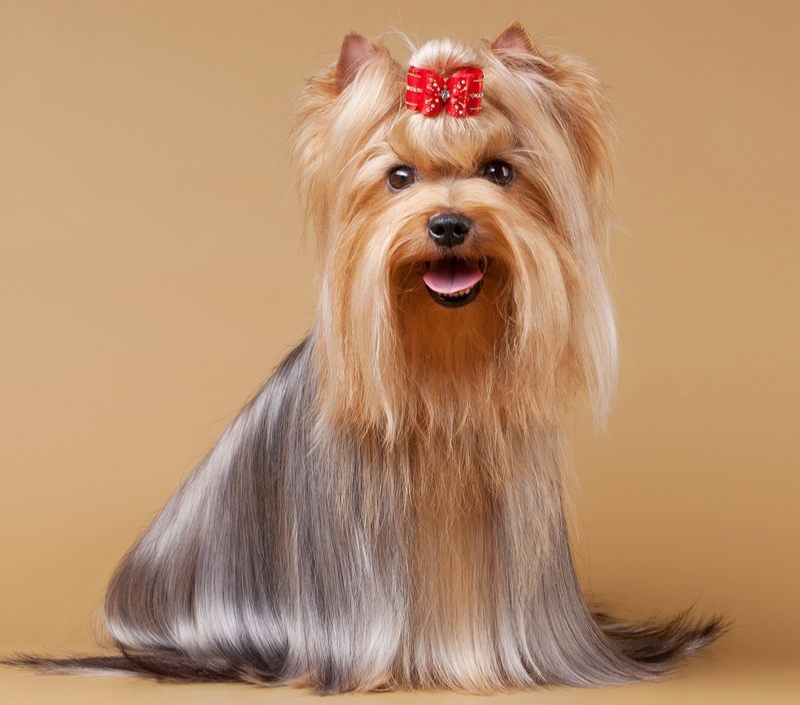
    The Paisley Terrier originates from Paisley, Scotland. They were small, with long, soft coats that were stunning and got them categorized as “fancy” pets. The dog served two primary purposes: to serve as a companion and as a show dog. 

    However, because of their high maintenance and grooming-intensive procedures, its popularity declined (in the late 1800s). Its legacy, however, can still be seen today in other breeds such as the Yorkshire Terrier.

    1. Moscow Water Dog

    The Moscow Water Dog originated in Russia, where it was bred to serve as water rescue dogs after World War II. 

    They mainly served the purpose of dragging sailors on to safe land from the water. 

    Since they were bred in small numbers and incredibly rare, they became extinct in the 1980s.

    1. Salish Wool Dog

    Also known as Comox Dog, the Salish Wool dog was a small wooly white creature.

    Their white ‘wool’ fur, rich in thickness and texture, was prized and sheared during early summer to make blankets and other textile products. 

    Regardless of their great beginnings, the Salish Wool dog became extinct at the start of the 20th century. Its extinction was attributed to mainly crossbreeding—which made their line ‘impure’. 

    Another reason why they went instinct was that sheep came along, and were a better source of wool. So, the Salish Wool Dog wasn’t much needed anymore. 

  • Pet Fun Activities 101

    Have you thought of taking your pup out for a road trip? Or just ripping apart cardboard boxes? What about making a puzzle for them to solve? 

    There are several benefits that these activities bring. They provide your furry friend with the easiest way to promote mental and physical states. It also helps enhance the bond that exists between you both. 

    These activities aid your dog with socialization (as they encounter new places, people, and events). Another main advantage is the health benefits it gives your buddy. 

    Whether you prefer activities that require low energy (or can be done indoors) or high energy that will leave you both panting, this list will give you ideas on memories you both can make to last a lifetime. 

    1. Take A Tour Around The City

    Pretend you’re a tourist for one day, and take a day to explore the city. You can plan different stops you would make, including little stops at dog-friendly stores that reward your pup with treats and a full water bowl.

    1. Go Swimming 

    Some dogs love the water. If your fur baby is like that, let him explore that part of the world. But, before that happens, ensure the water bodies—lake, swimming pools, or the beach—are pet-friendly. Either way, it’s always a great idea to bring along a life vest specialized for dogs. 

    1. Take A Training Class

    It is not unusual for your dog to bounce around with excess energy. Take him to a training class that allows full expression of his energy. There might even be a little competition that allows your pup to show off his skills. 

    1. Teach Him A Trick

    Every dog likes learning new things; regardless of age or type. Hence, it’s a great idea to teach new tricks that will impress not just you but your friends in the long run. 

    The best part is that there are several videos online that could help you with the stunts. Don’t forget to give your dog a treat with each stunt he completes. 

    1. Go Shopping 

    Several dog-friendly stores allow your dog free reins in the store. Sometimes, you don’t need to leave your four-legged friend at home while you go shopping for surprises. Take him shopping and let him help in the little way he can—possibly barking his consent. 

    1. Netflix and Chill

    Relax with your canine buddy on the couch or in your bedroom. Turn on a dog-friendly movie—The Lady and The Tramp, 101 Dalmatians, or Marley and Me—and snuggle together with treats within reach. 

    1. Play Outdoors

    It doesn’t matter if it’s winter, summer, or autumn, there’s always something fun to engage in outside. Run through the snow or play catch with snowballs (in winter), jump over piles of leaves (in autumn), or play in the sprinklers during the hot summer. It may not seem like much, but these simple activities make the happiest memories. 

    1. Throw Your Pup A Party

    And who said pups can’t have parties? That’s right, no one. You probably know some friends who also have dogs as pets. Invite them over for a party during his birthday or a national holiday. 

  • Dental Care Tips For Puppies: 4 Tips To Keep Their Mouths Healthy

    As the loving pet parent that you are, you’ve probably done everything possible to keep your dog in prime health. You provide him with the most healthy foods, make sure he exercises daily, and even book appointments with the vet for preventative care. 

    That’s all great, now, up next is his teeth! Pups cannot get cavities like us, but they can have other dental issues like tartar, plaque build-up; and in the long run, gingivitis.

    Beyond bad breath and yellow teeth, these dental problems can become a big deal if they’re not taken care of early. So, to avoid them altogether, here are 4 tips that would surely help: 

    1. Brushing Regularly

    In puppy parenting, brushing your pup’s teeth is an experience that might take a while to get used to; for both you and your pup. But, it’s the easiest and most cost-effective way for you to ensure oral care right at home. It’s advisable to brush your dog’s teeth daily to prevent the build-up of bacteria, plaque, or tartar. To do this:

    • Get a soft-toothed brush or a finger brush and special toothpaste formulated for dogs. Always use pet-formulated toothpaste! Why? Human toothpaste contains substances that are not great for dogs.
    • If brushing directly proves to be a battle or you simply want to switch up dental care routines, you can make use of dental wipes. When rubbed against your puppy’s teeth, it helps get rid of plaque, and remaining food particles.
    • Another alternative is using dog mouthwash. When diluted into water bowls, the mouthwash helps in killing germs and reducing plaque. Please, do not use human mouthwash.


    You can find all of these products at your local pet supply store or veterinary office.

    1. Feed Appropriate Foods

    To make oral care even easier, you can grab some treats that are great for cleanliness. Dry foods are generally better than soft foods. The crunchy treats help scrape away tartar as they feed. Soft foods, however, stick to the teeth and cause faster build-up. Ask your dog’s veterinarian  for a diet plan if you’re at a loss at which way to go.

    1. Use Chew Toys And Bones For Cleaning

    There are several synthetic chew toys and bones specifically designed to keep your dog’s teeth and gums clean. The constant gnawing at these toys removes plaque and causes them to secrete saliva that protects their tooth.

    However, avoid giving your pup hard nylon toys or natural bones. For one, they may chew so hard that it comes apart and lodges or obstructs. Secondly, your pup’s dentition may not be sufficiently developed and hard bones can cause damage. 

    1. Schedule Checkups And Cleanings

    Even with your finest efforts to keep your fur baby’s oral health top-notch, it’s unlikely that you give a thorough cleaning the way a vet would. 

    Take your dog to the vet (six months intervals) to carry out routine checkups, teeth polishing, and gum line cleaning.

    However, if you notice any of the following symptoms below, we recommend scheduling a vet visit versus waiting for your bi-annual dental appointment.

    • Has terrible breath.
    • Produces excessive drools.
    • Extra teeth (has a lot of teeth growing in a small space).
    • White, swollen, or bleeding gums.
    • Broken, discolored (brown, gray, or black) or crooked teeth.
    • Is sensitive to touch around the face.
    • Exhibit a change in eating and chewing habits.
  • Tips For Adapting To Having A New Pet

    Bringing a pet home for the first time is super exciting but at the same time, you could feel overwhelmed. Your lifestyle (and your family) is about to take a new turn; for the better. 

    You might be thinking about the new responsibilities, but it really wouldn’t feel that way. If anything, they are very enjoyable and you would start looking forward to them in no time. 

    Now, to make the whole transition process very easy for you and your pup here are some tips that you can follow: 

    1. Prepare Supplies Beforehand

    One of the key ways of eliminating any stress with having a new pet is getting many of the required supplies beforehand. 

    Leashes, collars, litter boxes, identification tags, water and food bowls, toys, treats, and food are all necessities when bringing your pet dog home.   

    If you know the food your dog has been eating, it’s best to get the exact same one for your pup. Introducing new foods right away, together with the change in environment, can stress your pet and disrupt his digestive system.

    1. Puppy-proof Your Home

    Imagine your puppy as a toddler in the house. And just like toddlers, they have a knack for getting into places they shouldn’t or gobbling up things unsafe for their health. 

    To this end, you need to gate off dangerous areas, remove wires from the way, and secure decorations firmly. Puppies are always on a treasure hunt, so ensure everything that could hurt them is taken out of their little paws’ reach.

    1. Set Up A Routine

    When you just get a pet, it is best to establish a consistent routine right away to allow peaceful transitions. Create a routine or playtime, bedtime, and mealtime. Plan for walks, extra trips to parks, and even bathroom breaks.

    When planning the routine, note that pups require more exercise and bathroom breaks more often than adult dogs.

    1. Find a Good Vet

    Getting a good vet will make adapting to your pet almost seamless. A good vet will educate you about behavior patterns, your dog’s health, and everything you need to know about owning a dog. 

    Schedule an appointment during the first week you get your pet; and as time progresses, annual and semi-annual appointments should be regular.

    1. Start House-training Sessions

    As soon as you get your new pet, it is great to establish rules through training sessions. Consistency with training sessions will help them understand what you want and build confidence. It’s so difficult to erase a bad habit when it’s established. 

    1. Make Her Comfortable 

    Just as kids love having playrooms and places to rest, pups also appreciate places to relax. Set up a section for your pup to just chill.

    1. Be Patient

    You just have a new family member coming into your house. You need to be patient with your pup and reduce any form of excessive expectations. Life is going to be different, so give yourself time to adjust. Soon enough, you’ll find out that you’ve gotten a loyal friend for life.

  • Choosing the Perfect Pup

    Every puppy is perfect in its own way and the magic is in choosing one that is just perfect for you. As a great dog lover, you would probably have a hard time choosing one to live with and love. 

    This is because the longing eyes and antics would draw you to them so that you would go home with every single one of them if you could. But choosing that one pup to pour all of your love on shouldn’t be too much of a hassle if you know exactly what you’re looking for. 

    Not certain what it is you’re looking for? This article is here for just this. Here are some tips that would help:

    1. Do Your Due Diligence 

    You need to have sufficient knowledge of the various dog breeds before going ahead to make a choice. Factors ranging from size as an adult to grooming needs to exercising and feeding should all be considered. 

    If there’s a particular breed you’re interested in, you should go on the internet and research in-depth so that you’re not caught unprepared at any point.  In addition, if you have a family, you would have to consider other members of your family. 

    All of this information will be gathered when you do your due diligence. 

    1. Physical Appearance 

    A puppy‘s physical appearance is an essential metric for the selection process. Does she look like she’s healthy overall? Is she active or does she just cower in the corner? 

    Similarly, features such as the eyes should be clear, the ears should not have a discharge, opening the mouth, the gums should be pink and healthy. 

    Furthermore, breathing through the nose should be soundless and done with ease, the fur must look healthy, and check the underbelly for the umbilical hernia. Zero protrusion is what to look out for.

    1. Temperament/ Personality 

    Doing your due diligence would give you an idea as to the temperament of the dog breed that you’re interested in. However, in addition to that, you should begin observing in person the moment you walk in the door. 

    Typically, you shouldn’t order a pup, walk in yourself and watch how the pup interacts with you. For instance, does the pup have a fast recovery rate from the startle of hearing a loud sound like a book drop? 

    When you move around the room, does the pup tag along? The answers to questions like this would give you an insight into your puppy’s temperament. 

    1. The Right Pet Store 

    More than anything, the place where you get your puppy from goes a long way in determining quality of life, particularly in their first few weeks of life. You can always get a notable pet store close to you by doing some internet search, and you might be able to visit the puppies before they are grown enough for new homes. 

    This is usually around when they are 7-12 weeks of age. Given that the pet store workers are experienced, you would be able to communicate freely. And of course, you can have them answer some key questions for you.

  • Potty Training in 5 Steps

    Potty training is one of the most important first lessons that you have to teach a new pup. Since they haven’t been told otherwise, they wouldn’t see anything wrong with messing the floor up or doing their business anywhere they deem fit. However, you do not want a house-turned-pup toilet on your hand. So, here are some 5 steps to potty train your pup: 

    1. Set Up Your Home  

    The idea behind potty training is teaching your dog that the entire house is their extra-large den simply because they are known for being averse to soiling their own space. For this, you would need to restrict your pup’s movement around the house until he is old enough to roam without incident. 

    You would be needing a dog crate or a baby gate that would restrict your pup to that particular area. The more time they spend there, the less they would feel inclined to mess the place up, hence, potty training would move swiftly. 

    1. Use a Potty Cue 

    The idea behind a potty cue is so that your pup knows exactly what time it is when you use the word or phrase. It would imply that it’s potty time and at a point, you would be able to get your pup to go potty just by saying it. 

    The phrase can be anything, just one that doesn’t come up in regular conversation. The idea is to use the word or phrase just as your dog is starting to do its business in the right spot. 2-3 days after, once you think he’s connected the cue to potty, start mentioning it just as he is getting in potty position. 

    After this, the next step is to give it before he even gets into position. This would register as the word or phrase for ‘time to go’.

    1. Treating 

    Pup training consists of a great deal of treating for positive reinforcement. When you give your dog a treat for doing something, it implies that it is a desirable one and he starts to connect the action to the treat. 

    During potty training, if your dog goes to the potty in the right spot, and gets a treat, but never does during accidents, he would start to note that it is the right thing to do. 

    Since timing is crucial, you might need to add an approving sound like a click or “yes” at the precise time, and then give the treat later. This way, your pup knows that the treat was for that particular action. 

    1. Create a Schedule 

    You shouldn’t be alarmed by the fact that you might have to take a puppy to potty up to 10-15 times daily. As a rule of thumb, the bladder develops to hold urine longer every month in pups, so, a month-old pup would be able to hold his bladder for an hour while a 5-month old pup would hold his bladder for up to 5 hours. 

    Therefore, it is essential to create a schedule that your pup would start to associate with potty time. For instance, you can make it: First thing in the morning, right after each meal, when your pup gets up from napping, at regular intervals during the day and evening, and right before you go to sleep. 

    1. Allow for Playtime 

    After your pup has eliminated in the right spot, you can allow him to play around for some minutes without fear that he would soil the place. After this, you can then have him go back to the restricted area. Playtime should be based on the rate of development of your pup’s bladder.

  • Top 5 Rare Dog Breeds

    You probably consider yourself a maestro when it comes to identifying dog breeds. The good ol’ reliable German Shepherd, the adorable Labrador Retriever, or the spoiled Chihuahua. 

    There are breeds that you see and can identify at the drop of a hat. However, there are a number of dog breeds that are not all that common. There is even a possibility that you’ve never heard of them. Here’s 5 of them:

    1. Azawakh 

    Azawakhs are known for their fierce loyalty and protectiveness of their owners. Unlike other dog breeds that smell before seeing, this breed is a sight hound and mostly discovers its prey using its sights. 

    It stands regal with long legs and has its origins in the Sahel region of Africa, where it stood guard over nomad’s tepees while withstanding the harsh conditions. 

    This breed was introduced to America in the 80s, was entered into the American Kennel Club’s Foundation in 1997, and is known to shy away from strangers.  

    1. Telonian 

    The Telonian is a Malaysian breed and the only known one at that. Specifically trained to catch vermin by the Orang Asil indigenous people, this breed moves really fast and has great sensory abilities. 

    It also has a surprising climbing ability which is clearly an adaptation to the homes of the Orang Asil people that were built on stilts to prevent invasion by wild animals. 

    1. Norwegian Lundehund 

    With a long history dating as far back as the ice age, the Norwegian Lundehund is one of the rarest of dog breeds alive. They feature a crimson coat and were originally intended for hunting down Puffin birds on the edges of coastal cliffs. 

    As a result of this hunting environment, over the years, this breed has mastered scaling rocky cliffs. In addition, although pretty close to extinction, it is known as a breed that builds a close-knit relationship with its owner.

    1. Thai Ridgeback

    The Thai Ridgeback sees its origins in Thailand and just along the breed’s back, you would find a ridge similar to that of the Rhodesian Ridgebacks. This ridge which is found in only three dog breeds refers to a strip that grows away in the opposite direction of the fur. 

    Although for a while, they could only be found in Thailand, the breed has started to spread gradually. However, they are notable for their great escape methods and need a close eye kept on them. 

    1. Otterhound 

    The British Otterhound is ranked one of the most vulnerable dog breeds In the UK. It is believed to be as old as the medieval age and bred mainly to stay on guard during fishing. 

    It is kinsmen with the Bloodhound and displays similar virtues such as determination and dexterity. This breed features a healthy and impressive crop of hair and makes for a great companion anyway. 

    They eat in a pretty messy manner, and their grooming, well, you can definitely handle it.