Category: Company News

  • Yard Drainage Problems: The Hidden Costs Beneath Your Landscape

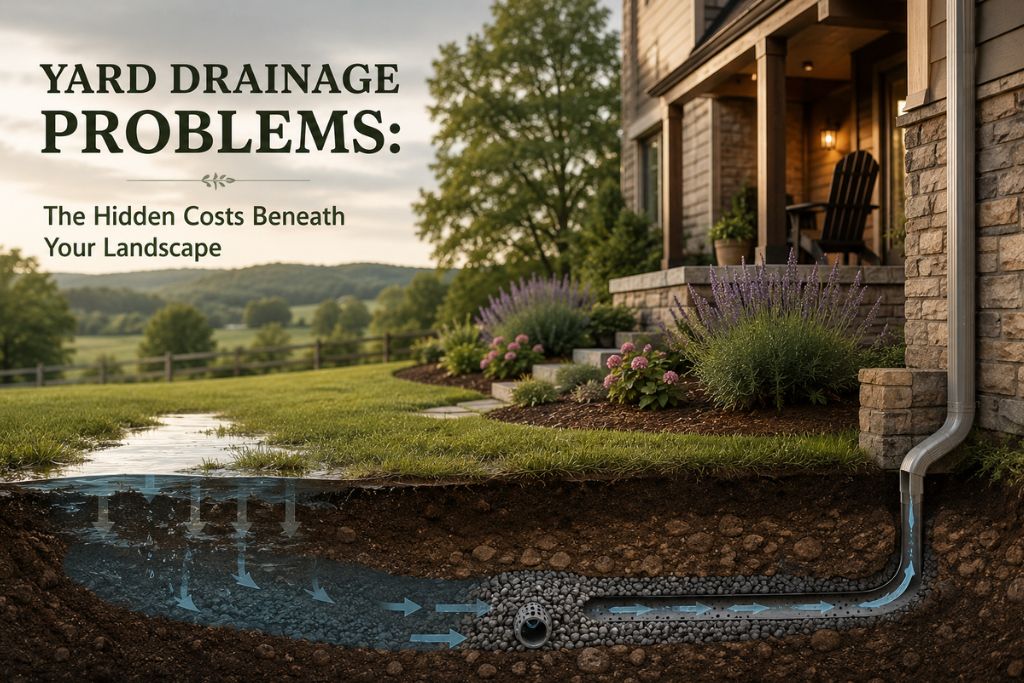
    Yard Drainage Problems: The Hidden Costs Beneath Your Landscape

    When people picture their dream yard, they usually imagine the fun parts.

    Lush grass. Beautiful plantings. A patio for summer gatherings. Maybe a fire pit. Maybe a peaceful garden space overlooking the rolling landscapes found throughout Bath, Nazareth, and the surrounding countryside near Blue Mountain.

    Very few people stop and say, “You know what I’m excited about? Water movement.”

    Yet drainage plays a major role in how well an outdoor space performs over time.

    Here in Eastern Pennsylvania, landscapes experience a little bit of everything. Heavy rain, snow melt, humid summers, and changing seasons all affect how water moves across a property. From homes near Monocacy Creek to properties throughout the Lehigh Valley and areas like Allentown, Bethlehem, Easton, Whitehall, and Nazareth, water that has nowhere to go can quietly create problems beneath the surface.

    What starts as a small drainage issue can eventually lead to standing water, erosion, damaged landscaping, and more costly repairs down the road.

    What Is Yard Drainage and Why Does It Matter?

    Yard drainage simply refers to how water moves through and away from your property. A healthy drainage system prevents water from collecting in places where it should not sit.

    Poor drainage often shows itself through signs like:

    • Standing water after rainfall
    • Muddy or soggy areas
    • Dying grass or struggling plants
    • Soil erosion
    • Water collecting near foundations

    While puddles may seem harmless, they often point to larger issues happening below the surface.

    The Hidden Costs of Poor Yard Drainage

    1. Damage to Your Landscape Investment

    Too much water can suffocate plant roots. Many plants need oxygen in the soil to survive.

    Over time, excess moisture can weaken lawns, damage shrubs, and create unhealthy growing conditions.

    2. Soil Erosion Can Change Your Yard

    Moving water slowly carries soil away.

    As erosion continues, landscapes can lose shape and stability. Mulch shifts, planting beds change, and uneven areas start appearing.

    3. Foundation Problems Can Develop

    Water pooling near a home can become a larger concern.

    Over time, repeated moisture exposure around foundations may contribute to cracks or structural issues.

    4. Mosquitoes Love Standing Water

    Small puddles create ideal breeding areas for mosquitoes.

    Pennsylvania summers already bring heat and humidity. Standing water simply gives pests another reason to stay.

    5. Drainage Issues Can Affect Property Value

    Visible drainage problems often raise concerns for potential buyers.

    Persistent water issues can suggest future maintenance or repair costs.

    Protect Your Yard Before Small Problems Grow

    Drainage solutions are not one-size-fits-all. Every property has different grading, soil conditions, and landscape features.

    At Creative Landscapes, we help homeowners throughout Pennsylvania identify drainage concerns and create solutions that protect both the yard and the investment behind it. Proper grading, drainage systems, and thoughtful landscape planning can make a major difference.

    The Best Landscapes Work Above and Below the Surface

    Beautiful landscapes are not only about what you see.

    The systems underneath matter too.

    When water moves where it should, your lawn, plants, and outdoor spaces have a stronger foundation to thrive season after season.

  • What Your Garden Says About You (Yes, We’re Judging Your Hydrangeas)

    What Your Garden Says About You (Yes, We’re Judging Your Hydrangeas)

    Gardens are funny little things.

    You start with a few plants because you want something pretty outside your window. Next thing you know, you’re standing in the driveway discussing soil conditions like you’re defending a doctoral thesis.

    But that’s the magic of it.

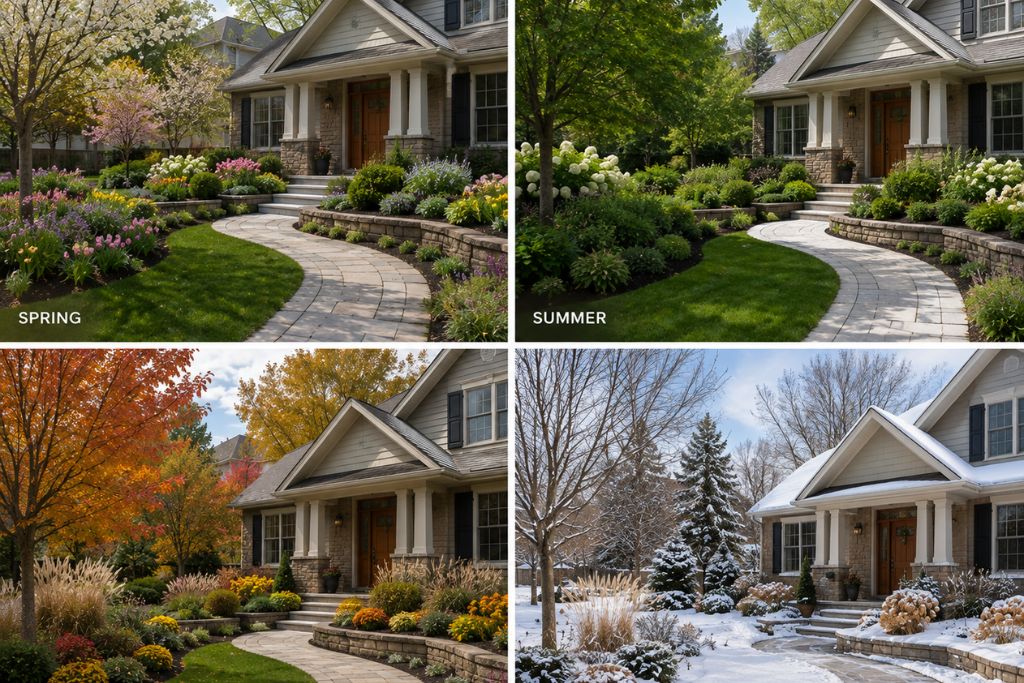
    Gardens make us feel calmer. They give us a place to unplug, breathe, and spend time outdoors. Across the Lehigh Valley, from neighborhoods in Bath and Nazareth to homes tucked throughout Bethlehem, Easton, and beyond, Pennsylvania gives homeowners a front-row seat to all four seasons: snowy winters, colorful springs, humid summers, and those crisp fall evenings that somehow make everything feel a little cozier.

    Outdoor spaces quickly become an extension of home.

    And whether we realize it or not, our gardens often become tiny reflections of us too.

    Why We Love Gardens More Than We Admit

    People garden for all kinds of reasons.

    Some want a peaceful retreat. Some love color. Others want a place to entertain friends and family. Some just saw one plant on social media and accidentally started a whole new personality trait.

    Whatever the reason, the choices people make usually tell a story.

    So…What Does Your Garden Say About You?

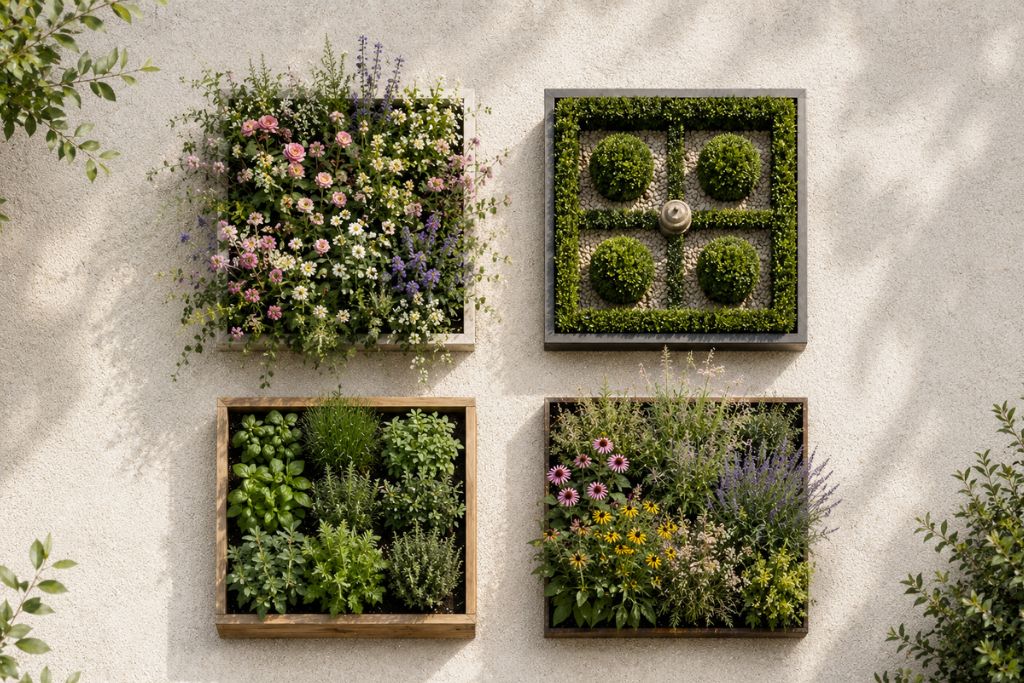
    The Cottage Garden

    Overflowing flowers. Winding paths. Plants doing whatever they want.

    If this is your style, you are probably:
    The friend who says, “Let’s keep it casual,” and somehow hosts the most beautiful gathering anyone has ever attended.

    You love charm and comfort. You appreciate things feeling natural and lived-in.

    The Clean and Modern Garden

    Simple lines. Structured plants. Everything looks intentional.

    If this is your style, you are probably:
    Someone whose phone battery is always above 60%.

    You enjoy order. You like clean spaces and designs that feel calm.

    The Vegetable Garden

    Tomatoes. Herbs. Peppers. Raised beds everywhere.

    If this is your style, you are probably:
    A person who casually says things like, “These are from my garden.”

    You love creating things with purpose. You also enjoy the satisfaction of growing something yourself.

    The Wildlife Garden

    Pollinator plants. Native species. Butterflies everywhere.

    If this is your style, you are probably:
    The person saving bees and the planet before breakfast.

    Native gardens also work beautifully in Pennsylvania landscapes because they often adapt well to local conditions.

    The “I Bought Every Plant I Loved” Garden

    No theme. No plan. Pure excitement.

    If this is your style, you are probably:
    Living entirely on instinct.

    We respect it.

    Turn Personality Into Great Landscape Design

    A great landscape should feel personal. It should look beautiful, but it should also feel like you.

    At Creative Landscapes, we help homeowners throughout Pennsylvania create outdoor spaces that match their style and fit local conditions. We combine creativity with practical design so landscapes thrive through changing seasons.

    Your Yard Is Basically Your Outdoor Biography

    Your garden may not reveal every secret about you.

    But it might reveal that you enjoy structure, love color, appreciate nature, or occasionally make plant decisions based entirely on vibes.

    No judgment here. We get it.

  • Patio Size Guide: How to Plan the Perfect Fit for Your Backyard

    Patio Size Guide: How to Plan the Perfect Fit for Your Backyard

    A great patio doesn’t just fill space, it creates it. It gives your backyard purpose, structure, and a place to actually live outdoors. Here in Pennsylvania, where we soak up every bit of patio season from spring mornings to crisp fall evenings, getting the size right matters more than you might think.

    It’s easy to get excited and jump straight into design. But before you pick materials or layouts, the real foundation of a successful patio starts with one question: How big should it be?

    Why Size Matters More Than You Think

    A patio that’s too small feels cramped. Too large, and it can overwhelm your yard. The right size strikes a balance: it supports how you use the space while still leaving room for landscaping, movement, and flow.

    And that balance starts with a plan.

    Start With How You’ll Actually Use It

    Before anything else, think function first.

    • Will you host large gatherings or keep things more low-key?
    • Do you want space for dining, lounging, or both?
    • Are features like a fire pit or outdoor kitchen on your list?

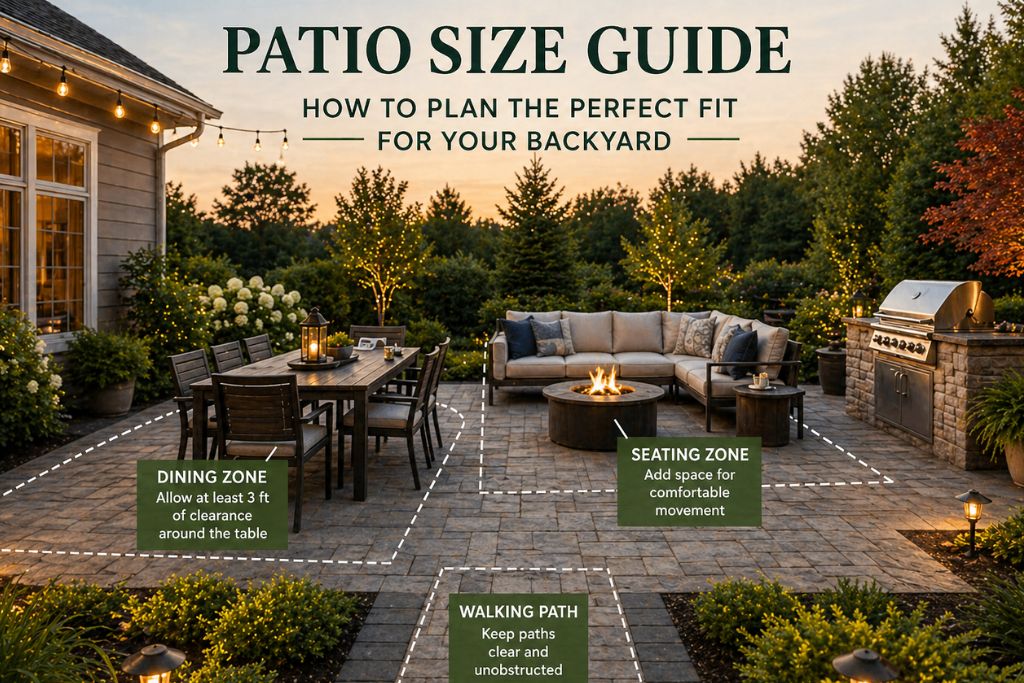
    Each use requires space. For example, a dining setup alone typically needs room for a table plus at least 3 feet of clearance around it.

    Map Out Your Zones Early

    The best patios aren’t just one open slab. They’re intentional.

    Create zones for:

    • Dining
    • Seating or lounging
    • Walking paths

    Even in smaller backyards, defining these areas helps your patio feel organized and easy to use. It also prevents overcrowding.

    Work With Your Yard, Not Against It

    Every backyard in Pennsylvania comes with its own quirks. In the Lehigh Valley, that might mean the hills and elevation changes you’ll find in Bethlehem, tighter lot sizes and older layouts in Allentown, or tree-filled properties and uneven terrain common in Easton and surrounding townships like Lower Macungie Township and Upper Saucon Township. From slopes and mature trees to tricky drainage patterns, each yard presents its own challenges and opportunities when planning the perfect patio.

    Instead of forcing a size, let your space guide you:

    • Sloped yards may need tiered or smaller patios
    • Mature trees can shape natural boundaries
    • Drainage areas should always be left clear

    A well-sized patio feels like it belongs, not like it was squeezed in.

    Don’t Forget Breathing Room

    One of the most common mistakes? Using every inch of available space.

    Leaving room around your patio allows for:

    • Landscaping and greenery
    • Easier movement
    • A more natural, balanced look

    Sometimes, slightly smaller creates a much better overall feel.

    So, What’s the Right Size?

    Most patios fall somewhere between 150 to 500 square feet, depending on use. Smaller patios work well for intimate seating, while larger ones support multiple zones and purposes.

    The “perfect” size isn’t about hitting a number. It’s about matching your lifestyle, your yard, and how you want the space to feel.

    Built Around the Way You Live

    At Creative Landscapes in Bath, the process doesn’t start with square footage. It starts with you. The focus is on how the space is used, what the property allows, and how to bring everything together in a way that feels seamless.

    From layout planning to final installation, every detail is considered so your patio doesn’t just fit but also functions beautifully.

    A Patio That Feels Just Right

    The best patios aren’t the biggest or the most elaborate. They’re the ones that feel natural the moment you step onto them.

    When size, layout, and design all work together, your backyard becomes more than a space. It becomes a place you’ll want to be, season after season.

  • What Lies Beneath: Why the Foundation of Your Patio Matters More Than You Think

    What Lies Beneath: Why the Foundation of Your Patio Matters More Than You Think

    A well-designed patio always looks effortless. Clean lines, balanced materials, a natural flow into the landscape. The kind of space that feels finished the moment you step onto it.

    But what makes a patio truly last isn’t what you see. It’s everything underneath it.

    When homeowners plan a patio upgrade, the focus often stays on surface details: stone choice, layout, color. All important. But without the right foundation, even the most beautiful design can shift, settle, or fail over time.

    Why What’s Underneath Deserves Attention

    A patio isn’t just placed on the ground. It’s built into it.

    Soil conditions, drainage, and base preparation all influence how that surface performs. Without proper planning, water can collect, freeze, and expand. Over time, that leads to uneven pavers, cracks, or sinking areas.

    In a climate like Eastern Pennsylvania, where freeze-thaw cycles are part of the season, that risk becomes even more pronounced. A strong patio starts below grade, where stability is created long before the first stone is set.

    The Base Layer: Structure and Stability

    At the core of any patio is its base.

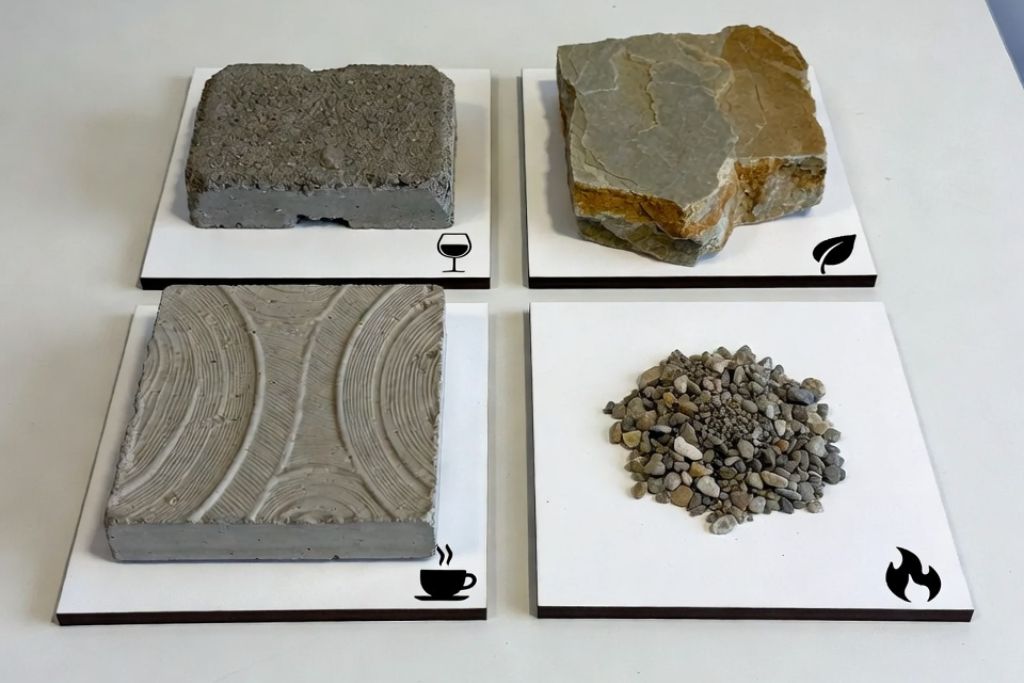
    This typically includes compacted gravel or crushed stone, designed to create a stable, load-bearing foundation. It allows for proper drainage while preventing movement. Without this layer, patios are more likely to shift or settle unevenly. With it, the surface stays level and consistent over time.

    Precision matters here. Depth, compaction, and material choice all play a role in long-term performance.

    Drainage: Managing Water Before It Becomes a Problem

    Water is the most common reason patios fail.

    If water isn’t directed away from the surface, it will find its way underneath. That leads to erosion, pooling, and eventual structural issues.

    Effective patio design includes subtle grading (often a slight slope away from the home) along with drainage solutions that move water where it needs to go. This might include permeable joints, drainage channels, or base materials that allow water to pass through rather than collect.

    Done right, drainage is invisible. But it’s always working.

    Soil Conditions: The Ground You’re Building On

    Not all soil behaves the same.

    Some soils retain water. Others shift more easily. Clay-heavy soil, common in parts of Pennsylvania, expands and contracts with moisture changes which can impact the stability of a patio if not properly addressed.

    That’s why site preparation matters. Assessing and preparing the soil ensures the base layer performs as intended, rather than reacting to what’s underneath it.

    Materials and Layering: Built to Work Together

    A patio isn’t a single surface. It’s a system. From the subgrade to the base to the setting layer and pavers, each component works together. When one layer is compromised, the entire system feels it.

    That’s why thoughtful material selection and proper installation are essential not just for appearance, but for durability.

    Where Creative Landscapes Comes In

    At Creative Landscapes, we approach hardscaping as a complete composition, not just a surface treatment. We consider what’s beneath just as carefully as what’s visible. Soil conditions, drainage planning, base preparation, each step designed to support the next.

    The result is a patio that doesn’t just look refined, but performs exactly as it should, season after season.

    A Patio That Lasts, By Design

    A beautiful patio is immediate. A well-built one lasts.

    In the end, the most important part of your patio is the part you never see. When the foundation is right, everything above it feels effortless: stable, balanced, and built with intention.

  • Spring, Styled: 10 Flowers That Thrive in Eastern Pennsylvania Landscapes

    Spring, Styled: 10 Flowers That Thrive in Eastern Pennsylvania Landscapes

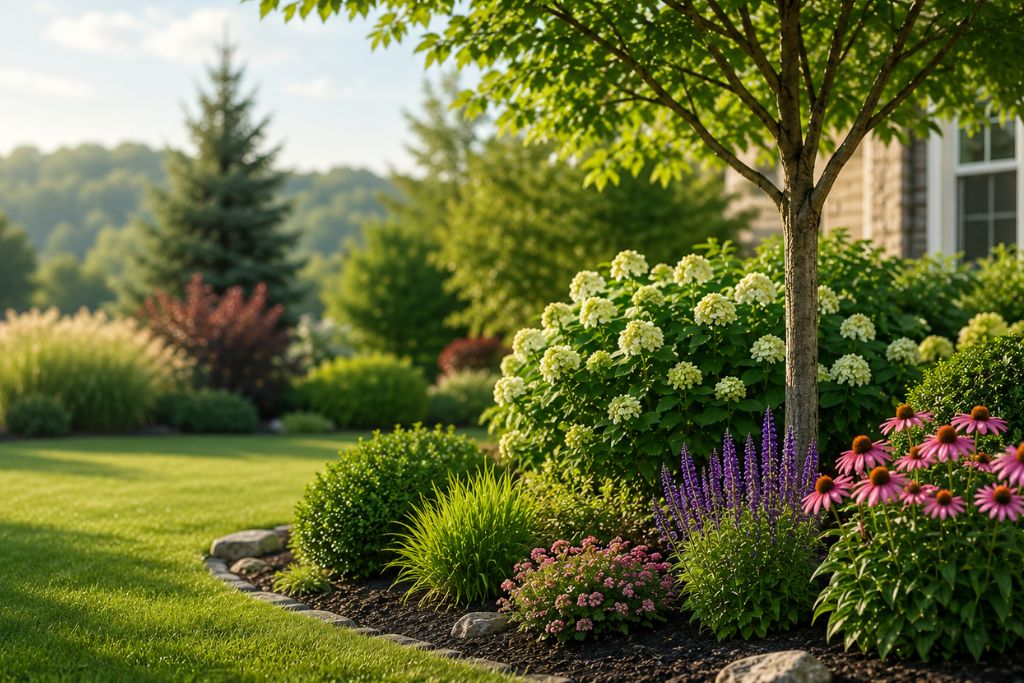
    Spring in Eastern Pennsylvania doesn’t simply arrive, it reveals itself. The air softens, light lingers a little longer, and suddenly, the landscape begins to speak in color again. This is where thoughtful planting makes all the difference. At Creative Landscapes, spring is less about filling space and more about shaping an experience. One that feels layered, intentional, and quietly striking.

    If you’re designing a garden that feels elevated yet effortless, these ten spring bloomers are perfectly suited to our region… and to a beautifully composed outdoor space.

    1. Tulips

    Classic, but never ordinary. Tulips offer a clean, architectural silhouette with a wide range of tones, from soft neutrals to saturated jewel hues. They’re ideal for structured beds and formal borders, especially when planted in thoughtful groupings for maximum visual rhythm.

    2. Daffodils

    A true sign of the season. Daffodils are both cheerful and dependable, thriving in Eastern Pennsylvania’s early spring conditions. Their bright yellow and white blooms add energy to the landscape, especially when naturalized along walkways or tucked into layered garden beds.

    3. Virginia Bluebells

    Soft, fleeting, and undeniably elegant. These native blooms emerge in gentle clusters of blue and pink, thriving in shaded or woodland settings. They pair beautifully with ferns and other shade-loving plants, creating a serene, almost storybook effect.

    4. Bleeding Heart

    Quietly romantic. Their arching stems and heart-shaped blooms add softness and movement, making them perfect for transitional spaces beneath trees or alongside shrubs. They thrive in partial shade and bring a graceful, layered feel to the garden.

    5. Creeping Phlox

    Low-growing, but high impact. Creeping phlox forms a dense carpet of color in shades of pink, purple, and white. It’s especially effective along stone walls, pathways, or slopes, where it softens hard edges and creates a seamless flow through the landscape.

    6. Columbine

    Delicate in appearance, but surprisingly resilient. Columbine’s intricate, almost whimsical blooms introduce a sense of movement and lightness. They’re excellent for adding visual interest to mixed borders and thrive in both sun and partial shade.

    7. Wild Geranium

    Effortless and grounded. This native favorite produces soft pink to lavender blooms and thrives in partial shade. It’s a beautiful choice for naturalized areas or woodland gardens, where it quietly fills space without overwhelming the design.

    8. Trillium

    Understated and refined. Trillium is a woodland essential, known for its simple three-petal blooms and lush foliage. It prefers shaded environments and adds a sense of calm sophistication. Intentional, not over-designed.

    9. Hyacinths

    A sensory moment. Hyacinths bring dense, vibrant blooms paired with a rich, unmistakable fragrance. They’re ideal near entryways, patios, or walkways… anywhere you want to experience spring up close.

    10. Ranunculus (Buttercups)

    Polished and luminous. With their layered, rose-like petals, ranunculus offer a refined burst of color. They’re perfect for statement plantings and add a touch of softness and luxury to spring displays.

    Designed for Eastern Pennsylvania, and Designed Well

    What makes these flowers exceptional isn’t just how they look, it’s how they perform. Eastern Pennsylvania’s spring brings cool nights, variable rainfall, and shifting light. Choosing plants that thrive in these conditions ensures your landscape feels as good as it looks.

    At Creative Landscapes, we approach planting as part of a larger vision. We consider bloom timing, texture, and placement so that every element works in harmony. The result is a space that feels cohesive, curated, and quietly impactful.

    A Season, Beautifully Composed

    Spring may be fleeting, but a well-designed landscape lingers. With the right selections and the right design, your garden doesn’t just bloom. It tells a story.
    And that’s where we come in.