Category: Company News

  • What Lies Beneath: Why the Foundation of Your Patio Matters More Than You Think

    What Lies Beneath: Why the Foundation of Your Patio Matters More Than You Think

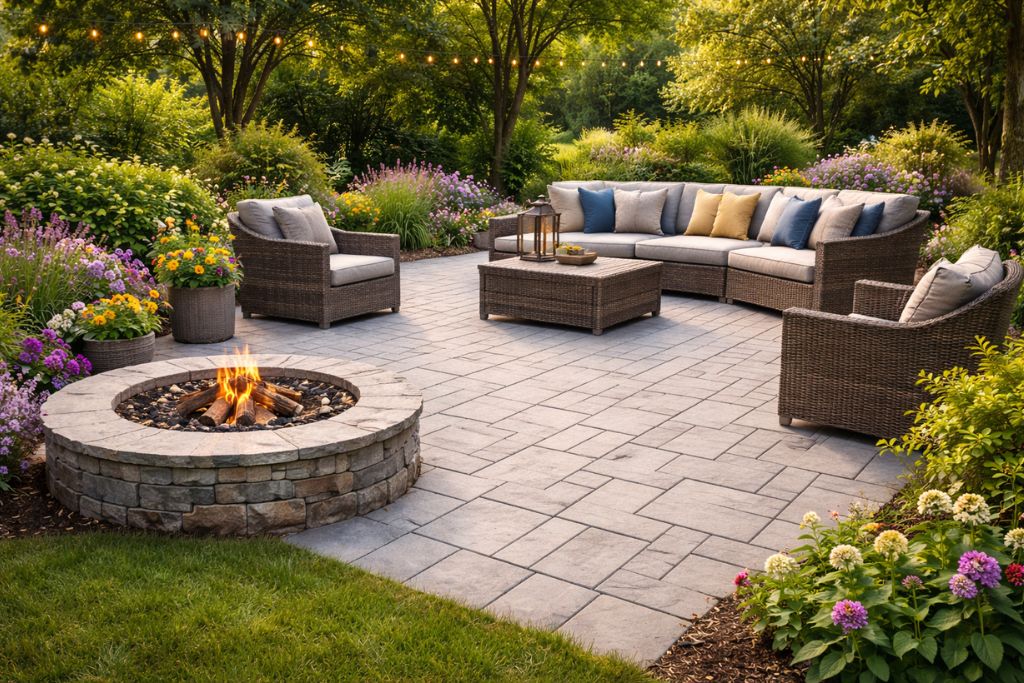
    A well-designed patio always looks effortless. Clean lines, balanced materials, a natural flow into the landscape. The kind of space that feels finished the moment you step onto it.

    But what makes a patio truly last isn’t what you see. It’s everything underneath it.

    When homeowners plan a patio upgrade, the focus often stays on surface details: stone choice, layout, color. All important. But without the right foundation, even the most beautiful design can shift, settle, or fail over time.

    Why What’s Underneath Deserves Attention

    A patio isn’t just placed on the ground. It’s built into it.

    Soil conditions, drainage, and base preparation all influence how that surface performs. Without proper planning, water can collect, freeze, and expand. Over time, that leads to uneven pavers, cracks, or sinking areas.

    In a climate like Eastern Pennsylvania, where freeze-thaw cycles are part of the season, that risk becomes even more pronounced. A strong patio starts below grade, where stability is created long before the first stone is set.

    The Base Layer: Structure and Stability

    At the core of any patio is its base.

    This typically includes compacted gravel or crushed stone, designed to create a stable, load-bearing foundation. It allows for proper drainage while preventing movement. Without this layer, patios are more likely to shift or settle unevenly. With it, the surface stays level and consistent over time.

    Precision matters here. Depth, compaction, and material choice all play a role in long-term performance.

    Drainage: Managing Water Before It Becomes a Problem

    Water is the most common reason patios fail.

    If water isn’t directed away from the surface, it will find its way underneath. That leads to erosion, pooling, and eventual structural issues.

    Effective patio design includes subtle grading (often a slight slope away from the home) along with drainage solutions that move water where it needs to go. This might include permeable joints, drainage channels, or base materials that allow water to pass through rather than collect.

    Done right, drainage is invisible. But it’s always working.

    Soil Conditions: The Ground You’re Building On

    Not all soil behaves the same.

    Some soils retain water. Others shift more easily. Clay-heavy soil, common in parts of Pennsylvania, expands and contracts with moisture changes which can impact the stability of a patio if not properly addressed.

    That’s why site preparation matters. Assessing and preparing the soil ensures the base layer performs as intended, rather than reacting to what’s underneath it.

    Materials and Layering: Built to Work Together

    A patio isn’t a single surface. It’s a system. From the subgrade to the base to the setting layer and pavers, each component works together. When one layer is compromised, the entire system feels it.

    That’s why thoughtful material selection and proper installation are essential not just for appearance, but for durability.

    Where Creative Landscapes Comes In

    At Creative Landscapes, we approach hardscaping as a complete composition, not just a surface treatment. We consider what’s beneath just as carefully as what’s visible. Soil conditions, drainage planning, base preparation, each step designed to support the next.

    The result is a patio that doesn’t just look refined, but performs exactly as it should, season after season.

    A Patio That Lasts, By Design

    A beautiful patio is immediate. A well-built one lasts.

    In the end, the most important part of your patio is the part you never see. When the foundation is right, everything above it feels effortless: stable, balanced, and built with intention.
  • Spring, Styled: 10 Flowers That Thrive in Eastern Pennsylvania Landscapes

    Spring, Styled: 10 Flowers That Thrive in Eastern Pennsylvania Landscapes

    Spring in Eastern Pennsylvania doesn’t simply arrive, it reveals itself. The air softens, light lingers a little longer, and suddenly, the landscape begins to speak in color again. This is where thoughtful planting makes all the difference. At Creative Landscapes, spring is less about filling space and more about shaping an experience. One that feels layered, intentional, and quietly striking.

    If you’re designing a garden that feels elevated yet effortless, these ten spring bloomers are perfectly suited to our region… and to a beautifully composed outdoor space.

    1. Tulips

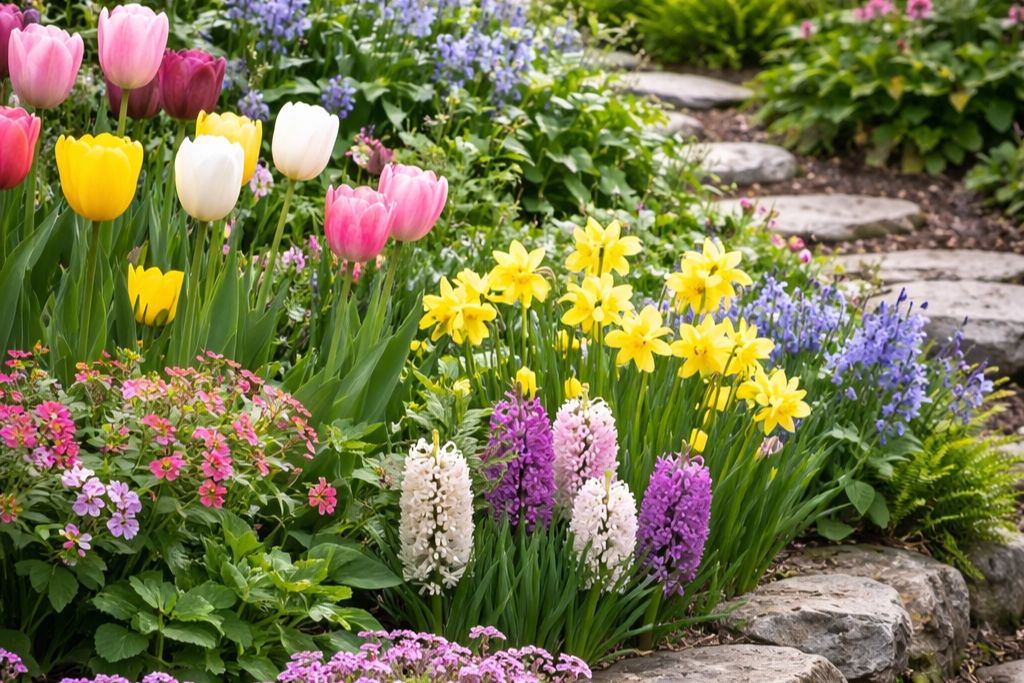
    Classic, but never ordinary. Tulips offer a clean, architectural silhouette with a wide range of tones, from soft neutrals to saturated jewel hues. They’re ideal for structured beds and formal borders, especially when planted in thoughtful groupings for maximum visual rhythm.

    2. Daffodils

    A true sign of the season. Daffodils are both cheerful and dependable, thriving in Eastern Pennsylvania’s early spring conditions. Their bright yellow and white blooms add energy to the landscape, especially when naturalized along walkways or tucked into layered garden beds.

    3. Virginia Bluebells

    Soft, fleeting, and undeniably elegant. These native blooms emerge in gentle clusters of blue and pink, thriving in shaded or woodland settings. They pair beautifully with ferns and other shade-loving plants, creating a serene, almost storybook effect.

    4. Bleeding Heart

    Quietly romantic. Their arching stems and heart-shaped blooms add softness and movement, making them perfect for transitional spaces beneath trees or alongside shrubs. They thrive in partial shade and bring a graceful, layered feel to the garden.

    5. Creeping Phlox

    Low-growing, but high impact. Creeping phlox forms a dense carpet of color in shades of pink, purple, and white. It’s especially effective along stone walls, pathways, or slopes, where it softens hard edges and creates a seamless flow through the landscape.

    6. Columbine

    Delicate in appearance, but surprisingly resilient. Columbine’s intricate, almost whimsical blooms introduce a sense of movement and lightness. They’re excellent for adding visual interest to mixed borders and thrive in both sun and partial shade.

    7. Wild Geranium

    Effortless and grounded. This native favorite produces soft pink to lavender blooms and thrives in partial shade. It’s a beautiful choice for naturalized areas or woodland gardens, where it quietly fills space without overwhelming the design.

    8. Trillium

    Understated and refined. Trillium is a woodland essential, known for its simple three-petal blooms and lush foliage. It prefers shaded environments and adds a sense of calm sophistication. Intentional, not over-designed.

    9. Hyacinths

    A sensory moment. Hyacinths bring dense, vibrant blooms paired with a rich, unmistakable fragrance. They’re ideal near entryways, patios, or walkways… anywhere you want to experience spring up close.

    10. Ranunculus (Buttercups)

    Polished and luminous. With their layered, rose-like petals, ranunculus offer a refined burst of color. They’re perfect for statement plantings and add a touch of softness and luxury to spring displays.

    Designed for Eastern Pennsylvania, and Designed Well

    What makes these flowers exceptional isn’t just how they look, it’s how they perform. Eastern Pennsylvania’s spring brings cool nights, variable rainfall, and shifting light. Choosing plants that thrive in these conditions ensures your landscape feels as good as it looks.

    At Creative Landscapes, we approach planting as part of a larger vision. We consider bloom timing, texture, and placement so that every element works in harmony. The result is a space that feels cohesive, curated, and quietly impactful.

    A Season, Beautifully Composed

    Spring may be fleeting, but a well-designed landscape lingers. With the right selections and the right design, your garden doesn’t just bloom. It tells a story.
    And that’s where we come in.