Category: Blog

  • Why Your Dog Always Knows When You’re Eating Something Good

    Why Your Dog Always Knows When You’re Eating Something Good

    The Science of the Snack Radar: Why Dogs Know You’re Eating

    You open a bag of chips as quietly as possible.

    You pause. Listen. Look around.

    The coast seems clear.

    Then suddenly… tap, tap, tap. Tiny paws approach. A wet nose appears beside your elbow. And two hopeful eyes lock onto your snack like a heat-seeking missile.

    How did they know?

    You didn’t call them. You didn’t drop anything. You barely made a sound.

    And yet somehow, your dog knew you were eating something good before you even took the first bite.

    Welcome to the mysterious (and undefeated!) world of your dog’s snack radar.

    The Sneaky Science Behind Your Dog’s Food Detection

    As adorable as it is, your dog’s ability to detect snacks isn’t magic. It’s science. And their senses are incredible.

    Here’s what’s really happening behind the scenes.

    Their nose is basically a superpower.

    Dogs have up to 300 million scent receptors in their noses. Humans? Around six million. That means dogs can detect smells at levels we can barely imagine. Even the faint scent of cheese, chicken, or popcorn drifting through the air is practically a dinner bell.

    Food smells stronger to them than it does to us.

    When you smell pizza, it smells good. When your dog smells pizza, it’s like the scent fills the entire room. Their brain dedicates far more space to analyzing smells than ours does.

    They’re reading your behavior.

    Dogs don’t just rely on scent. They’re also expert observers. Studies show dogs are remarkably good at reading human cues, including body language and patterns. Opening the fridge, grabbing a plate, sitting on the couch with a bowl… These are all signals your dog has memorized.

    They’ve learned food might fall.

    Let’s be honest. Something eventually hits the floor. Dogs know this. Over time, they learn that hanging out near humans eating food can lead to a lucky snack drop.

    Why Dogs Are Especially Curious About Human Food

    Human food smells richer because it often contains fats, proteins, and seasonings dogs find irresistible. These strong aromas travel easily through the air, making them impossible for a dog to ignore.

    On top of that, dogs are naturally curious scavengers. In the wild, finding food often means investigating every interesting smell. So when something delicious appears in your kitchen, their instincts kick in.

    Translation: your sandwich never stood a chance.

    Understanding Your Dog’s Snack Radar

    We see this behavior all the time. And honestly, it’s part of what makes dogs so charming. Their curiosity, intelligence, and powerful senses are reminders of just how amazing our canine companions really are.

    Understanding why dogs act the way they do helps pet parents respond in healthy ways. Not every human snack is safe for dogs, but their interest in food is completely natural.

    The more you learn about your dog’s instincts, the easier it becomes to guide them with good habits, proper nutrition, and enrichment.

    One Thing’s for Sure…

    Your dog may not know what taxes are.

    They might not understand the concept of personal space.

    But the moment you open a bag of snacks? They know.

    And somehow, they always arrive right on time. 

    Hungry for more? The next chapter’s even better! Follow the paw prints below to keep reading.


    The Love Languages of Dogs (Yes, They’re Real!)
    Spring Fever, Fur Real: What Happens to Your Dog’s Personality When Winter Ends?


  • AKC Registration With Health Testing: What Every Future Puppy Parent Should Know

    AKC Registration With Health Testing: What Every Future Puppy Parent Should Know

    importance of puppy health screening

    New puppy parents quickly encounter many unfamiliar terms. Two of the most common are AKC registration and health testing.

    Because these terms appear often, and refer to two different things.

    Understanding each can help you make confident choices when welcoming a puppy into your family. It also helps you know what to look for when choosing where your puppy comes from.

    Let’s take a closer look.

    What Is AKC Registration?

    The American Kennel Club (AKC) is one of the most well-known and reputable dog registries in the United States. When a dog is AKC registered, it means the dog’s lineage has been recorded with the organization.

    Registration confirms that a puppy comes from a documented purebred line. AKC registration allows dog owners to track pedigree records. It also gives access to AKC events, training programs, and educational resources.

    However, it is important to understand what AKC registration does not mean.

    Registration alone does not guarantee a dog’s health. It simply confirms documented breed lineage.

    What Is Health Testing?

    Health testing focuses on the well-being of a dog and its breed-specific health risks.

    Veterinarians and specialists perform these tests to identify inherited health conditions that may affect certain breeds.

    Responsible breeders often screen for issues such as hip dysplasia, heart conditions, eye disorders, or genetic diseases common within specific breeds. These evaluations help reduce the risk of passing hereditary health conditions to future puppies.

    Because every breed is different, recommended tests may vary.

    If you have a desire for a particular breed of dog, we recommend you research common conditions and diseases that are common to that breed. This will give you a base of information when checking to see if your puppies parents have been health tested for these health-related traits.

    How AKC Registration and Health Testing Work Together

    Although they are different, these two factors often work hand in hand.

    AKC registration documents a puppy’s lineage and breed history. Health testing helps ensure responsible breeding practices and supports long-term canine health. When both elements are considered together, they provide a clearer picture of a puppy’s background and care.

    For future pet parents, this knowledge creates greater peace of mind.

    How Petland Supports Responsible Breeding

    At Petland, we believe education and transparency matter.

    We work closely with experienced breeders who follow responsible breeding practices and prioritize the health and well-being of their dogs.

    Our team partners with breeders who meet high standards for care, socialization, and veterinary oversight. We also encourage responsible health testing and proper documentation.

    Just as important, we help families understand the information behind each puppy. Our knowledgeable team can explain breed traits, health considerations, and what to expect as your puppy grows.

    Helping Families Find the Right Puppy

    Choosing a puppy should feel exciting, not confusing.

    Understanding terms like AKC registration and health testing helps you make informed decisions with confidence.

    At Cosmick Media SEO Blogs, we are here to guide you through every step of the journey. Our goal is simple: help families connect with happy, healthy puppies while providing the knowledge needed for a lifetime of care.

    Bringing home a puppy, after all,  isn’t just a purchase. It’s the beginning of a new family story.

    Hungry for more? The next chapter’s even better! Follow the paw prints below to keep reading.

    Buying a Puppy from Petland: What to Know Before You Bring One Home
    The Ethical And Welfare Implications Of Buying From Petland Explained


  • Does PetCenter NJ Source Puppies From “Horrible Hundred” Breeders? Let’s Set the Record Straight

    Does PetCenter NJ Source Puppies From “Horrible Hundred” Breeders? Let’s Set the Record Straight

    PetCenter NJ puppy sources

    Bringing a puppy into your life is a special moment. It’s the start of new routines, new memories, and a new best friend.

    Still, today’s pet parents do more research than ever. That’s a good thing. People want to know where their puppy comes from and how it was raised.

    However, one topic often creates confusion in the conversation: the “Horrible Hundred.” Because of the noise surrounding pet stores and breeders, some families wonder whether their local pet store sources from breeders on that list.

    So let’s talk about it openly.

    Why Breeder Sources Matter

    Responsible breeding is an important part of puppy health and welfare. That’s why many organizations track breeders who have received serious animal welfare violations. 

    One well-known example is the “Horrible Hundred” report, published by Humane World for Animals. The report highlights facilities that have been cited for repeated issues related to animal care, sanitation, or regulatory violations.

    For families looking for a puppy, learning about breeder standards helps create transparency and trust. And yes, it’s absolutely fair for pet parents to ask questions.

    What the “Horrible Hundred” Actually Is

    The “Horrible Hundred” is an annual report that lists breeding operations cited by the USDA or state authorities for serious or repeated animal welfare violations. These facilities may have been flagged for issues such as poor living conditions, sanitation concerns, or failure to meet basic regulatory requirements. 

    The list focuses on breeders who have received documented violations. It is not a list of all breeders or all licensed facilities. 

    However, the report has raised awareness about why breeder standards and oversight matter.

    Does PetCenter NJ Source From “Horrible Hundred” Breeders?

    The answer is simple: No.

    At PetCenter NJ, we partner only with breeders who meet strict federal and state licensing requirements and operate within all applicable animal welfare laws.

    Even more importantly, most of our breeders are Canine Care Certified™ (CCC) or actively working toward certification.

    This distinction matters.

    What Is Canine Care Certified™?

    The Canine Care Certified program was developed by experts at the Purdue University College of Veterinary Medicine. Today, it is considered one of the most comprehensive science-based welfare certification programs for dog breeders in the United States.

    Unlike basic regulatory requirements, this voluntary program focuses on the overall well-being of both puppies and adult dogs.

    Certified breeders must meet rigorous standards across several areas.

    Physical Health

    Breeders must provide veterinary oversight, preventative care, genetic health screening, dental care, and proper medical recordkeeping.

    Behavioral Well-Being

    Programs require structured socialization, enrichment activities, regular exercise, and low-stress handling.

    Living Environment

    Facilities must maintain clean, safe, and enriched living spaces with proper sanitation and environmental stimulation.

    Responsible Breeding & Retirement

    Standards include breeding age limits, appropriate spacing between litters, and humane retirement planning for adult dogs.

    Caregiver Training & Accountability

    Breeders must complete ongoing education and follow documented care protocols.

    Most importantly, independent third-party auditors verify these standards. Certification cannot be self-declared.

    What This Means for PetCenter Families

    By working with breeders who meet these elevated standards, we demonstrate our commitment to responsible sourcing and transparency.

    Our goal is simple: every puppy should come from a safe, humane, and enriched environment that supports long-term health and well-being.

    Families deserve confidence when choosing a puppy. They deserve answers, transparency, and trusted guidance. At PetCenter NJ, we welcome those conversations every day.

    Because when you bring home a puppy, you’re not just choosing a pet.

    You’re choosing the beginning of a lifelong bond. 

    Hungry for more? The next chapter’s even better! Follow the paw prints below to keep reading.

    Is It Safe to Buy a Puppy from PetCenter NJ? Here’s What You Should Know
    What Health Checks, Veterinary Care, and Guarantees Does PetCenter Provide?

  • How to Verify a Responsible Pet Retailer: A Practical Guide for Future Puppy Parents

    How to Verify a Responsible Pet Retailer: A Practical Guide for Future Puppy Parents

    The moment you meet a puppy you connect with, it’s easy to imagine what life together could look like. Morning walks. Weekend adventures. A loyal companion waiting at the door when you get home.

    Still, thoughtful pet parents know that excitement should be paired with careful research. The place where a puppy begins life plays a meaningful role in its health, behavior, and early development.

    Pet retailers can be one of the most accessible ways to find a puppy. Families can meet different breeds, speak with knowledgeable staff, and learn about care in one visit. That convenience is helpful, especially for people starting their search.

    However, not all retailers operate the same way. Knowing how to verify a responsible pet retailer helps ensure the puppy you bring home comes from a place that prioritizes proper care and animal welfare.

    A Responsible Pet Retailer Checklist

    Here’s a simple checklist that can help guide your decision.

    Transparency About Breeder Partnerships
    A reputable retailer should be open about where their puppies come from. Responsible stores work with carefully selected breeders who follow animal welfare laws and responsible breeding practices.

    You should feel comfortable asking questions about breeder partnerships and how puppies are raised. A trustworthy retailer welcomes that conversation.

    We believe transparency matters, which is why we are always open about the breeders we work with and the standards they follow.

    Veterinary Care and Health Records
    Healthy puppies begin with proper medical care. Responsible retailers provide veterinary examinations and maintain documentation for vaccinations, deworming, and other health treatments.

    Clear records help families understand the care a puppy has received before coming home.

    We provide veterinary health checks and maintain clear health documentation so families know exactly how their puppy has been cared for.

    Clean, Comfortable Living Spaces
    A responsible store environment reflects a commitment to animal welfare. Puppies should be kept in clean spaces with room to move, rest, and interact safely.

    Consistent sanitation and attentive care are important signs of responsible operations.

    We maintain clean, well-managed environments because proper daily care is essential for every puppy’s well-being.

    Knowledgeable Guidance
    Responsible retailers help families make informed choices. Staff should be able to discuss breed traits, activity levels, grooming needs, and training expectations.

    This guidance helps ensure a puppy fits well with a family’s lifestyle.

    We take pride in helping families understand the unique needs of each breed so they can choose confidently.

    Responsible Breeding Practices
    Reputable retailers partner with breeders who prioritize health, humane care, and early socialization for puppies.

    These early experiences help puppies transition smoothly into their new homes.

    We work with breeders who share our commitment to responsible breeding and proper care from the very beginning.

    Why Verification Matters

    Bringing home a puppy is the beginning of a long relationship. Dogs become part of our routines, our homes, and our lives.

    Taking time to verify a retailer helps protect that relationship from the start.
    Transparency, proper care, and responsible sourcing support healthier puppies and more confident families.

    Helping Families Find the Right Match

    Our goal is simple: help families find a puppy that fits naturally into their lives.

    By focusing on transparency, responsible breeder partnerships, and knowledgeable support, we work to create a positive experience for both puppies and the people who welcome them home.

    When a family finds the right puppy, it’s more than a happy moment. It’s the start of a story that will grow for years to come.

  • Color, Reimagined: 2026’s Top Paint Trends for Columbus Homes & Businesses

    Color, Reimagined: 2026’s Top Paint Trends for Columbus Homes & Businesses

    A fresh year invites a fresh perspective, and in 2026, color is doing more than updating walls. It’s shaping how spaces feel, function, and flow. Whether you’re refining your home or rethinking your business, paint remains one of the most effective ways to bring a space into the present.

    Here in Columbus, where classic architecture meets modern living, the right palette can completely shift the energy of a space. This year’s trends lean warm, grounded, and expressive, a move away from stark minimalism toward something more layered, lived-in, and intentional.

    Here’s what’s defining 2026 and how to make it work for you.

    For the Home: Warm, Personal, and Effortlessly Layered

    Mushroom & Warm Neutrals (Taupe, Sand, Soft Khaki)

    Cool grays are stepping aside for warmer, more nuanced neutrals. Mushroom tones and soft khakis feel elevated yet approachable, adapting beautifully to changing light throughout the day.

    Choose this if: You want a timeless foundation that feels current, not cold.

    Earth-Driven Tones (Terracotta, Clay, Soft Brown)

    Grounded and quietly bold, these hues bring depth without overwhelming a space. They work especially well in living areas and dining rooms where warmth matters most.

    Choose this if: You want a cozy, curated feel that still reads refined.

    Muted Greens (Sage, Olive, Eucalyptus)

    Green continues to lead, but in softer, more natural variations. These tones create a sense of calm while subtly connecting interiors to the outdoors.

    Choose this if: You want balance, ease, and a color that never feels forced.

    Soft, Complex Blues (Dusty Blue, Slate, Ink-Washed Navy)

    Blues are becoming more layered and less predictable. Think softened pigments with a hint of gray or green, sophisticated and easy to live with.

    Choose this if: You want serenity with depth.

    Buttery Yellows & Gentle Pastels

    A quiet standout for 2026. Soft yellow, muted lavender, and barely-there green-blue tones bring lightness without feeling overly sweet.

    Choose this if: You want to brighten a space in a way that still feels elevated.

    Moody Accents (Plum, Burgundy, Chocolate Brown)

    Deeper tones are having a moment: used intentionally on accent walls, cabinetry, or smaller spaces. They add richness and a sense of quiet luxury.

    Choose this if: You want contrast, depth, and a more editorial finish.

    For the Office: Refined, Focused, and Forward

    Warm Whites & Creamy Off-Whites

    Still essential, but softer. These tones create a clean, welcoming environment without feeling stark or clinical.

    Choose this if: You want brightness that feels inviting, not rigid.

    Greige & Mushroom Neutrals

    Versatile and polished, these shades work across a variety of lighting conditions, ideal for open offices and shared spaces.

    Choose this if: You want cohesion and flexibility with a modern edge.

    Deep, Grounded Blues (Navy, Ink, Charcoal-Blue)

    These hues bring a sense of focus and confidence, making them perfect for conference rooms or feature walls.

    Choose this if: You want a space that feels strong, calm, and intentional.

    Soft Greens (Sage, Muted Olive)

    Subtle, but effective. These tones support productivity while creating a more relaxed atmosphere, especially in high-traffic workspaces.

    Choose this if: You want balance and a quieter kind of energy.

    Earthy Browns & Clay Tones

    A newer shift in office design. These colors add warmth and personality while maintaining a professional feel when used thoughtfully.

    Choose this if: You want to move beyond traditional office palettes without losing polish.

    Where Color Meets Craft

    Trends are a starting point, yes but execution is everything. The right finish, the right prep, and the right application make all the difference between a color that simply exists and one that truly elevates a space.

    At Color World Columbus, we guide clients through that process with clarity and precision. More than just following trends we translate them into spaces that feel tailored, cohesive, and built to last.

    A Fresh Coat, Done Right

    In 2026, color is less about making a statement and more about creating an atmosphere. The best spaces don’t shout, they resonate.

    And sometimes, the most impactful change is also the simplest: a fresh coat, thoughtfully chosen, expertly applied, and designed to feel just right.

  • Buying a Puppy from Petland: What to Know Before You Bring One Home

    Buying a Puppy from Petland: What to Know Before You Bring One Home

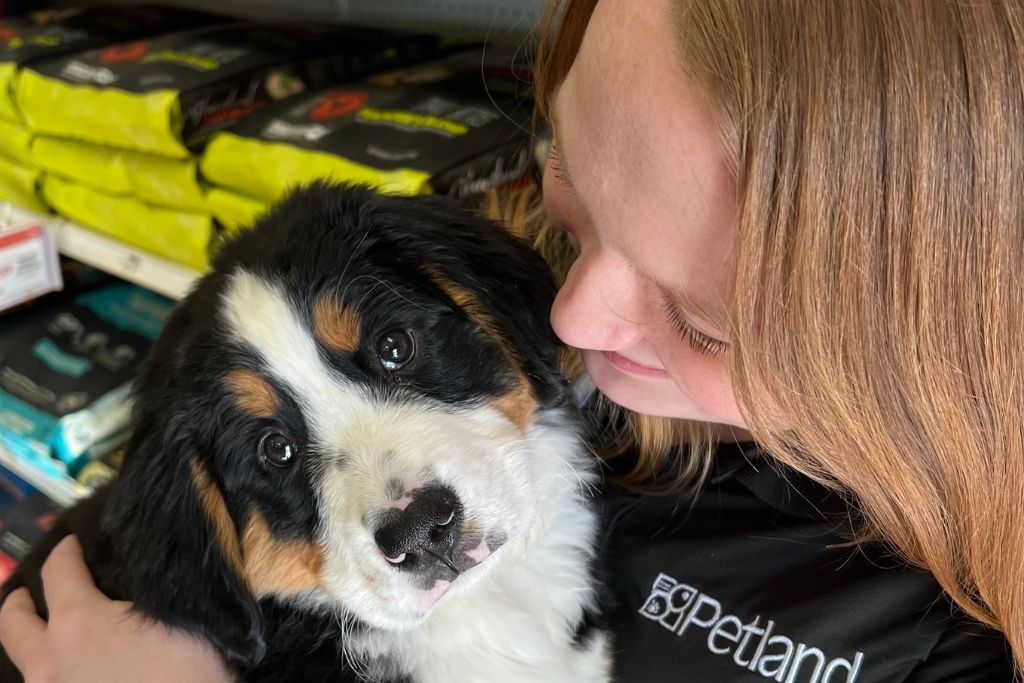
    woman wearing a petland shirt holding a bernese mountian dog puppy

    Bringing home a puppy is exciting. It is also a serious, long-term commitment.

    Before you choose a breed or fall in love with a face in the window, it helps to understand how the process works. Where your puppy comes from matters. What support you receive after adoption matters even more.

    At Petland, the goal is not simply to match families with puppies. It is to do so responsibly, transparently, and with ongoing support. Here is what you should know before purchasing a puppy from Petland, and why each point matters.

    1. Licensed Breeder Standards

    Petland works with licensed breeders who must meet federal animal welfare regulations. Many breeders also exceed those requirements with additional care standards.

    Why this matters: Licensed oversight helps protect puppy health and welfare from the start. Responsible sourcing supports ethical breeding practices.

    2. Veterinary Health Checks

    Before puppies go home, they receive veterinary examinations. They also begin age-appropriate vaccinations and deworming protocols. Documentation is provided to new owners.

    Why this matters: Early medical care supports healthy development and reduces preventable health risks. Clear records also help your personal veterinarian continue proper care.

    3. Health Warranty & Protection

    Petland provides a written health warranty. Specific coverage may vary by location, but it typically includes protections related to certain hereditary and congenital conditions.

    Why this matters: A written warranty adds a layer of confidence. It shows accountability and long-term commitment to the puppy’s well-being.

    4. Microchipping

    Many Petland puppies come microchipped before going home.

    Why this matters: Microchipping increases the likelihood of being reunited with your puppy if they become lost. It is a simple but essential safety step.

    5. Socialization & Early Care

    Petland puppies receive daily interaction and handling while in-store. Staff monitor feeding, cleaning, and enrichment routines carefully.

    Why this matters: Early positive exposure to people helps build confidence and smoother transitions into new homes.

    6. Education & Ongoing Support

    Petland teams provide guidance on nutrition, training basics, and general puppy care. Many locations also offer training resources or referrals.

    Why this matters: New puppy owners often have questions. Access to knowledgeable staff helps prevent common mistakes and builds long-term success.

    7. Transparent Questions & FAQs

    Petland locations provide access to FAQs and encourage open conversations about sourcing, care, and expectations.

    Why this matters: Transparency builds trust. Clear answers empower you to make informed decisions.

    Why This Information Is Important

    Choosing a puppy should never feel rushed. It should feel informed. Understanding breeder standards, veterinary care, warranties, and ongoing support helps you evaluate value beyond the initial excitement. Puppies require time, financial commitment, and consistent care for many years.

    When you work with a store that prioritizes compliance, documentation, and education, you reduce uncertainty. You gain partnership, not just a purchase.

    The Right Start Makes a Difference

    At Cosmick Media SEO Blogs, the focus remains on responsible placement, informed ownership, and long-term puppy health. If you are considering adding a puppy to your family, take the time to ask questions. Review health information. Meet the team.

    A confident start leads to a confident future, for you and your new best friend.

    Hungry for more? The next chapter’s even better! Follow the paw prints below to keep reading.

    The Ethical And Welfare Implications Of Buying From Petland Explained
    Bringing Home Your Dream Puppy: How Petland Financing Makes It Possible

  • What Breeds Does Frontier Pets Offer? A Clear Guide to Finding Your Perfect Puppy

    What Breeds Does Frontier Pets Offer? A Clear Guide to Finding Your Perfect Puppy

    Adding A Puppy To Your Family Is An Exciting Step. But Smart, Thoughtful Pet Parents Know That Breed Traits Matter Just As Much As Puppy Cuddles.

    Breed Impacts Size, Energy Level, Grooming Needs, Temperament, And Daily Life. Finding The Right Fit Helps Build A Harmonious, Long-Term Companionship. A Well-Matched Puppy Grows Into A Confident Companion. On The Other Hand, A Mismatch Can Create Stress For Both Dog And Owner.

    At Frontier Pets, Selecting A Puppy Is More Than A Shopping Decision. It’s A Partnership In Matching Families With Puppies Whose Traits Align With Their Lifestyle, Space, And Expectations. We Offer A Thoughtful Selection Of Breeds While Also Guiding Customers Toward The Best Choice For Their Environment And Goals.

    Why Choosing The Right Breed Matters

    Each Dog Breed Has A Story, And A Set Of Traits Shaped By History And Purpose.

    Different Breeds Come With Different Traits:

    • Size And Activity Level
    • Grooming And Coat Needs
    • Trainability And Temperament
    • Suitability For Families, Apartments, Or Active Homes

    Understanding These Elements Helps You Choose A Puppy That Becomes A Lifelong Companion, Not An Impulse That Doesn’t Fit Your Everyday Life. Frontier Pets Supports This Process By Helping You Explore Breed Options In Person, Offering Breed Information, And Connecting You With Available Puppies You Can Meet And Interact With Firsthand.

    What Breeds Does Frontier Pets Offer?

    Here’s What You Can Expect From Our Selection:

    • Purebred Registered Puppies
      Frontier Pets Offers Puppies From Recognized Pure Breeds With Documented Lineage. These Puppies Come From USDA-Licensed, Inspected Breeders, Which Helps Ensure Health And Welfare Standards Are Met Before Puppies Arrive.
    • Designer Mixed Breeds
      Designer Crosses, Such As Doodle Mixes And Other Intentional Breed Combinations, Also Appear Regularly. These Options Often Blend Desirable Traits From Two Breeds, Giving Families Friendly, Intelligent Companions With A Mix Of Characteristics.

    Frontier Pets Maintains A Dynamic Selection Of Puppies, Updated As Litters Become Available. While Availability Can Change Frequently, Here Is A Comprehensive List Of Breeds Currently Featured Or Often Offered Through The Website’s Puppies For Sale Page:

    Small & Companion Breeds:

    • Boston Terrier
    • French Bulldog
    • Havanese
    • Miniature Pinscher
    • Miniature Poodle
    • Miniature Schnauzer
    • Papillon
    • Pekingese
    • Pomeranian
    • Shih Tzu
    • Silky Terrier
    • Teddy Bear
    • Shih-Poo (Shih Tzu/Poodle Mix)
    • Shipoo (Shih Tzu/Pooche Mix)

    These Breeds Are Often Beloved For Their Affectionate Nature, Adaptability, And Suitability For A Wide Range Of Living Situations — From Apartments To Suburban Homes. Many Exhibit Friendly, Sociable Temperaments That Make Them Excellent Companions.

    Medium Breeds:

    • Cocker Spaniel
    • Schnoodle (Schnauzer/Poodle Mix)

    Medium Breeds Often Balance Playful Energy With Affectionate Companionship. They Thrive With Families Who Enjoy Outdoor Activity And Social Engagement.

    Large & Working Breeds:

    • Golden Retriever
    • Saint Bernard
    • Bernedoodle Mini F1b
    • English Mastiff
    • Tibetan Mastiff
    • Pembroke Welsh Corgi (Small But Sturdy)

    Larger Breeds Offer Loyal, Devoted Companionship And Often Enjoy Structured Activity. Some Are Calm And Steady, While Others Bring Protective Instincts And Gentle Playfulness.

    This Combination Of Breeds, From Petite Companions To Stately Family Dogs, Provides Options For Various Personalities And Lifestyles.

    How Frontier Pets Helps You Find Your Perfect Match

    Frontier Pets Stands Apart By Doing More Than Showing Puppies Online. We:

    • Encourage Visits So You Meet Puppies In Person.
    • Help Match Personalities And Lifestyle Needs To Breed Traits.
    • Provide Health Assurances, Veterinary Exams, And Warranties.
    • Support Ongoing Education And Puppy Parenting Tips.

    Our Team Understands That A Good Match Goes Beyond Breed. It’s About Temperament, Energy, And Long-Term Compatibility.

    Choose Thoughtfully. Love Fully.

    Whether Your Ideal Pup Is A Playful French Bulldog, A Devoted Golden Retriever, Or A Sociable Cocker Spaniel Mix, Frontier Pets Offers A Dynamic Selection. Choosing A Breed That Aligns With Your Home And Lifestyle Matters. With Transparency, Guidance, And Up-To-Date Breed Information, Frontier Pets Makes That Process Feel Intentional, Not Confusing.

    Explore Our Current Puppies For Sale And Let Frontier Pets Help You Take The Next Confident Step Toward Welcoming Your Perfect Puppy.

    If you’re not ready to stop scrolling, these articles are a great next adventure:

  • Spring Fever, Fur Real: What Happens to Your Dog’s Personality When Winter Ends?
    Spring Fever, Fur Real: What Happens to Your Dog’s Personality When Winter Ends?

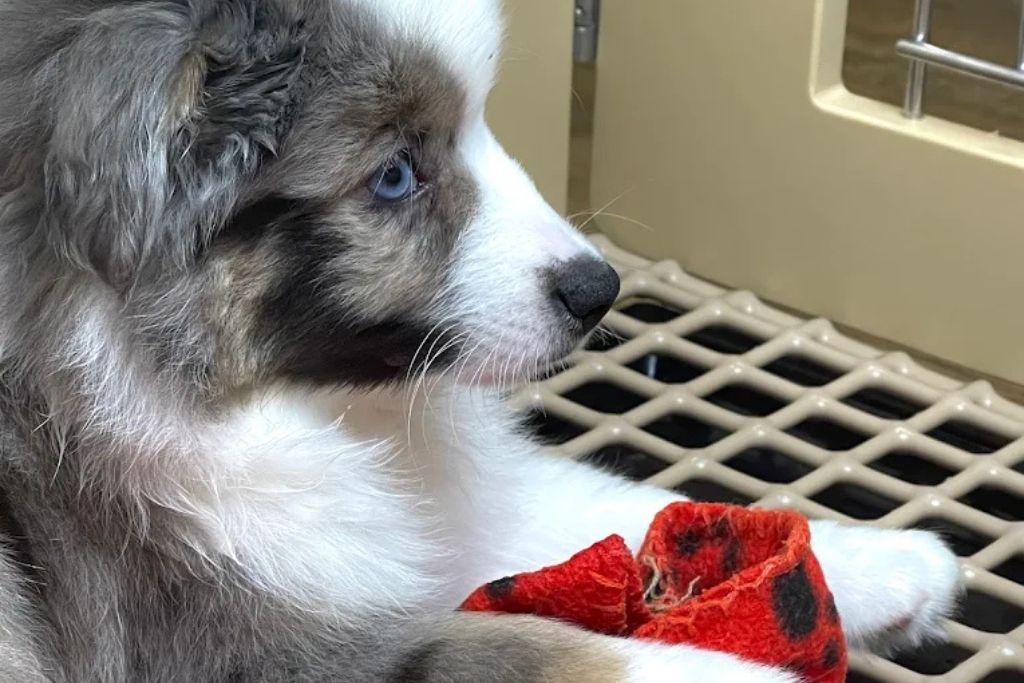
    puppy in grass with tongue out

    The snow melts. The sun sticks around longer. You suddenly feel like cleaning your entire house at 7 a.m. on a Saturday.

    Spring has officially entered the chat.

    And guess what? Your dog feels it, too.

    Just like us, dogs respond to seasonal changes. Longer daylight hours, warmer temperatures, and new smells in the air can shift their mood, energy, and behavior. If your pup seems a little extra lately, you’re not imagining it. Spring fever is real. And honestly, it’s kind of adorable.

    Here’s what you might notice (and how to roll with it).

    1. The Zoomies Are Back… With a Vengeance

    Longer days trigger more activity. Increased sunlight can influence your dog’s natural rhythms and boost energy levels. After a slower winter routine, your pup may suddenly act like they’ve had three espressos.

    What helps? Lean into it. Add an extra walk. Rotate in new toys. Plan a weekend park trip. Structured exercise channels that spring sparkle into healthy outlets.

    2. Sniff Mode: Activated

    Spring brings fresh grass, blooming plants, and an entire season’s worth of new scents. Your dog’s nose is in heaven.

    Expect longer sniff sessions on walks and a little more distraction outdoors. Sniffing is mental enrichment, so let them explore safely. A slightly slower walk can be great brain exercise.

    3. A Little More Reactivity

    More dogs are outside. Kids are playing. Squirrels are back. It’s a sensory overload situation.

    Some dogs become more alert or reactive during spring because their environment suddenly feels busier. Stay consistent with training cues. Reward calm behavior. Keep routines steady even as activity increases.

    4. The Great Shed-Off

    That thick winter coat? It’s clocking out.

    As temperatures rise, dogs naturally shed to regulate body temperature. You may notice more fur around the house and slightly itchier behavior.

    Regular brushing helps. So does high-quality nutrition that supports skin and coat health. 

    5. The “Let’s Do Something” Face

    Winter can mean more indoor time. Spring reopens your dog’s social calendar.

    Your pup may suddenly want more playdates, more outings, and more “us” time. This is a great season to build positive experiences. Try a new walking trail. Visit a pet-friendly patio. Reinforce good leash manners.

    Helping Your Dog Thrive This Spring

    Transition gradually. Keep meals consistent. Increase activity in manageable steps. Watch for allergy signs like excessive scratching or paw licking. If something feels off, consult your veterinarian.

    Most of all? Enjoy it.

    Spring is a reset button. For you. For your dog. For your daily rhythm together.

    We love helping pet parents navigate every season with confidence. Whether you need grooming tools, enrichment toys, or expert advice, we’re here for it.

    New season. New energy. Same best friend.

    The snow melts. The sun sticks around longer. You suddenly feel like cleaning your entire house at 7 a.m. on a Saturday.

    Spring has officially entered the chat.

    And guess what? Your dog feels it, too.

    Just like us, dogs respond to seasonal changes. Longer daylight hours, warmer temperatures, and new smells in the air can shift their mood, energy, and behavior. If your pup seems a little extra lately, you’re not imagining it. Spring fever is real. And honestly, it’s kind of adorable.

    Here’s what you might notice (and how to roll with it).

    1. The Zoomies Are Back… With a Vengeance

    Longer days trigger more activity. Increased sunlight can influence your dog’s natural rhythms and boost energy levels. After a slower winter routine, your pup may suddenly act like they’ve had three espressos.

    What helps? Lean into it. Add an extra walk. Rotate in new toys. Plan a weekend park trip. Structured exercise channels that spring sparkle into healthy outlets.

    2. Sniff Mode: Activated

    Spring brings fresh grass, blooming plants, and an entire season’s worth of new scents. Your dog’s nose is in heaven.

    Expect longer sniff sessions on walks and a little more distraction outdoors. Sniffing is mental enrichment, so let them explore safely. A slightly slower walk can be great brain exercise.

    3. A Little More Reactivity

    More dogs are outside. Kids are playing. Squirrels are back. It’s a sensory overload situation.

    Some dogs become more alert or reactive during spring because their environment suddenly feels busier. Stay consistent with training cues. Reward calm behavior. Keep routines steady even as activity increases.

    4. The Great Shed-Off

    That thick winter coat? It’s clocking out.

    As temperatures rise, dogs naturally shed to regulate body temperature. You may notice more fur around the house and slightly itchier behavior.

    Regular brushing helps. So does high-quality nutrition that supports skin and coat health. 

    5. The “Let’s Do Something” Face

    Winter can mean more indoor time. Spring reopens your dog’s social calendar.

    Your pup may suddenly want more playdates, more outings, and more “us” time. This is a great season to build positive experiences. Try a new walking trail. Visit a pet-friendly patio. Reinforce good leash manners.

    Helping Your Dog Thrive This Spring

    Transition gradually. Keep meals consistent. Increase activity in manageable steps. Watch for allergy signs like excessive scratching or paw licking. If something feels off, consult your veterinarian.

    Most of all? Enjoy it.

    Spring is a reset button. For you. For your dog. For your daily rhythm together.

    We love helping pet parents navigate every season with confidence. Whether you need grooming tools, enrichment toys, or expert advice, we’re here for it.

    New season. New energy. Same best friend.

    Hungry for more? The next chapter’s even better! Follow the paw prints below to keep reading.

    National Spoil Your Dog Day: Yes, They Deserve It (Every. Single. Day.)
    New Year, Happy Dog: 10 Healthy Habits to Kick Off 2026 With Your Pup

  • Is It Safe to Buy a Puppy from PetCenter NJ? Here’s What You Should Know

    Is It Safe to Buy a Puppy from PetCenter NJ? Here’s What You Should Know

    Finding the right puppy is exciting. Finding the right place to get one matters even more.

    When you start researching, you’ll see plenty of opinions online. However, the real question is simple: Is the environment responsible? Are the puppies cared for properly? Is there transparency?

    If you’re considering PetCenter NJ, the short answer is yes, it is safe. More importantly, it is structured around care, accountability, and long-term support. Here’s why.

    What You Should Be Looking For

    A safe place to buy a puppy should prioritize health, welfare, and education. It should be transparent about where puppies come from. It should also provide veterinary oversight and ongoing customer support.

    PetCenter NJ focuses on those exact pillars. We operate with structured health protocols, regulated sourcing standards, and a clear commitment to animal care. 

    That foundation is what makes the difference.

    Is It Safe? Yes, and Here’s Why

    Yes, Because Veterinary Care Is Built Into The Process.

    PetCenter NJ works closely with licensed veterinarians to ensure puppies receive thorough examinations and appropriate preventative care. Health monitoring begins before a puppy ever goes home. This helps protect both the puppy and the new family.

    Yes, Because Breeder Standards Matter.

    PetCenter NJ partners with breeders who must meet strict regulatory standards. We do not source from unverified or unregulated environments. Responsible sourcing supports ethical practices and healthier outcomes.

    Yes, Because Daily Care Is Structured And Monitored.

    The team follows detailed care routines that include feeding schedules, sanitation protocols, and social interaction. Clean environments and consistent oversight reduce stress and support healthy development.

    Yes, Because Transparency Is Encouraged.

    PetCenter NJ openly shares information about care standards and company practices. We invite questions. That level of openness builds trust and allows families to make informed decisions.

    Yes, Because Support Doesn’t End At Checkout.

    New puppy owners receive guidance on care, transition, and next steps. The team remains available to answer questions after adoption. That continued connection helps families feel confident.

    A Safe Start Makes a Lasting Difference

    Bringing home a puppy should feel exciting, not uncertain. When a pet store prioritizes veterinary care, regulated sourcing, and clear communication, safety follows naturally.

    PetCenter NJ is built around responsible animal care and community trust. If you’re considering adding a puppy to your home, take time to visit, ask questions, and meet the team.

    Confidence starts with information. And the right beginning sets the tone for a lifetime of companionship.

    Hungry for more? The next chapter’s even better! Follow the paw prints below to keep reading.
    What Health Checks, Veterinary Care, and Guarantees Does PetCenter Provide?
    Is It Safe to Buy a Puppy From a Pet Store? Here’s Why PetCenter NJ Makes It a Confident Choice