Category: A Blog Called Pup

  • Puppy Vaccines Explained: What Your Dog Needs in the First Year

    Puppy Vaccines Explained: What Your Dog Needs in the First Year

    Your new puppy is finally home, and suddenly life looks a little different.

    There are toys in every room, a growing collection of treats in the kitchen, and at least one family member already completely wrapped around your puppy’s paw. But alongside all the fun comes something equally important: protecting your puppy’s health during their first year.

    For many dog owners across Georgia, and surrounding communities in Atlanta, puppy vaccines can initially feel overwhelming. There are multiple appointments, unfamiliar vaccine names, and different recommendations depending on your dog’s lifestyle.

    The good news? Once you break it down, the first-year vaccine schedule becomes much easier to understand.

    Why Puppies Need Vaccines Early

    Puppies are born with temporary immunity passed down from their mother. However, that protection fades over time.

    That’s why veterinarians recommend a series of vaccines during the first several months of life. These vaccines help protect puppies from highly contagious and potentially serious diseases while their immune systems develop.

    Most puppies begin vaccinations between 6 and 8 weeks old, followed by booster shots every few weeks until around 16 weeks of age.

    The Core Vaccines Most Puppies Receive

    DHPP (Distemper, Hepatitis, Parvovirus, Parainfluenza)

    This is one of the most important puppy vaccines.

    The DHPP vaccine protects against four serious illnesses:

    • Distemper
    • Adenovirus (hepatitis)
    • Parvovirus
    • Parainfluenza

    Puppies typically receive this vaccine in a series at:

    • 6–8 weeks
    • 10–12 weeks
    • 14–16 weeks

    A booster is usually given again around one year old.

    These diseases can spread quickly among dogs, especially puppies, which is why veterinarians consider this a core vaccine.

    Rabies Vaccination Requirements

    Rabies vaccines are legally required in Georgia.

    Most puppies receive their first rabies vaccine between 14 and 16 weeks old, depending on local regulations and veterinary guidance.

    Rabies affects the nervous system and is fatal once symptoms appear. Because it can also spread to humans, maintaining this vaccine matters for both public health and pet safety.

    Lifestyle Vaccines Your Vet May Recommend

    Bordetella (Kennel Cough)

    This vaccine is often recommended for puppies that may attend:

    • Puppy classes
    • Grooming appointments
    • Boarding facilities
    • Doggy daycare
    • Social dog environments

    Bordetella spreads easily in group settings and commonly contributes to kennel cough.

    Leptospirosis

    Leptospirosis is a bacterial disease that can spread through contaminated water and wildlife exposure.

    Because warm climates and outdoor activity are common throughout the Southeast, many veterinarians recommend discussing this vaccine with puppy owners.

    Lyme Disease and Canine Influenza

    Some puppies may also benefit from Lyme disease or canine influenza vaccines depending on lifestyle, travel, and local exposure risks.

    Your veterinarian can help determine whether these vaccines make sense for your dog specifically.

    Don’t Forget Heartworm Prevention

    Heartworm is not prevented through a vaccine, but prevention usually begins during puppyhood with regularly administered medication.

    Because mosquitoes remain active for much of the year in the Carolinas / Georgia, veterinarians often recommend starting prevention early.

    Helping Puppies Start Strong

    We understand how important the first year is for both puppies and their families.

    There is a lot to learn, and naturally, every owner wants to make thoughtful decisions about their dog’s health. That’s why trusted guidance, education, and preparation matter so much during puppyhood.

    Remember that raising a healthy, confident dog starts with giving them the strongest possible foundation from day one.

    The First Year Goes Faster Than You Think

    Right now, your puppy may still feel tiny.

    But between vet visits, training milestones, and countless everyday moments, that first year moves quickly. Staying consistent with vaccines and preventive care helps protect your dog through every stage of growth.

    And peace of mind is one of the best things you can give both your puppy and yourself.

    If you’re up for another good read, these articles are a great place to start:

  • Ranking Summer Activities by How Dramatic Your Dog Will Be About Them

    Ranking Summer Activities by How Dramatic Your Dog Will Be About Them

    Summer plans always sound amazing in theory.
    Beach days. Hiking trails. Backyard sprinklers. Sunny patio brunches. Long walks at golden hour.

    And then your dog enters the chat.

    Suddenly, the sprinkler is a personal attack. The hiking trail becomes a survival documentary. And the kiddie pool you lovingly bought? Apparently offensive.

    The truth is, dogs experience summer activities in hilariously different ways depending on their personality, confidence level, breed tendencies, and comfort zones. Some pups are adventurous outdoor athletes. Others act like stepping on warm grass is emotional hardship.

    And we love all of it.

    Because while dogs are absolutely part of the family, they also come with opinions. Very strong opinions. And learning those quirks helps us better understand what makes each pup feel happy, secure, and genuinely comfortable.

    So naturally, we ranked some classic summer activities by exactly how dramatic your dog will probably be about them.

    1. Sprinklers = Absolute Betrayal

    Drama Level: 10/10

    For some dogs, sprinklers are magical.
    For others? They are moving water demons sent specifically to ruin their afternoon.

    You’ll usually spot two types of sprinkler dogs:

    • The athletic water lover who launches directly into the spray at full speed
    • The deeply suspicious pup who barks at the sprinkler like it personally insulted their family

    Herding breeds and energetic sporting dogs often love interactive water play because it taps into their active instincts. More cautious or sensitive pups, meanwhile, may need slower introductions.

    Either way, expect chaos.

    2. Hiking = Oscar-Worthy Exhaustion

    Drama Level: 9/10

    The hike begins with confidence.
    Your dog pulls ahead. They’re athletic. Fearless. Explorers of the wilderness.

    Forty minutes later? Suddenly they’re collapsing dramatically beside a rock like they just completed a seven-part documentary series called Surviving Nature.

    Active breeds often thrive on outdoor adventures because they need physical and mental stimulation. However, every dog has different endurance levels, especially during warmer weather.

    Also important: hot trails can hurt paw pads quickly in summer heat. Dramatic reactions may actually be your dog telling you they need a break, water, or cooler ground.

    Even the drama queens have valid points sometimes.

    3. Beach Day = Main Character Energy

    Drama Level: Depends Entirely on Sand Tolerance

    Some dogs were spiritually designed for beach life.
    They sprint. They swim. They steal unattended sandwiches with confidence.

    Others step onto sand once and immediately look offended beyond comprehension.

    Water-loving breeds like Retrievers often enjoy swimming because it provides excellent low-impact exercise. Meanwhile, some smaller or fluffier dogs prefer observing beach activities safely from a towel throne under an umbrella.

    Respectfully, not every dog wants to “touch the ocean.”

    4. Kiddie Pool = Tiny Backyard Luxury Spa

    Drama Level: Surprisingly Low

    A shocking amount of dogs become deeply attached to kiddie pools during summer.
    Especially brachycephalic breeds, thicker-coated pups, or dogs that naturally run warm.

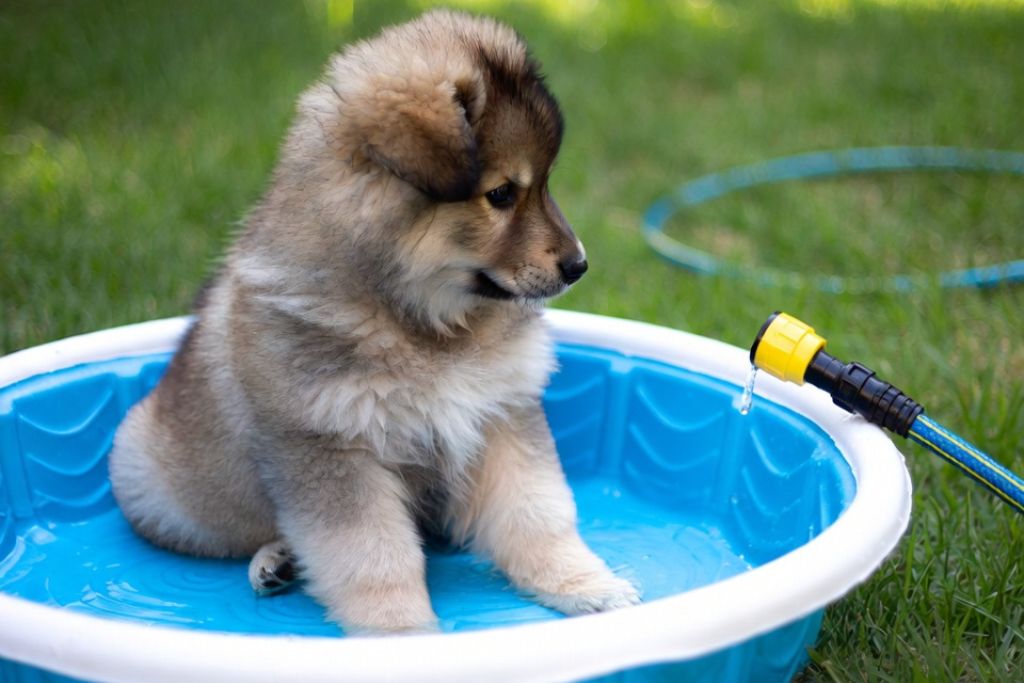
    Some gently lounge inside like they’re vacationing at a luxury resort. Others treat it like a splash zone and somehow soak every human within a ten-foot radius.

    Cooling activities can help dogs stay safer and more comfortable during hot weather, especially during peak summer temperatures.

    And truthfully, watching a dog sit peacefully in two inches of water feels weirdly healing.

    5. Outdoor Dining = A Personal Mission for Snacks

    Drama Level: Extremely Opportunistic

    Taking your dog to a pet-friendly patio sounds adorable.
    Until your pup locks eyes with a stranger eating fries and decides friendship must happen immediately.

    Social dogs often enjoy public outings because they thrive around people and stimulation. But busy environments can overwhelm more reserved pups.

    That’s why understanding your dog’s comfort level matters so much. Not every dog enjoys crowded social settings, and that’s completely okay.

    Some dogs are brunch dogs.
    Some dogs are “please let me nap indoors in peace” dogs.

    Why Understanding Personality Matters

    Behind every dramatic reaction is usually something real: energy levels, breed instincts, sensitivity, confidence, or comfort preferences.

    That’s why we always believe finding the right puppy match goes far beyond appearance. Understanding temperament, activity needs, and personality helps create happier homes and stronger bonds.

    Some pups want adventure every weekend. Others want air conditioning, snacks, and emotional support blankets.

    Both are valid.

    Summer Is Better With a Little Dog Drama

    At the end of the day, summer with dogs is rarely calm, perfectly planned, or clean.
    There will probably be muddy paws. Unexpected zoomies. One completely unnecessary barking incident. Maybe an emotional reaction to a sprinkler.

    But that’s also what makes it fun.

    Because every dog brings their own personality into every summer memory. And honestly, we wouldn’t want it any other way.

    Puppies For Sale

  • Puppy Vaccines Explained: What Your Dog Needs in the First Year

    Puppy Vaccines Explained: What Your Dog Needs in the First Year

    Your new puppy is finally home, and suddenly life looks a little different.

    There are toys in every room, a growing collection of treats in the kitchen, and at least one family member already completely wrapped around your puppy’s paw. But alongside all the fun comes something equally important: protecting your puppy’s health during their first year.

    For many dog owners across Charlotte, and surrounding communities in North Carolina, puppy vaccines can initially feel overwhelming. There are multiple appointments, unfamiliar vaccine names, and different recommendations depending on your dog’s lifestyle.

    The good news? Once you break it down, the first-year vaccine schedule becomes much easier to understand.

    Why Puppies Need Vaccines Early

    Puppies are born with temporary immunity passed down from their mother. However, that protection fades over time.

    That’s why veterinarians recommend a series of vaccines during the first several months of life. These vaccines help protect puppies from highly contagious and potentially serious diseases while their immune systems develop.

    Most puppies begin vaccinations between 6 and 8 weeks old, followed by booster shots every few weeks until around 16 weeks of age.

    The Core Vaccines Most Puppies Receive

    DHPP (Distemper, Hepatitis, Parvovirus, Parainfluenza)

    This is one of the most important puppy vaccines.

    The DHPP vaccine protects against four serious illnesses:

    • Distemper
    • Adenovirus (hepatitis)
    • Parvovirus
    • Parainfluenza

    Puppies typically receive this vaccine in a series at:

    • 6–8 weeks
    • 10–12 weeks
    • 14–16 weeks

    A booster is usually given again around one year old.

    These diseases can spread quickly among dogs, especially puppies, which is why veterinarians consider this a core vaccine.

    Rabies Vaccination Requirements

    Rabies vaccines are legally required in North Carolina.

    Most puppies receive their first rabies vaccine between 14 and 16 weeks old, depending on local regulations and veterinary guidance.

    Rabies affects the nervous system and is fatal once symptoms appear. Because it can also spread to humans, maintaining this vaccine matters for both public health and pet safety.

    Lifestyle Vaccines Your Vet May Recommend

    Bordetella (Kennel Cough)

    This vaccine is often recommended for puppies that may attend:

    • Puppy classes
    • Grooming appointments
    • Boarding facilities
    • Doggy daycare
    • Social dog environments

    Bordetella spreads easily in group settings and commonly contributes to kennel cough.

    Leptospirosis

    Leptospirosis is a bacterial disease that can spread through contaminated water and wildlife exposure.

    Because warm climates and outdoor activity are common throughout the Southeast, many veterinarians recommend discussing this vaccine with puppy owners.

    Lyme Disease and Canine Influenza

    Some puppies may also benefit from Lyme disease or canine influenza vaccines depending on lifestyle, travel, and local exposure risks.

    Your veterinarian can help determine whether these vaccines make sense for your dog specifically.

    Don’t Forget Heartworm Prevention

    Heartworm is not prevented through a vaccine, but prevention usually begins during puppyhood with regularly administered medication.

    Because mosquitoes remain active for much of the year in the Carolinas / Georgia, veterinarians often recommend starting prevention early.

    Helping Puppies Start Strong

    We understand how important the first year is for both puppies and their families.

    There is a lot to learn, and naturally, every owner wants to make thoughtful decisions about their dog’s health. That’s why trusted guidance, education, and preparation matter so much during puppyhood.

    Remember that raising a healthy, confident dog starts with giving them the strongest possible foundation from day one.

    The First Year Goes Faster Than You Think

    Right now, your puppy may still feel tiny.

    But between vet visits, training milestones, and countless everyday moments, that first year moves quickly. Staying consistent with vaccines and preventive care helps protect your dog through every stage of growth.

    And peace of mind is one of the best things you can give both your puppy and yourself.

    If you’re up for another good read, these articles are a great place to start:

  • How Much Exercise Does Your Puppy Really Need? A Practical Guide for Growing Dogs

    How Much Exercise Does Your Puppy Really Need? A Practical Guide for Growing Dogs

    We all know what it feels like to need movement.

    A walk clears your head. A bit of activity resets your energy. It’s not just about staying in shape, it’s about feeling balanced.

    Puppies are no different.

    Exercise plays a role in how they grow, how they behave, and how they settle into daily life. And while it’s easy to assume “more is better,” that’s not always the case. Especially for young, developing dogs.

    Why Exercise Matters: Beyond the Physical

    Exercise isn’t just about burning off energy.

    For puppies, it supports muscle development, coordination, and overall health. Just as importantly, it helps with mental stimulation. A well-exercised puppy is more likely to be calm, focused, and receptive to training.

    Without enough activity, puppies can become restless or develop unwanted behaviors. But too much exercise, especially too soon, can put stress on growing joints.

    Finding the right balance is key.

    How Much Exercise Does Your Puppy Really Need?

    There isn’t a one-size-fits-all answer, but there are clear guidelines that can help.

    Start with Age-Based Guidelines

    A commonly recommended approach is the “5-minute rule”:

    • 5 minutes of structured exercise per month of age
    • Up to twice per day

    For example:

    • A 3-month-old puppy → about 15 minutes per session
    • A 5-month-old puppy → about 25 minutes per session

    This includes walks and intentional play, not free roaming.

    Consider Breed and Energy Level

    Not all puppies are built the same.

    • High-energy breeds (like working or sporting dogs) may need more frequent activity and mental challenges.
    • Lower-energy breeds may be satisfied with shorter, gentler sessions.

    What matters most is observing your puppy. Energy levels, attention span, and recovery all provide useful signals.

    Prioritize Quality Over Intensity

    Exercise for puppies should be controlled and age-appropriate.

    Good options include:

    • Short walks on even surfaces
    • Gentle play sessions
    • Basic training exercises (which also provide mental stimulation)

    Activities to limit or avoid:

    • Long-distance running
    • Repetitive jumping (like catching frisbees)
    • Hard-impact play on rough surfaces

    Puppies are still developing. Their joints and bones need time to grow properly.

    Watch for Signs of Overexertion

    It’s easy to overdo it, especially with an enthusiastic puppy.

    Look for signs like:

    • Slowing down or lagging behind
    • Excessive panting
    • Lying down mid-activity

    If you notice these, it’s time to stop and rest. Recovery is just as important as activity.

    Don’t Forget Mental Exercise

    Physical activity is only part of the picture.

    Training sessions, puzzle toys, and new environments all help stimulate your puppy’s mind. In many cases, mental enrichment can be just as tiring, and just as beneficial, as a walk.

    A Thoughtful Approach to Healthy Puppies

    At Charlotte Dog Club, we place a strong emphasis on overall wellbeing.

    That means helping families understand not just how to care for their puppies but how to support their development in a balanced, informed way. Exercise is a big part of that, but it’s always approached with intention.

    Healthy puppies aren’t just active. They’re supported, guided, and given what they need at the right time.

    Finding the Right Rhythm

    The goal isn’t to tire your puppy out. It’s to build a routine that works for their age, breed, and stage of development.

    When exercise is done right, you’ll see it. Better focus. Smoother training. A puppy that knows when it’s time to play… and when it’s time to rest.

    And that’s where everything starts to come together.

    If you’re up for another good read, these articles are a great place to start:

  • How Much Exercise Does Your Puppy Really Need? A Practical Guide for Growing Dogs

    How Much Exercise Does Your Puppy Really Need? A Practical Guide for Growing Dogs

    We all know what it feels like to need movement.

    A walk clears your head. A bit of activity resets your energy. It’s not just about staying in shape, it’s about feeling balanced.

    Puppies are no different.

    Exercise plays a role in how they grow, how they behave, and how they settle into daily life. And while it’s easy to assume “more is better,” that’s not always the case. Especially for young, developing dogs.

    Why Exercise Matters: Beyond the Physical

    Exercise isn’t just about burning off energy.

    For puppies, it supports muscle development, coordination, and overall health. Just as importantly, it helps with mental stimulation. A well-exercised puppy is more likely to be calm, focused, and receptive to training.

    Without enough activity, puppies can become restless or develop unwanted behaviors. But too much exercise, especially too soon, can put stress on growing joints.

    Finding the right balance is key.

    How Much Exercise Does Your Puppy Really Need?

    There isn’t a one-size-fits-all answer, but there are clear guidelines that can help.

    Start with Age-Based Guidelines

    A commonly recommended approach is the “5-minute rule”:

    • 5 minutes of structured exercise per month of age
    • Up to twice per day

    For example:

    • A 3-month-old puppy → about 15 minutes per session
    • A 5-month-old puppy → about 25 minutes per session

    This includes walks and intentional play, not free roaming.

    Consider Breed and Energy Level

    Not all puppies are built the same.

    • High-energy breeds (like working or sporting dogs) may need more frequent activity and mental challenges.
    • Lower-energy breeds may be satisfied with shorter, gentler sessions.

    What matters most is observing your puppy. Energy levels, attention span, and recovery all provide useful signals.

    Prioritize Quality Over Intensity

    Exercise for puppies should be controlled and age-appropriate.

    Good options include:

    • Short walks on even surfaces
    • Gentle play sessions
    • Basic training exercises (which also provide mental stimulation)

    Activities to limit or avoid:

    • Long-distance running
    • Repetitive jumping (like catching frisbees)
    • Hard-impact play on rough surfaces

    Puppies are still developing. Their joints and bones need time to grow properly.

    Watch for Signs of Overexertion

    It’s easy to overdo it, especially with an enthusiastic puppy.

    Look for signs like:

    • Slowing down or lagging behind
    • Excessive panting
    • Lying down mid-activity

    If you notice these, it’s time to stop and rest. Recovery is just as important as activity.

    Don’t Forget Mental Exercise

    Physical activity is only part of the picture.

    Training sessions, puzzle toys, and new environments all help stimulate your puppy’s mind. In many cases, mental enrichment can be just as tiring, and just as beneficial, as a walk.

    A Thoughtful Approach to Healthy Puppies

    At Georgia Dog Club, we place a strong emphasis on overall wellbeing.

    That means helping families understand not just how to care for their puppies but how to support their development in a balanced, informed way. Exercise is a big part of that, but it’s always approached with intention.

    Healthy puppies aren’t just active. They’re supported, guided, and given what they need at the right time.

    Finding the Right Rhythm

    The goal isn’t to tire your puppy out. It’s to build a routine that works for their age, breed, and stage of development.

    When exercise is done right, you’ll see it. Better focus. Smoother training. A puppy that knows when it’s time to play… and when it’s time to rest.

    And that’s where everything starts to come together.

    If you’re up for another good read, these articles are a great place to start:

  • The Dog Mom Quiz: What Type Are You?

    The Dog Mom Quiz: What Type Are You?

    Let’s be honest: Your dog isn’t just a dog.

    They’re your baby. Your shadow. Your emotional support on long days. The one who somehow knows exactly when you need a cuddle (or a little chaos). That bond? It’s real. And if you’re a dog mom, you feel it every single day.

    Being a dog mom is a privilege. And it shows up in different ways. So with Mother’s Day around the corner, we thought we’d ask the important question:

    What kind of dog mom are you, really?

    Let’s find out.

    The Dog Mom Quiz (Be Honest!)

    1.Your dog wakes you up early. You…

    A. Already awake. Walk time.

    B. Stretch, cuddle, then get up slowly.

    C. Panic. Are they okay? Why are they up?

    D. Pretend to sleep for five more minutes.

    2. Your camera roll looks like…

    A. Park days, walks, action shots.

    B. Cozy naps and soft moments.

    C. 500 close-ups of their face.

    D. Random. But yes, mostly your dog.

    3. Treat time means…

    A. Only after good behavior.

    B. A little reward here and there.

    C. They blinked. That deserves a treat.

    D. Wait… where did I put the treats?

    4. A typical walk is…

    A. Structured and consistent.

    B. Relaxed, letting them explore.

    C. You watching them the entire time.

    D. Wherever they want to go.

    5. When your dog seems “off,” you…

    A. Observe first, then act if needed.

    B. Give extra love and monitor.

    C. Google everything immediately.

    D. Assume they’re fine… probably.

    6. Bedtime situation?

    A. Their own bed, same spot every night.

    B. Somewhere comfy nearby.

    C. In your bed. Obviously.

    D. Wherever they end up.

    7. Buying for your dog feels like…

    A. Purposeful. Only what they need.

    B. A mix of needs and cute finds.

    C. Everything. They deserve it all.

    D. Last-minute but it works out.

    Your Results

    Mostly A’s: The Structured Queen

    You bring consistency, routine, and balance. Dogs thrive on structure, and you naturally provide it. Training, exercise, and proper care? You’ve got it covered.

    Mostly B’s: The Cozy Caregiver

    Your dog feels safe, calm, and deeply loved. You focus on comfort and connection, which is key… especially for young or anxious pups.

    Mostly C’s: The Devoted (Slightly Obsessed) Mom

    You’re tuned into every detail, and that’s a good thing. Being attentive helps you spot changes early and stay proactive about your dog’s health.

    Mostly D’s: The Go-With-The-Flow Mom

    You keep things easy, natural, and fun. Your dog enjoys freedom and flexibility. Add a little structure, and you’ve got the perfect balance.

    What Your Dog Actually Needs

    No matter your result, every dog benefits from a mix of:

    • Routine
    • Mental and physical stimulation
    • Proper nutrition
    • And, of course, love

    Some moms lean one way more than others. And that’s okay! It’s all about finding what works for you and your pup.

    We See Every Type. And We Love It

    We meet all kinds of dog moms every day. First-time puppy parents, seasoned pros, and the ones already planning their pup’s birthday party.

    Wherever you fall, we’re here to help you do it right – from choosing the perfect puppy to giving them the best start possible.

    Happy Mother’s Day, Dog Moms

    However you show up for your pup (structured, cozy, chaotic, or all of the above!), you’re doing something special.

    Because to them?

    You’re not just their mom.

    You’re their whole world.

  • Who Actually Breeds Georgia Dog Club Puppies? The Story Behind Every Pup

    Who Actually Breeds Georgia Dog Club Puppies? The Story Behind Every Pup

    You’re sitting on the couch late one evening, scrolling through photos of puppies. One catches your eye. Then another. Before you know it, you’re imagining what life might look like with a dog by your side.

    But somewhere between the excitement and the daydreaming, a very practical thought appears:

    Who bred this puppy?

    It’s a fair question. And a smart one. When families begin searching for a puppy, curiosity about a dog’s background often turns into a deeper conversation about trust, care, and responsibility.

    At Georgia Dog Club, we welcome that curiosity. In fact, it’s one of the questions we hear most often.

    And we believe it deserves a clear answer.

    Why a Puppy’s Origins Matter

    A puppy’s early weeks shape so much of their future.

    The environment where they are born, the people who care for them, and the experiences they have before joining a new home all play a role in their development. That’s why responsible programs place enormous importance on breeder partnerships. When those relationships are built carefully, families can feel confident about the journey their puppy has taken before meeting them.

    At Georgia Dog Club, thoughtful breeder selection is one of the foundations of our program.

    The Breeders Behind Georgia Dog Club Puppies

    Every puppy in our program comes from carefully selected partner breeders who share our commitment to responsible breeding and animal welfare.

    However, becoming a partner breeder is not a simple process.

    Before we even begin evaluating a new breeder, they must first be referred by another trusted partner breeder already working within our program. This step ensures that new partnerships begin with a foundation of trust.

    After the referral, we personally meet with the breeder to confirm that our values align. Animal welfare must always come first.

    All of our breeders are family breeders, meaning their programs operate within their homes. Puppies grow up surrounded by everyday life: people moving through the house, conversations, and gentle handling from family members.

    Children often play a role in caring for the puppies as well. That early interaction helps puppies become comfortable with people and prepared for life as companions.

    Maintaining Health and Breed Standards

    Another key part of our program involves carefully selecting the parent dogs within our network.

    When we welcome a breeder into our program, we may place parent dogs that we have selected into their pre-approved facilities. These facilities must meet standards approved by our presiding veterinarian.

    This approach allows us to maintain oversight while protecting the health and temperament of each breed.

    Health testing may include:
    • DNA testing
    • OFA (Orthopedic Foundation for Animals) testing
    • Breed-specific health screenings

    These steps help ensure that each puppy represents the qualities families expect from their chosen breed.

    Veterinary Care and Early Socialization

    Before going home, every puppy receives thorough veterinary care.
    Each puppy receives:
    • A veterinary health check
    • Age-appropriate vaccinations
    • Deworming treatments
    • Microchipping
    • Fecal testing

    Just as important is early socialization. Because puppies are raised in family homes, they experience normal household activity from an early age. Our breeders also follow structured socialization protocols designed around each stage of development.

    This preparation helps puppies grow into confident, well-adjusted companions.

    The Dog Club Promise

    One of the things that sets Georgia Dog Club apart is our 10-year health guarantee.

    Offering a guarantee like this requires complete confidence in the breeders and parent dogs within our program. It reflects the trust we have in the health, care, and responsibility behind every puppy we place.

    Responsible breeders put an incredible amount of dedication into raising healthy litters. Their work often happens quietly behind the scenes, yet it forms the foundation of every great puppy story.

    The Beginning of Something Special

    Every puppy at Georgia Dog Club starts life surrounded by care, structure, and intention.

    Long before a family walks through our doors, there is already a network of people working together. Breeders, veterinarians, and caregivers, all focused on raising healthy, happy dogs.

    When the right puppy finally meets the right family, it feels effortless. But behind that moment is a great deal of thoughtful preparation. And that preparation is what helps turn a simple introduction into the beginning of a lifelong bond.

    If you’re up for another good read, these articles are a great place to start:

  • Who Actually Breeds Charlotte Dog Club Puppies? The Story Behind Every Pup

    Who Actually Breeds Charlotte Dog Club Puppies? The Story Behind Every Pup

    You’re sitting on the couch late one evening, scrolling through photos of puppies. One catches your eye. Then another. Before you know it, you’re imagining what life might look like with a dog by your side.

    But somewhere between the excitement and the daydreaming, a very practical thought appears:

    Who bred this puppy?

    It’s a fair question. And a smart one. When families begin searching for a puppy, curiosity about a dog’s background often turns into a deeper conversation about trust, care, and responsibility.

    At Charlotte Dog Club, we welcome that curiosity. In fact, it’s one of the questions we hear most often.

    And we believe it deserves a clear answer.

    Why a Puppy’s Origins Matter

    A puppy’s early weeks shape so much of their future.

    The environment where they are born, the people who care for them, and the experiences they have before joining a new home all play a role in their development. That’s why responsible programs place enormous importance on breeder partnerships. When those relationships are built carefully, families can feel confident about the journey their puppy has taken before meeting them.

    At Charlotte Dog Club, thoughtful breeder selection is one of the foundations of our program.

    The Breeders Behind Charlotte Dog Club Puppies

    Every puppy in our program comes from carefully selected partner breeders who share our commitment to responsible breeding and animal welfare.

    However, becoming a partner breeder is not a simple process.

    Before we even begin evaluating a new breeder, they must first be referred by another trusted partner breeder already working within our program. This step ensures that new partnerships begin with a foundation of trust.

    After the referral, we personally meet with the breeder to confirm that our values align. Animal welfare must always come first.

    All of our breeders are family breeders, meaning their programs operate within their homes. Puppies grow up surrounded by everyday life: people moving through the house, conversations, and gentle handling from family members.

    Children often play a role in caring for the puppies as well. That early interaction helps puppies become comfortable with people and prepared for life as companions.

    Maintaining Health and Breed Standards

    Another key part of our program involves carefully selecting the parent dogs within our network.

    When we welcome a breeder into our program, we may place parent dogs that we have selected into their pre-approved facilities. These facilities must meet standards approved by our presiding veterinarian.

    This approach allows us to maintain oversight while protecting the health and temperament of each breed.

    Health testing may include:
    • DNA testing
    • OFA (Orthopedic Foundation for Animals) testing
    • Breed-specific health screenings

    These steps help ensure that each puppy represents the qualities families expect from their chosen breed.

    Veterinary Care and Early Socialization

    Before going home, every puppy receives thorough veterinary care.
    Each puppy receives:
    • A veterinary health check
    • Age-appropriate vaccinations
    • Deworming treatments
    • Microchipping
    • Fecal testing

    Just as important is early socialization. Because puppies are raised in family homes, they experience normal household activity from an early age. Our breeders also follow structured socialization protocols designed around each stage of development.

    This preparation helps puppies grow into confident, well-adjusted companions.

    The Dog Club Promise

    One of the things that sets Charlotte Dog Club apart is our 10-year health guarantee.

    Offering a guarantee like this requires complete confidence in the breeders and parent dogs within our program. It reflects the trust we have in the health, care, and responsibility behind every puppy we place.

    Responsible breeders put an incredible amount of dedication into raising healthy litters. Their work often happens quietly behind the scenes, yet it forms the foundation of every great puppy story.

    The Beginning of Something Special

    Every puppy at Charlotte Dog Club starts life surrounded by care, structure, and intention.

    Long before a family walks through our doors, there is already a network of people working together. Breeders, veterinarians, and caregivers, all focused on raising healthy, happy dogs.

    When the right puppy finally meets the right family, it feels effortless. But behind that moment is a great deal of thoughtful preparation. And that preparation is what helps turn a simple introduction into the beginning of a lifelong bond.

    If you’re up for another good read, these articles are a great place to start:

  • Are You Being Judged By Your Dog? A Behavioral Investigation

    Are You Being Judged By Your Dog? A Behavioral Investigation

    Picture this: You open the fridge for a late-night snack. Your dog watches from across the room. Silent. Still. Unblinking.

    You grab cheese. The stare intensifies.

    You return to the couch. Your dog sighs dramatically, tilts their head, and slowly turns away as if deeply disappointed in your life choices.

    At some point, every dog owner has wondered the same thing.

    Is My dog… Judging Me?

    Between the long stares, the side-eye, and the suspiciously dramatic sighs, it can definitely feel that way. But while our pups may look like tiny furry critics, what they’re actually doing is something far more interesting.

    Dogs are masters of observation. They constantly read our behavior, body language, and routines. That “judgy” look is usually their way of processing information, communicating, or simply trying to understand what their humans are doing.

    In other words, the jury is still out.

    The “Judgy” Behaviors Dogs Are Actually Showing

    Let’s investigate a few of the classic canine “judgment” moments and what they really mean.

    The Long, Intense Stare
    It can feel like your dog is silently questioning your decisions. But in reality, dogs often stare because they’re focused on you.

    Dogs study their humans closely. They watch for cues about food, walks, playtime, and attention. Sometimes they’re simply waiting for the next exciting thing to happen.

    Translation: they’re not judging you. They’re monitoring the situation.

    The Famous Head Tilt
    The head tilt is one of the most beloved dog expressions. It also happens to look suspiciously skeptical.

    In truth, dogs tilt their heads to hear better and focus on sounds. This movement may help them pinpoint where your voice or another noise is coming from. It also helps them read your facial expressions more clearly.

    So that adorable tilt? It’s curiosity, not criticism.

    The Legendary Side-Eye
    Ah yes. The side-eye.

    Few things feel more judgmental than a dog glancing at you from the corner of their eye while you eat pizza. However, side-eye is usually just body language. Dogs often look away slightly when they feel unsure, cautious, or curious about what’s happening around them.

    It’s not sass. It’s communication.

    The Dramatic Sigh
    Dogs sigh for many reasons. Often, it simply means they’re relaxed.

    Sometimes it signals mild boredom. Other times it means they’re settling in for rest.

    While it may sound like they’re exhausted by your life choices, it’s usually just your dog getting comfortable.

    The Quiet Observation Mode
    Dogs frequently sit nearby and watch their humans closely.

    This behavior helps them understand patterns and routines. Over time, dogs learn when meals happen, when the leash appears, and when playtime begins.
    So when your dog studies you like a detective, they’re simply gathering information.

    Dogs Are Expert People-Watchers
    Dogs have spent thousands of years living alongside humans. As a result, they’ve become incredibly skilled at reading our emotions, movements, and habits.

    Researchers have even found that dogs respond to human facial expressions and gestures in ways many animals cannot. That “judgy” expression? It’s often just intense curiosity mixed with loyalty and attention.

    Your dog isn’t criticizing your snack choices. They’re trying to understand your world.

    Learning to Read Your Dog

    Understanding your dog’s body language makes life together even better. When you know what their signals mean, you can respond in ways that strengthen trust and communication.

    Every stare, tail wag, and head tilt tells a story.

    The more you learn about those signals, the easier it becomes to understand what your dog is really saying. And once you start speaking their language, the bond grows even stronger.

    So… Are They Judging You?

    Probably not.

    But they are paying very close attention. After all, in your dog’s mind you’re the most interesting thing in the room.

    And if you happen to be holding a snack while they watch?
    Well… that investigation just became very serious.

  • New Season, Same Dog (But Faster): Why Spring Turns Your Pup Into a Zoomie Machine

    New Season, Same Dog (But Faster): Why Spring Turns Your Pup Into a Zoomie Machine

    Winter Is Cozy. Blankets Stay Out. Walks Get Shorter. Your Dog Becomes A Professional Cuddler With Elite Napping Skills.

    Then Spring Hits.

    The Sun Stays Up Longer. The Air Smells Different. Birds Start Gossiping At 6 A.M. And Suddenly It’s Like Someone Pressed The “Turbo” Button On Your Dog.

    Same Sweet Face. Same Loyal Heart. Just… Faster.

    If Your Pup Seems More Energized Lately, You’re Not Imagining It. Seasonal Changes Truly Impact Behavior. Longer Daylight Hours Influence Natural Rhythms. Warmer Temperatures Make Outdoor Activity Easier. Plus, There’s A Whole New World Of Scents To Explore. That Combination Can Lift Mood And Increase Energy Almost Overnight.

    Here’s What That Winter-To-Spring Glow-Up Looks Like… And How You Can Keep Up:

    1. From Couch Potato To Track Star

      Winter Dog: “Five More Minutes.”
      Spring Dog: “We Ride At Dawn.”

      Cold Weather Often Limits Activity. Less Movement Can Mean Calmer Days. When Temperatures Rise, Your Dog’s Body Responds. Increased Light Exposure Can Support Higher Activity Levels. Muscles Wake Up. Curiosity Spikes.

      How To Help: Gradually Increase Exercise. Add An Extra Short Walk Before Committing To A Five-Mile Hike. Structured Activity Prevents Overstimulation.

    2. From Casual Sniffer To Scent Detective

      Spring Brings New Plants, Fresh Grass, And Wildlife. Your Dog’s Nose Is Working Overtime. Sniffing Isn’t Random. It’s Mental Enrichment.

      You May Notice Longer Pauses On Walks. That’s Healthy. Sniffing Tires The Brain As Much As Running Tires The Body.

      How To Help: Build In “Sniff Breaks.” You Can Also Use Puzzle Toys Indoors To Balance Physical And Mental Energy.

    3. From Chill To Slightly Extra

      More Dogs Are Outside. Kids Are Playing. Delivery Trucks Are Everywhere. Spring Is Louder And Busier. Some Dogs Become More Alert Or Reactive During This Transition.

      How To Help: Keep Training Cues Consistent. Reward Calm Behavior. Maintain Predictable Routines Even As Activity Increases. Stability Builds Confidence.

    4. From Fluffy To Fur Storm

      Spring Shedding Is Real. Dogs Lose Winter Coats To Regulate Temperature. You May See More Brushing Sessions In Your Future.

      How To Help: Regular Grooming Supports Healthy Skin And Coat. Balanced Nutrition Also Plays A Role. If Itching Or Excessive Scratching Appears, Consult Your Veterinarian.

    5. From “Let’s Snuggle” To “Let’s Go!”

      Spring Often Lifts Overall Mood. Increased Activity And Sunlight Can Make Dogs Seem Happier And More Playful.

      How To Help: Plan Safe Outings. Rotate Toys. Try A New Walking Route. Engagement Prevents Boredom And Supports Good Behavior.

    The Bottom Line

    The Bottom Line? Your Dog Hasn’t Changed. The Season Has.

    Spring Simply Amplifies Their Natural Energy. With Thoughtful Adjustments, You Can Channel That Extra Enthusiasm Into Healthy, Positive Routines.

    We Love Helping Pet Parents Stay One Step Ahead Of Every Season. From Enrichment Toys To Grooming Tools And Expert Guidance, We’re Here To Support Your Dog’s Healthiest, Happiest Self.

    New Season. Same Best Friend. Just A Little More Turbocharged.