Blog

  • Poodles Can Be Found In 40 Other Dog Breeds

    Poodles Can Be Found In 40 Other Dog Breeds

    We all know the Poodle makes a great family pet. This breed of dog is also considered to be the smartest of dogs and has a very inquisitive and sharp mind. The Poodle is known to interact very well with people and other animals and loves one on one attention. For generations, the Poodle has been one of the most popular breeds of dog and it looks like this pup’s status will remain this way for a long time.

    The Poodle is so well-liked that it has been bred with more than forty other dog breeds which have also proven to be a success. In this blog we will go over some of these breeds and talk a little bit about them.

    Goldendoodle

    The Goldendoodle is a cross between the Goldendoodle and the Poodle. This breed has become one of the most sought-after dogs on the planet. They make great family pets as well as therapy pets. They are pleasant and do well with children in the household.

    Labradoodle

    The Labradoodle is a cross between the Labrador Retriever and the Poodle. This breed is very popular amongst those who suffer from allergies yet want a dog. This breed is smart and loyal and a joy to be around. They can also be found in a variety of colors.
    Sheepadoodle

    The Sheepadoodle is a mix between the Old English Sheepdog and the Poodle. Loving, loyal and friendly best describes this breed of dog. They are known to have amazing personalities and to quickly bond with their family.

    Whoodle

    The Whoodle is a cross between the Soft-Coated Wheaton Terrier and the Poodle. This breed of dog is also known as a Wheatendoodle, the Wheatenpoo, the Sweatendoodle, and the Sweatenpoo. These pups are friendly and energetic and are not known to bark a lot.

    Westiepoo

    The Westiepoo is a mix between the West Highland White Terrier and the Poodle. This is a smaller breed of dog known for its fluffy coat and high levels of energy. They do well with families that have active children.

    Weimardoodle

    The Weimardoodle is a cross between the Weimaraner and the Poodle. This breed enjoys his family and loves to be a part of everyday family activities. They are a kind and gentle breed of dog with a very warm and approachable demeanor.

    Pomapoo

    The Pomapoo is a cross between the Pomeranian and the Toy Poodle. This compact and energetic dog has the heart of a lion yet is very gentle and caring. They do quickly bond with family and love to be the center of your attention.

    Aussiedoodle

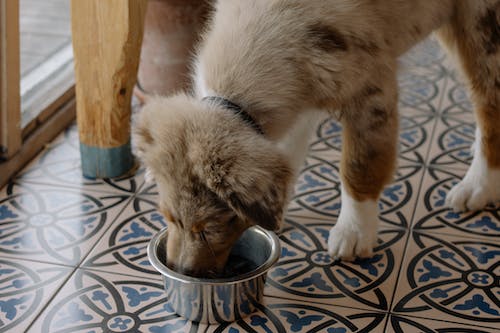
    The Aussiedoodle is a cross between the Australian Shepherd and the Poodle. This breed of dog is very popular and known to be very smart, energetic, and loyal. They love outdoor playtime and make lovely family pets.

    Dalmadoodle

    The Dalmadoodle is a cross between the Dalmatian and the Poodle. These are bigger dogs who are considered to be very smart. They enjoy socialization and one-on-one attention from their family.
    Schnoodle

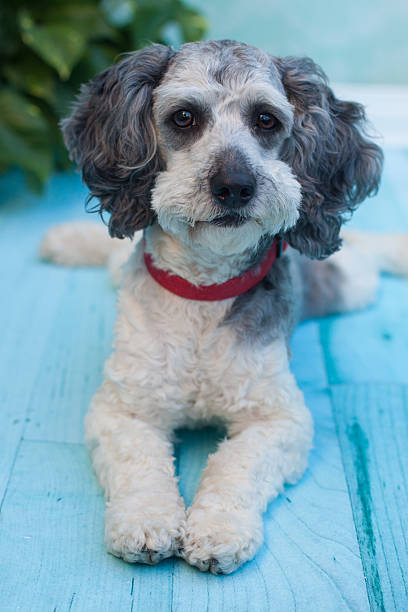
    The Schnoodle is a cross between the Miniature Schnauzer and the Poodle. These dogs are known for their charming personalities and their alert watchdog mentality. They are not aggressive dogs and tend to do well with families that have children.

    Cockapoo

    The Cockapoo is a cross between the Cocker Spaniel and the Miniature Poodle. These dogs are friendly, caring, social, and affectionate. They have funny personalities and tend to be happy when you are. They are considered to be the oldest of designer dog breeds with roots that date back to the 1960s. This breed is a great pet that the whole family will love.
  • What To Do If Your Pup Is Packing on The Pounds

    What To Do If Your Pup Is Packing on The Pounds

    Just like people, pups can experience weight issues which can result in health issues. Although each dog’s weight will increase or decrease over time, every breed has an average weight. Although some medical issues can cause weight increase, one of the main culprits is more calories going into your pup than going out. Over the course of a few months this can lead to your pup being overweight. Obesity in dogs is a real issue and can be detrimental to their health and well-being.

    Studies show that more than one half of dogs living in the United States are overweight. A few extra pounds on a dog are not the end of the world, but pups that are grossly overweight do have a diminished quality of life and face a wide range of health issues. Dogs that are very heavy tend to have a hard time getting around, lack energy and may end up suffering from health issues such as arthritis, hypertension, and diabetes. Helping your dog maintain a healthy weight can improve and extend your pup’s life and overall happiness.

    Tips On Helping to Lower a Dog’s Weight

    Reduce daily calories: Begin measuring the quantity of food your dog is receiving at meal time. Instead of just pouring his food into a bowl and eyeing it out, take the time to measure it. Dogs like to eat and will normally eat whatever is in front of them.

    Switch to a lower carb, higher protein diet: Shop around for higher protein dog food which will not bog your pup down. Although carbs are important, meats and other proteins are very much needed. This will help your pup look and feel his best.

    Keep feeding times the same: Many dog owners provide their pup with two meals every day in twelve-hour intervals. A morning and evening feeding will help disperse the energy they need to function.

    Add fiber to your dog’s diet: Fiber supplements will help your pup feel fuller quicker and are good for his overall health.

    Provide plenty of fresh drinking water: Making sure that your dog is well hydrated is key in weight control and for his overall health and well-being.

    Reward with fun, words, and petting, not food: When your pup does something good, he will enjoy a pet or “good boy” as much as he would enjoy a snack. Snacks are a good reward at times, but when you are trying to help your pup drop a few pounds they will only add to the struggle.

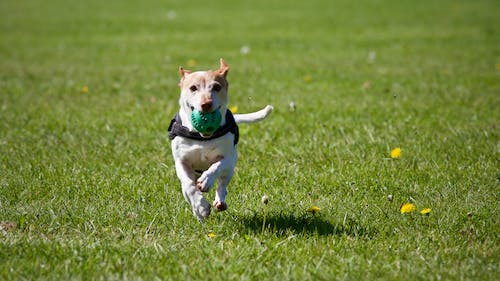
    Amp up your pup’s daily exercise time: This is more than throwing a ball in the living room. Dedicate thirty minutes twice a day and take your pup outside and go for a brisk walk. Other activities such as playing outdoor fetch where your pup needs to run and retrieve a ball work well too.

    Always be patient: Weight loss takes time to accomplish and being patient with your dog throughout this process is very important. Your pup can detect when you are stressed so try and be calm and relaxed. Always consult with your veterinarian: Before doing anything, give your veterinarian a call and discuss your concerns and see what he / she says.

    Slow And Steady

    While working with your pup in this weight loss journey, slow and steady wins the race. Set reasonable expectations and work towards the goal together. This is a day-by-day process which will take time. Over the course of this, your pup will begin to fall into this healthier routine. The key is to allow your pup to gradually accept this new routine which will eventually be second nature to him. It is more of a way of life than a diet because even after your pup reaches the desired weight, he will still need to be active and eat healthy to prevent the unwanted weight from returning.

  • How To Keep Your Pup from Escaping!

    How To Keep Your Pup from Escaping!

    Keeping your fur-legged friend contained on his property can be a little tricky at times, especially if he’s known for his Houdini abilities! We dog owners try everything to keep our pups safe and secure at all times, but every so often, they manage to get out and away from us. A dog on the run may think he’s just out for a joy run, but he is putting himself at risk of getting lost, injured, or even worse. If your pup is known to enjoy exploring alone, this blog may help you learn some tips and tricks for keeping him where he is supposed to be.

    First, let’s understand why our pups try to get out, to begin with. The main reasons are:

    • Boredom: Hanging out in a yard in the same environment with the same dog toys isn’t fun. Dogs of all breeds can suffer from boredom, though it’s more common in high-energy breeds. Cattle dogs are especially prone to this because being on the move and working is in their DNA.
    • Looking for something beyond the fence: If a taunting squirrel gets your pup’s attention just beyond the fence, he may be inclined to try and catch him and have a “little talk” with him. This could also include a neighbor’s dog or children that your pup wants to play with.
    • Anxiety issues: Anxious pups might escape the yard to flee something that is frightening them. This can include loud noises such as fireworks and thunderstorms. Their instinct creates them to want to run from the perceived threat.
    • Being Lonely: If your dog tends to spend a lot of time outside with no interaction and alone, he may want to explore and find companionship elsewhere. Pups are social creatures and do have emotional needs like we do.

    Ways To Prevent Your Dog from Escaping a Fenced-in Area

    • Increase the height of your fence to make it more difficult for your pup to jump over or climb it.
    • Eliminate any objects that they can use to reach the top of the fence. (Chairs, decorations, etc., that your pup can use to climb up.)
    • Reconfigure your yard layout.
    • Underground fencing to prevent digging their way out. Many dogs tend to dig under a fence to escape.
    • Spread gravel at the base of the fence, which will help to temporarily fill in gaps.
    • Pour concrete at the base of the fence, which will permanently fill gaps.
    • Inspect and repair the weak or damaged areas of the fence that are open, not sturdy, or not fully secure.
    • In some instances, replace the fence with a new one that is stronger and more secure.

    Although many of these tips will help to prevent your pup from escaping, they are not guaranteed as our pups can be creative and, at times, a bit sneaky. There are other tools that many dog owners use to keep their pups safe. Basic GPS tracking collars are a great way to quickly find your pup should he get out. It is always recommended that your dog is microchipped, which will allow for a much quicker and easier return home should he ever get away. And lastly, a good old fashion collar with an ID tag on it will allow your pup to be brought home if he is found after escaping. Taking the time to make sure your pup is safe and secure now will result in a lot of saved time and grief should he escape.

  • Meet The Two Of The Newest Dog Breed Recognized By The American Kennel Club (AKC)

    Meet The Two Of The Newest Dog Breed Recognized By The American Kennel Club (AKC)

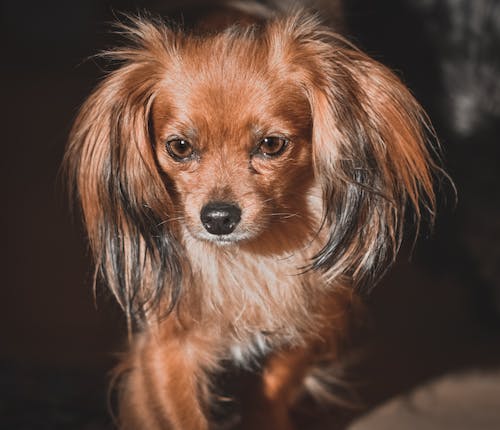
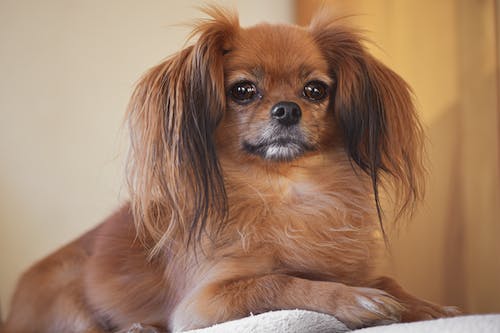
    Big news in the dog world! The American Kennel Club announced that they are recognizing two new breeds of dogs. The Mudi and the Russian Toy. This was first announced a few months ago and we have some information about it. With this status, both of these breeds of dogs will now be able to compete in AKC-sanctioned events, such as the Westminster Kennel Club Dog Show. Although these pups are new to the AKC, they have been around for a longtime and have a proven record of being great dogs. Both have very good personalities and warm and approachable demeanors.

    The Mudi (pronounced “moody”) will compete in the herding group at confirmation shows while the Russian Toy will compete in the toy group. This is surely is an accomplishment for these breeds as the American Kennel Club (AKC) only recognizes 199 dog breeds.

    Let’s learn about the Mudi. This small- to medium-sized pup has curly hair and is an active, energetic, and fun pup to be around. They do well in K9 sports and also have the abilities to engage in search and rescue missions as well as herding livestock. They are a smart and alert breed of dog that share roots with two Hungarian dogs, the Puli and the Pumi. Mudis are “tough little dogs,” the breed club says. They do well with families that have children and other pets. They enjoy outdoor activity time and tend to be very social. They enjoy the attention of their family and other pets in the home.

    Mudi Basic Breed Information

    • Mudi Height: 15–19 inches tall at maturity
    • Mudi Weight: 17–30 pounds at maturity
    • Mudi Colors: Black, white, brown, gray, and yellow. Will also exhibit a merle pattern among those colors.
    • Mudi Lifespan: 12–14 years

    The Russian Toy is a much smaller breed of dog. They are known to be very loyal and loving to their family. They admire their owners and tend to crave a lot of one-on-one attention from them. Unlike most dog breeds who are either active or relaxed, the Russian Toy is a 50/50 mix. Some of these pups are energetic and always on the move while some are much more laidback and relaxed. This breed has roots that date back to the 18th century. They were originally known as Russian Toy Terriers and were bred to be companion dogs for the upper-class. In the early 1900’s they nearly went extinct but have since been saved after great efforts by Russian breeders were made. Russian Toys come in smooth-coated and long-coated varieties.

    Russian Toy Basic Breed Information

    • Russian Toy Height: 7–11 inches tall at maturity
    • Russian Toy Weight: 5-8 pounds at maturity
    • Russian Toy Colors: Black and tan; brown and tan; blue and tan; red; sable; and brown sable
    • Russian Toy Lifespan: 10–12 years

    Both of these breeds of dogs are very well-liked and are expected to be become even more popular in the years to come. With the recognition of the American Kennel Club, the world will begin seeing these pups as first-class dogs. Both dog breeds offer many great qualities and make great family pets. They are both also very good-looking pups!

  • Tips on Keeping Your Pup Healthy in The Summer

    Tips on Keeping Your Pup Healthy in The Summer

    As we enter summer and the temperature rises, we need to be mindful of our pups and their health. Although our pups do enjoy playing outdoors in all months, hot summer days do take a toll on them and paying extra attention to them and their needs is crucial. We have come up with a list of things to consider which will help keep your pup feeling his best as we enter the summer.

    Provide Your Dog with Plenty of Shade and Water

    Dehydration in dogs is a common occurrence but one that can be prevented. Making sure that your pup is well hydrated is the first step in preventing this. Having fresh drinking water available is key as is making sure your pup has ample shade while outside. Shade will allow your pup to escape the sun and help him cool down. Signs of dehydration quickly arrive and it is best to prevent before taking place.

    Identify the Signs

    Your pup’s normal temperature is between 100° and 103°F, which means anything above that means your pet’s health is in danger. Dogs do not sweat like humans and rely on panting to cool down. If your pup is outside and you observe any of the following, it may be a good time to bring him inside and allow him relax and lower his body temperature.

    • Heavy or excessive panting
    • Dry or bright red gums
    • Thick drool
    • Vomiting
    • Diarrhea
    • Wobbly legs
    • General look of exhaustion or discomfort
    • Lethargic behavior
    • Whining or barking

    Never Leave Your Pet in The Car

    Although your fur-legged friend most likely does enjoy a ride in the car, leaving him inside for any amount of time without the air conditioner on can be extremely harmful. The temperature inside a parked car can reach a temperature in very little time that is enough to cause your pup to overheat and die. This act is not only very dangerous, but illegal in many states as it is a form of animal abuse. Police are commonly called to public parking lots after someone observed a dog inside a car unattended. Cracking your windows is certainly not enough to keep your dog safe and is a bad practice.

    Apply Ample Amounts of Sunscreen

    Believe it or not, dogs are able to get sunburn just like we can. This especially for dogs that are light in color and or have very short coats. Sunburn can be very painful and eventually lead to major health issues such as skin cancer. If you are planning to take your dog outside, a fresh application of sunscreen should be applied every three to four hours. Be sure to pay special attention to areas such as his belly and ears as those are sensitive spots that tend to burn easy. The sunscreen used should be a pet-friendly one as human sunscreen can be toxic for dogs. Taking the time to do this will save a lot of time and pain for your pup later.

    Keep Your Dog’s Paws Cool and Protected

    Pets heat and cool from the bottom up. If you’re out in the sun together, try to keep your pet off of hot surfaces like cement and asphalt which are generally much hotter than grass and dirt. Hot surfaces will prevent your pup from cooling down and can cause their sensitive paws to burn which may require medical attention. It is always better to be safe than sorry!

    Put Together a Travel Pack for Your Pup

    If you plan on bringing your pup out for the day have items packed up that he will be able to use. Extra bottled water, sunscreen, and rags that can be dampened to help keep him cool are just a few. Plan out your adventure ahead of time and be sure there are rest areas that have shade. This will allow for a safer and much more enjoyable adventure for you and your pup.

  • Melanoma in Dogs

    Melanoma in Dogs

    Many of the cancers that affect humans can also affect their dogs. Our pups can develop tumors internally or can develop them on their skin and in their mouths. One such cancer, Melanoma, can occur on the skin or inside of your dog’s mouth. While the skin version of Melanoma can be relatively benign, the oral form is much more serious.

    What is Melanoma in dogs?

    Cells called melanocytes are designed to produce pigment colors of the skin. As diseased melanocytes grow, they form tumors. This is caused by a combination of environmental and hereditary factors. Skin that is overexposed to sunlight has an increased risk of developing Melanoma. Certain breeds, like Golden Retrievers, Cocker Spaniels, Chow Chows, and Schnauzers, have a higher risk of developing melanomas.

    Oral Melanoma is the most common type of malignant tumor that can develop inside your dog’s mouth. It can appear pigmented or can have a non-pigmented appearance, which is referred to as amelanotic Melanoma. What makes it so serious is that it is capable of invading underlying bone and spreading to other parts of the body. This can lead to facial swelling and eventually make it difficult and painful for your dog to chew.

    Medical Diagnosis

    For those of us that have dogs who allow us to brush their teeth, this is a good time to check the inside of his mouth. At times it can look like a round tumor or just extra tissue growth coming from the gingiva or on the inside of the lips and cheeks. Tumors can also grow on the roof of your dog’s mouth or even under the tongue. Should you discover a new bump or lump inside your pup’s mouth, advise your veterinarian. If your pup experiences oral pain or bleeding from his mouth, this should be treated as a medical emergency.

    A fine needle aspirate can be performed on the skin bumps by your veterinarian. This process involves the use of a needle and syringe to collect cell samples from the bump for further testing. This process generally requires sedation due to the sensitivity of the procedure.

    Standard Medical Treatment

    Biopsies can sometimes remove all the visible tumors, but with Melanoma, there is a good chance that microscopic portions of the disease are left behind. Further treatment will require additional surgery to remove the underlying disease. Procedures such as a CT scan will be able to provide even more detailed information. Should the tumor invade bone, then surgical procedures may need to include bone. For tumors that are inoperable, radiation therapy can help with treatment, especially with very small melanomas.

    Road to Recovery

    Dogs who go through surgery may need a special collar or cone to prevent scratching around their faces. Soft and moist foods or liquid diets are recommended for at least two weeks while the dog’s mouth heals. Dogs who need radiation therapy may appear tired and or have some nausea, but if the radiation is focused only on your dog’s mouth, the dog may show fewer negative signs from the treatment. Your dog will also require frequent follow-up visits with his veterinarian to monitor the condition. A repeat CT scan may also be suggested afterward to make sure that the cancer does not return.

    Dogs who are not provided with care may eventually stop eating due to the pain associated with this. This generally takes place between three and six months after the initial diagnosis, which is why it is important to seek early care, which is also more effective. General well visits at your veterinarian are also a good way to make sure your pup remains healthy and catches medical issues before they transition into a more complicated issue.

  • Easiest Dog Breeds to Take Care Of

    Easiest Dog Breeds to Take Care Of

    Every dog requires a degree of time and care in order to help keep him looking and feeling his best. Basic grooming, bathing, nail trimming, and teeth cleaning to name a few things. Some dog breeds require much more time and work ass their coats may require special care, etc. However, not every dog requires regular professional attention or an inordinate amount of brushing to keep its hair in check.

    Dogs with flat-faces or with wrinkles require special facial care. Some pups also shed a lot which requires brushing every single day, sometimes twice a day.

    If you are looking for what many people consider a “wash-and-wear” dog breed, check out the list of pups below that we came up with. These dogs are generally very easy to maintain and make great family pets.

    Basenji

    First is the Basenji. These pups are fairly simple to maintain and not known to have a “dog smell” like many other breeds. They also do not bark a lot which is a big plus. A bath every few weeks and some basic care and this pup is ready to go!

    Vizsla

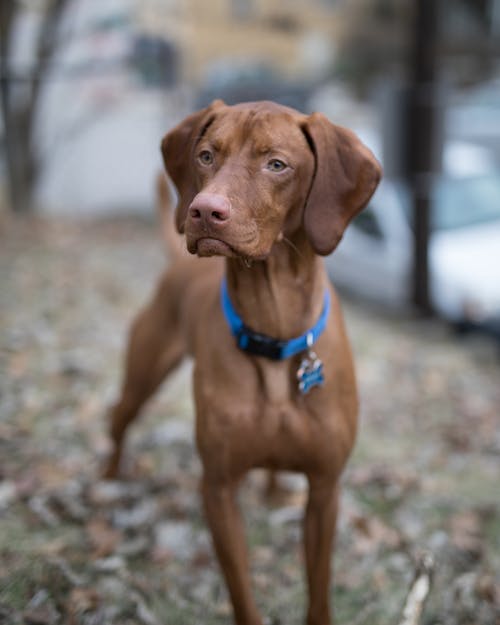
    The Vizsla is a very easy to care for pooch that doesn’t take a lot of time to clean up. Routine bathing and selfcare is quick and easy. The Vizsla is a very active dog and may require an extra bath or two if playing outside a lot.

    Whippet

    The Whippet is a clean and tidy pup that also does not take a lot of time to get ready. These pups generally carry little to no scent and require the basics. Another wash and wear pup!

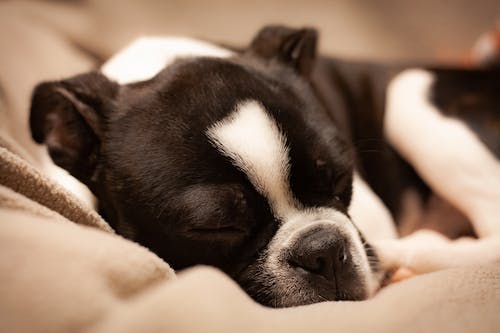
    Boston Terrier

    The Boston is a neat and clean pup that generally doesn’t have an odor. They also are very light shedders which makes caring for them quick and easy. A bath every few weeks and some brushing and this dog is ready to go!

    Doberman Pinscher

    Doberman Pinscher

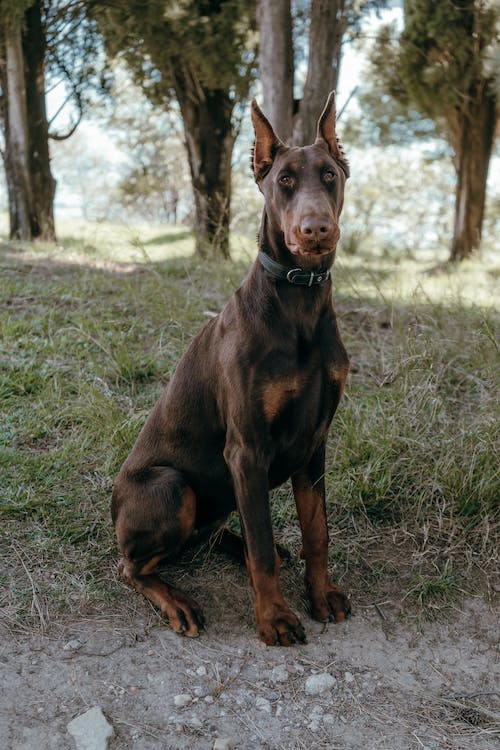
    The Doberman Pinscher, also known as a Dobie, is a very low shedding dog that also in not known to have an odor. Besides basic routine grooming, this breed of dog is pretty simple. They do enjoy being outside so a thorough bath is always a good idea.

    Manchester Terrier

    The Manchester Terrier is a smart and easy to get along with pup that is known to train with ease. They are easy to care for and besides the basics, this pup will take a lot less time to shine than many other breeds. This is another wash and wear pup that you are sure to love.

    German Shorthaired Pointer

    The German Shorthaired Pointer is another pup that does not take a lot of time or effort to keep looking good. This breed does tend to shed a tad more than other pups on our list, but with a little bit of brushing you can keep that in check. This is a quality pup and one the whole family will love

    Pointer

    The Pointer is a playful pup that does enjoy outdoor activities but does not require an excessive amount of maintenance. Routine brushing and a bath every few weeks will help keep this pup looking his best.

    Weimaraner The Weimaraner is not a heavy shedder and has very short, easy to care for hair. This breed does not require a lot of effort to keep looking his best and short of a bath every few weeks and some routine brushing, there’s not a lot more to do. They also make great family pets that are known for their loyalty and care.

  • Easiest Puppy Breeds to Train

    Easiest Puppy Breeds to Train

    Are you looking for a puppy? Trying to decide which is the right breed for you can be challenging. There are several things to consider before making a final selection. How big will the puppy get? How much daily care will this breed require? Is the breed of dog kid friendly? Or how well does the breed train? Some dog breeds tend to pickup on training much easier than others. Some actually thrive off of the interaction during training where other breeds may be a tad more stubborn. In either instance, training for puppies is crucial because as the saying goes, “you can’t teach an old dog new tricks.”  Training a dog while he is still a puppy allows for an easier transition into his adulthood. It also prevents your pup from having to break old habits which can be tricky to overcome. 

    When a dog is still a puppy their minds are quickly developing which is the best time to teach them the rights and wrongs and rules of the house. If you are looking for a puppy that trains with ease, check out our list below, as we have compiled a list of puppies that you may want to consider.

    LABRADOR RETRIEVER

    Labradors are amazing dogs for dozens of reasons. Training with ease is one of them. The Labrador Retriever is a very social and interactive pup that is certainly mom approved! This breed is friendly and outgoing and enjoys the attention of his family. They are known to not only learn the basics well, but are capable and willing to learn some pretty nifty dog tricks. This breed of dog has been a favorite for generations and makes one of the best family dogs in town!

    poodle puppies

    POODLE

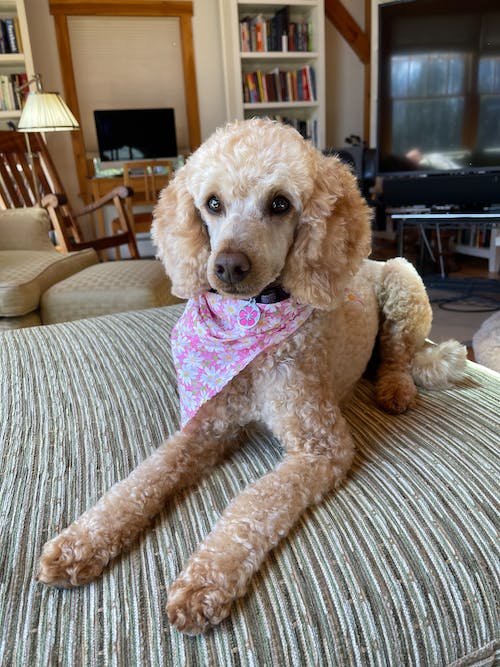
    Next on our list is the Poodle. These pups are highly intelligent and obedient dogs who year after year rank number one in smarts. They are highly interactive and thrive off of one-on-one attention with their family. They are known to train well and are capable of learning a large variety of tricks. They also make terrific family pets that come in three sizes.

    BORDER COLLIE

    The Border Collie is considered to be a very intelligent and outgoing breed of dog. This breed is known for its ability to train quickly and with ease. They have a lot of energy which allows them to stay alert long enough to learn a variety of tricks too! If you are looking for a quality pup that will win your heart, the Border Collie should be one to consider.

    MINIATURE SCHNAUZER

    If a smart, affectionate and loyal dog is what you are looking for that is easy to train, consider a Miniature Schnauzer. This breed of dog has been a family favorite for generations and may be just what you are looking for. They do well in contemporary homes or apartments and enjoy human interaction. Being that they are smart and pose a degree of confidence, training them is generally fairly simple.

    GERMAN SHEPHERD

    GERMAN SHEPHERD

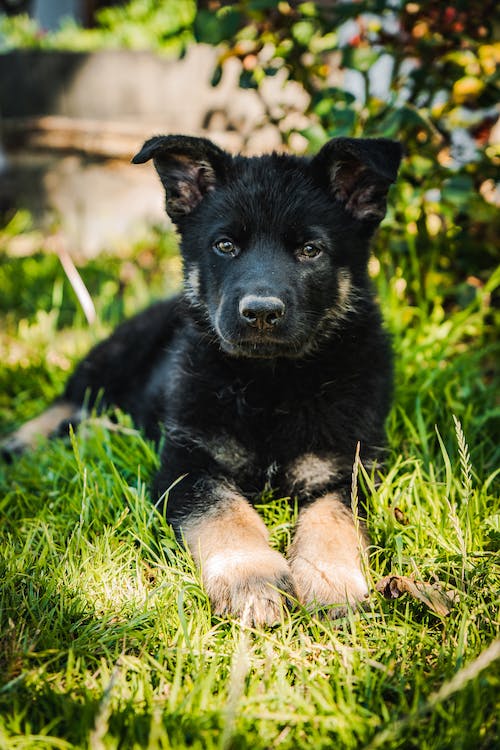
    German Shepherds are ready to work and very eager to please. They are a very smart breed of dog who train with ease. Because the German Shepherd trains so well, they have been used for a variety of things over the years. From law enforcement jobs, to military jobs, to service dogs, this breed can do almost anything. They are also very loyal to their family and happy when you are.

    BEARDED COLLIE

    The Bearded Collie has traditionally been used for herding cattle and sheep in the Highlands of Scotland. This breed of dog is very responsive, alert, and smart. Their success at herding is much thanks to their ability to train well. Their personality and mentality allow them to also be very good family pets. If a loving, smart, and easily trainable pup is what you seek, the Bearded Collie should be on your list of considerations.

  • Our Dogs Like to Sleep!

    Our Dogs Like to Sleep!

    As we age, we often find that we sleep less deeply at night which results waking up in the morning not feeling well rested. This causes many of us to try and sneak a nap in sometime during the day to regain some energy. The Sleep Foundation advised that healthy adults should receive between seven to nine hours of sleep every night. If it were only that easy to accomplish!

    Most dogs don’t have that issue and generally spend twelve to fourteen hours each day dreaming about their favorite fire hydrant or tree! Dogs need an ample amount of shuteye to look and feel their best. Puppies need even more sleep as their bodies and minds are constantly growing and developing. The average puppy will sleep between fifteen and eighteen hours every day.

    Although all dogs have different sleeping patterns, the following may cause them to need more sleep than normal.

    ●        Age – Puppies and senior dogs tends to need more sleep.

    ●        Dog breed – Certain dog breeds just enjoy extra sleep.  (List found below.)

    ●        Stress and anxiety – Separation anxiety, etc.

    ●        Activity Level – Does the dog spend a lot of time burning off energy VS lounging.

    ●        Thyroxine deficiency – Hormone related health issue.

    ●        Diabetes – Health issue.

    ●        Bacterial infection – Health issue which needs to be treated.

    ●        Viral infection – Health issue which needs to be treated.

    ●        Anemia – Health issue which needs to be treated.

    ●        Poisoning – Emergency care issue which needs to be treated.

    Which Dogs Sleep the Most?

    • Mastiffs generally sleep eighteen hours a day.
    • Greyhounds generally sleep eighteen hours a day.
    • Lhasa Apsos generally sleep fourteen hours a day.
    • Saint Bernards generally sleep fourteen hours a day.
    • Great Danes generally sleep fourteen hours a day.
    • Bassett Hounds generally sleep about fourteen hours a day.
    • Chow Chows generally sleep thirteen hours a day.
    • Shih Tzus generally sleep thirteen hours a day.
    • French Bulldogs generally sleep twelve hours a day.
    • Pekingese generally sleep thirteen hours a day.

    A Dog’s Sleep Stages

    Much like their human family members, dogs also go through different sleep cycles each day. The initial stage for a dog is a slow, quiet and peaceful sleep. Your dog’s body temperature will begin to lower as will his heartrate. This stage is the most relaxing stage for your pup. About ten minutes later, he will enter into a REM phase (Rapid Eye Movement). Dog owners may take notice that their pup actually appears to be trying to run or move around at this time. Their entire sleep cycle is fairly quick, lasting just under one hour.

    Ways To Improve Your Pup’s Sleep

    Here are a few very basic but effective ways to help your fur-legged friend establish a good bedtime routine which may help him achieve the sleep he needs.

    Create a Consistent Nighttime Routine

    Dogs tend to do best if they have a good and consistent routine. If their schedule is sporadic, getting used to things is more difficult. Try having your pup calm down by a certain time each evening by lowering the TV, not playing with him, and easing the overall activity time inside your home.

    Exercise

    Keeping your pup active will naturally allow him to burn off extra energy and feel tired at bedtime. A pup that has sat around all day may have trouble getting comfortable at night when everyone else goes to bed.

    A Good Feeding Schedule Many dog owners find that keeping their pup’s feeding schedule on set times allows them to not only have healthy pups, but pups that have set potty times. Once a dog forms a good feeding time routine his potty times generally remain consistent. Normally once a pup does his business in the early evening hours, he is safe until the next morning. Feeding your dog later than normal may cause him to have to go outside later than normal which will keep him up.

  • World Record Dog Holders

    World Record Dog Holders

    We all know that our pups are amazing four-legged creatures that have a mind and unique personality. Our pups always tend to intrigue us and generally keep us on our toes. Although all dogs are very special, there are some that have accomplished truly amazing things and have found themselves in the world record book. We have compiled a fascinating list of amazing dog accomplishments that are considered to be world records.

    Largest litter of puppies

    – Actual record: 24 puppies in one litter
    – Record holder: Tia the dog
    – Date of record: Nov. 29, 2004
    – Location: United Kingdom

    In 2004, a Neapolitan mastiff named Tia gave birth to an amazing 24 puppies on the same day. The litter consisted of nine females and fifteen males. All 24 puppies were born by Cesarean section.

    Longest dog ears

    – Actual record: 13.7 inches
    – Record holder: Tigger the dog
    – Date of record: Sept. 29, 2004
    – Location: United States

    Tigger the bloodhound snagged the record for the longest ears on a dog on Sept. 29, 2004. Tiger’s right and left ears measured am impressive 13.75 inches and 13.5 inches. In case you didn’t “hear” that correctly, the measure 13.75 inches! In 2003, Tigger was inducted into the Bloodhound “’Hall of Fame.”

    Longest dog tail

    – Actual record: 30.2 inches
    – Record holder: Keon the dog
    – Date of record: Aug. 18, 2015
    – Location: Belgium

    An Irish wolfhound named Keon hold the record for having the longest tail. In August of 2015, Keon’s tail measured in at an impressive 30.2 inches long, which is about two and a half feet long!

    Longest dog tongue

    – Actual record: 7.3 inches
    – Record holder: Mochi the dog
    – Date of record: April 25, 2016
    – Location: United States

    A Saint Bernard named Mochi must have never had an issue giving licks to her owner with a tongue that measured in at more than seven inches long. This female Saint Bernard was rescued by her loving family who resided in the United States and hold the world record for the longest tongue on a dog.

    Most balls caught by a dog with the paws in sixty seconds

    – Actual record: 14 balls
    – Record holder: Purin the dog
    – Date of record: March 22, 2015
    – Location: Japan

    Play ball! Purin, a nine-year-old Beagle female, holds the record for catching most balls on her paws in one minute. This pup sits in the record books after successfully catching fourteen balls, which is an average of one catch every four seconds. This pup resides in Japan and may be looking for a major league contract!

    Shortest standing dog

    – Actual record: 3.8 inches tall
    – Record holder: Milly
    – Date of record: Feb. 21, 2013
    – Location: Puerto Rico

    The shortest living pup ever recorded was Milly the dog, who measured in at just 3.8 inches tall. This tiny Chihuahua was from Puerto Rico and weighed less than one ounce when she was born. It would have taken more than sixteen Milly baby puppies to even weigh a single pound.

    Tallest standing dog

    – Actual record: 3.7 feet
    – Record holder: Zeus the dog
    – Date of record: Oct. 4, 2011
    – Location: United States

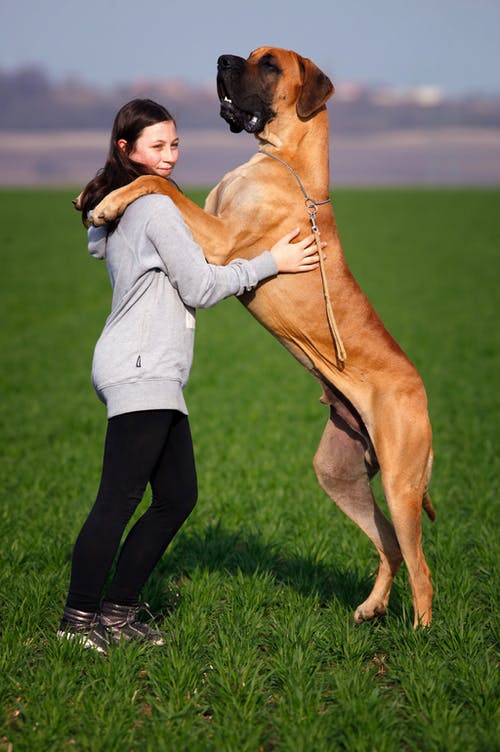
    The tallest dog to have ever lived was a Great Dane named Zeus who stretched out to an incredible 7 feet four inches. Although Great Danes are big pups, this one was extra big! This pup was from Michigan, US and was also a certified therapy dog. This gentle giant was known for his loving and gentle disposition.