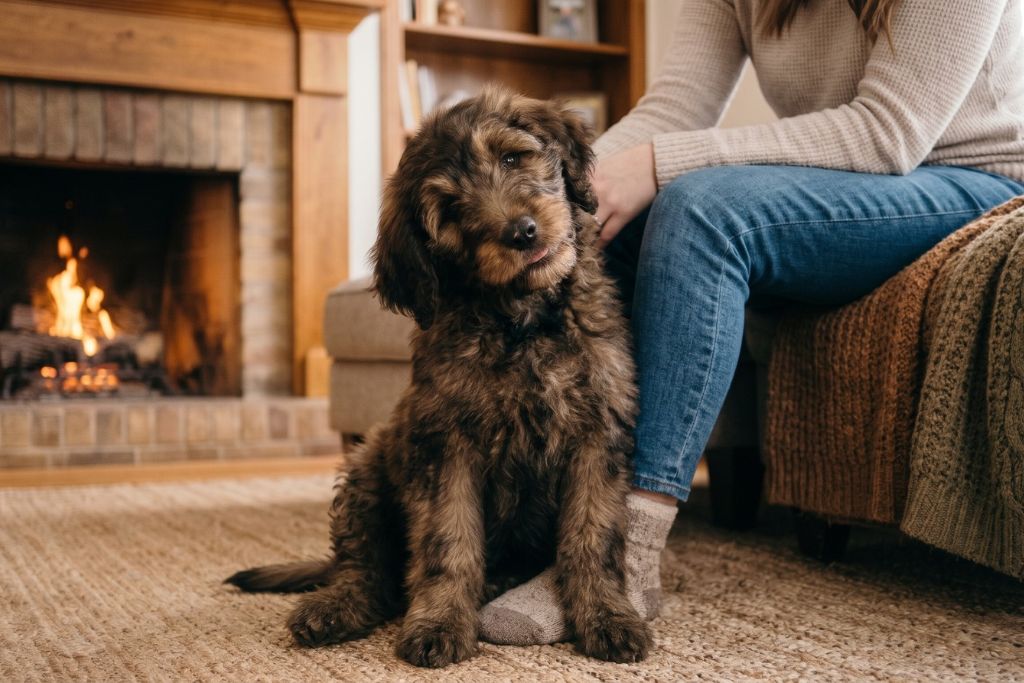
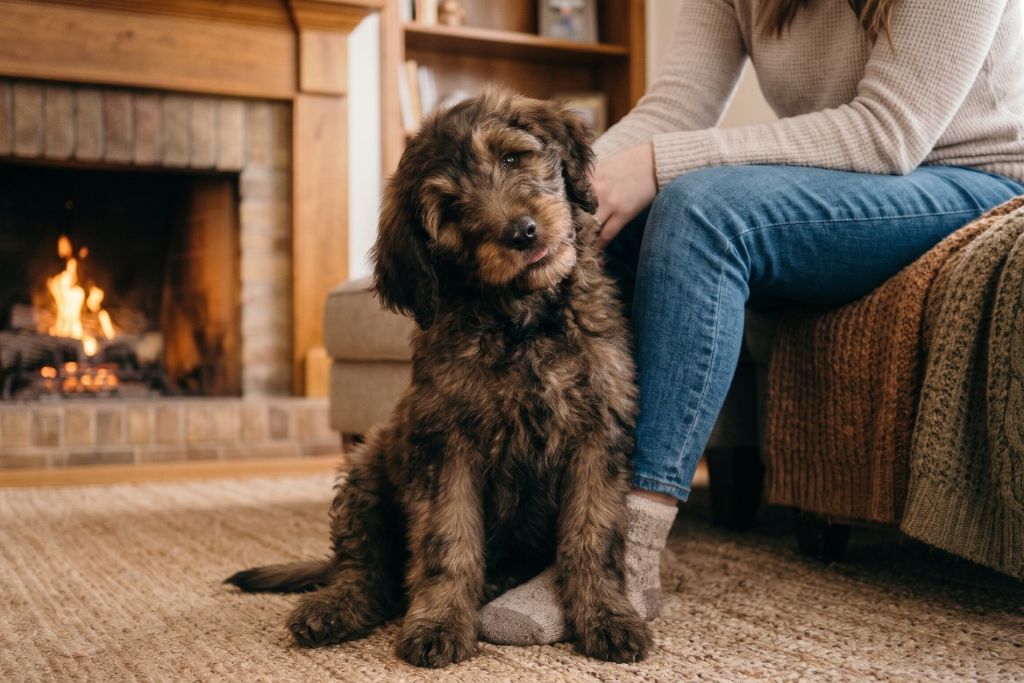
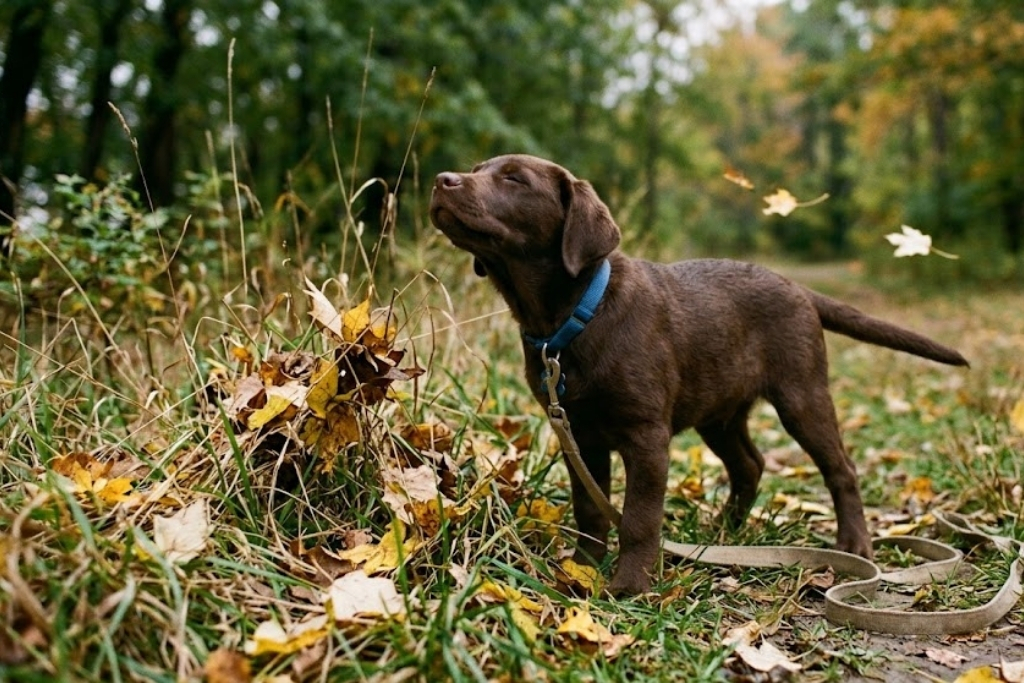
An affectionate Thanksgiving letter to the little companion who has given us so much to be grateful for.
Dear Puppy,
With Thanksgiving approaching, we’ve been thinking about everything we’re grateful for this year. Family, friends, good health, the usual wonderful things.
And then there’s you.
You, who arrived with four paws, an impressive collection of toys, and absolutely no understanding of why the expensive shoes aren’t for chewing.
You’ve made quite an impression. So, in the spirit of Thanksgiving, we thought we’d write you a proper thank-you letter.
Thank you for making ordinary days feel like special occasions.
You have an extraordinary appreciation for the little things. A favorite toy? Excellent news. A walk around the neighborhood? An adventure! Someone returning from the grocery store? Apparently, a reunion worth celebrating.
We could learn a thing or two from your enthusiasm. Although we’d appreciate it if you could stop celebrating quite so enthusiastically at 6 a.m.
Thank you for reminding us to enjoy the journey.
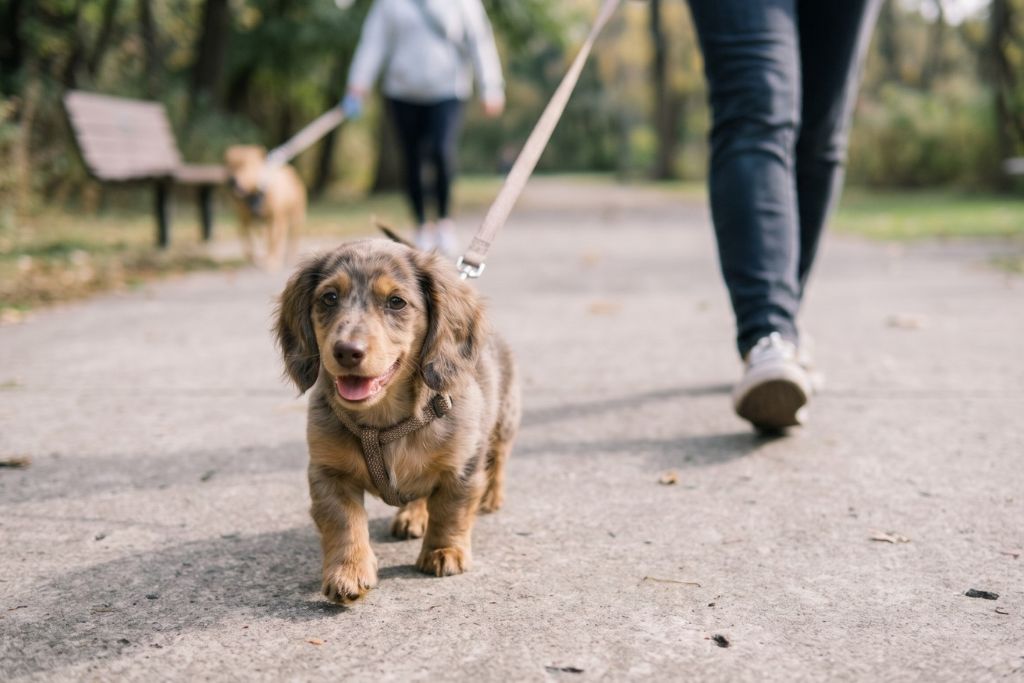
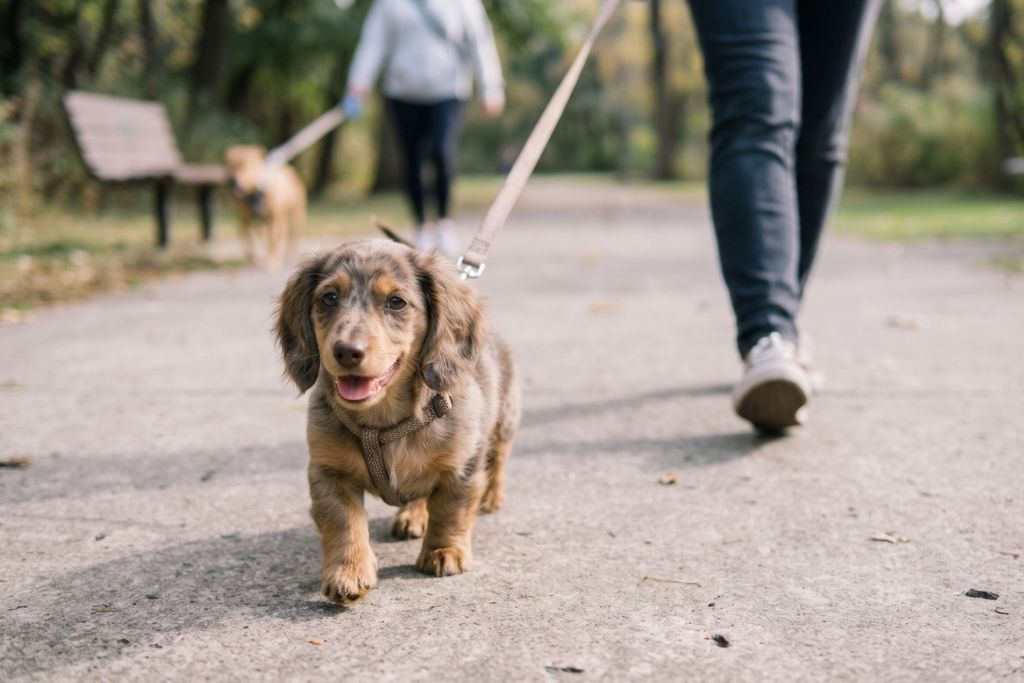
Before you came along, a walk was simply a way to get somewhere.
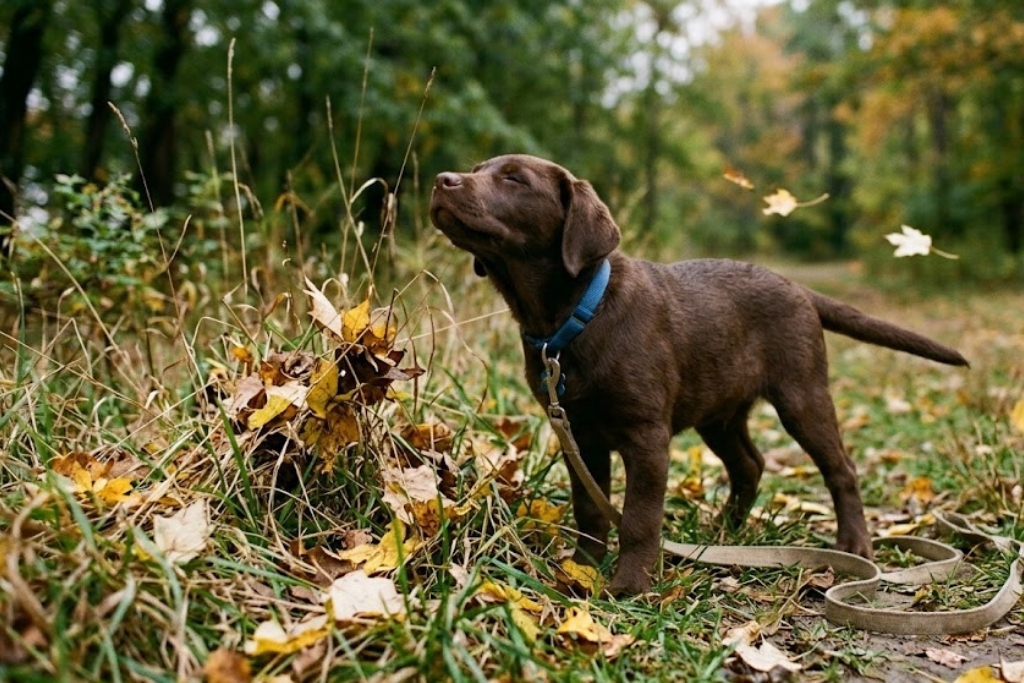
Now, it’s an expedition involving seventeen interesting smells, a leaf that requires closer examination, and a perfectly ordinary patch of grass that somehow deserves several minutes of your undivided attention.
Dogs experience much of their world through scent, so we understand that these investigations are important.
We just didn’t realize the neighborhood shrubbery had so much going on.
Thank you for the laughter. Especially the completely unintentional kind.
The sideways head tilts. The occasional burst of zoomies. The way you can spend ten minutes enthusiastically playing with a toy, then fall asleep in a position that looks physically impossible.
And those tiny twitches during a nap? They’re a normal part of sleep for many puppies, although we’ll probably never know what adventure is unfolding in that little head of yours.
You’ve also taught us that an empty cardboard box can sometimes be more interesting than the toy that came inside it.
We have stopped questioning your artistic judgment.
Thank you for teaching us patience. Lots and lots of patience.
House-training. Learning to sit. Discovering that the furniture isn’t edible.
We’ve celebrated tiny victories with an enthusiasm usually reserved for major sporting championships.
And we’ve learned that raising a puppy takes consistency, kindness, and a healthy sense of humor.
Most of all, thank you for being part of our family.
For the quiet company on an ordinary afternoon. For the games, the cuddles when you’re in the mood, and the wonderfully silly moments that somehow become our favorite memories.
We know every puppy has a different personality. Some are fearless explorers. Others prefer a familiar lap and a peaceful afternoon. Getting to know those little differences is part of the joy.
This Thanksgiving, the dinner table will be full, the kitchen will be busy, and you’ll have your own safe, puppy-appropriate treats to enjoy. Sorry, but the turkey bones are definitely not on the menu.
And somewhere between the laughter, the conversation, and the inevitable search for your missing favorite toy, we’ll be thinking about how much you’ve added to our lives.
You may never understand Thanksgiving.
But you’ve certainly given us another reason to celebrate it.
With love, gratitude, and a slightly suspicious number of puppy photos,
Your Very Thankful Humans
We’re grateful for the joy puppies bring to families and for the opportunity to help those relationships begin. If you’re dreaming of welcoming a new companion, explore our puppies and discover the personalities waiting to meet you.
Hungry for more? The next chapter’s even better! Follow the paw prints below to keep reading.
Before bringing home a Dachshund, it’s important to understand their personality, exercise needs, training habits, and unique health considerations. These affectionate, curious dogs make wonderful companions for families prepared to give them consistent care and attention. Their long backs require special consideration, while their independent personalities benefit from patient training. With proper preparation and healthy routines, a Dachshund can be a delightful addition to your family.
Key Takeaways
Personality: Dachshunds are affectionate, intelligent, playful, and famously determined.
Exercise: Daily walks, interactive play, and mental stimulation help keep them happy and active.
Training: Early socialization and consistent, reward-based training are particularly important.
Health: Their elongated spines make back protection and healthy weight management essential.
Preparation: Puppy-proofing your home, gathering supplies, and establishing routines can make the transition easier.
Introduction
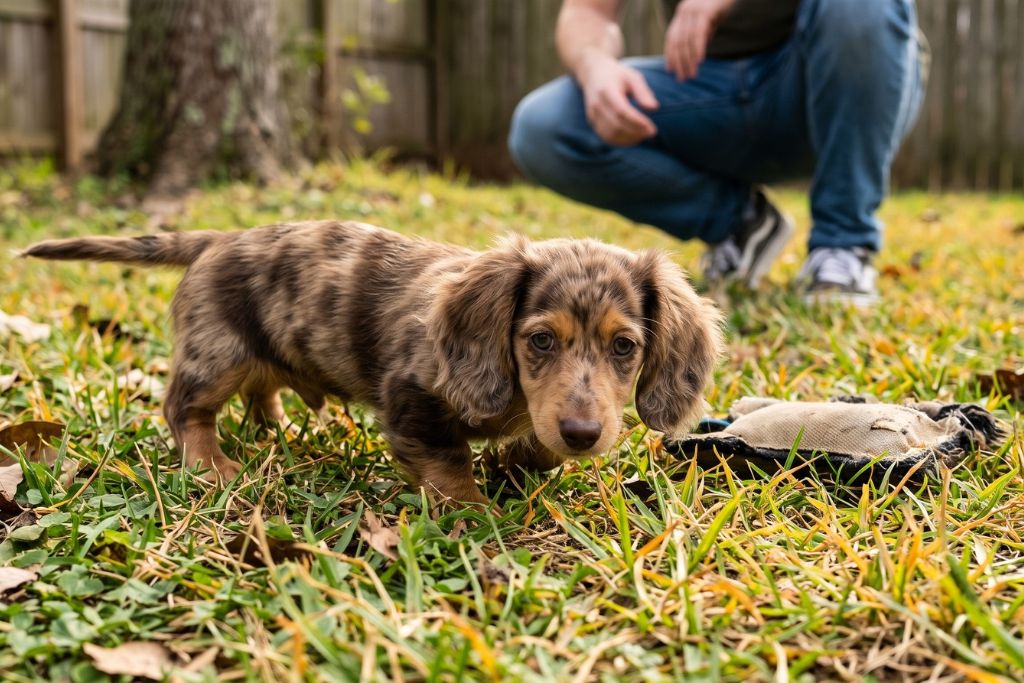
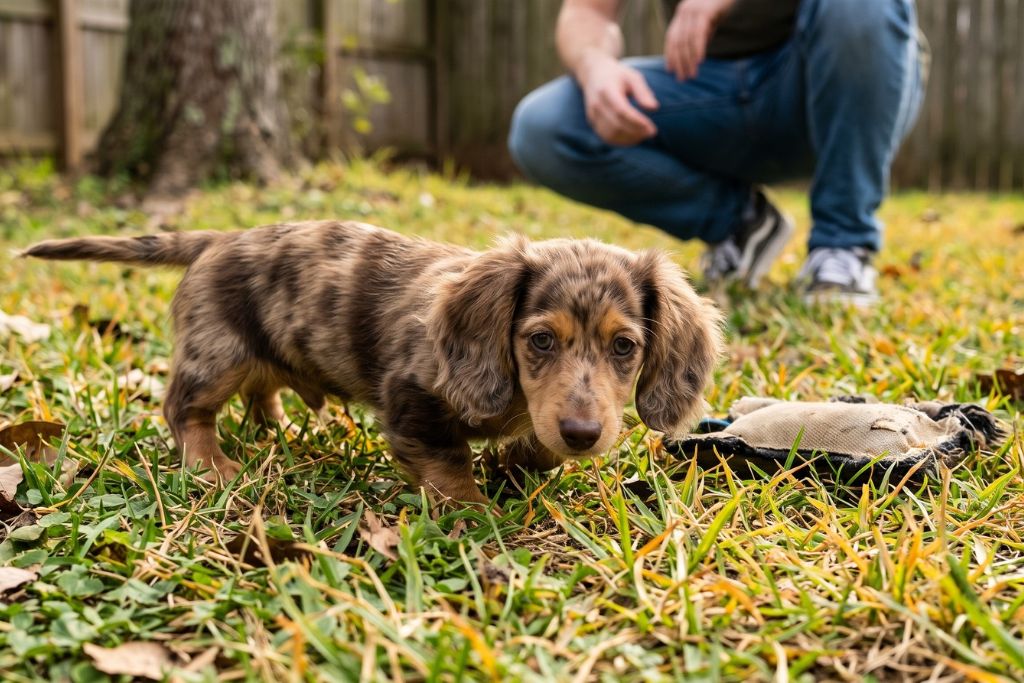
Those short legs, expressive eyes, and unmistakably long bodies make Dachshunds instantly recognizable. Spend a little time with one, though, and you’ll discover a personality that’s every bit as memorable as its appearance.
Originally bred in Germany to hunt badgers, Dachshunds are curious, courageous, and surprisingly energetic. They form close bonds with their families and often become enthusiastic participants in everyday household activities. Their independent streak also means they appreciate having something interesting to do!
At Petland, we believe finding the right puppy starts with understanding what makes each breed special. Dachshunds have plenty of wonderful qualities, along with specific needs that prospective pet parents should consider.
From understanding their personalities to preparing your home and establishing healthy routines, here’s what you should know before welcoming one of these spirited little companions into your family.
What Makes Dachshunds Such Special Companions?
Dachshunds may be small, but their personalities are anything but! Affectionate, playful, and full of character, these spirited little dogs have plenty of qualities that make them wonderful family companions.
Here’s what makes them so lovable:
Affectionate and loyal: Dachshunds often form strong bonds with their families. Many love spending time with their favorite people, enjoying affection, and being part of everyday activities.
Full of personality: Curious, clever, and famously spirited, Dachshunds have a playful streak and plenty of confidence. Their entertaining antics can bring lots of laughter to a household.
Great companions for smaller spaces: Their compact size makes Dachshunds well-suited to apartments and smaller homes, provided they receive regular exercise, mental stimulation, and attention.
Playful and adventurous: Originally bred as hunting dogs, Dachshunds have a natural curiosity and enjoy exploring their surroundings. Walks, scent games, and interactive play can keep them happily engaged.
Every Dachshund has an individual personality, but these endearing breed traits help explain why so many families fall in love with them.
Standard vs. Miniature Dachshunds: What’s the Difference?
Dachshunds come in two recognized sizes in the United States:
Standard Dachshunds: Typically weigh between 16 and 32 pounds as adults.
Miniature Dachshunds: Weigh 11 pounds or less as adults.
Both sizes share the breed’s distinctive appearance and personality traits.
Dachshunds also have three coat varieties: smooth, long-haired, and wire-haired. Each requires slightly different grooming care, making coat type another consideration when choosing your puppy.
How Much Exercise and Training Does a Dachshund Need?
Despite their size, Dachshunds need regular physical activity and opportunities to exercise their minds.
Daily walks, gentle games, and scent-based activities are excellent ways to keep them engaged. Puppies benefit from shorter, age-appropriate activities, with exercise gradually adjusted as they mature.
How Should You Approach Dachshund Training?
Dachshunds are intelligent learners, although their independent streak can make consistency particularly important.
Start with simple commands, reward desirable behaviors, and keep training sessions short and positive. Early socialization can also help your puppy become more comfortable with unfamiliar people, environments, and everyday experiences.
Patience is especially valuable during potty training. Establishing a predictable schedule and celebrating progress can help your puppy develop reliable habits.
What Health Considerations Should Dachshund Owners Understand?
One of the most important aspects of Dachshund care involves protecting their backs.
Dachshunds are predisposed to intervertebral disc disease (IVDD), a spinal condition that can cause pain, weakness, and mobility problems. Although not every Dachshund develops IVDD, taking sensible precautions can help reduce unnecessary strain on their backs.
Consider these everyday habits:
Support your puppy’s chest and hindquarters when lifting them.
Limit jumping from furniture and other elevated surfaces.
Maintain a healthy body weight to reduce unnecessary strain.
Provide regular, appropriate exercise to support muscle strength.
Discuss back safety and preventive care with your veterinarian.
These precautions support spinal health but cannot guarantee that IVDD will be prevented.
What Are the Warning Signs of Back Problems?
Watch for signs such as reluctance to move, a hunched posture, sensitivity when touched, weakness, or difficulty walking.
Sudden changes in mobility, dragging the hind legs, or loss of bladder control may indicate a serious spinal problem requiring immediate veterinary attention.
Regular veterinary examinations and awareness of your puppy’s normal behavior can help you recognize concerning changes.
How Should You Prepare Your Home for a Dachshund Puppy?
A little preparation can make your puppy’s first days considerably more comfortable.
Before bringing your Dachshund home, gather these essentials:
A comfortable bed: Choose a supportive, easily accessible sleeping area.
Appropriate puppy food: Select a complete, balanced diet suitable for your puppy’s age.
Food and water bowls: Establish a consistent feeding area.
A properly fitted harness and leash: Prepare for safe, supervised walks.
Chew toys and enrichment activities: Offer appropriate outlets for curiosity and natural instincts.
A crate or designated resting space: Create a quiet area where your puppy can relax.
Secure electrical cords, remove hazardous household items, and block access to unsafe areas. Consider ramps or other appropriate modifications to help manage access to elevated furniture.
What Should You Do During Your Puppy’s First Few Days?
Give your Dachshund time to explore their new surroundings at a comfortable pace.
Establish predictable routines for feeding, potty breaks, playtime, and rest. Introduce family members gradually, provide a quiet sleeping area, and avoid overwhelming your puppy with too many new experiences at once.
Before bringing your puppy home, review their available health and vaccination records, discuss their current feeding routine, and arrange a veterinary appointment to establish ongoing care.
At Petland, our knowledgeable Pet Counselors can help you understand your puppy’s needs and prepare for those important first days together.
Frequently Asked Questions About Dachshunds
Are Dachshunds Good Family Dogs?
Yes! Dachshunds can be affectionate, entertaining family companions. Many enjoy spending time with children and participating in family activities. However, interactions with young children should always be supervised. Teaching children to handle dogs gently is especially important for protecting a Dachshund’s sensitive back. Early socialization and positive experiences can also help puppies develop comfortable relationships with family members and other pets.
Can Dachshunds Live Comfortably in Apartments?
Absolutely. Dachshunds can adapt well to apartment living when their exercise, companionship, and enrichment needs are met. Their small size makes them suitable for smaller homes, although their tendency to bark deserves consideration, especially in shared buildings. Regular walks, engaging toys, and consistent training can help them adjust to their surroundings. Providing opportunities to explore and play is important regardless of your home’s size.
How Long Do Dachshunds Typically Live?
Dachshunds generally live between 12 and 16 years, according to PetMD. Individual lifespans vary depending on genetics, overall health, and care. Maintaining a healthy weight, scheduling regular veterinary visits, providing appropriate exercise, and monitoring for breed-related conditions can support their well-being throughout their lives. Prospective owners should be prepared for the long-term responsibilities that come with welcoming a Dachshund into their family.
Do Dachshunds Require Frequent Grooming?
Grooming depends largely on coat type. Smooth-haired Dachshunds generally need occasional brushing, while long-haired varieties require more frequent attention to prevent tangles. Wire-haired Dachshunds may benefit from specialized grooming, including hand-stripping when appropriate, to maintain their coats. All three varieties need regular nail trimming, dental care, and ear checks. Establishing gentle grooming routines during puppyhood can help make these activities more comfortable as your Dachshund grows.
Are Dachshunds Suitable for First-Time Puppy Owners?
Dachshunds can be a good choice for first-time pet parents who understand their needs. Their affectionate personalities make them rewarding companions, but training may require extra patience and consistency. Prospective owners should also be prepared for daily exercise, regular veterinary care, and breed-specific health precautions. Learning about these responsibilities beforehand helps establish realistic expectations and gives both puppy and family a positive start.
A Happy Beginning Starts With Understanding Your Puppy
Bringing home a Dachshund means welcoming a clever, affectionate companion with plenty of personality. Understanding their instincts, caring for their unique physical needs, and establishing healthy routines can help your puppy settle in and thrive.
At Cosmick Media SEO Blogs, we’re passionate about helping families make informed decisions and feel confident about welcoming a new puppy.
Thinking about adding a Dachshund to your family?VisitPetland to learn more about our puppies, explore helpful pet care resources, and connect with our knowledgeable Pet Counselors. We’re here to help you find a companion who fits your family and prepare for everything that comes with bringing your new puppy home.
Hungry for more? The next chapter’s even better! Follow the paw prints below to keep reading.
Before bringing home a Dachshund, it’s important to understand their personality, exercise needs, training habits, and unique health considerations. These affectionate, curious dogs make wonderful companions for families prepared to give them consistent care and attention. Their long backs require special consideration, while their independent personalities benefit from patient training. With proper preparation and healthy routines, a Dachshund can be a delightful addition to your family.
Key Takeaways
Personality: Dachshunds are affectionate, intelligent, playful, and famously determined.
Exercise: Daily walks, interactive play, and mental stimulation help keep them happy and active.
Training: Early socialization and consistent, reward-based training are particularly important.
Health: Their elongated spines make back protection and healthy weight management essential.
Preparation: Puppy-proofing your home, gathering supplies, and establishing routines can make the transition easier.
Introduction
Those short legs, expressive eyes, and unmistakably long bodies make Dachshunds instantly recognizable. Spend a little time with one, though, and you’ll discover a personality that’s every bit as memorable as its appearance.
Originally bred in Germany to hunt badgers, Dachshunds are curious, courageous, and surprisingly energetic. They form close bonds with their families and often become enthusiastic participants in everyday household activities. Their independent streak also means they appreciate having something interesting to do!
At Petland, we believe finding the right puppy starts with understanding what makes each breed special. Dachshunds have plenty of wonderful qualities, along with specific needs that prospective pet parents should consider.
From understanding their personalities to preparing your home and establishing healthy routines, here’s what you should know before welcoming one of these spirited little companions into your family.
What Makes Dachshunds Such Special Companions?
Dachshunds may be small, but their personalities are anything but! Affectionate, playful, and full of character, these spirited little dogs have plenty of qualities that make them wonderful family companions.
Here’s what makes them so lovable:
Affectionate and loyal: Dachshunds often form strong bonds with their families. Many love spending time with their favorite people, enjoying affection, and being part of everyday activities.
Full of personality: Curious, clever, and famously spirited, Dachshunds have a playful streak and plenty of confidence. Their entertaining antics can bring lots of laughter to a household.
Great companions for smaller spaces: Their compact size makes Dachshunds well-suited to apartments and smaller homes, provided they receive regular exercise, mental stimulation, and attention.
Playful and adventurous: Originally bred as hunting dogs, Dachshunds have a natural curiosity and enjoy exploring their surroundings. Walks, scent games, and interactive play can keep them happily engaged.
Every Dachshund has an individual personality, but these endearing breed traits help explain why so many families fall in love with them.
Standard vs. Miniature Dachshunds: What’s the Difference?
Dachshunds come in two recognized sizes in the United States:
Standard Dachshunds: Typically weigh between 16 and 32 pounds as adults.
Miniature Dachshunds: Weigh 11 pounds or less as adults.
Both sizes share the breed’s distinctive appearance and personality traits.
Dachshunds also have three coat varieties: smooth, long-haired, and wire-haired. Each requires slightly different grooming care, making coat type another consideration when choosing your puppy.
How Much Exercise and Training Does a Dachshund Need?
Despite their size, Dachshunds need regular physical activity and opportunities to exercise their minds.
Daily walks, gentle games, and scent-based activities are excellent ways to keep them engaged. Puppies benefit from shorter, age-appropriate activities, with exercise gradually adjusted as they mature.
How Should You Approach Dachshund Training?
Dachshunds are intelligent learners, although their independent streak can make consistency particularly important.
Start with simple commands, reward desirable behaviors, and keep training sessions short and positive. Early socialization can also help your puppy become more comfortable with unfamiliar people, environments, and everyday experiences.
Patience is especially valuable during potty training. Establishing a predictable schedule and celebrating progress can help your puppy develop reliable habits.
What Health Considerations Should Dachshund Owners Understand?
One of the most important aspects of Dachshund care involves protecting their backs.
Dachshunds are predisposed to intervertebral disc disease (IVDD), a spinal condition that can cause pain, weakness, and mobility problems. Although not every Dachshund develops IVDD, taking sensible precautions can help reduce unnecessary strain on their backs.
Consider these everyday habits:
Support your puppy’s chest and hindquarters when lifting them.
Limit jumping from furniture and other elevated surfaces.
Maintain a healthy body weight to reduce unnecessary strain.
Provide regular, appropriate exercise to support muscle strength.
Discuss back safety and preventive care with your veterinarian.
These precautions support spinal health but cannot guarantee that IVDD will be prevented.
What Are the Warning Signs of Back Problems?
Watch for signs such as reluctance to move, a hunched posture, sensitivity when touched, weakness, or difficulty walking.
Sudden changes in mobility, dragging the hind legs, or loss of bladder control may indicate a serious spinal problem requiring immediate veterinary attention.
Regular veterinary examinations and awareness of your puppy’s normal behavior can help you recognize concerning changes.
How Should You Prepare Your Home for a Dachshund Puppy?
A little preparation can make your puppy’s first days considerably more comfortable.
Before bringing your Dachshund home, gather these essentials:
A comfortable bed: Choose a supportive, easily accessible sleeping area.
Appropriate puppy food: Select a complete, balanced diet suitable for your puppy’s age.
Food and water bowls: Establish a consistent feeding area.
A properly fitted harness and leash: Prepare for safe, supervised walks.
Chew toys and enrichment activities: Offer appropriate outlets for curiosity and natural instincts.
A crate or designated resting space: Create a quiet area where your puppy can relax.
Secure electrical cords, remove hazardous household items, and block access to unsafe areas. Consider ramps or other appropriate modifications to help manage access to elevated furniture.
What Should You Do During Your Puppy’s First Few Days?
Give your Dachshund time to explore their new surroundings at a comfortable pace.
Establish predictable routines for feeding, potty breaks, playtime, and rest. Introduce family members gradually, provide a quiet sleeping area, and avoid overwhelming your puppy with too many new experiences at once.
Before bringing your puppy home, review their available health and vaccination records, discuss their current feeding routine, and arrange a veterinary appointment to establish ongoing care.
At Petland, our knowledgeable Pet Counselors can help you understand your puppy’s needs and prepare for those important first days together.
Frequently Asked Questions About Dachshunds
Are Dachshunds Good Family Dogs?
Yes! Dachshunds can be affectionate, entertaining family companions. Many enjoy spending time with children and participating in family activities. However, interactions with young children should always be supervised. Teaching children to handle dogs gently is especially important for protecting a Dachshund’s sensitive back. Early socialization and positive experiences can also help puppies develop comfortable relationships with family members and other pets.
Can Dachshunds Live Comfortably in Apartments?
Absolutely. Dachshunds can adapt well to apartment living when their exercise, companionship, and enrichment needs are met. Their small size makes them suitable for smaller homes, although their tendency to bark deserves consideration, especially in shared buildings. Regular walks, engaging toys, and consistent training can help them adjust to their surroundings. Providing opportunities to explore and play is important regardless of your home’s size.
How Long Do Dachshunds Typically Live?
Dachshunds generally live between 12 and 16 years, according to PetMD. Individual lifespans vary depending on genetics, overall health, and care. Maintaining a healthy weight, scheduling regular veterinary visits, providing appropriate exercise, and monitoring for breed-related conditions can support their well-being throughout their lives. Prospective owners should be prepared for the long-term responsibilities that come with welcoming a Dachshund into their family.
Do Dachshunds Require Frequent Grooming?
Grooming depends largely on coat type. Smooth-haired Dachshunds generally need occasional brushing, while long-haired varieties require more frequent attention to prevent tangles. Wire-haired Dachshunds may benefit from specialized grooming, including hand-stripping when appropriate, to maintain their coats. All three varieties need regular nail trimming, dental care, and ear checks. Establishing gentle grooming routines during puppyhood can help make these activities more comfortable as your Dachshund grows.
Are Dachshunds Suitable for First-Time Puppy Owners?
Dachshunds can be a good choice for first-time pet parents who understand their needs. Their affectionate personalities make them rewarding companions, but training may require extra patience and consistency. Prospective owners should also be prepared for daily exercise, regular veterinary care, and breed-specific health precautions. Learning about these responsibilities beforehand helps establish realistic expectations and gives both puppy and family a positive start.
A Happy Beginning Starts With Understanding Your Puppy
Bringing home a Dachshund means welcoming a clever, affectionate companion with plenty of personality. Understanding their instincts, caring for their unique physical needs, and establishing healthy routines can help your puppy settle in and thrive.
At Dream Tails Sarasota by Petland, we’re passionate about helping families make informed decisions and feel confident about welcoming a new puppy.
Thinking about adding a Dachshund to your family?VisitPetland to learn more about our puppies, explore helpful pet care resources, and connect with our knowledgeable Pet Counselors. We’re here to help you find a companion who fits your family and prepare for everything that comes with bringing your new puppy home.
Hungry for more? The next chapter’s even better! Follow the paw prints below to keep reading.
You can safely socialize a Dachshund puppy around Old Bridge, NJ, through supervised puppy classes, controlled introductions to healthy dogs, quiet neighborhood outings, and veterinarian-approved private play spaces. Start with positive, low-risk experiences while your puppy completes vaccinations. The goal is to introduce different people, sounds, animals, and environments at a comfortable pace, helping your Dachshund develop confidence without unnecessary health risks or overwhelming encounters.
Key Takeaways
Start early: The first three months are especially important for puppy socialization.
Choose controlled environments: Supervised puppy classes and introductions to familiar, healthy dogs are good starting points.
Explore Old Bridge gradually: Neighborhood outings can introduce new sights and sounds without requiring direct contact with unfamiliar dogs.
Respect your puppy’s comfort: Reward curiosity and calm behavior rather than forcing interactions.
Prioritize health: Ask your veterinarian about vaccination requirements, local disease risks, and suitable activities.
Introduction
Dachshunds may be small, but they’re certainly not short on personality! Curious, clever, and famously determined, these little dogs have plenty to discover as they settle into family life.
For new puppy parents around Old Bridge, New Jersey, socialization is an important part of helping that curiosity develop into confidence. It introduces your Dachshund to the people, places, sounds, and everyday experiences they’ll encounter as they grow.
Fortunately, socialization doesn’t require crowded dog parks or constant puppy playdates.
From quiet neighborhood outings to structured training classes, there are several ways to help your puppy explore safely. The important part is choosing experiences that suit their age, health, and individual temperament.
At PetCenter, we enjoy helping families prepare for the responsibilities and rewards of puppy parenthood. Understanding safe socialization is an important part of giving your new companion a positive start.
Here’s where to socialize your Dachshund around Old Bridge, what precautions to take, and how to recognize when your puppy is ready for something new.
When Should You Start Socializing a Dachshund Puppy?
Puppy socialization should begin early, with appropriate precautions.
The first three months are particularly important for helping puppies become comfortable with unfamiliar people, animals, and environments. Early, positive experiences can reduce the likelihood of fear-related behavioral problems later in life.
However, socialization doesn’t mean exposing your puppy to every possible situation. A thoughtful approach is much more beneficial than overwhelming them with unfamiliar experiences.
Can Dachshund Puppies Socialize Before Completing Vaccinations?
Yes. Puppies can begin carefully managed socialization before their vaccination series is complete.
The American Veterinary Society of Animal Behavior supports appropriately managed puppy classes beginning as early as 7–8 weeks. Its guidance recommends at least one set of vaccinations administered seven days before the first class, along with initial deworming and continued vaccinations.
Individual class requirements may be stricter.
Other early socialization opportunities include:
Meeting friendly visitors in your home.
Interacting with known, healthy, appropriately vaccinated dogs.
Observing neighborhood activity while being carried.
Experiencing different household sounds and surfaces.
Participating in supervised puppy classes with appropriate health precautions.
Your veterinarian should help determine which activities are suitable based on your puppy’s health and local disease risks.
Avoid dog parks and heavily used dog areas where vaccination status and sanitation are unknown.
Where Can You Socialize a Dachshund Puppy Around Old Bridge?
Old Bridge and surrounding Middlesex County communities offer several options for introducing your puppy to new experiences.
The best starting point depends on your Dachshund’s age, vaccination status, temperament, and comfort level.
1. Private Outdoor Spaces Through Sniffspot
Sniffspot includes privately bookable outdoor spaces in nearby communities, including East Brunswick.
These spaces can provide a quieter alternative to public dog parks, particularly for puppies who need time to become comfortable outdoors.
Private rentals may be useful for practicing recall, exploring new surroundings, and enjoying supervised activity without unexpected encounters with unfamiliar dogs.
However, private bookings don’t eliminate disease risks. Other dogs may have used the property previously.
Before visiting:
Check the property’s fencing, terrain, and cleanliness.
Ask about recent use and sanitation practices.
Bring your own water bowl and toys.
Consult your veterinarian about shared outdoor surfaces.
For Dachshunds, choose relatively level areas without obstacles that encourage repeated jumping.
Private spaces are useful for environmental exploration, but they don’t replace positive social experiences with people and other dogs.
2. Puppy Training Classes Around Middlesex County
Structured puppy classes are among the most useful options for early socialization.
They allow puppies to practice basic skills while becoming familiar with other dogs, people, and everyday distractions in a supervised setting.
Camp Bow Wow Middlesex offers a four-week basic puppy training class for dogs approximately 10 weeks to four months old, subject to age-appropriate vaccination requirements.
Families can also explore NJ Dog & Puppy Training and inquire about suitable puppy programs.
Before enrolling, ask about:
Minimum age and vaccination requirements.
Group size and supervision.
Reward-based training methods.
Appropriate matching by size and temperament.
How instructors support nervous puppies.
A good class should help your Dachshund feel comfortable learning around other dogs without requiring constant interaction.
3. Camp Bow Wow Middlesex for Older, Eligible Puppies
As your Dachshund grows, supervised daycare may become another option for social interaction.
Camp Bow Wow Middlesex offers daycare with supervised indoor and outdoor play areas.
Dogs must meet the facility’s health requirements and complete an assessment before joining group play. The facility also requires participating daycare dogs to be spayed or neutered.
Daycare isn’t a substitute for early puppy socialization, and it won’t suit every dog’s temperament.
For Dachshunds, ask how dogs are grouped by size and play style. Gentle, appropriately matched interactions are especially important for protecting their backs.
Consider daycare only when your puppy meets the facility’s requirements and is comfortable participating in supervised group activities.
4. Quiet Neighborhood Outings Around Old Bridge
Some of the most valuable socialization experiences happen during ordinary daily activities.
Around Old Bridge, neighborhoods near Madison Park and Laurence Harbor provide opportunities to introduce puppies to everyday sights and sounds.
Start with short, comfortable outings where your puppy can observe:
People walking, jogging, and cycling.
Passing cars and neighborhood traffic.
Strollers, bicycles, and delivery vehicles.
Different voices and appearances.
Calm, leashed dogs from a comfortable distance.
For puppies still completing vaccinations, carrying them or using a secure puppy carrier can provide valuable exposure without contact with potentially contaminated surfaces.
Once your veterinarian approves outdoor walks, gradually introduce new routes and environments.
5. Supervised Visits With Familiar Dogs
A calm, healthy, appropriately vaccinated dog belonging to a trusted friend or family member can be a helpful socialization partner.
For families around Sayreville, East Brunswick, and Old Bridge, a supervised visit in a familiar home may be more manageable than an unpredictable public setting.
Introduce the dogs gradually and watch their body language.
Keep sessions brief, allow breaks, and avoid forcing interactions.
For Dachshunds, choose playmates who interact gently and won’t overwhelm them physically.
How Can You Tell if Your Dachshund Is Enjoying Socialization?
Successful socialization isn’t about how many dogs your puppy meets. It’s about helping them feel comfortable with new experiences.
What Does Positive Socialization Look Like?
Signs your Dachshund is handling an experience well may include:
Relaxed body language and natural curiosity.
Willingness to explore or sniff.
Taking treats and responding to familiar cues.
Approaching unfamiliar things voluntarily.
Returning to you comfortably for reassurance.
If your puppy freezes, trembles, repeatedly tries to escape, or refuses treats they normally enjoy, they may be overwhelmed.
Give them more distance or end the interaction. Avoid forcing greetings with unfamiliar people or dogs.
A puppy who can calmly observe another dog without approaching is still learning something valuable.
Why Does Gentle Handling Matter for Dachshunds?
Dachshunds have long backs and short legs, making thoughtful handling especially important.
Their body structure is associated with an increased risk of intervertebral disc disease (IVDD), a spinal condition that can cause pain and neurological problems.
During socialization, avoid rough play, repeated jumping from elevated surfaces, and situations where larger dogs might accidentally knock your puppy over.
When lifting your Dachshund, support both the chest and hindquarters.
These precautions can help reduce unnecessary physical strain, although they cannot guarantee prevention of spinal problems.
Frequently Asked Questions About Dachshund Puppy Socialization
Can I Socialize My Dachshund Before They’re Fully Vaccinated?
Yes, with appropriate precautions. Early socialization is important, and waiting until every vaccination is complete can mean missing part of a puppy’s critical learning period. Consider inviting healthy, vaccinated dogs into a controlled home environment or carrying your puppy during short neighborhood outings. Appropriately managed puppy classes may also be suitable. Ask your veterinarian about local disease risks and the activities appropriate for your puppy’s vaccination status.
Are Dog Parks Safe for Dachshund Puppies?
Public dog parks generally aren’t recommended for very young puppies, especially those who haven’t completed their vaccinations. Unfamiliar dogs, shared surfaces, and unpredictable play can create health and safety concerns. Dachshunds may also be vulnerable to injuries during rough interactions with larger dogs. Controlled introductions, appropriately managed puppy classes, and veterinarian-approved outings are better starting points. Your puppy can develop good social skills without visiting a public dog park.
How Often Should I Socialize My Dachshund Puppy?
Aim for frequent, brief, positive experiences rather than occasional overwhelming outings. Socialization can happen during ordinary activities, including meeting a visitor, hearing a new household sound, or watching neighborhood activity from a safe distance. Your puppy’s age, temperament, and comfort level should determine the pace. A few enjoyable minutes can be more valuable than a lengthy experience that leaves your puppy frightened or exhausted. Allow plenty of rest between activities.
What if My Dachshund Puppy Barks at New People or Dogs?
Barking can have several causes, including excitement, uncertainty, or fear. Rather than punishing the behavior, create enough distance for your puppy to relax and reward calm observation. Gradually introduce new experiences at a manageable pace. If barking is accompanied by persistent fear, lunging, or difficulty settling, consult your veterinarian or a qualified reward-based trainer. Early guidance can help you understand what’s triggering the behavior and develop a suitable training approach.
Can Dachshunds Become Friendly With Larger Dogs?
Yes. Dachshunds can develop positive relationships with larger dogs when introductions are managed carefully. Choose calm, socially appropriate dogs who respect your puppy’s boundaries. Supervise interactions closely and prevent rough play, chasing, or accidental collisions. Size alone doesn’t determine compatibility, but it does affect physical safety. Your Dachshund should always have the option to move away and take a break. Positive, controlled experiences are more important than encouraging immediate play.
Does Puppy Training Help With Socialization?
Yes. Well-managed puppy training classes can help young dogs become comfortable around unfamiliar people, dogs, and everyday distractions while learning useful skills. Look for positive reinforcement methods, appropriate vaccination requirements, and careful supervision.
Helping Your DachshundDiscoverthe World With Confidence
Socializing your Dachshund puppy doesn’t require a packed calendar or constant introductions. Thoughtful, positive experiences can help your puppy become more comfortable with everyday life.
From quiet outings around Old Bridge to supervised training opportunities throughout Middlesex County, there are plenty of ways to explore together. Start small, pay attention to your puppy’s reactions, and build on each successful experience.
At PetCenter, we believe preparing for puppy parenthood is just as important as finding the right companion. Our Pet Counselors can help you understand breed-specific needs, explore training resources, and prepare for those exciting first weeks at home.
Thinking about welcoming a Dachshund into your family?We’re here to help you find a puppy that fits your family and provide the information and support you need to start your journey together.
Hungry for more? The next chapter’s even better! Follow the paw prints below to keep reading.
Living with a puppy can feel like discovering your own secret language. You learn the zoomies, the sleepy sighs and the very specific look that means, “I definitely did not eat that.”
Still, puppies cannot tell us exactly what they want or how they feel. Learning their body language can help you understand your new companion and build a stronger bond.
Every puppy has a personality, too. Some are bold and curious. Others are more cautious. The key is learning what your puppy is communicating.
How can you tell when your puppy is relaxed?
A relaxed puppy usually has a loose, soft body and natural movement. You may notice soft eyes, relaxed ears, an open mouth and a gently wagging tail. They may stretch out, lean against you or settle comfortably nearby.
How to respond: Enjoy the moment. Gentle interaction, play or simply spending time together can reinforce that sense of comfort.
What does a puppy’s playful body language look like?
The classic play bow is a great clue. Your puppy lowers their front end while keeping their rear end up. Bouncy movement, a wiggly body and a loose tail can also signal that they are ready for fun.
How to respond: Let the play continue when both puppies remain relaxed and engaged. If one puppy becomes overwhelmed, pause and give them space.
How can you recognize when your puppy is worried?
Stress signals can be surprisingly subtle. Lip licking, yawning, turning away, pinned-back ears, a tucked tail, pacing, panting when it is not hot, freezing or trying to move away can all signal discomfort.
How to respond: Reduce the pressure. Give your puppy distance and allow them to move away. Never punish a puppy for communicating discomfort.
Does a wagging tail always mean a happy puppy?
Not necessarily. A loose, sweeping wag with a relaxed body can signal comfort. A high, stiff wag can indicate arousal or tension, while a tucked tail may signal fear or discomfort. Always read the entire body instead of focusing on the tail alone.
How Can Petland Help You Understand Your Puppy?
At Cosmick Media SEO Blogs, we believe bringing home a puppy is the beginning of a relationship, not the end of the journey. For nearly 60 years, our Pet Counselors have helped families find the right pet while providing information about behavioral, nutritional and environmental needs.
The more closely you learn your puppy’s signals, the easier it becomes to recognize their comfort, curiosity and need for a little extra space. That understanding can make those first months together even more rewarding, and help you build the happy, lasting relationship you’ve been dreaming about.
Hungry for more? The next chapter’s even better! Follow the paw prints below to keep reading.
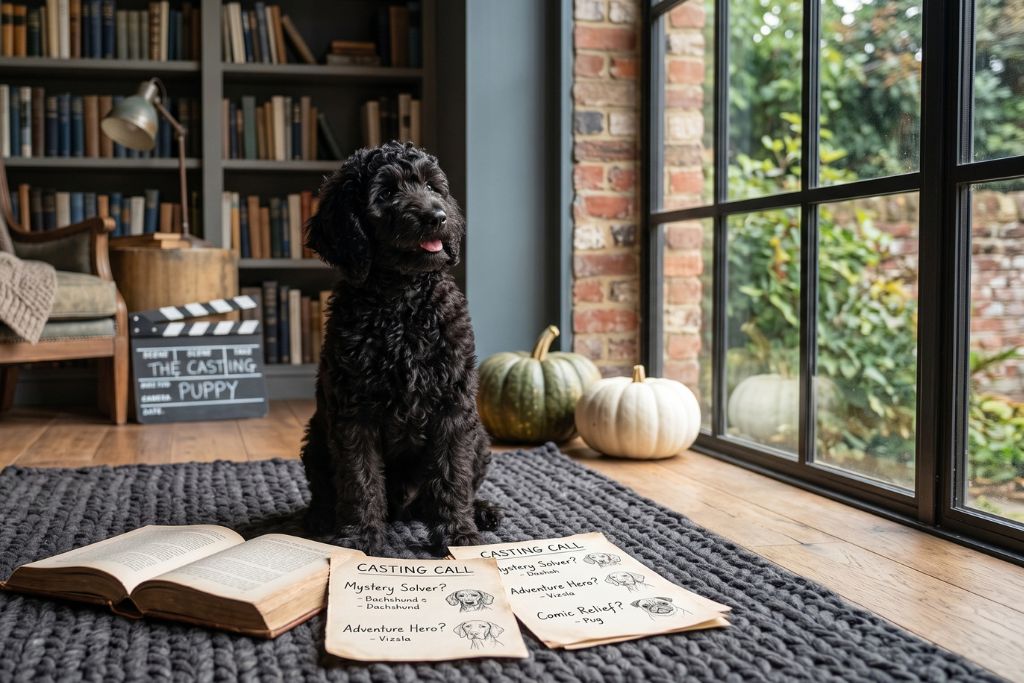
Every great Halloween movie needs a lovable cast. The brave hero. The curious sidekick. The one who hears a mysterious noise and investigates. And, of course, the adorable character who steals every scene.
Now imagine your puppy landed a starring role. Who would they play?
Puppies have their own personalities, quirks, and ways of responding to the world. Breed can offer clues about common traits, but every puppy is an individual. Getting to know those little details is part of the fun of building your life together.
Which Halloween Movie Character Is Your Puppy?
The Fearless Adventure Hero
Your puppy sees a new place and thinks, “Excellent. Let’s investigate.” They are curious, playful, and ready for the next adventure. A Labrador Retriever, Golden Retriever, or Vizsla could make a fun fit for this role. Of course, your own puppy gets the final casting call.
The Lovable Comic Relief
This pup did not come to follow the plot. They came to make everyone laugh. They may be goofy, affectionate, and wonderfully enthusiastic about everything. Think French Bulldog, Pug, or Boston Terrier.
The Cozy Cottage Companion
Forget the haunted house. This puppy has found the blanket and is staying there. They love being close to their people and may happily spend Halloween supervising from the sofa. A Shih Tzu, Maltese, or Havanese could make a charming fit.
The Curious Mystery Solver
Did something move behind the pumpkin? Is that a new sound? Your puppy needs answers immediately. Curiosity is a normal part of puppy development. Safe exposure to new sights, sounds, people, and environments also helps puppies learn about their world. A Beagle, Dachshund, or Australian Shepherd could make this character especially entertaining.
The Snack-Obsessed Sidekick
Every movie needs the character who somehow knows exactly where the snacks are. This puppy has excellent priorities. They may be eager to participate and ready to turn training into a game. A Cocker Spaniel, Basset Hound, or Pembroke Welsh Corgi might happily audition.
The Gentle Heart of the Story
This is the puppy who makes everyone feel at home. They may be affectionate, attentive, and happiest near their favorite people. Their superpower? Making even the spookiest movie feel warmer. A Cavalier King Charles Spaniel, Newfoundland, or Collie could make a delightful fit.
How Can You Help Your Pup Be the Star of Their Own Story?
The best way to understand your puppy is to spend time observing them. Notice what excites them, what makes them cautious, and what helps them feel comfortable.
Early socialization matters, too. The American Veterinary Society of Animal Behavior identifies the first three months as a particularly important period for positive, safe introductions to new experiences.
Our Pet Counselors help families find a companion that fits their lifestyle. We also provide guidance on training, nutrition, behavior, and enrichment as you begin your life together.
So grab the popcorn, pick your puppy’s movie role, and enjoy the adventure. Your newest family member may just become the star of your favorite story yet.
Hungry for more? The next chapter’s even better! Follow the paw prints below to keep reading.
Bringing home a puppy means thinking about the whole picture: good nutrition, healthy growth, exercise, training and plenty of love.
There is another important piece, too. Mental enrichment gives puppies safe ways to explore, learn, problem-solve and use their natural instincts.
A morning walk around Old Bridge gets little paws moving. Letting your puppy stop and sniff gives their brain a workout, too. The best routines make room for both.
What does mental enrichment mean for puppies?
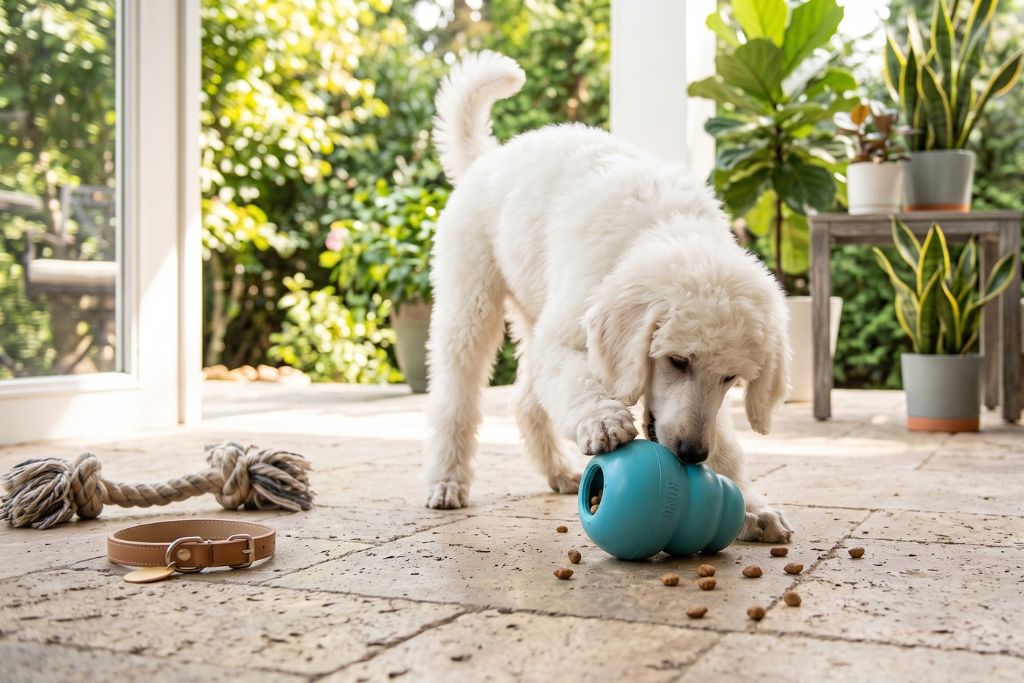
Mental enrichment gives puppies appropriate ways to use their brains and senses. It can include training, food puzzles, scent games, interactive toys and new experiences.
It does not need to be complicated. A few minutes of focused play can turn an ordinary part of the day into an opportunity to learn.
Why is mental stimulation just as important as exercise?
Physical exercise helps puppies use their energy. Mental enrichment adds another kind of workout and can help prevent boredom and frustration. The AKC recommends age-appropriate activity for puppies and recognizes training and interactive games as ways to provide mental stimulation.
Try these simple activities:
Turn meals into a search. Hide small portions of your puppy’s regular food in safe spots and let them sniff it out. Scent activities encourage natural exploration.
Practice a new skill. Short, positive training sessions encourage puppies to think and learn. Start with simple cues and reward desired behaviors.
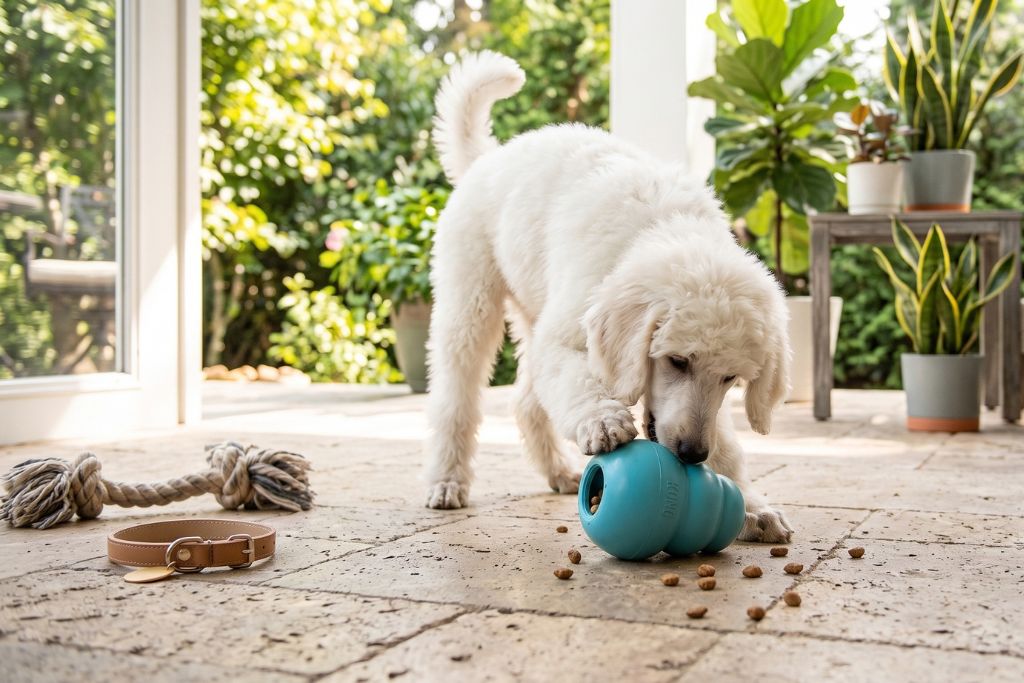
Offer interactive toys. Food puzzles and enrichment toys encourage problem-solving. Choose age-appropriate options and supervise their use.
Make walks a sensory adventure. A stroll through your neighborhood gives your puppy new sights, sounds and scents. Near Mannino Park or around the Laurence Harbor area, let your puppy safely stop and sniff.
How can everyday adventures become enrichment?
You do not need to plan an elaborate activity every day. Your puppy can learn from small changes in their routine.
A quiet sniffing session at home can be enrichment. So can exploring a new room or practicing a familiar cue somewhere different. A calm outing near Raritan Bay can provide new sights and sounds. Cheesequake State Park in nearby Matawan offers another setting to experience nature, with five designated trails and varied habitats. Always check current park rules before bringing your puppy.
How does PetCenter support healthy puppy development?
At PetCenter Old Bridge, we know bringing home a puppy is the start of a new relationship. That means helping families feel prepared for the everyday parts of puppy life, too.
Our resources include breed information and training support, while our team remains available as families adjust to life with a new companion. PetCenter also offers complimentary professional training sessions as part of its ongoing support for new owners.
From a puzzle toy at home to a new scent along a walk in Cliffwood Beach, those little moments add up. Your puppy is learning all the time. Giving that curious mind something appropriate to explore can help make those early months happier, richer and more rewarding for both of you.
Hungry for more? The next chapter’s even better! Follow the paw prints below to keep reading.
Living with a puppy can feel like discovering your own secret language. You learn the zoomies, the sleepy sighs and the very specific look that means, “I definitely did not eat that.”
Still, puppies cannot tell us exactly what they want or how they feel. Learning their body language can help you understand your new companion and build a stronger bond.
Every puppy has a personality, too. Some are bold and curious. Others are more cautious. The key is learning what your puppy is communicating.
How can you tell when your puppy is relaxed?
A relaxed puppy usually has a loose, soft body and natural movement. You may notice soft eyes, relaxed ears, an open mouth and a gently wagging tail. They may stretch out, lean against you or settle comfortably nearby.
How to respond: Enjoy the moment. Gentle interaction, play or simply spending time together can reinforce that sense of comfort.
What does a puppy’s playful body language look like?
The classic play bow is a great clue. Your puppy lowers their front end while keeping their rear end up. Bouncy movement, a wiggly body and a loose tail can also signal that they are ready for fun.
How to respond: Let the play continue when both puppies remain relaxed and engaged. If one puppy becomes overwhelmed, pause and give them space.
How can you recognize when your puppy is worried?
Stress signals can be surprisingly subtle. Lip licking, yawning, turning away, pinned-back ears, a tucked tail, pacing, panting when it is not hot, freezing or trying to move away can all signal discomfort.
How to respond: Reduce the pressure. Give your puppy distance and allow them to move away. Never punish a puppy for communicating discomfort.
Does a wagging tail always mean a happy puppy?
Not necessarily. A loose, sweeping wag with a relaxed body can signal comfort. A high, stiff wag can indicate arousal or tension, while a tucked tail may signal fear or discomfort. Always read the entire body instead of focusing on the tail alone.
How Can Dream Tails Sarasota by Petland Help You Understand Your Puppy?
At Dream Tails Sarasota by Petland, we believe bringing home a puppy is the beginning of a relationship, not the end of the journey. For many years, our Pet Counselors have helped families find the right pet while providing information about behavioral, nutritional and environmental needs.
The more closely you learn your puppy’s signals, the easier it becomes to recognize their comfort, curiosity and need for a little extra space. That understanding can make those first months together even more rewarding, and help you build the happy, lasting relationship you’ve been dreaming about.
Hungry for more? The next chapter’s even better! Follow the paw prints below to keep reading.
Bringing home a puppy is an exciting new chapter. The cuddles begin, the photos start, and suddenly your home has a tiny four-legged family member exploring every corner.
Then comes one of the biggest parts of puppy parenthood: potty training.
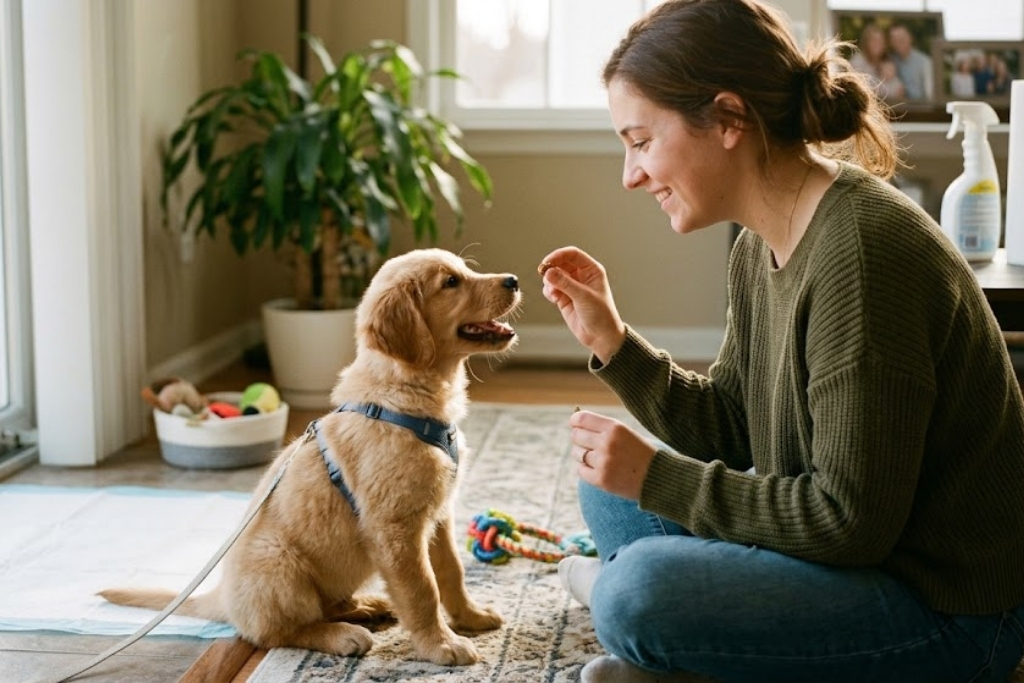
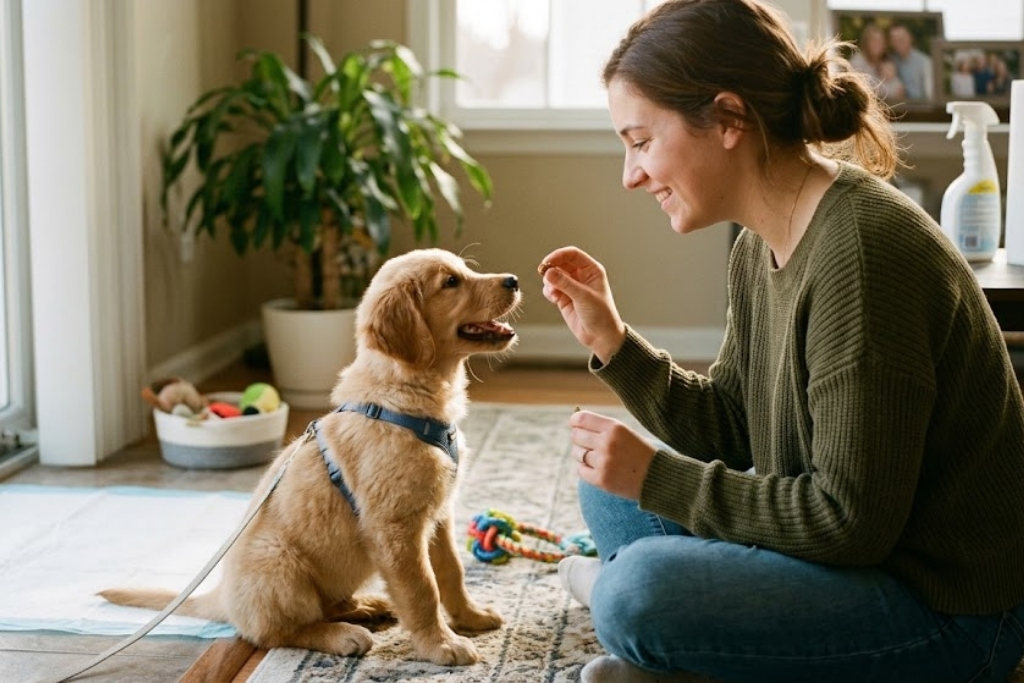
A good potty training routine helps your puppy learn where and when to go, while also building trust and confidence. Puppies learn through consistency, repetition, and positive reinforcement. The right start can make the process smoother for both you and your new companion.
At PetCenter in Old Bridge, NJ, we know that preparation matters. Setting up your puppy’s space, creating a routine, and understanding common training mistakes can help your puppy feel more comfortable as they adjust to life at home.
What Puppy Potty Training Mistakes Should New Owners Avoid?
Potty training takes patience. Accidents can happen, especially during the early weeks. Knowing what mistakes to avoid can help your puppy learn faster and create better habits.
Mistake #1: Waiting Too Long to Start a Routine
Puppies thrive on consistency. Waiting until accidents become a pattern can make training more challenging.
Instead, create a schedule from the beginning. Take your puppy outside after waking up, eating, playing, and before bedtime. A predictable routine helps them understand what to expect.
For families near Old Bridge or nearby communities like Matawan and East Brunswick, building that daily rhythm makes puppy care easier around busy schedules.
Mistake #2: Punishing Accidents
Accidents are frustrating, but punishment does not teach your puppy what to do. It can create fear and confusion.
Instead, calmly clean the area and focus on rewarding the right behavior. When your puppy goes in the correct spot, praise them immediately so they understand the connection.
Mistake #3: Not Supervising Your Puppy
Young puppies are still learning. Giving them too much freedom too soon can lead to accidents.
Keep your puppy nearby and watch for signs they need to go, such as sniffing, circling, or suddenly leaving an activity.
Mistake #4: Using an Inconsistent Approach
Mixed signals make learning harder. Everyone in the home should follow the same potty routine, commands, and expectations.
Consistency helps your puppy understand the rules and feel secure.
Mistake #5: Expecting Instant Results
Potty training is a process. Every puppy learns at their own pace.
Celebrate progress, stay patient, and remember that small successes add up.
How PetCenter Helps You Start Puppy Life With Confidence
Finding your puppy is only the beginning of your journey together. At PetCenter, we’re here to help families prepare for the many moments that come after bringing their new companion home.
From choosing the right puppy match to providing helpful resources and guidance, our goal is to support you through every stage of puppy ownership.
For families in Old Bridge, NJ and surrounding communities, we’re here to help make puppy parenthood a rewarding experience filled with happy memories, joyful tail wags, and plenty of love.
Hungry for more? The next chapter’s even better! Follow the paw prints below to keep reading.
Humans have a few obvious ways to know summer is ending. The calendar changes. The mornings feel cooler. The sun starts setting earlier. And suddenly every store is filled with pumpkin everything before we’re emotionally prepared.
Puppies? They don’t need any of that.
Your furry friend does not own a calendar. They have never checked a weather app. They have no idea what September means.
And yet somehow… they know.
Before you’ve accepted that summer is wrapping up, your pup may already be acting like the neighborhood’s official fall forecaster. They’re sniffing everything. Watching squirrels like they’re gathering important intelligence. Running around the yard because one suspicious leaf dared to move.
It turns out your puppy isn’t just guessing.
They’re paying attention.
Your Pup Has a Built-In Seasonal Radar
Puppies experience the world differently than we do. While humans rely mostly on sight, dogs use their incredible sense of smell to understand what’s happening around them.
As summer shifts into fall, the environment changes. Cooler temperatures, different scents from plants and soil, changing wildlife activity, and new weather patterns all give dogs information we might completely miss.
To you, it’s just a normal walk.
To your puppy, it’s a breaking news investigation.
The grass has updates. The trees have updates. That one fence post from three blocks away? Clearly has a story.
Signs Your Puppy Knows Summer Is Ending
The sniffing becomes a full-time job
If your puppy suddenly needs 47 minutes to inspect the same patch of grass they’ve seen every day, they aren’t trying to make you late.
They’re collecting data.
Seasonal changes create new smells, and pups use those scents to learn about their surroundings. Every sniff is basically a neighborhood newsletter.
The zoomies return with a vengeance
Many puppies become more active when the weather cools down. After spending hot summer days searching for shade and saving energy, crisp fall temperatures can feel like the perfect invitation to play.
Long walks? Yes.
Extra fetch? Absolutely.
A dramatic backyard sprint because a leaf moved? Obviously.
They notice your routine changes
Puppies are experts at recognizing patterns. They know when you wake up, when walks happen, and when the house gets quiet. As summer ends, routines often shift. Vacations finish. School starts. Families settle into new schedules.
Your furry pal may not know the calendar changed, but they definitely know something did.
Ready for Every Season of Puppy Life
The best part about puppies is that they help us notice the little things. A cooler breeze. A new smell. A different kind of walk.
And when you welcome a puppy into your family, every season brings something new to learn.
Finding the right puppy is just the beginning. Having trusted guidance along the way helps you understand your pup’s needs, personality, and care as they grow. From your first puppy cuddles to years of adventures ahead, we’re here to help you enjoy every step of the journey.
Pups may not have calendars, but they have a pretty amazing way of knowing when life is changing.
Hungry for more? The next chapter’s even better! Follow the paw prints below to keep reading.