Author: cosmick

  • Why Your Dog Always Knows When You’re Eating Something Good

    Why Your Dog Always Knows When You’re Eating Something Good

    The Science of the Snack Radar: Why Dogs Know You’re Eating

    You open a bag of chips as quietly as possible.

    You pause. Listen. Look around.

    The coast seems clear.

    Then suddenly… tap, tap, tap. Tiny paws approach. A wet nose appears beside your elbow. And two hopeful eyes lock onto your snack like a heat-seeking missile.

    How did they know?

    You didn’t call them. You didn’t drop anything. You barely made a sound.

    And yet somehow, your dog knew you were eating something good before you even took the first bite.

    Welcome to the mysterious (and undefeated!) world of your dog’s snack radar.

    The Sneaky Science Behind Your Dog’s Food Detection

    As adorable as it is, your dog’s ability to detect snacks isn’t magic. It’s science. And their senses are incredible.

    Here’s what’s really happening behind the scenes.

    Their nose is basically a superpower.

    Dogs have up to 300 million scent receptors in their noses. Humans? Around six million. That means dogs can detect smells at levels we can barely imagine. Even the faint scent of cheese, chicken, or popcorn drifting through the air is practically a dinner bell.

    Food smells stronger to them than it does to us.

    When you smell pizza, it smells good. When your dog smells pizza, it’s like the scent fills the entire room. Their brain dedicates far more space to analyzing smells than ours does.

    They’re reading your behavior.

    Dogs don’t just rely on scent. They’re also expert observers. Studies show dogs are remarkably good at reading human cues, including body language and patterns. Opening the fridge, grabbing a plate, sitting on the couch with a bowl… These are all signals your dog has memorized.

    They’ve learned food might fall.

    Let’s be honest. Something eventually hits the floor. Dogs know this. Over time, they learn that hanging out near humans eating food can lead to a lucky snack drop.

    Why Dogs Are Especially Curious About Human Food

    Human food smells richer because it often contains fats, proteins, and seasonings dogs find irresistible. These strong aromas travel easily through the air, making them impossible for a dog to ignore.

    On top of that, dogs are naturally curious scavengers. In the wild, finding food often means investigating every interesting smell. So when something delicious appears in your kitchen, their instincts kick in.

    Translation: your sandwich never stood a chance.

    Understanding Your Dog’s Snack Radar

    We see this behavior all the time. And honestly, it’s part of what makes dogs so charming. Their curiosity, intelligence, and powerful senses are reminders of just how amazing our canine companions really are.

    Understanding why dogs act the way they do helps pet parents respond in healthy ways. Not every human snack is safe for dogs, but their interest in food is completely natural.

    The more you learn about your dog’s instincts, the easier it becomes to guide them with good habits, proper nutrition, and enrichment.

    One Thing’s for Sure…

    Your dog may not know what taxes are.

    They might not understand the concept of personal space.

    But the moment you open a bag of snacks? They know.

    And somehow, they always arrive right on time. 

    Hungry for more? The next chapter’s even better! Follow the paw prints below to keep reading.


    The Love Languages of Dogs (Yes, They’re Real!)
    Spring Fever, Fur Real: What Happens to Your Dog’s Personality When Winter Ends?


  • AKC Registration With Health Testing: What Every Future Puppy Parent Should Know

    AKC Registration With Health Testing: What Every Future Puppy Parent Should Know

    importance of puppy health screening

    New puppy parents quickly encounter many unfamiliar terms. Two of the most common are AKC registration and health testing.

    Because these terms appear often, and refer to two different things.

    Understanding each can help you make confident choices when welcoming a puppy into your family. It also helps you know what to look for when choosing where your puppy comes from.

    Let’s take a closer look.

    What Is AKC Registration?

    The American Kennel Club (AKC) is one of the most well-known and reputable dog registries in the United States. When a dog is AKC registered, it means the dog’s lineage has been recorded with the organization.

    Registration confirms that a puppy comes from a documented purebred line. AKC registration allows dog owners to track pedigree records. It also gives access to AKC events, training programs, and educational resources.

    However, it is important to understand what AKC registration does not mean.

    Registration alone does not guarantee a dog’s health. It simply confirms documented breed lineage.

    What Is Health Testing?

    Health testing focuses on the well-being of a dog and its breed-specific health risks.

    Veterinarians and specialists perform these tests to identify inherited health conditions that may affect certain breeds.

    Responsible breeders often screen for issues such as hip dysplasia, heart conditions, eye disorders, or genetic diseases common within specific breeds. These evaluations help reduce the risk of passing hereditary health conditions to future puppies.

    Because every breed is different, recommended tests may vary.

    If you have a desire for a particular breed of dog, we recommend you research common conditions and diseases that are common to that breed. This will give you a base of information when checking to see if your puppies parents have been health tested for these health-related traits.

    How AKC Registration and Health Testing Work Together

    Although they are different, these two factors often work hand in hand.

    AKC registration documents a puppy’s lineage and breed history. Health testing helps ensure responsible breeding practices and supports long-term canine health. When both elements are considered together, they provide a clearer picture of a puppy’s background and care.

    For future pet parents, this knowledge creates greater peace of mind.

    How Petland Supports Responsible Breeding

    At Petland, we believe education and transparency matter.

    We work closely with experienced breeders who follow responsible breeding practices and prioritize the health and well-being of their dogs.

    Our team partners with breeders who meet high standards for care, socialization, and veterinary oversight. We also encourage responsible health testing and proper documentation.

    Just as important, we help families understand the information behind each puppy. Our knowledgeable team can explain breed traits, health considerations, and what to expect as your puppy grows.

    Helping Families Find the Right Puppy

    Choosing a puppy should feel exciting, not confusing.

    Understanding terms like AKC registration and health testing helps you make informed decisions with confidence.

    At Cosmick Media SEO Blogs, we are here to guide you through every step of the journey. Our goal is simple: help families connect with happy, healthy puppies while providing the knowledge needed for a lifetime of care.

    Bringing home a puppy, after all,  isn’t just a purchase. It’s the beginning of a new family story.

    Hungry for more? The next chapter’s even better! Follow the paw prints below to keep reading.

    Buying a Puppy from Petland: What to Know Before You Bring One Home
    The Ethical And Welfare Implications Of Buying From Petland Explained


  • Does PetCenter NJ Source Puppies From “Horrible Hundred” Breeders? Let’s Set the Record Straight

    Does PetCenter NJ Source Puppies From “Horrible Hundred” Breeders? Let’s Set the Record Straight

    PetCenter NJ puppy sources

    Bringing a puppy into your life is a special moment. It’s the start of new routines, new memories, and a new best friend.

    Still, today’s pet parents do more research than ever. That’s a good thing. People want to know where their puppy comes from and how it was raised.

    However, one topic often creates confusion in the conversation: the “Horrible Hundred.” Because of the noise surrounding pet stores and breeders, some families wonder whether their local pet store sources from breeders on that list.

    So let’s talk about it openly.

    Why Breeder Sources Matter

    Responsible breeding is an important part of puppy health and welfare. That’s why many organizations track breeders who have received serious animal welfare violations. 

    One well-known example is the “Horrible Hundred” report, published by Humane World for Animals. The report highlights facilities that have been cited for repeated issues related to animal care, sanitation, or regulatory violations.

    For families looking for a puppy, learning about breeder standards helps create transparency and trust. And yes, it’s absolutely fair for pet parents to ask questions.

    What the “Horrible Hundred” Actually Is

    The “Horrible Hundred” is an annual report that lists breeding operations cited by the USDA or state authorities for serious or repeated animal welfare violations. These facilities may have been flagged for issues such as poor living conditions, sanitation concerns, or failure to meet basic regulatory requirements. 

    The list focuses on breeders who have received documented violations. It is not a list of all breeders or all licensed facilities. 

    However, the report has raised awareness about why breeder standards and oversight matter.

    Does PetCenter NJ Source From “Horrible Hundred” Breeders?

    The answer is simple: No.

    At PetCenter NJ, we partner only with breeders who meet strict federal and state licensing requirements and operate within all applicable animal welfare laws.

    Even more importantly, most of our breeders are Canine Care Certified™ (CCC) or actively working toward certification.

    This distinction matters.

    What Is Canine Care Certified™?

    The Canine Care Certified program was developed by experts at the Purdue University College of Veterinary Medicine. Today, it is considered one of the most comprehensive science-based welfare certification programs for dog breeders in the United States.

    Unlike basic regulatory requirements, this voluntary program focuses on the overall well-being of both puppies and adult dogs.

    Certified breeders must meet rigorous standards across several areas.

    Physical Health

    Breeders must provide veterinary oversight, preventative care, genetic health screening, dental care, and proper medical recordkeeping.

    Behavioral Well-Being

    Programs require structured socialization, enrichment activities, regular exercise, and low-stress handling.

    Living Environment

    Facilities must maintain clean, safe, and enriched living spaces with proper sanitation and environmental stimulation.

    Responsible Breeding & Retirement

    Standards include breeding age limits, appropriate spacing between litters, and humane retirement planning for adult dogs.

    Caregiver Training & Accountability

    Breeders must complete ongoing education and follow documented care protocols.

    Most importantly, independent third-party auditors verify these standards. Certification cannot be self-declared.

    What This Means for PetCenter Families

    By working with breeders who meet these elevated standards, we demonstrate our commitment to responsible sourcing and transparency.

    Our goal is simple: every puppy should come from a safe, humane, and enriched environment that supports long-term health and well-being.

    Families deserve confidence when choosing a puppy. They deserve answers, transparency, and trusted guidance. At PetCenter NJ, we welcome those conversations every day.

    Because when you bring home a puppy, you’re not just choosing a pet.

    You’re choosing the beginning of a lifelong bond. 

    Hungry for more? The next chapter’s even better! Follow the paw prints below to keep reading.

    Is It Safe to Buy a Puppy from PetCenter NJ? Here’s What You Should Know
    What Health Checks, Veterinary Care, and Guarantees Does PetCenter Provide?

  • What Lies Beneath: Why the Foundation of Your Patio Matters More Than You Think

    What Lies Beneath: Why the Foundation of Your Patio Matters More Than You Think

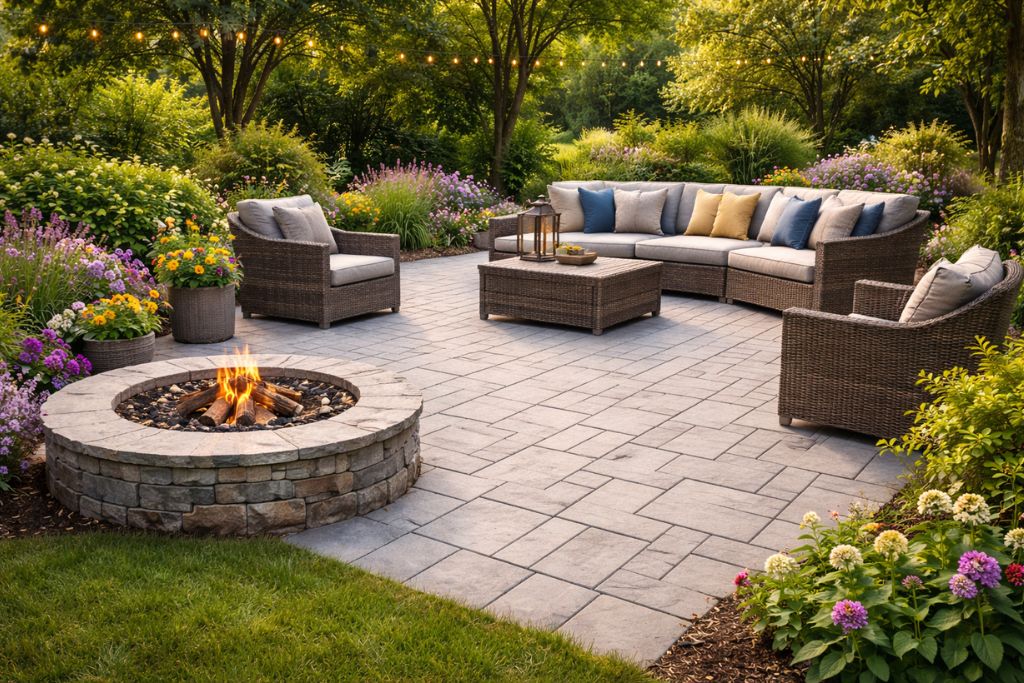
    A well-designed patio always looks effortless. Clean lines, balanced materials, a natural flow into the landscape. The kind of space that feels finished the moment you step onto it.

    But what makes a patio truly last isn’t what you see. It’s everything underneath it.

    When homeowners plan a patio upgrade, the focus often stays on surface details: stone choice, layout, color. All important. But without the right foundation, even the most beautiful design can shift, settle, or fail over time.

    Why What’s Underneath Deserves Attention

    A patio isn’t just placed on the ground. It’s built into it.

    Soil conditions, drainage, and base preparation all influence how that surface performs. Without proper planning, water can collect, freeze, and expand. Over time, that leads to uneven pavers, cracks, or sinking areas.

    In a climate like Eastern Pennsylvania, where freeze-thaw cycles are part of the season, that risk becomes even more pronounced. A strong patio starts below grade, where stability is created long before the first stone is set.

    The Base Layer: Structure and Stability

    At the core of any patio is its base.

    This typically includes compacted gravel or crushed stone, designed to create a stable, load-bearing foundation. It allows for proper drainage while preventing movement. Without this layer, patios are more likely to shift or settle unevenly. With it, the surface stays level and consistent over time.

    Precision matters here. Depth, compaction, and material choice all play a role in long-term performance.

    Drainage: Managing Water Before It Becomes a Problem

    Water is the most common reason patios fail.

    If water isn’t directed away from the surface, it will find its way underneath. That leads to erosion, pooling, and eventual structural issues.

    Effective patio design includes subtle grading (often a slight slope away from the home) along with drainage solutions that move water where it needs to go. This might include permeable joints, drainage channels, or base materials that allow water to pass through rather than collect.

    Done right, drainage is invisible. But it’s always working.

    Soil Conditions: The Ground You’re Building On

    Not all soil behaves the same.

    Some soils retain water. Others shift more easily. Clay-heavy soil, common in parts of Pennsylvania, expands and contracts with moisture changes which can impact the stability of a patio if not properly addressed.

    That’s why site preparation matters. Assessing and preparing the soil ensures the base layer performs as intended, rather than reacting to what’s underneath it.

    Materials and Layering: Built to Work Together

    A patio isn’t a single surface. It’s a system. From the subgrade to the base to the setting layer and pavers, each component works together. When one layer is compromised, the entire system feels it.

    That’s why thoughtful material selection and proper installation are essential not just for appearance, but for durability.

    Where Creative Landscapes Comes In

    At Creative Landscapes, we approach hardscaping as a complete composition, not just a surface treatment. We consider what’s beneath just as carefully as what’s visible. Soil conditions, drainage planning, base preparation, each step designed to support the next.

    The result is a patio that doesn’t just look refined, but performs exactly as it should, season after season.

    A Patio That Lasts, By Design

    A beautiful patio is immediate. A well-built one lasts.

    In the end, the most important part of your patio is the part you never see. When the foundation is right, everything above it feels effortless: stable, balanced, and built with intention.

  • Who Actually Breeds Georgia Dog Club Puppies? The Story Behind Every Pup

    Who Actually Breeds Georgia Dog Club Puppies? The Story Behind Every Pup

    You’re sitting on the couch late one evening, scrolling through photos of puppies. One catches your eye. Then another. Before you know it, you’re imagining what life might look like with a dog by your side.

    But somewhere between the excitement and the daydreaming, a very practical thought appears:

    Who bred this puppy?

    It’s a fair question. And a smart one. When families begin searching for a puppy, curiosity about a dog’s background often turns into a deeper conversation about trust, care, and responsibility.

    At Georgia Dog Club, we welcome that curiosity. In fact, it’s one of the questions we hear most often.

    And we believe it deserves a clear answer.

    Why a Puppy’s Origins Matter

    A puppy’s early weeks shape so much of their future.

    The environment where they are born, the people who care for them, and the experiences they have before joining a new home all play a role in their development. That’s why responsible programs place enormous importance on breeder partnerships. When those relationships are built carefully, families can feel confident about the journey their puppy has taken before meeting them.

    At Georgia Dog Club, thoughtful breeder selection is one of the foundations of our program.

    The Breeders Behind Georgia Dog Club Puppies

    Every puppy in our program comes from carefully selected partner breeders who share our commitment to responsible breeding and animal welfare.

    However, becoming a partner breeder is not a simple process.

    Before we even begin evaluating a new breeder, they must first be referred by another trusted partner breeder already working within our program. This step ensures that new partnerships begin with a foundation of trust.

    After the referral, we personally meet with the breeder to confirm that our values align. Animal welfare must always come first.

    All of our breeders are family breeders, meaning their programs operate within their homes. Puppies grow up surrounded by everyday life: people moving through the house, conversations, and gentle handling from family members.

    Children often play a role in caring for the puppies as well. That early interaction helps puppies become comfortable with people and prepared for life as companions.

    Maintaining Health and Breed Standards

    Another key part of our program involves carefully selecting the parent dogs within our network.

    When we welcome a breeder into our program, we may place parent dogs that we have selected into their pre-approved facilities. These facilities must meet standards approved by our presiding veterinarian.

    This approach allows us to maintain oversight while protecting the health and temperament of each breed.

    Health testing may include:
    • DNA testing
    • OFA (Orthopedic Foundation for Animals) testing
    • Breed-specific health screenings

    These steps help ensure that each puppy represents the qualities families expect from their chosen breed.

    Veterinary Care and Early Socialization

    Before going home, every puppy receives thorough veterinary care.
    Each puppy receives:
    • A veterinary health check
    • Age-appropriate vaccinations
    • Deworming treatments
    • Microchipping
    • Fecal testing

    Just as important is early socialization. Because puppies are raised in family homes, they experience normal household activity from an early age. Our breeders also follow structured socialization protocols designed around each stage of development.

    This preparation helps puppies grow into confident, well-adjusted companions.

    The Dog Club Promise

    One of the things that sets Georgia Dog Club apart is our 10-year health guarantee.

    Offering a guarantee like this requires complete confidence in the breeders and parent dogs within our program. It reflects the trust we have in the health, care, and responsibility behind every puppy we place.

    Responsible breeders put an incredible amount of dedication into raising healthy litters. Their work often happens quietly behind the scenes, yet it forms the foundation of every great puppy story.

    The Beginning of Something Special

    Every puppy at Georgia Dog Club starts life surrounded by care, structure, and intention.

    Long before a family walks through our doors, there is already a network of people working together. Breeders, veterinarians, and caregivers, all focused on raising healthy, happy dogs.

    When the right puppy finally meets the right family, it feels effortless. But behind that moment is a great deal of thoughtful preparation. And that preparation is what helps turn a simple introduction into the beginning of a lifelong bond.

    If you’re up for another good read, these articles are a great place to start:

  • Who Actually Breeds Charlotte Dog Club Puppies? The Story Behind Every Pup

    Who Actually Breeds Charlotte Dog Club Puppies? The Story Behind Every Pup

    You’re sitting on the couch late one evening, scrolling through photos of puppies. One catches your eye. Then another. Before you know it, you’re imagining what life might look like with a dog by your side.

    But somewhere between the excitement and the daydreaming, a very practical thought appears:

    Who bred this puppy?

    It’s a fair question. And a smart one. When families begin searching for a puppy, curiosity about a dog’s background often turns into a deeper conversation about trust, care, and responsibility.

    At Charlotte Dog Club, we welcome that curiosity. In fact, it’s one of the questions we hear most often.

    And we believe it deserves a clear answer.

    Why a Puppy’s Origins Matter

    A puppy’s early weeks shape so much of their future.

    The environment where they are born, the people who care for them, and the experiences they have before joining a new home all play a role in their development. That’s why responsible programs place enormous importance on breeder partnerships. When those relationships are built carefully, families can feel confident about the journey their puppy has taken before meeting them.

    At Charlotte Dog Club, thoughtful breeder selection is one of the foundations of our program.

    The Breeders Behind Charlotte Dog Club Puppies

    Every puppy in our program comes from carefully selected partner breeders who share our commitment to responsible breeding and animal welfare.

    However, becoming a partner breeder is not a simple process.

    Before we even begin evaluating a new breeder, they must first be referred by another trusted partner breeder already working within our program. This step ensures that new partnerships begin with a foundation of trust.

    After the referral, we personally meet with the breeder to confirm that our values align. Animal welfare must always come first.

    All of our breeders are family breeders, meaning their programs operate within their homes. Puppies grow up surrounded by everyday life: people moving through the house, conversations, and gentle handling from family members.

    Children often play a role in caring for the puppies as well. That early interaction helps puppies become comfortable with people and prepared for life as companions.

    Maintaining Health and Breed Standards

    Another key part of our program involves carefully selecting the parent dogs within our network.

    When we welcome a breeder into our program, we may place parent dogs that we have selected into their pre-approved facilities. These facilities must meet standards approved by our presiding veterinarian.

    This approach allows us to maintain oversight while protecting the health and temperament of each breed.

    Health testing may include:
    • DNA testing
    • OFA (Orthopedic Foundation for Animals) testing
    • Breed-specific health screenings

    These steps help ensure that each puppy represents the qualities families expect from their chosen breed.

    Veterinary Care and Early Socialization

    Before going home, every puppy receives thorough veterinary care.
    Each puppy receives:
    • A veterinary health check
    • Age-appropriate vaccinations
    • Deworming treatments
    • Microchipping
    • Fecal testing

    Just as important is early socialization. Because puppies are raised in family homes, they experience normal household activity from an early age. Our breeders also follow structured socialization protocols designed around each stage of development.

    This preparation helps puppies grow into confident, well-adjusted companions.

    The Dog Club Promise

    One of the things that sets Charlotte Dog Club apart is our 10-year health guarantee.

    Offering a guarantee like this requires complete confidence in the breeders and parent dogs within our program. It reflects the trust we have in the health, care, and responsibility behind every puppy we place.

    Responsible breeders put an incredible amount of dedication into raising healthy litters. Their work often happens quietly behind the scenes, yet it forms the foundation of every great puppy story.

    The Beginning of Something Special

    Every puppy at Charlotte Dog Club starts life surrounded by care, structure, and intention.

    Long before a family walks through our doors, there is already a network of people working together. Breeders, veterinarians, and caregivers, all focused on raising healthy, happy dogs.

    When the right puppy finally meets the right family, it feels effortless. But behind that moment is a great deal of thoughtful preparation. And that preparation is what helps turn a simple introduction into the beginning of a lifelong bond.

    If you’re up for another good read, these articles are a great place to start:

  • Spring, Styled: 10 Flowers That Thrive in Eastern Pennsylvania Landscapes

    Spring, Styled: 10 Flowers That Thrive in Eastern Pennsylvania Landscapes

    Spring in Eastern Pennsylvania doesn’t simply arrive, it reveals itself. The air softens, light lingers a little longer, and suddenly, the landscape begins to speak in color again. This is where thoughtful planting makes all the difference. At Creative Landscapes, spring is less about filling space and more about shaping an experience. One that feels layered, intentional, and quietly striking.

    If you’re designing a garden that feels elevated yet effortless, these ten spring bloomers are perfectly suited to our region… and to a beautifully composed outdoor space.

    1. Tulips

    Classic, but never ordinary. Tulips offer a clean, architectural silhouette with a wide range of tones, from soft neutrals to saturated jewel hues. They’re ideal for structured beds and formal borders, especially when planted in thoughtful groupings for maximum visual rhythm.

    2. Daffodils

    A true sign of the season. Daffodils are both cheerful and dependable, thriving in Eastern Pennsylvania’s early spring conditions. Their bright yellow and white blooms add energy to the landscape, especially when naturalized along walkways or tucked into layered garden beds.

    3. Virginia Bluebells

    Soft, fleeting, and undeniably elegant. These native blooms emerge in gentle clusters of blue and pink, thriving in shaded or woodland settings. They pair beautifully with ferns and other shade-loving plants, creating a serene, almost storybook effect.

    4. Bleeding Heart

    Quietly romantic. Their arching stems and heart-shaped blooms add softness and movement, making them perfect for transitional spaces beneath trees or alongside shrubs. They thrive in partial shade and bring a graceful, layered feel to the garden.

    5. Creeping Phlox

    Low-growing, but high impact. Creeping phlox forms a dense carpet of color in shades of pink, purple, and white. It’s especially effective along stone walls, pathways, or slopes, where it softens hard edges and creates a seamless flow through the landscape.

    6. Columbine

    Delicate in appearance, but surprisingly resilient. Columbine’s intricate, almost whimsical blooms introduce a sense of movement and lightness. They’re excellent for adding visual interest to mixed borders and thrive in both sun and partial shade.

    7. Wild Geranium

    Effortless and grounded. This native favorite produces soft pink to lavender blooms and thrives in partial shade. It’s a beautiful choice for naturalized areas or woodland gardens, where it quietly fills space without overwhelming the design.

    8. Trillium

    Understated and refined. Trillium is a woodland essential, known for its simple three-petal blooms and lush foliage. It prefers shaded environments and adds a sense of calm sophistication. Intentional, not over-designed.

    9. Hyacinths

    A sensory moment. Hyacinths bring dense, vibrant blooms paired with a rich, unmistakable fragrance. They’re ideal near entryways, patios, or walkways… anywhere you want to experience spring up close.

    10. Ranunculus (Buttercups)

    Polished and luminous. With their layered, rose-like petals, ranunculus offer a refined burst of color. They’re perfect for statement plantings and add a touch of softness and luxury to spring displays.

    Designed for Eastern Pennsylvania, and Designed Well

    What makes these flowers exceptional isn’t just how they look, it’s how they perform. Eastern Pennsylvania’s spring brings cool nights, variable rainfall, and shifting light. Choosing plants that thrive in these conditions ensures your landscape feels as good as it looks.

    At Creative Landscapes, we approach planting as part of a larger vision. We consider bloom timing, texture, and placement so that every element works in harmony. The result is a space that feels cohesive, curated, and quietly impactful.

    A Season, Beautifully Composed

    Spring may be fleeting, but a well-designed landscape lingers. With the right selections and the right design, your garden doesn’t just bloom. It tells a story.
    And that’s where we come in.


  • Timing It Right: When to Paint Your Exterior in Columbus

    Timing It Right: When to Paint Your Exterior in Columbus

    A fresh coat of paint can shift everything. It sharpens curb appeal, protects your exterior, and brings a space back into focus. For many homes and businesses in Columbus, it’s one of the most effective updates you can make.

    But before choosing a color, there’s a more important question to answer: When should you paint?

    In a city where spring runs cool, summers can spike, and fall arrives quickly, timing isn’t just a detail. It directly affects how well your paint performs, and how long it lasts.

    Spring (April – May): A Strong Start, With Some Flexibility

    Spring is often where exterior projects begin in Columbus. As temperatures rise and conditions stabilize, paint can start to cure properly.

    That said, early spring still brings variability. Cool nights and rain can interrupt progress, especially in April. By May, conditions tend to even out, making it a more reliable window.

    If you’re painting in spring, timing the project around consistent, dry days is key.

    Summer (June – August): Ideal Conditions, With Careful Planning

    Summer offers the most predictable stretch for exterior painting. Warm temperatures and longer daylight hours allow for steady progress and consistent results.

    In Columbus, though, peak heat can become a factor. Direct sun and high temperatures can cause paint to dry too quickly, which affects how it adheres.

    The best approach is to work earlier in the day and follow the shade. When handled properly, summer remains one of the most effective times to paint.

    Fall (September – Early October): The Sweet Spot

    For many projects, early fall is the most balanced season.

    Temperatures are moderate. Humidity drops. Sun exposure is less intense. All of this creates an environment where paint can cure evenly and hold its finish.

    In Columbus, this window doesn’t last long. Once temperatures begin to dip in mid-to-late October, conditions become less predictable. But in that early fall stretch, results tend to be especially clean and durable.

    Winter (Late October – March): Not Recommended

    Winter conditions in Columbus don’t support exterior painting.

    Cold temperatures prevent proper curing, and moisture from snow or ice can interfere with adhesion. Even on milder days, overnight drops in temperature can impact the finish.

    For lasting results, it’s best to wait until conditions are consistently within range.

    Where Color World Columbus Comes In

    Knowing the right season is one thing. Executing it well is another.

    At Color World Columbus, we plan around real conditions, not just the calendar. We look at temperature patterns, surface readiness, and product performance to ensure each project is timed correctly from the start.

    After all, a strong finish isn’t just about how it looks on day one. It’s about how it holds up over time.

    The Right Timing, Done Well

    Exterior painting is an investment. Done at the right time, it pays off in both appearance and longevity.

    In Columbus, that window is there. You just need to know when to use it.

  • Bringing Home a Puppy in Cheyenne: Real Reviews From Frontier Pets Families

    Bringing Home a Puppy in Cheyenne: Real Reviews From Frontier Pets Families

    Getting a puppy isn’t usually a single moment. It builds. You look, you think about it, you drop in somewhere just to see. Then suddenly, you’re imagining what life would feel like with one actually home.

    That’s when the details matter. Not just the puppy, but the experience around it. And that’s when people start paying closer attention to where they go, and who they trust.

    In Cheyenne, Frontier Pets is a place many people visit during that process. But with so much noise around pet stores in general, the real question becomes simple: what is the experience actually like?

    What stands out most comes from the families who’ve already gone through it.

    What People Notice Right Away

    For some, the experience shifts almost immediately after walking in.

    One customer described feeling welcomed “from the moment you walk through the door.” They went on to describe the staff as “beyond knowledgeable – not just about the breeds, but about the entire process,” noting that everything felt “straightforward, transparent,” and centered on “matching families with the right pups.”

    That sense of trust tends to shape how people move forward. Even visits that start casually can turn into something more meaningful.

    “We only planned to casually stop in while strolling through the mall,” they wrote, “but walked out with not one… but TWO beautiful additions to our family! Our two sweet girls are healthy (yes, we double and triple checked), happy, and unbelievably cuddly. You can tell they were cared for the right way from the very beginning.”

    Support That Feels Personal

    A consistent thread across reviews is how much guidance people receive along the way.

    One family, looking for the right companion for their son, described being able to take their time and ask questions freely. “The staff at Frontier pets assisted us with looking at multiple puppies, answering questions about numerous breeds and just in general being incredibly helpful,” they shared. After bringing their puppy home, they added, “She is healthy, was super easy to potty train and bonded so well with my son.”

    Others highlight similar experiences, where the process feels easy to navigate because someone is there to walk you through it.

    “[The staff] was so nice… he was there to answer any questions that we had,” one review noted. “He made the process really easy and was super friendly.”

    What Happens After Matters Just As Much

    The real test, of course, comes after you bring your puppy home.

    That’s where many customers point to how well their puppies adjust. One owner shared, “The pup is well adjusted, no barrier or separation anxiety, and it shows that she was amazingly cared for.”

    Another reflected months later, saying, “8 months in and he’s doing amazing would recommend to everyone!”

    There’s also a strong appreciation for how prepared people feel leaving the store. Several reviews mention starter packages and included essentials.

    “Plus, when you buy a puppy, you get a kennel, a bed, food, treats, toys, a leash and collar and dog bowls… Puppies are up-to-date on current shots and you also get a free first pet visit at the local clinic,” one customer shared, adding that while some may hesitate at cost, “honestly it’s worth it you know what you’re getting and they are registered.”

    A Consistent Experience Across the Board

    When you step back, the pattern is clear.

    Customers describe a process that feels open and supported. Puppies that are healthy and well cared for. Staff who are patient, knowledgeable, and easy to work with.

    One review captures it simply: “These guys are great and truly care for and about their animals and their customers.”

    A Thoughtful Place to Start

    Bringing a puppy home should feel exciting, but also grounded in the right information and support.

    The experiences shared by families who’ve already done it offer a clearer picture of what that can look like, from the first visit to months down the line.

    All reviews sourced from Google My Business (GMB).

  • Designed to Protect, Built to Wear: The New Standard in Leaded Glasses

    Designed to Protect, Built to Wear: The New Standard in Leaded Glasses

    Work environments that involve radiation require focus, precision, and protection. You want to stay fully present in what you’re doing without being distracted by the gear meant to keep you safe. That’s often where hesitation comes in. Protective equipment has long been associated with discomfort, and that perception tends to linger.

    Eye protection is one of the most critical pieces in these settings. Exposure risks are real, and over time they add up. Leaded glasses are designed to reduce that risk. Yet many professionals still associate them with heaviness or strain, based on older designs.

    That’s no longer the standard.

    Why Eye Protection Deserves More Attention

    Your eyes are especially sensitive to radiation exposure. Unlike other areas of the body, even small amounts of repeated exposure can lead to long-term effects.

    Leaded glasses are built to shield against scatter radiation, which is common in imaging and procedural environments. The goal is simple: reduce exposure without interfering with how you see or work.

    There’s also a practical side to this. Protection only works when it’s worn consistently. If eyewear feels uncomfortable or distracting, it becomes harder to rely on throughout the day. That’s exactly what modern design aims to solve.

    How Modern Leaded Glasses Are Designed for Comfort

    Balanced Weight Distribution

    Today’s frames are engineered to sit more naturally on the face. Instead of placing pressure on a single point, the weight is distributed across the nose and temples. This reduces strain, especially during extended use.

    The difference becomes noticeable over time. What once felt heavy now feels manageable.

    Advanced Lens Construction

    Modern leaded lenses are designed to maintain protection while reducing unnecessary bulk. Newer materials allow for thinner profiles without compromising shielding performance.

    Side protection is also more integrated. It extends coverage without adding awkward structure or extra weight.

    A More Precise Fit

    Fit plays a direct role in both comfort and protection. Modern leaded glasses are available in multiple sizes and include adjustable features such as flexible nose bridges and contoured arms.

    This allows the glasses to sit securely without constant repositioning. It also helps maintain consistent coverage where it matters most.

    Built for Extended Wear

    In many settings, eyewear stays on for hours at a time. That’s why pressure points are carefully considered. Softer contact areas and improved frame balance reduce fatigue throughout the day.

    Non-slip elements help keep everything in place, so attention stays on the task rather than the fit.

    Clear Vision, Consistent Performance

    Visual clarity remains a priority. High-quality lenses are designed to reduce distortion while maintaining sharp focus. Anti-reflective coatings help manage glare in bright environments, which supports accuracy during detailed work.

    Protection should never interfere with visibility.

    A More Considered Look

    Design has evolved here as well. Frames now reflect the look of modern eyewear, with cleaner lines and a more refined appearance.

    This shift may seem subtle, but it makes a difference. When something feels better to wear, it becomes part of your routine rather than an interruption.

    Where Attenutech Fits In

    At Attenutech, protection is approached with both performance and usability in mind. Each product is designed to meet safety standards while also addressing how it feels in real-world use.

    That includes lightweight construction, thoughtful fit, and clear optics. The goal is to support professionals who rely on their equipment every day.

    Designed to Support the Way You Work

    Leaded glasses have come a long way. They no longer feel like a compromise between safety and comfort.

    With the right design, protection becomes easier to wear and easier to trust.