Tag: training

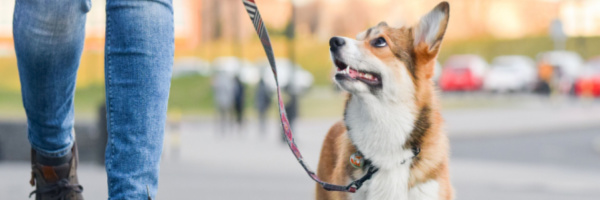
  • Let’s Talk About Leash and Harness Training

    Let’s Talk About Leash and Harness Training

    Leash and harness training is an essential aspect of training your pup and generally goes easier when it is started very early. There are a number of benefits associated with starting training early in your pup’s life. 

    A major one is the fact that it facilitates good behavior. Walking on a leash helps your pet to inculcate lessons in discipline, cooperation, and obedience. In addition, learning this early can set the foundation for learning picking up other instructions along the line. 

    For instance, your pet would likely be more responsive to learning skills like heel, behaving appropriately to other individuals and dogs who are walking together, as well as navigate a crowd with you politely without causing any trouble. 

    In order to get your pet this well-trained, repetition is a vital aspect of this training. Constant practice with lots of positive reinforcement and praise could go a long way in ensuring that your pet picks up these lessons fast. 

    Typically, you should not be walking your pup outdoors until they are around 12 weeks old, and have received all the necessary vaccinations. So, if your pup comes home earlier, you don’t necessarily have to start right away. You could wait until they are around 10 weeks old before you begin to leash and collar train. 

    A flat collar is ideal for wearing everyday and carrying the ID tag, however, many experts recommend using a harness alongside a leash for your pet. This is in the event of situations that could result in your pet pulling on the leash. With the harness in place, they would not experience any major strain against the neck. 

    Conclusion 

    Leash and harness training requires a lot of patience as well as a gentle hand. Be sure to praise effusively when your pup is getting it right and correct slowly otherwise. 
  • Leash and Harness Training For The New Year

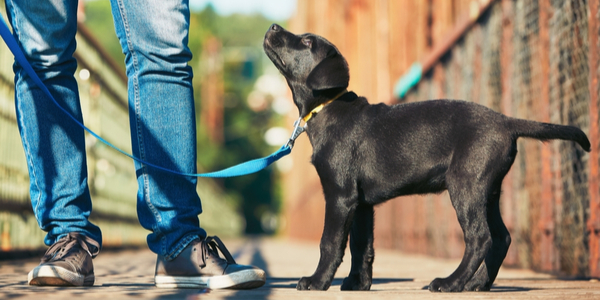
    Leash and Harness Training For The New Year

    Asides trimming their nails, leash manners is perhaps the next most difficult thing to get dogs to learn. 

    While a head harness might get your pup to stop pulling on their leash, you would still need to conduct lots of training for proper walking and stopping at the right time.

    This is why the best time to start training a puppy is early. 

    Instill good habits in your furry friend when they are still little, so that when they are older, they would be a well-mannered pet. 

    Tips to Leash Train Your Dog

    • Introduce your dog to the harness and the leash indoors first. Let them wear it for a couple of minutes everyday to get familiar.
    • Still leaving the leash on, teach them a sound that would serve as a cue to let them know that it is food time. Make the same sound whenever you want to give a treat, and before long, they will learn to recognize the sound and come to you for a delicious treat. 
    • Teach your pet to come to you while wearing the leash and collar. You could begin teaching them to walk with you indoors. Offer treats or praise when your pup gets their steps right.
    • It is now time to take your pup outside. This would be extra challenging because new sounds, sights and smells will attract your dog constantly. However, be patient with your pet, keep your eyes on them at all times at first, keep the first few walks short and reward obedience with treats and praise. 

    Benefits of Taking Your Dog on Walks

    • Walking is a good physical activity to keep your dog active and fit. It helps them maintain a healthy weight, strengthens muscles and prevents diseases such as hypertension or diabetes. 
    • Walking gives your dog a chance to explore the neighborhood, sniff around for more mental stimulation and gives them a healthy dose of daily excitement.
    • Walking exposes your dog to more people, other dogs and engages them in different scenarios, hence brushing up socialization skills. 

    In no time at all, your pup will be the best walking buddy you could ever have.