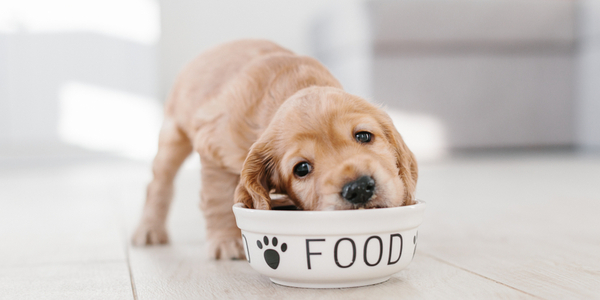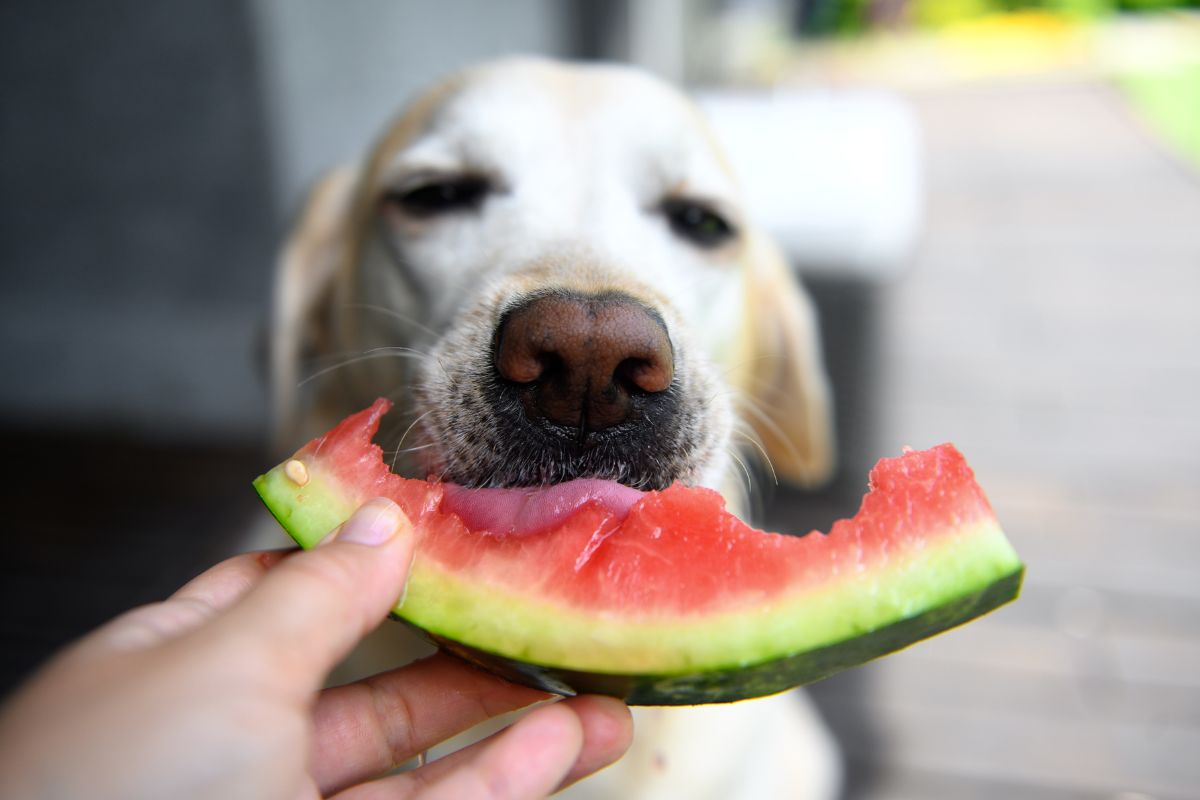
Few things tug at your heartstrings more than your puppy gazing longingly at your dinner plate. One adorable, pleading look can make you want to give in and share your meal (understandably so, those puppy eyes are powerful!). But before slipping them a bite, it’s important to know what’s safe and what’s not. Puppies are still growing, and while some people food can make healthy treats, others are harmful or even toxic. Knowing what foods puppies can eat helps you give them safe, nutritious treats while avoiding harmful options.
Why Educating Yourself Matters
Your pup depends on you to make the right choices. A small “treat” from your plate can either boost their nutrition or send you racing to the vet. Knowing what’s safe and what’s not keeps your puppy healthy while giving you peace of mind.
When Puppies Can Try People Food
Puppies can begin sampling small amounts of safe human foods once they’re weaned and fully eating puppy kibble, usually around 8 weeks old. Keep portions tiny and occasional. People food should never replace a balanced puppy diet, but it can be a fun way to add variety. Think of it as a bonus treat, not the main course.
Safe Foods for Puppies (in Moderation)
Some people foods are safe and even nutritious for puppies when served properly:
Carrots – Crunchy, low-calorie, and packed with vitamin A. Perfect for teething pups and great for dental health when chewed raw.
Apples (no seeds or core) – A sweet source of vitamins A and C, plus fiber. Slice thinly to avoid choking hazards.
Blueberries – Tiny antioxidant powerhouses that support brain health. A great training treat because of their small size.
Pumpkin (plain, cooked, or canned) – Rich in fiber and gentle on digestion. Helps with both diarrhea and constipation when served in spoonfuls.
Bananas – Loaded with potassium, vitamins, and fiber. Best given in small chunks due to their natural sugar content.
Cooked Chicken or Turkey (plain, no seasoning) – A lean protein that supports growing muscles. Shred into small pieces and avoid skin or fat.
Salmon (cooked, boneless) – High in omega-3 fatty acids, which promote a shiny coat and healthy skin. Never serve raw or with bones.
Plain Rice or Pasta – Bland but filling, and great for soothing an upset stomach. Serve plain, without sauces or butter.
Cheese (low-fat, in moderation) – Pups love cheese, and it can be a good training reward. Stick to small amounts to avoid tummy troubles.
Dangerous Food to Avoid
Other foods should never be given to puppies, as they can cause illness or worse:
Chocolate – Contains theobromine, toxic to dogs and especially harmful to puppies. Dark chocolate is the most dangerous.
Grapes and Raisins – Even tiny amounts can cause sudden kidney failure. Best to avoid completely.
Onions, Garlic, and Chives – These damage red blood cells and can lead to anemia. They’re unsafe in any form—raw, cooked, or powdered.
Avocado – Contains persin, which upsets a puppy’s stomach and can be dangerous in large amounts.
Macadamia Nuts – Known to cause weakness, tremors, and vomiting in dogs. Never feed them.
Xylitol (artificial sweetener in gum, candy, and some peanut butters) – Extremely toxic. Even a small lick can cause low blood sugar, seizures, or liver failure.
Alcohol and Caffeine – Both can cause rapid heart rate, seizures, and even death. Never let your pup near coffee, soda, or cocktails.
Fatty or Fried Foods – Can trigger pancreatitis, stomach upset, and long-term weight issues.
Cooked Bones – Dangerous because they splinter and can choke or injure your puppy’s digestive tract.
Why Puppies Love Eating With You
Sharing meals feels natural to your pup because they see you as family, part of their pack. But the safest way to bond is with approved snacks and nutritious treats.
Knowing which foods are safe (and which are dangerous) is a vital part of raising a healthy pup. By sticking to dog-friendly options and avoiding risky ones, you’ll keep your puppy safe while still making them feel included at the table. After all, a healthy puppy is a happy puppy. And that’s the best treat of all!