We all know the benefits of regular exercise, such as feeling energized, staying healthy, and keeping our minds sharp. Just like us, puppies need movement to thrive, and finding the right type and amount is essential for their growth, behavior, and overall happiness. Too little can lead to boredom or weight issues, and too much can put stress on their developing bodies.
So, how much exercise does your puppy really need? Let’s break it down.
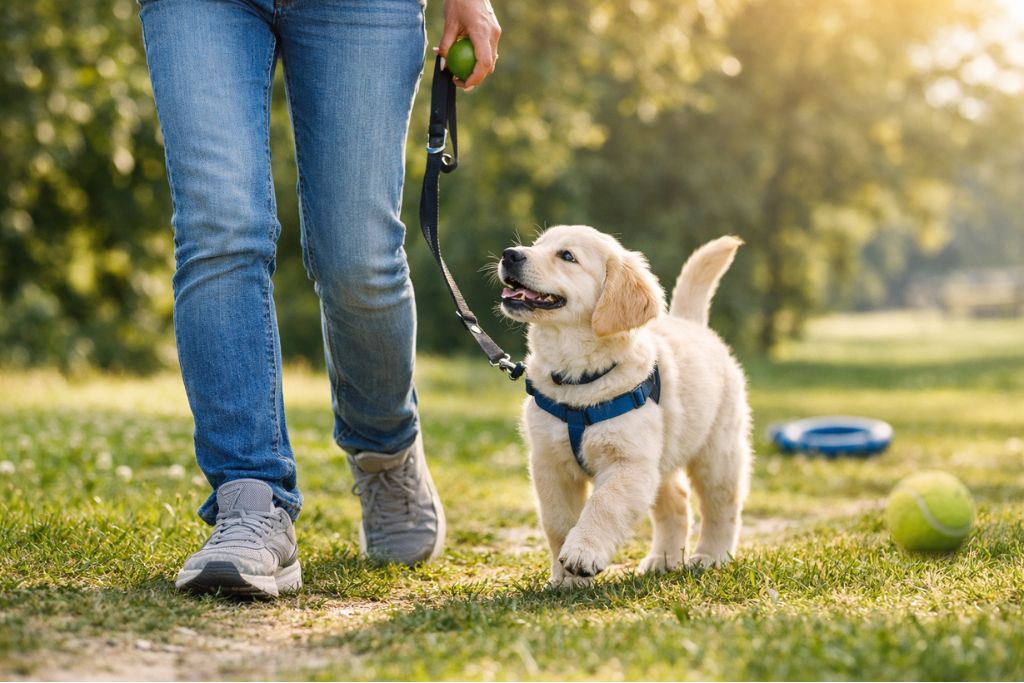
Why Puppies Need Exercise
Exercise isn’t just playtime. It’s crucial for your puppy’s development. Some key benefits include:
- Physical health: Strengthens muscles, bones, and joints while preventing obesity.
- Mental stimulation: Engages their brain, reducing destructive behaviors from boredom.
- Social skills: Interaction with people, other dogs, and environments improves confidence.
- Emotional well-being: Helps regulate mood and energy, leading to a calmer, happier pup.
- Understanding these benefits helps set the stage for a healthy routine that balances activity with rest.
How Much Exercise Does Your Puppy Really Need?
There’s no one-size-fits-all, as breed, size, and age all play a role. A general rule of thumb is 5 minutes of structured exercise per month of age, up to twice a day. So, a 3-month-old puppy may need around 15 minutes of controlled activity at a time.
Breaking it down:
- Short walks: Gentle strolls on a leash for puppies under 6 months. Avoid overexertion or long runs.
- Play sessions: Interactive games like fetch, tug, or hide-and-seek, ideally 2–3 sessions per day.
- Mental enrichment: Puzzle toys, scent games, and basic training exercises count as exercise too; mental workouts are just as important as physical.
- Breed considerations: High-energy breeds like Border Collies or Huskies may need longer or more frequent activity, while smaller or less active breeds require gentler routines.
Consistency is key. Spread exercise throughout the day rather than one long session to prevent fatigue or injury.
Encouraging Exercise in Your Puppy
Motivation is everything! Use toys, treats, and praise to make activity enjoyable. Rotate toys to keep play interesting, and mix in short training sessions to stimulate their mind. Social walks with other puppies or friendly dogs can also make exercise fun while improving social skills.
Exercise is a cornerstone of a happy, healthy puppy. By providing the right amount of activity, both physical and mental, you’ll help your fur baby grow strong, confident, and well-adjusted. Pay attention to their energy, breed needs, and age, and always make exercise fun. Your puppy will thank you with wagging tails, joyful leaps, and endless cuddles.