Tag: Puppy care

  • How Much Exercise Does Your Puppy Really Need? A Complete Guide for Furparents

    We all know the benefits of regular exercise, such as feeling energized, staying healthy, and keeping our minds sharp. Just like us, puppies need movement to thrive, and finding the right type and amount is essential for their growth, behavior, and overall happiness. Too little can lead to boredom or weight issues, and too much can put stress on their developing bodies.

    So, how much exercise does your puppy really need? Let’s break it down.
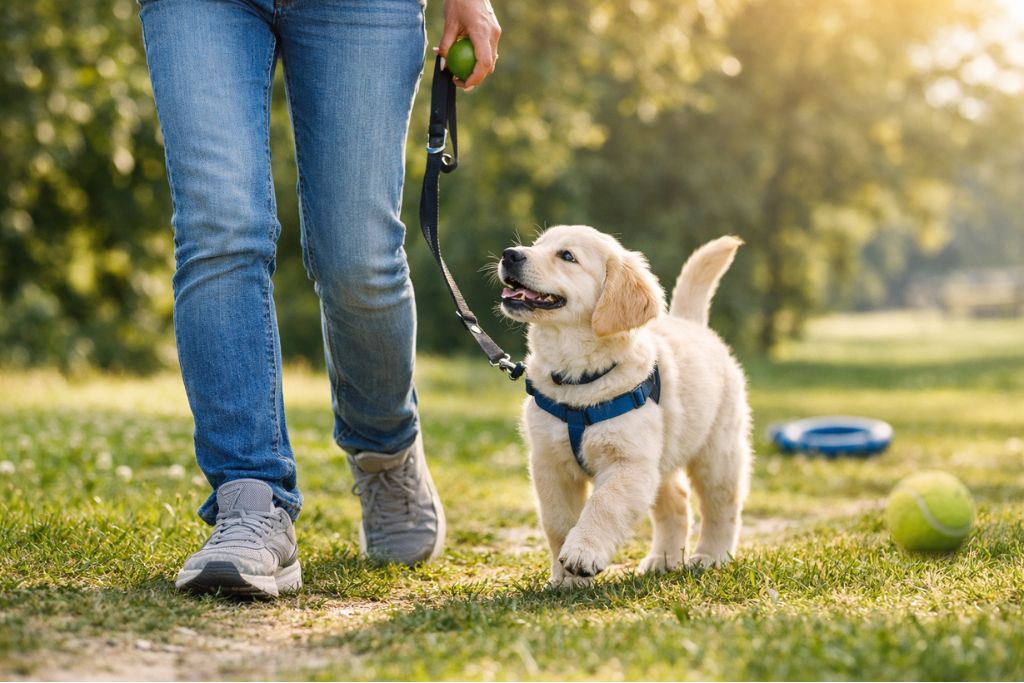
    puppy walking on a leash with its owner outdoors

    Why Puppies Need Exercise

    Exercise isn’t just playtime. It’s crucial for your puppy’s development. Some key benefits include:

    • Physical health: Strengthens muscles, bones, and joints while preventing obesity.
    • Mental stimulation: Engages their brain, reducing destructive behaviors from boredom.
    • Social skills: Interaction with people, other dogs, and environments improves confidence.
    • Emotional well-being: Helps regulate mood and energy, leading to a calmer, happier pup.
    • Understanding these benefits helps set the stage for a healthy routine that balances activity with rest.

    How Much Exercise Does Your Puppy Really Need?

    There’s no one-size-fits-all, as breed, size, and age all play a role. A general rule of thumb is 5 minutes of structured exercise per month of age, up to twice a day. So, a 3-month-old puppy may need around 15 minutes of controlled activity at a time.

    Breaking it down:

    • Short walks: Gentle strolls on a leash for puppies under 6 months. Avoid overexertion or long runs.
    • Play sessions: Interactive games like fetch, tug, or hide-and-seek, ideally 2–3 sessions per day.
    • Mental enrichment: Puzzle toys, scent games, and basic training exercises count as exercise too; mental workouts are just as important as physical.
    • Breed considerations: High-energy breeds like Border Collies or Huskies may need longer or more frequent activity, while smaller or less active breeds require gentler routines.

    Consistency is key. Spread exercise throughout the day rather than one long session to prevent fatigue or injury.

    Encouraging Exercise in Your Puppy

    Motivation is everything! Use toys, treats, and praise to make activity enjoyable. Rotate toys to keep play interesting, and mix in short training sessions to stimulate their mind. Social walks with other puppies or friendly dogs can also make exercise fun while improving social skills.

    Exercise is a cornerstone of a happy, healthy puppy. By providing the right amount of activity, both physical and mental, you’ll help your fur baby grow strong, confident, and well-adjusted. Pay attention to their energy, breed needs, and age, and always make exercise fun. Your puppy will thank you with wagging tails, joyful leaps, and endless cuddles.
  • From Plaid to Pumpkins: A Guide to Fall Fashion for Pups

    From Plaid to Pumpkins: A Guide to Fall Fashion for Pups

    Autumn is calling, and it’s not just your closet that’s ready for a seasonal refresh. Cozy knits, plaid scarves, pumpkin patch photo ops… fall is the moment for fashion. And honestly, why should pups miss out? Dressing your furry sidekick in chic, comfortable, and seasonal styles isn’t just cute, it’s practical. With dropping temperatures and plenty of outdoor adventures ahead, your pup deserves to look as fabulous (and as snug) as you do. After all, nothing turns heads faster at the pumpkin patch than a puppy in perfect fall fashion.

    8 Fall Fashion Faves For Your Pup

    1. The Fall Sweater Edit

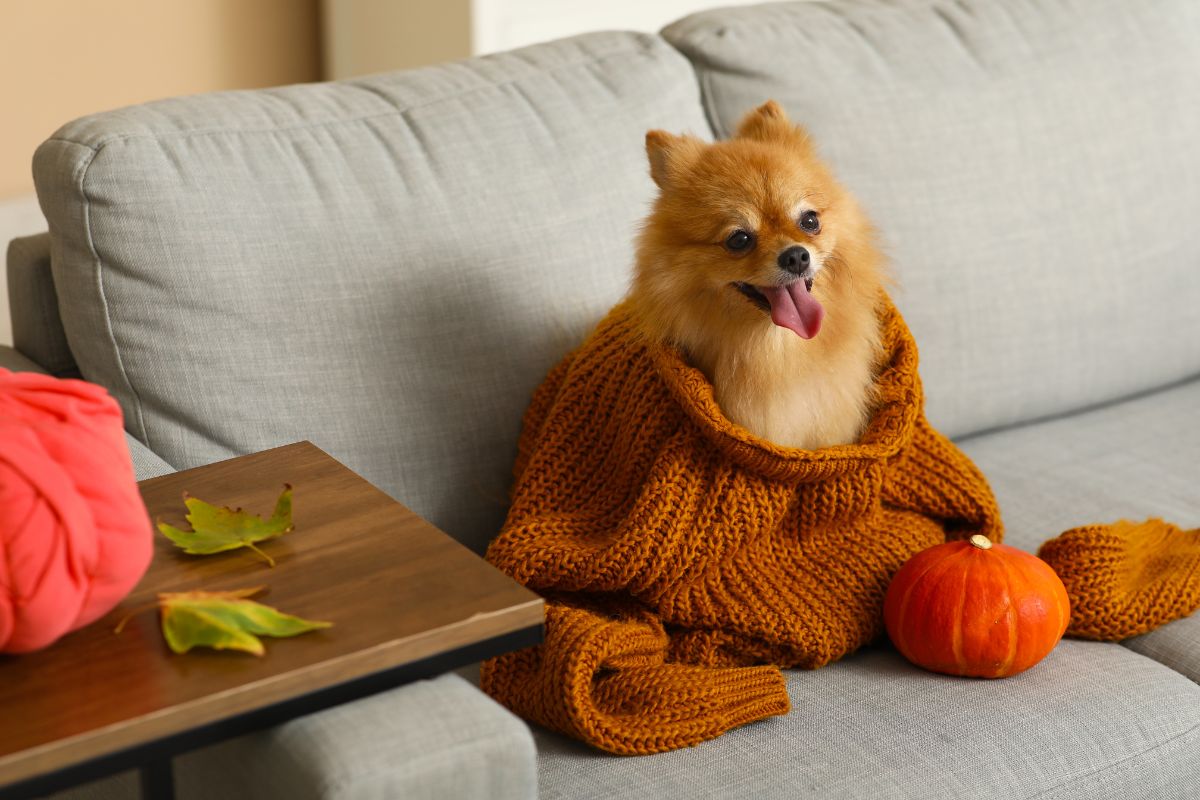
    From chunky knits to sleek turtlenecks, sweaters are autumn essentials. They provide warmth on crisp walks, prevent chills for smaller or short-haired pups, and look utterly adorable layered with a bandana. Marled greys, pumpkin orange, or rich burgundy are perfect for cozy couch cuddles and apple orchard strolls. Choosing the right fall dog clothes ensures your furry friend stays stylish while staying protected from chilly breezes.

    2. Plaid Bandanas

    Plaid is practically the official print of fall. A soft flannel bandana is an easy way to give your pup instant autumn style. It’s lightweight, comfy, and a subtle nod to the season. Plus, no one can resist a dog in plaid posing in a leaf pile. It’s fall postcard perfection!

    3. Quilted Coats

    For pups who like a little sophistication, a quilted jacket is the epitome of country chic. These coats are light enough for active play but insulated enough to block chilly breezes. They pair beautifully with long walks through crunchy leaves or a fireside cuddle afterward.

    4. Pumpkin Patch Prints

    Pumpkin-themed harnesses, collars, or bow ties make your pup part of the seasonal celebration. These accessories are festive without being fussy, ideal for pups who prefer less clothing but still want to match the fall vibe.

    5. Cozy Hoodies

    Hoodies keep things casual, comfy, and fun. They’re great for pups who love lounging indoors but need a little extra warmth when heading out. Opt for neutral tones or even witty slogans like “Pumpkin Spice Pup” for that cozy and playful touch. 

    6. Raincoats for Drizzly Days

    Autumn showers happen, and nothing spoils a walk faster than a soggy pup. A waterproof raincoat in a cheerful color keeps your dog dry and stylish. Bonus: it saves you from toweling off a mud-splattered pooch afterward.

    7. Protective Booties

    Wet leaves, mud, and chilly pavements can be tough on paws. Booties add both flair and function by shielding delicate pads while looking fashion-forward. They’re especially handy for dogs who dislike dirty paws (or for owners who dislike muddy floors!).

    8. Seasonal Accessories

    Felt hats, pumpkin-colored bows, or autumn-hued harnesses, accessories bring the whole look together. They’re the finishing touch that takes your pup from “cute dog” to “fall fashion icon.” Perfect for family photos or Instagram-ready snaps.

    Tips for Dressing Your Pup

    • Ease them in. Start small with bandanas or light sweaters so your pup gets comfortable.
    • Fit matters. Clothes should be snug enough to stay in place but never restrict movement. Always check the chest, neck, and underarms for pinching or rubbing.
    • Choose breathable fabrics. Cotton blends or lightweight knits prevent overheating during play.
    • Prioritize function. If it’s cold and wet, go for warmth and weather resistance first, then style.

    Safety Meets Style

    Dressing up your fur baby for fall is a lot of fun. But always keep this in mind: Fashion should never come at the expense of your pup’s comfort. Avoid outfits with loose strings, dangling charms, or buttons that could be chewed off. Always supervise your dog in clothing to ensure they don’t get tangled or overheated. Rain gear and sweaters should allow for natural movement, and nothing should interfere with bathroom breaks. 

    And remember, as adorable as she may look, if your pup shows signs of stress such as scratching, biting at the outfit, or refusing to move, swap for something simpler like a seasonal bandana. Safety and style should always go hand in hand. 

    This fall, let your pup join you in embracing all things warm, whimsical, and pumpkin-spiced. With the right wardrobe, your furry best friend will not only stay warm but also become the chicest member of your autumn adventures. So dress them right, keep them cozy, and watch every tail wag double as the accessory of the season!

  • Canine Care Certified: Choosing Responsible Dog Breeders

    Canine Care Certified: Choosing Responsible Dog Breeders

    Planning on welcoming a new puppy into your home? Before picking out the perfect name or purchasing the perfect first squeaky toy, the most vital choice you’ll make is where your fur baby will come from. Responsible pet parents know to look at the source. Great pups start with great dog breeders. That’s where Canine Care Certified (CCC) breeders have been raising the bar.

    dog breeders

    What Is Canine Care Certified? 

    Canine Care Certified is a science-and fact-based, voluntary certification program created by the Center for Animal Welfare Science at Purdue University’s College of Veterinary Medicine. CCC is the only national certification program evaluating dog breeders using independent, research-backed animal welfare standards.

    Make no mistake: This is not a marketing label. CCC is a structured system designed to inspect each and every aspect of a dog breeder’s operations through the lens of veterinary science and ethics. Thus, only breeders who actively meet and maintain the meticulous standards of care can earn this certification.

    The Canine Care Certified program focuses on five core pillars:

    • Physical health
    • Behavioral health
    • Environment
    • Breeding life and retirement
    • Caretaker expectations

    Certification is given only after breeders pass an in-person, third-party audit. And this is not just a one-time label. Dog breeders must renew their certification annually through yearly audits and must continuously use best practices. These regular inspections ensure that the facility maintains or exceeds research-based benchmarks in animal care.

    Who Can Apply and How? 

    Professional dog breeders in the United States can reach out to the CCC program via Purdue’s official platform to submit an application. Following enrollment in the program, dog breeders receive a guide outlining all best practices and required standards. A trained third-party inspector makes an on-site audit to evaluate compliance with CCC protocols.

    Any U.S. dog breeder can apply, but the standards to become canine-care certified are high. Therefore, becoming certified is a multi-step process:

    1. Application to the CCC program
    2. Pre-assessment and education on best practices and required standards
    3. On-site audit by a third-party inspection firm
    4. Certification decision following review by Purdue
    5. Annual checks to maintain certification status


    Although the program is voluntary, participation requires full transparency and consistent implementation of evidence-based care practices. Certification, valid for one year, is only renewed after reinspection.

    Why CCC Matters for Puppies And Pet Parents


    A puppy’s early weeks are critical. Puppies raised under CCC standards are:

    • Are raised in hygienic, spacious surroundings
    • Receive primary socialization both with humans and other dogs
    • Acquire regular, preventive vet care
    • Are immersed in mentally stimulating surroundings

    Early puppyhood is a vital developmental stage. Pups brought up in CCC facilities receive proper nutrition, vet care, socialization, and mental stimulation. This type of environment often leads to healthier, more adaptable fur babies better equipped to thrive in their forever homes. 

    Responsible dog breeding likewise includes taking care of the welfare and health of parent dogs. 

    CCC breeders must abide by guidelines for proper breeding frequency, rehoming, and retirement. The program highlights responsible breeding practices such us:

    • Limiting frequency and age in breeding
    • Providing daily interaction and enrichment
    • Retiring dogs into adoptive forever homes

    Having these foundations in place assures pups are more likely to grow into healthy, well-adjusted companions with less health or behavioral issues. This means lower long-term expenses for pet parents and a better quality of life for the dog. 

    Ultimately, CCC helps prospective pet parents make educated choices based on transparency rather than leaving it all up to guesswork. 

    Key Facts About the CCC Program

    University-led: The CCC program is run by Purdue University, a highly-regarded institution in veterinary medicine and animal science

    Evidence-based standards: Criteria is based on prevailing animal welfare research as opposed to just industry norms

    Third-party verification: Independent inspectors conduct on-site audits

    Ongoing oversight: Certification requires an annual renewal, with dog breeders regularly assessed

    Above legal minimums: CCC standards go beyond federal and state requirements for licensing

    Public access: Certified breeders are accessible to the public via the CCC website

    Petland’s Commitment to CCC Breeders

    Petland is among the largest national pet retailers to source puppies from Canine Care Certified breeders. This means many of the pups in Petland stores come from facilities that have met rigorous and thorough inspection standards, though Petland may also work with other breeders.

    Getting a puppy from a Petland store that sources from Canine Care Certified (CCC) breeders helps support a system focused on education, veterinary oversight, and accountability. Staff are trained to share information about breeder standards, and potential pet parents can request documentation to confirm a puppy’s CCC origin and learn more about the breeder’s care practices. This approach is designed to promote education, responsibility, and transparency throughout the pet adoption process, helping families make informed choices and giving puppies a strong start in life.

    Explore Petland’s CCC initiative at petland.com/canine-care-certified

    Hungry for more? The next chapter’s even better! Follow the paw prints below to keep reading.

    Petland: The Trusted Choice for Ethically Bred Puppies and Your Family's Next Companion OFA Certification: Why It Matters For Potential Pet Parents
  • OFA Certification: Why It Matters For Potential Pet Parents

    OFA Certification: Why It Matters For Potential Pet Parents

    Welcoming a new puppy into the family, there’s nothing quite like it. The wiggly tails, floppy ears, and big, bright eyes easily win our hearts. Beyond the lovable chaos and puppy kisses, however, comes a big responsibility. One serious thing that no caring pet parent should ever overlook is health, both now and down the road. Having a fur baby means committing to their long-term happiness and well-being. This is where OFA certification comes in. 

    You’ve done your research on breed, size, training, and personality. You may even have already scoped out groomers, vets, and dog-friendly places. But an important part of a dog’s future is heritable health, and this can easily be neglected. That’s why vets and breeders recommend OFA certification, a trusted way to screen for both genetic and orthopedic conditions before they turn into big problems. 

    OFA certification

    What is OFA Certification?

    OFA stands for the Orthopedic Foundation for Animals. This non-profit organization was founded in 1966 and has one core mission: Improving the health and well-being of companion animals by lessening the incidence of genetic diseases. If you’re looking for the gold standard in health screening for canines, this is it.

    When a dog is OFA-certified, this means that it has been officially evaluated for specific conditions and found to be clear or within acceptable health standards. OFA certifications are based on testing and are often peer-reviewed by a panel of veterinary specialists in a myriad of fields such as cardiology, ophthalmology, radiology, or genetics. 

    What Does OFA Certification Screen For?

    OFA screening covers a wide range of hereditary and structural conditions that commonly affect dogs, such as:

    Hip Dysplasia – An abnormal formation of the hip socket that can potentially cause mobility problems and arthritis

    Elbow Dysplasia – A genetic disorder wherein joint development in the elbow is affected (this is common in large breeds)

    Patellar Luxation – A condition that causes the kneecap to dislocate or move out of its normal location

    Eye Disorders – OFA tests for genetic eye diseases in partnership with the American College of Veterinary Ophthalmologists

    Thyroid Function – Vital for maintaining a healthy weight, metabolism, and energy levels

    Cardiac Issues – Functional or structural heart problems, which may not be apparent in young puppies

    Degenerative Myelopathy (DM) – A progressive spinal cord disorder which affects older dogs (common in particular breeds)

    Each test will require either a physical exam, X-ray, or genetic sample collected by a licensed veterinarian. The data is submitted by the vet to the OFA, which then reviews the results. Following the review, a rating is assigned to the dog, with results like “Excellent”, “Good” and “Fair” meaning a dog is free from major issues. The certification history is uploaded to their public database. 

    Why OFA Certification Matters

    So we’ve broken down what it is and what it does. Now let’s delve more into why it matters. 

    It lessens the risk of genetic disease

    Puppies are more at risk of developing issues later in life if they come from parents with a family history of genetic disorders or have poor hip scores. Having OFA-certified parents means your pup begins life with a good genetic foundation. 

    It assists breeders in making smarter decisions

    Responsible breeders rely on OFA evaluations as they plan litters, ensuring that the dogs they breed meet health standards. This way, individual outcomes are improved and the breed is strengthened overall. 

    It provides transparency

    OFA’s database is fully accessible to the public. Through this, potential owners can gain valuable insight into a pup’s background.

    It supports lifelong wellness for your pup

    It’s true that no test can predict all health outcomes, but the OFA certification gives peace of mind that your pup comes from a lineage of good health. Think prevention rather than treatment.

    The Petland Promise: Certified Confidence

    If you’re unsure where to begin in your search for a healthy pup, you can breathe easy. Petland prioritizes healthy and ethical breeding practices. They only partner with USDA-licensed breeders who follow OFA testing protocols and are Canine Care Certified through Purdue University’s welfare program. Their breeders are also required to maintain health care, housing, genetic screening, and socialization standards. You can be confident that your pup’s parents were tested for common issues, giving you extra reassurance that your new best friend’s health has been thoughtfully considered from day one. 

    Smart Starts = Healthier Pups

    Choosing a puppy is a happy, life-changing decision. Remember that behind every wagging tail should be a solid foundation of good health. For a truly healthy start, inquire about OFA certification. It’s a small step today that helps prevent big issues tomorrow, ensuring your pup grows up active, playful, and in good health. 

    Take the path towards setting your fur baby up a happy, healthy life by your side. Your future self (and your pup) will thank you!

    What Comes With A Puppy From Petland?
  • Pup POV: A Puppy’s Day in the Summer Spotlight

    Pup POV: A Puppy’s Day in the Summer Spotlight

    Summertime, of course, means sunshine, hotter temps, longer days, and a ton of outdoor fun for everyone. Consequently, we’re all excited and making plans. But what about our furry friends? Indeed, the summer season can be wonderful for puppies. For one, there’s ample time for relaxation, and furthermore, time for training, and time for bonding, making it an important period in their lives as they grow. So then, what could puppies in summer be thinking of as they experience these warmer months? Let’s find out!

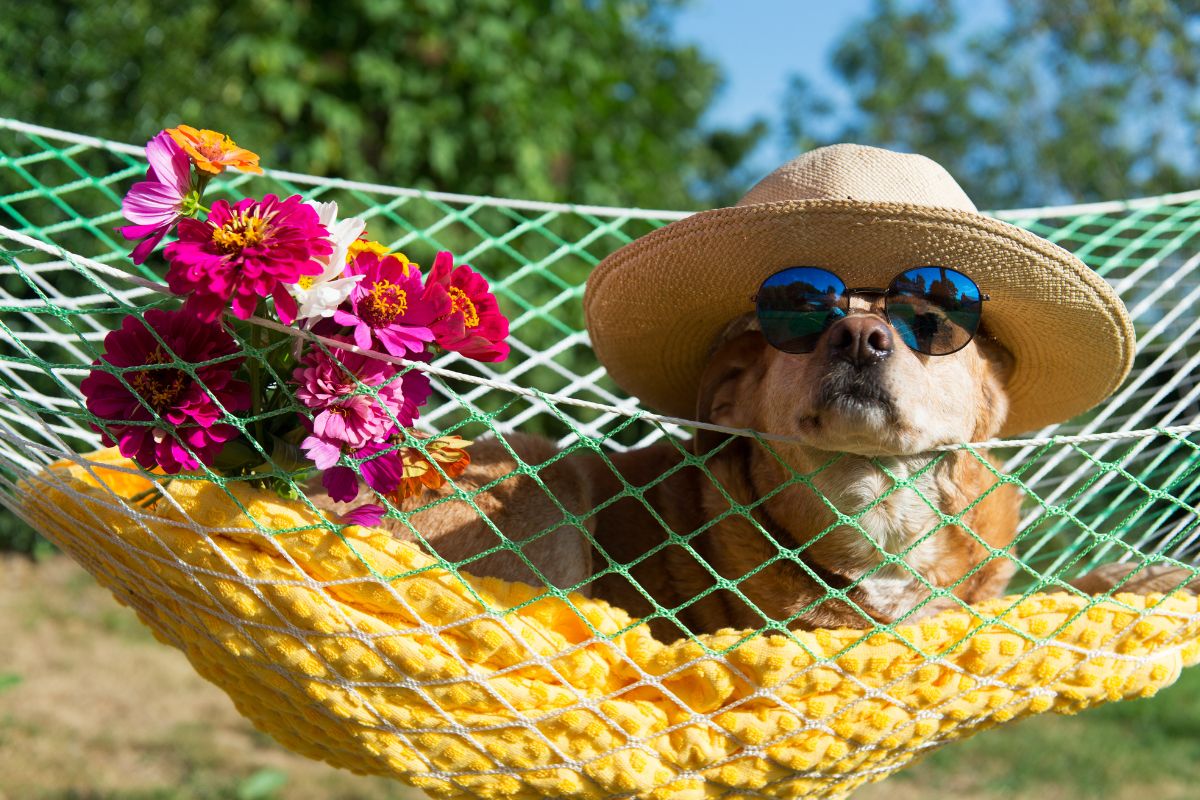
    puppies in summer

    A Summer Day in the Life (From a Pup’s POV!)

    6:30 AM

    Good morning! It’s another lovely summer day. I wake up after a restful slumber to fresh water from my bowl which Mom filled up. Ooh, something smells new outside. Time for a morning walk so I can feel the grass still damp with dew. The texture is much better than the pavement, I gotta say! Mom and I practice our sit and stay together.

    8:00 AM

    And we’re home. Feeling a bit warm, but not too much. I’m now resting in a shady spot with a cooled towel. Dad gives me a puzzle toy that has peanut butter on it. Yum. What a nice way to keep me engaged and cooled down.

    10:00 AM

    Time for some pool time with Mom! I love chasing bouncing balls around and splashing in the water to ease the warmth. Doing this with Mom keeps me strong, healthy, and comfortable on hot days. 

    12:30 PM

    Yay, snack break! I savor a chilled treat made especially for me. It is delectable, and also aids in my hydration and keeps me cool as I rest. I feel safe, cared for, and happy. 

    2:00 PM

    Nap time! I snooze in a cozy corner while feeling the breeze from a nearby fan. My beauty sleep is essential for me to restock energy for the rest of the day. 

    5:30 PM

    I’m up again! I go for another walk, with Dad this time. The pavement’s cooled down, so my paws won’t get injured by the heat. Oh, and I get to sniff EVERYTHING! Grass, flowers, trees, messages from fellow pups in the area. I’m feeling very connected, stimulated, and a bit wild – in the best way. 

    7:00 PM

    Back home, and about to chow down. My dinner is a bowl of chilled food made with healthy ingredients that help hydrate me and aid my growing body. My human is so sweet – she gave me freshly-chilled water to make me extra refreshed!

    9:00 PM

    It’s now time for my favorite part of the day: Cuddle time! I get to snuggle together with Mom AND Dad. Perfection. I drift off to dreamland, happy, cooled down, cared for, and looking forward to another joyful day in the sun! Best. Day. Ever. Zzzzz.

    Puppies in summer aren’t just about fun under the sun. The sunny season is also about broadening their horizons as they grow safely, and experiencing happiness as they strengthen their bond with you. And by providing proper care, your pup will surely delight in the magic of summertime safely and joyfully. 

    Let’s make this a paws-itively perfect summer!

    Summer Night Activities for You and Your Furry Best Friend How to Keep Your Dog Cool During August: Essential Tips for Summer Safety

  • What Makes Puppies Thrive? The Science of Puppy Happiness

    What Makes Puppies Thrive? The Science of Puppy Happiness

    That adorable puppy isn’t just cute; it’s a complex creature needing specific things – understanding what makes a puppy thrive is key to their happiness and development. While endless belly rubs and squeaky toys certainly contribute, the science goes deeper. What truly fuels their joy and sets them up for a well-adjusted life?

    What Makes Puppies Thrive

    The Foundation: Safety and Sustenance

    At its core, puppy happiness starts with meeting their fundamental physiological and safety needs. Fresh water, proper food, safe rest, and regular potty breaks are essential, non-negotiable needs for your puppy. A predictable routine helps them feel secure in their new environment, reducing anxiety – a key part of helping puppies thrive.

    Nurturing the Mind and Spirit – Key to What Makes Puppies Thrive

    But what makes puppies thrive goes beyond just physical safety; it involves nurturing their psychological well-being. From 3-16 weeks, positive exposure to new sights/sounds/dogs builds confidence and prevents fear later. Think of it as building their emotional resilience toolkit.

    Play is not just fun; it’s essential work for a puppy. It hones motor skills, teaches crucial bite inhibition (learning how hard is too hard!), provides mental stimulation, and strengthens the bond with you and other pets. Similarly, positive reinforcement training does more than teach “sit” and “stay.” It builds communication, boosts confidence as they learn, provides mental exercise, and clarifies boundaries, making them feel more secure in understanding expectations.

    Finally, never underestimate the power of affection and bonding. Gentle handling, praise, quality time spent together, and simply being a part of the family unit fulfill their innate need for social connection.

    Ultimately, understanding what makes puppies thrive means recognizing it’s a combination of meeting physical, environmental, social, and emotional needs consistently. It’s this holistic approach – ensuring safety, encouraging exploration, guiding behavior positively, and showering them with love – that unlocks that boundless puppy joy we all adore

  • What Is the First Thing to Do When You Get a Puppy?

    What Is the First Thing to Do When You Get a Puppy?

    Bringing home a new puppy is an exciting and life-changing experience. It’s a time filled with joy, but it also comes with responsibility. The first few days are crucial in setting up your puppy for a happy and well-adjusted life. Knowing what to do first can make the transition smoother for both you and your new furry companion.

    Create a Safe and Comfortable Space

    Before your puppy even arrives, it’s important to have a designated area ready. This space should be quiet, secure, and free of any hazards. A crate or a small gated area can provide a safe place for your puppy to rest and adjust. Make sure to include a comfortable bed, water, and some chew toys to help them settle in. Puppies are naturally curious, so remove anything that could be dangerous, such as electrical cords, toxic plants, or small objects they might swallow.

    Introduce Your Puppy to Their New Home

    Once your puppy arrives, allow them to explore their new environment at their own pace. Keep interactions calm and gentle to avoid overwhelming them. Show them their designated space and let them sniff around. Keep the initial introduction to a few rooms rather than giving them full access to the entire house right away. This helps prevent overstimulation and makes house training easier.

    Establish a Routine

    Dogs thrive on consistency, and starting a routine from day one will help your puppy feel secure. Set a schedule for feeding, potty breaks, playtime, and sleep. Take your puppy outside frequently, especially after eating, drinking, or waking up, to encourage proper house training. Keeping a regular routine will make it easier for them to learn expectations and settle into their new life.

    Schedule a Vet Visit

    One of the most important first steps is scheduling a vet appointment within the first few days of bringing your puppy home. A thorough check-up ensures your puppy is healthy and up to date on vaccinations. Your vet can also provide guidance on proper nutrition, flea and tick prevention, and general puppy care. If you haven’t already, ask about microchipping and discuss a deworming schedule if necessary.

    Start Socialization and Training

    Early socialization is key to raising a well-behaved and confident dog. Start exposing your puppy to different sights, sounds, and experiences in a positive and controlled manner. Introduce them to new people, other friendly dogs, and various environments while keeping the experiences stress-free.

    Training should also begin immediately, even if it’s just basic commands like sit, stay, and come. Positive reinforcement, such as treats and praise, works best to encourage good behavior. Crate training and leash training should also start early to help your puppy develop good habits.

    Focus on Proper Nutrition

    Feeding your puppy a high-quality, age-appropriate diet is essential for their growth and development. If you’re unsure which food is best, consult your vet for recommendations. Stick to a consistent feeding schedule and avoid giving table scraps or unhealthy treats that could upset their stomach. Always provide fresh water and monitor their eating habits to ensure they are getting the right nutrition.

    Be Patient and Enjoy the Journey

    Bringing home a puppy is a big adjustment for both of you. There will be accidents, chewed furniture, and restless nights, but patience and consistency will go a long way. Building trust and forming a strong bond takes time, so enjoy the process and celebrate small victories along the way. The love and companionship your puppy will bring into your life will make all the effort worthwhile.

    By taking these steps from the very beginning, you’ll create a foundation for a happy, healthy, and well-adjusted dog. Your puppy depends on you for guidance, so making the right choices early on will set them up for success in their new home.

  • The Ultimate Puppy Playbook: Everything You Need to Know About Raising Your New Best Friend

    The Ultimate Puppy Playbook: Everything You Need to Know About Raising Your New Best Friend

    There’s nothing like the joy of bringing a fluffy, four-legged bundle of joy into your life. Puppies are the ultimate companions—full of love, energy, and just a little bit of mischief! Whether it’s your first time bringing a pup home or you’re adding a new member to your growing pack, there are a few key things to keep in mind to help your new puppy thrive. Get ready for an adventure of snuggles, playtime, and puppy kisses with these fun and playful tips!

    1. Pick Your Perfect Match

    Before you meet your new best friend, you’ll want to make sure you’re picking a puppy that suits your lifestyle. Are you a morning jogger who needs a running buddy? Or maybe you’re more of a Netflix-and-chill type who loves to snuggle on the couch? Think about your energy levels, living space, and how much time you can devote to your puppy’s playtime. Choose a pup whose personality matches your own—because let’s face it, the last thing you want is a tiny whirlwind when you’re more of a “couch potato” kind of person!

    2. Puppy-Proof Like a Pro

    Puppies are like tiny explorers with zero concept of “danger.” They want to sniff, nibble, and get into everything. So, it’s time to get your home puppy-proofed! Think of it like a scavenger hunt where your puppy is the determined little adventurer and your household items are the treasure. Lock away sharp objects, hide the trash can, and make sure anything breakable is out of reach. Also, put away those electrical cords—puppies love to chew on them like they’re the world’s tastiest treat (but trust us, they’re not).

    3. Training? More Like Playtime!

    Training your puppy doesn’t have to feel like a chore—it’s actually an opportunity to bond with your new bestie! Start with the basics—sit, stay, come—and keep it fun. Treats are your best friend here, and your puppy’s best friend too. Positive reinforcement is key to making training an enjoyable experience for both of you. And remember: your puppy’s attention span is about as long as a squirrel’s, so keep sessions short and sweet. Also, don’t be surprised if your puppy decides the “sit” command is really more of a suggestion—puppies have a way of doing their own thing!

    4. Socialization Adventures

    Puppies are social butterflies at heart! Early socialization is one of the best gifts you can give your puppy. Expose them to new people, dogs, and environments to help them become confident and well-adjusted. Think of it like a mini puppy vacation every time they meet a new furry friend or visit a new place. Just remember to keep it low-pressure—no need to throw a puppy party every weekend. A few positive experiences will go a long way in helping your puppy grow into a friendly and confident dog.

    5. Feed Them Like Royalty

    Your puppy’s growth depends on the right nutrition, so treat mealtime like the special occasion it is! A balanced diet will help them grow big and strong, but not too big (watch out for the overfeeding trap). Stick to the recommended portions and feed your puppy high-quality puppy food that supports their development. And if they give you those puppy eyes while you’re eating your dinner—no, they can’t have a bite of your pizza (trust us, they’ll be just fine with their own bowl of yum).

    6. Exercise is Play, Not Work!

    Puppies have more energy than a toddler on a sugar rush, so get ready to play, play, and play some more. But don’t worry, you don’t need to run marathons—short walks, fetch sessions, and backyard play will be more than enough to keep your pup happy and healthy. Just be sure to let them rest in between playtime to recharge their little batteries. And, hey, if you’re the type to go on spontaneous adventures, your puppy’s always ready for a good time—whether it’s a nature hike or a trip to the park.

    7. The Grooming Game

    Okay, let’s be real: grooming is often a messy (and slightly muddy) affair. But a clean puppy is a happy puppy! Brushing your pup’s fur will not only keep them looking fabulous but will also reduce shedding and prevent matting. Depending on your puppy’s breed, you may need to visit the groomer every now and then, but at home, regular brushing and the occasional bath will do the trick. And don’t forget those puppy paws—regular nail trims are essential to keep them from scratching up the furniture or, worse, hurting themselves.

    8. Bonding Through Playtime

    At the end of the day, the most important part of raising a puppy is building that bond of trust and love. Playtime is not just about getting out the energy—it’s a golden opportunity to deepen your relationship. Whether you’re tossing a squeaky ball, having a tug-of-war battle, or just lying on the couch together, these moments create memories that last a lifetime. Don’t rush the process—let your puppy take the lead when it comes to play and let the fun unfold naturally.

    9. Puppy Misadventures Are Normal

    Let’s face it—puppies will be puppies! There will be accidents (hello, potty training), chewed-up shoes (sorry, not sorry), and plenty of mischievous moments. But that’s all part of the fun. The key is to stay patient and positive. Celebrate the little victories—like when your puppy finally gets the hang of potty training or learns to “sit”—and laugh off the goofy moments. Puppies are learning about the world, and you’re their guide, so enjoy the ride!

    10. Patience, Love, and Laughter

    Raising a puppy can be a whirlwind, but it’s also one of the most rewarding experiences you’ll ever have. The journey is full of highs and lows, but at the end of the day, your puppy will love you unconditionally. With patience, love, and a good sense of humor, you’ll navigate the joys and challenges of puppyhood together.

    So there you have it—your ultimate puppy playbook! From choosing the perfect pup to sharing in playtime adventures, your puppy is sure to bring a lifetime of joy and happiness into your life. Enjoy every single moment of puppyhood—it goes by faster than you think! 🐾