Tag: new puppy

  • How Much Exercise Does Your Puppy Really Need? A Complete Guide for Furparents

    We all know the benefits of regular exercise, such as feeling energized, staying healthy, and keeping our minds sharp. Just like us, puppies need movement to thrive, and finding the right type and amount is essential for their growth, behavior, and overall happiness. Too little can lead to boredom or weight issues, and too much can put stress on their developing bodies.

    So, how much exercise does your puppy really need? Let’s break it down.
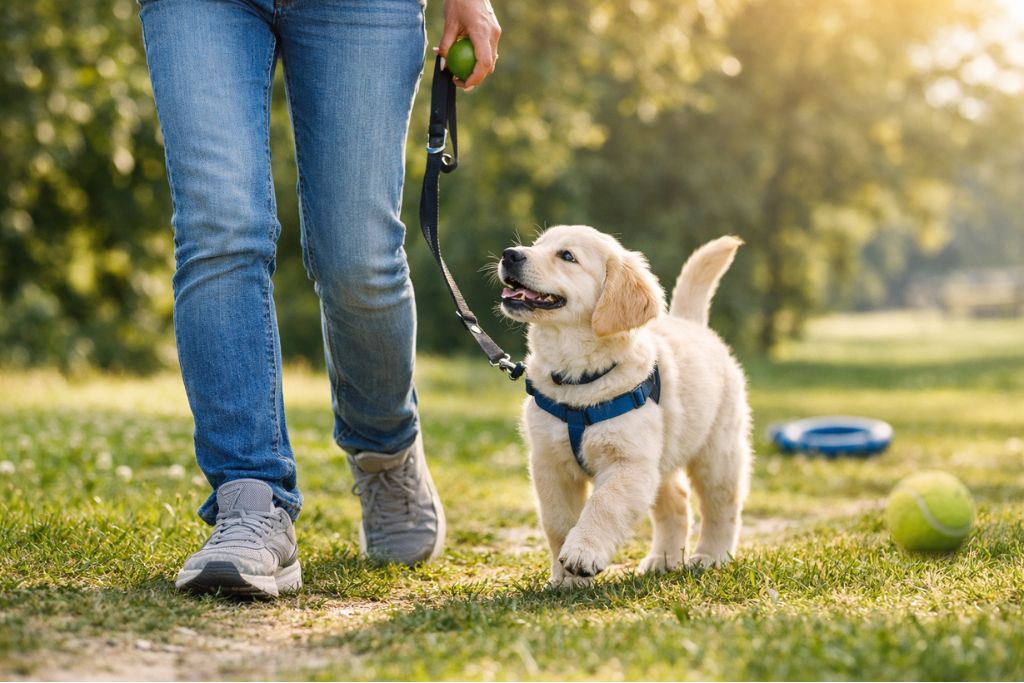
    puppy walking on a leash with its owner outdoors

    Why Puppies Need Exercise

    Exercise isn’t just playtime. It’s crucial for your puppy’s development. Some key benefits include:

    • Physical health: Strengthens muscles, bones, and joints while preventing obesity.
    • Mental stimulation: Engages their brain, reducing destructive behaviors from boredom.
    • Social skills: Interaction with people, other dogs, and environments improves confidence.
    • Emotional well-being: Helps regulate mood and energy, leading to a calmer, happier pup.
    • Understanding these benefits helps set the stage for a healthy routine that balances activity with rest.

    How Much Exercise Does Your Puppy Really Need?

    There’s no one-size-fits-all, as breed, size, and age all play a role. A general rule of thumb is 5 minutes of structured exercise per month of age, up to twice a day. So, a 3-month-old puppy may need around 15 minutes of controlled activity at a time.

    Breaking it down:

    • Short walks: Gentle strolls on a leash for puppies under 6 months. Avoid overexertion or long runs.
    • Play sessions: Interactive games like fetch, tug, or hide-and-seek, ideally 2–3 sessions per day.
    • Mental enrichment: Puzzle toys, scent games, and basic training exercises count as exercise too; mental workouts are just as important as physical.
    • Breed considerations: High-energy breeds like Border Collies or Huskies may need longer or more frequent activity, while smaller or less active breeds require gentler routines.

    Consistency is key. Spread exercise throughout the day rather than one long session to prevent fatigue or injury.

    Encouraging Exercise in Your Puppy

    Motivation is everything! Use toys, treats, and praise to make activity enjoyable. Rotate toys to keep play interesting, and mix in short training sessions to stimulate their mind. Social walks with other puppies or friendly dogs can also make exercise fun while improving social skills.

    Exercise is a cornerstone of a happy, healthy puppy. By providing the right amount of activity, both physical and mental, you’ll help your fur baby grow strong, confident, and well-adjusted. Pay attention to their energy, breed needs, and age, and always make exercise fun. Your puppy will thank you with wagging tails, joyful leaps, and endless cuddles.
  • Which Dog Breeds Are Easiest to Train?

    Which Dog Breeds Are Easiest to Train?

    Bringing home a new puppy isn’t just about cuddles and Instagram-worthy moments. It’s the start of a relationship that’s part joy, part challenge, and entirely life-changing. Dog breeds come in a wide variety, each with its own unique traits, temperament, and appearance. From the moment those tiny paws step into your home, your dog is learning. Learning about you, about the world, and about how they fit into it. That’s where training becomes more than just a task, but the foundation for a happy, confident, and well-adjusted canine companion.

    Why Training Matters 

    Training isn’t just about “sit” and “stay.” It’s about building trust, creating boundaries, and helping your dog thrive in everyday life. A well-trained dog is safer, easier to manage, and more confident. Early training reduces unwanted behaviors like jumping, chewing, and barking. It also fosters a stronger bond, as your dog learns to look to you for guidance.

    The Ideal Time and Place to Start Training

    The best time to start training is as early as eight weeks old. At this age, puppies are like sponges, keen to absorb new experiences and cues. Keep lessons short, fun, and positive, as young pups tire quickly. A calm, distraction-free environment works best in the beginning, but gradually introducing mild distractions will help them generalize their skills to the wider world. Socialization, exposure to different environments, and consistency from all household members will also accelerate learning.

    The 10 Easiest Dog Breeds to Train

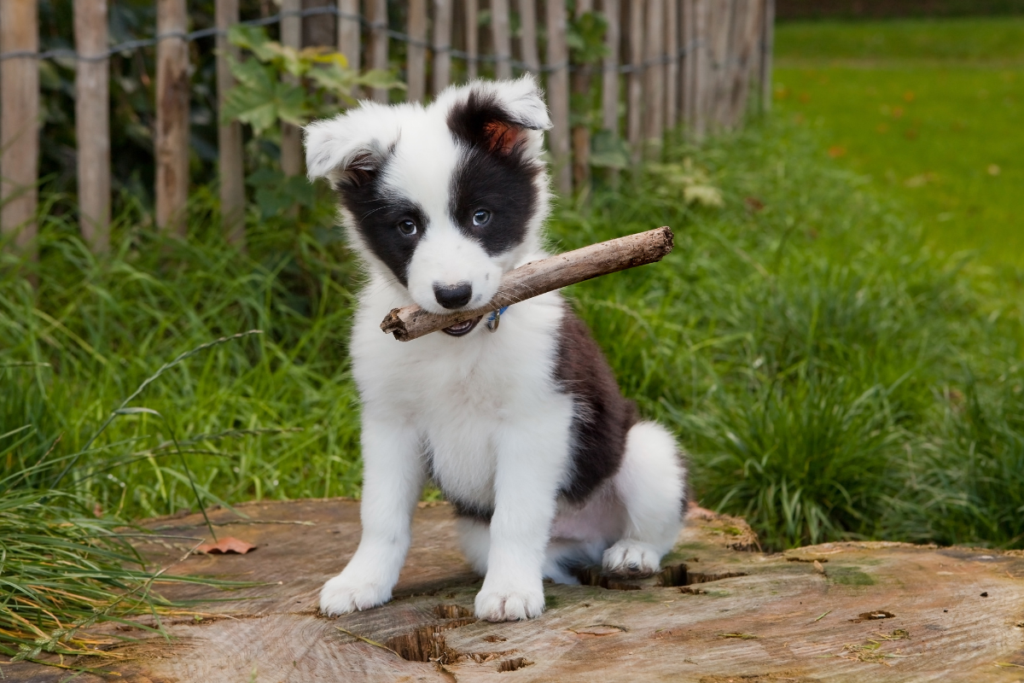
    1. Border Collie

    Characteristics: Intelligent, energetic, and focused.

    Why They’re Easy to Train: Border Collies are often called the “Einsteins” of the dog world. They thrive on mental stimulation and love having a job to do. Their strong work ethic and quick learning make them excel at obedience and agility training.

    Border Collie

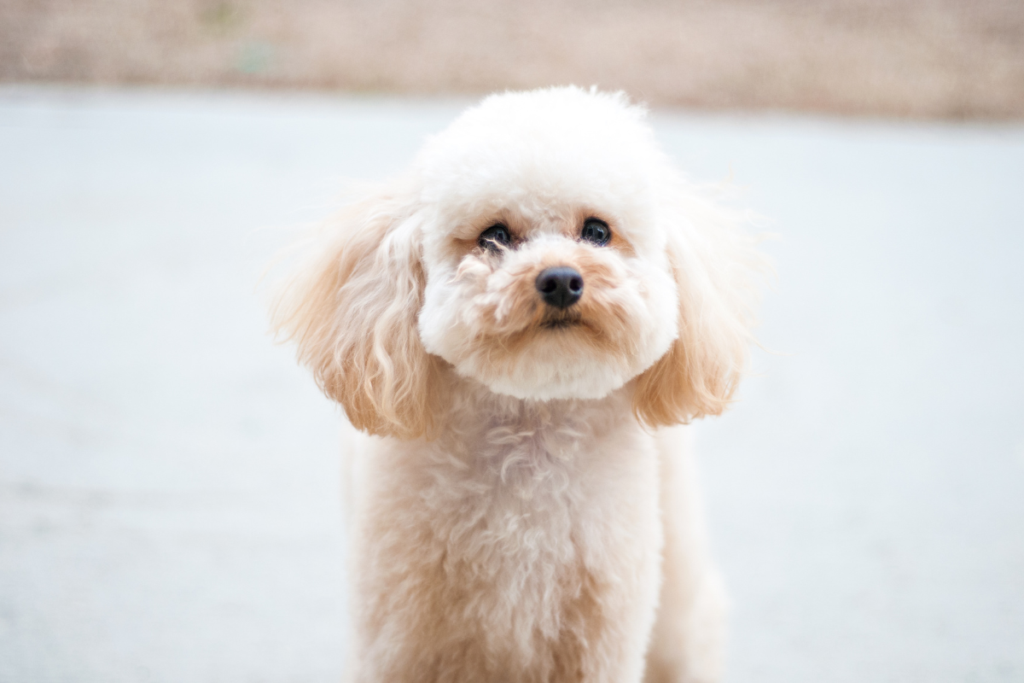
    2. Poodle

    Characteristics: Smart, versatile, and eager to please.

    Why They’re Easy to Train: Poodles, whether toy, miniature, or standard, combine intelligence with a cooperative temperament. They respond quickly to training and excel in advanced tricks and competitive sports.

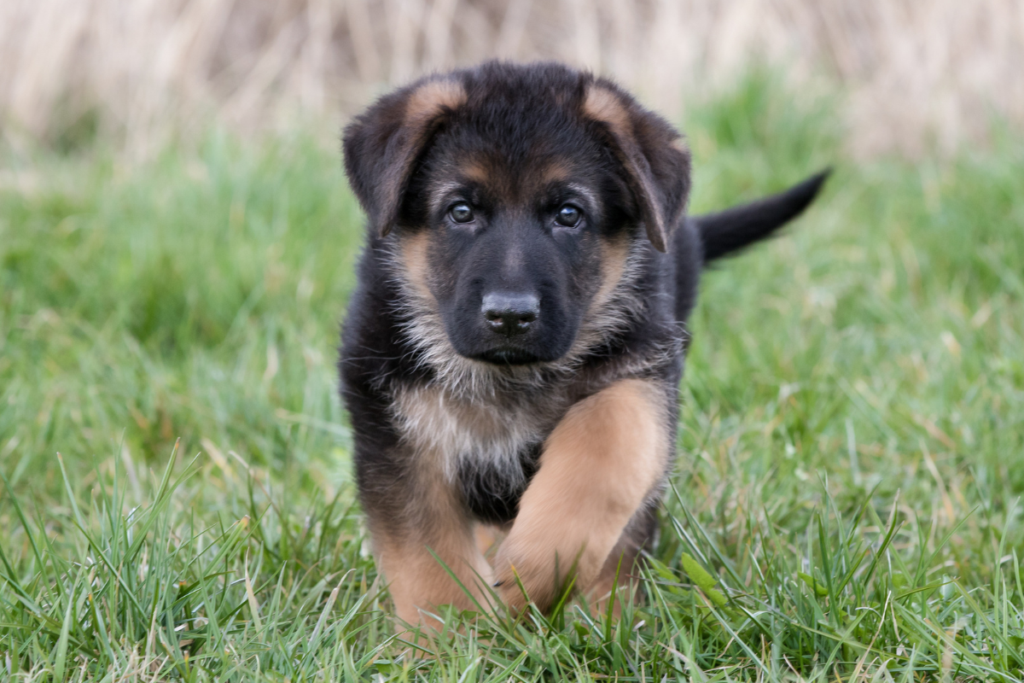
    3. German Shepherd

    Characteristics: Loyal, alert, and confident.

    Why They’re Easy to Train: Often used in police and service work, German Shepherds are driven, obedient, and quick to learn complex commands when given clear, consistent guidance.

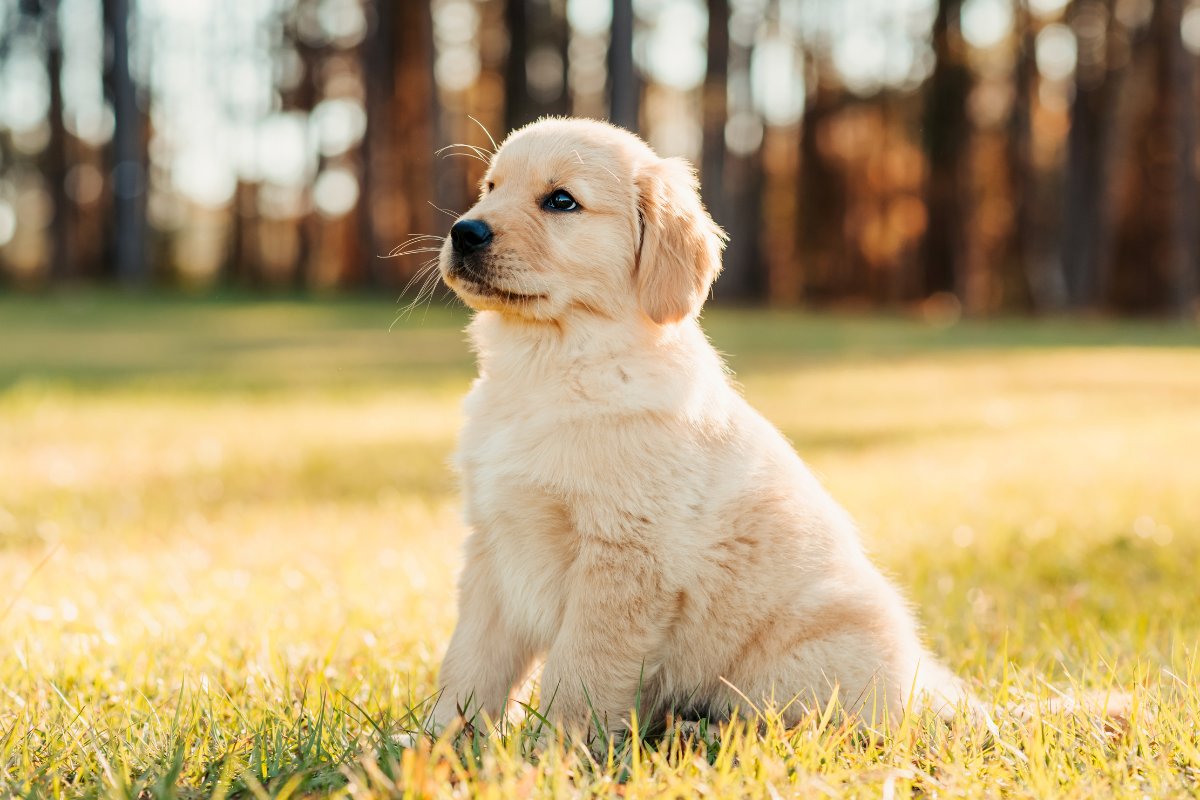
    4. Golden Retriever

    Characteristics: Friendly, patient, and people-oriented.

    Why They’re Easy to Train: Goldens are natural pleasers. They respond well to positive reinforcement and are calm enough to focus, making them great family dogs.

    5. Labrador Retriever

    Characteristics: Outgoing, playful, and adaptable.

    Why They’re Easy to Train: Labs are motivated by both food and praise, making them quick learners. They excel in service work and family settings alike.

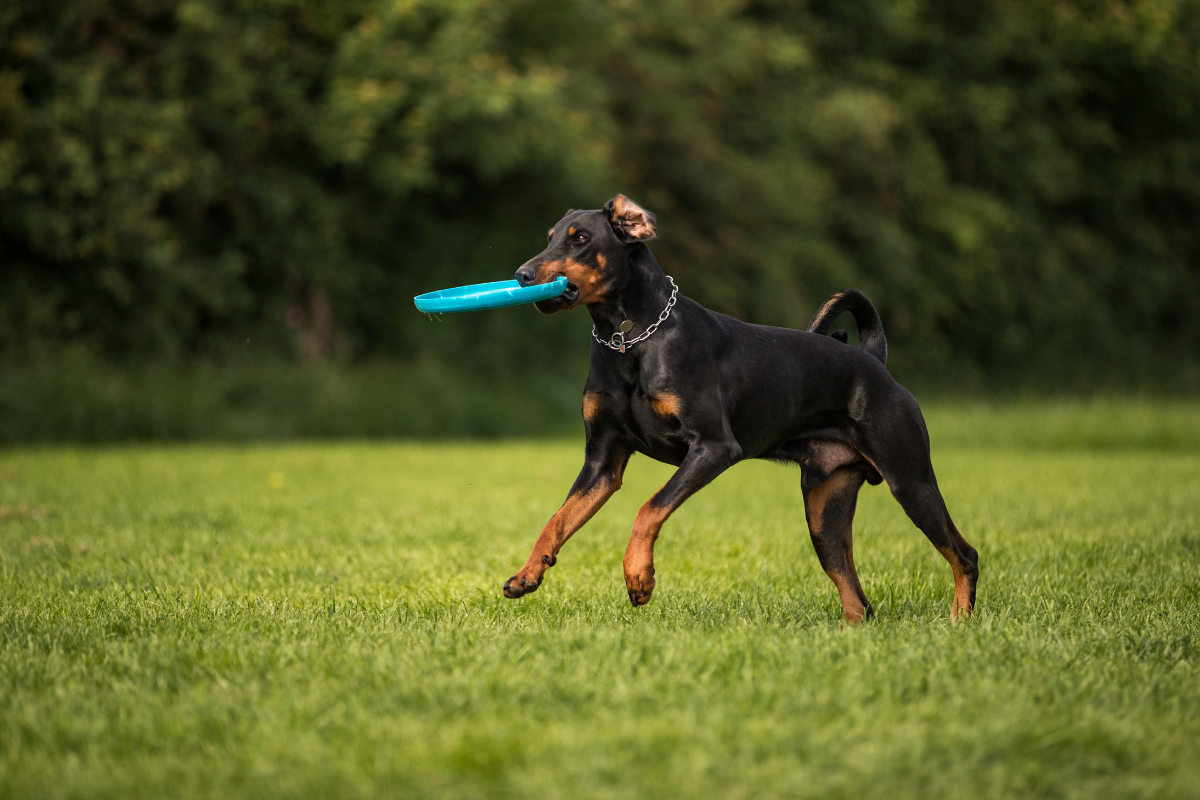
    6. Doberman Pinscher

    Characteristics: Fearless, loyal, and intelligent.

    Why They’re Easy to Train: Dobermans bond closely with their owners, which fuels their eagerness to follow commands and protect their household.

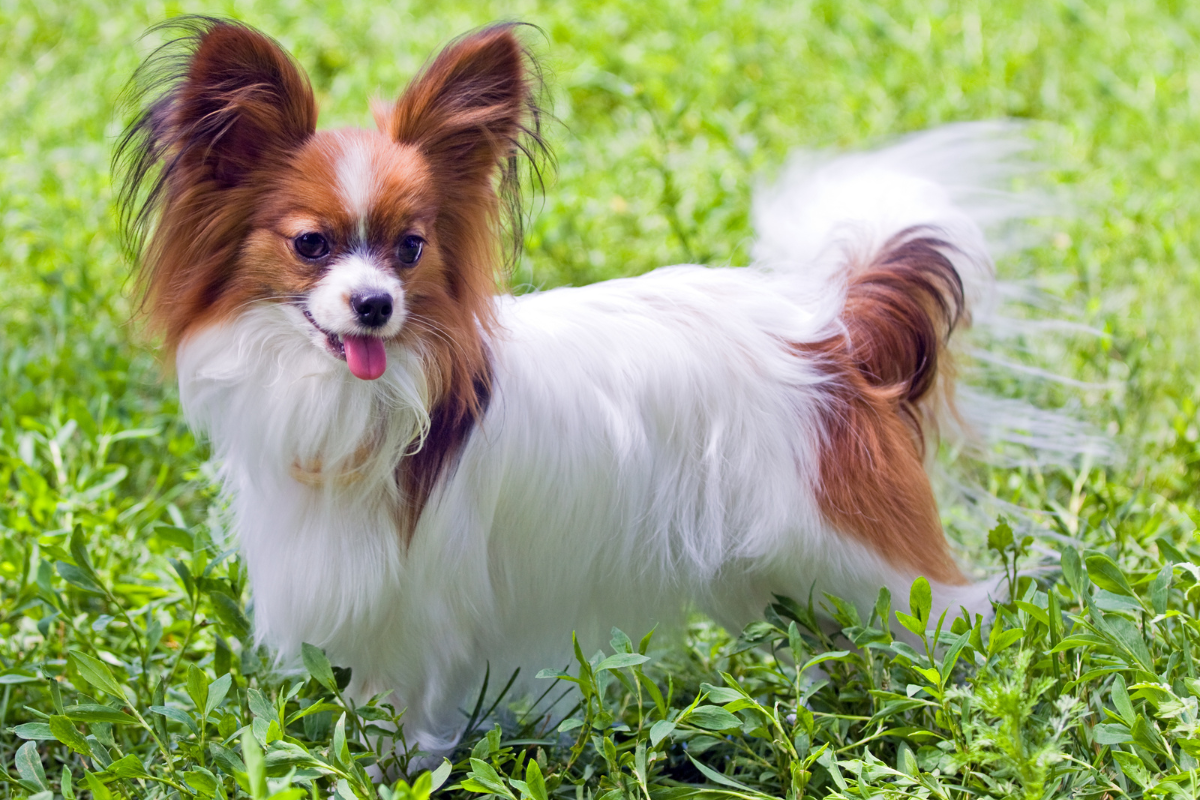
    7. Papillon

    Characteristics: Alert, lively, and curious.

    Why They’re Easy to Train: Don’t let their size fool you! Papillons are fast learners and excel in agility sports thanks to their sharp minds.

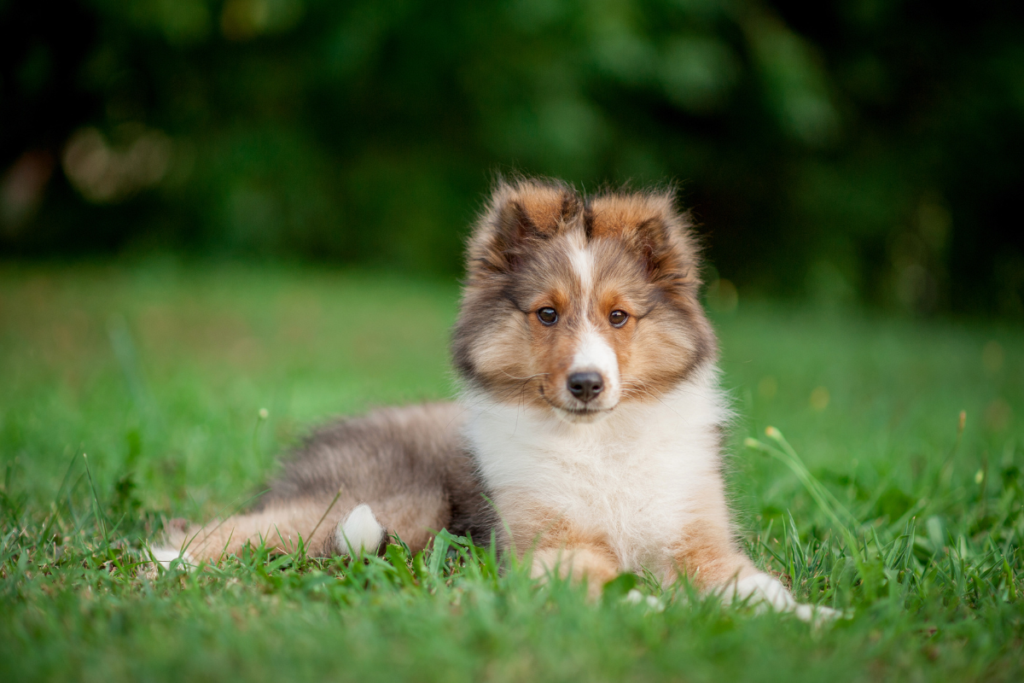
    8. Shetland Sheepdog

    Characteristics: Gentle, intelligent, and responsive.

    Why They’re Easy to Train: Shelties thrive in structured environments and pick up commands quickly due to their herding instincts.

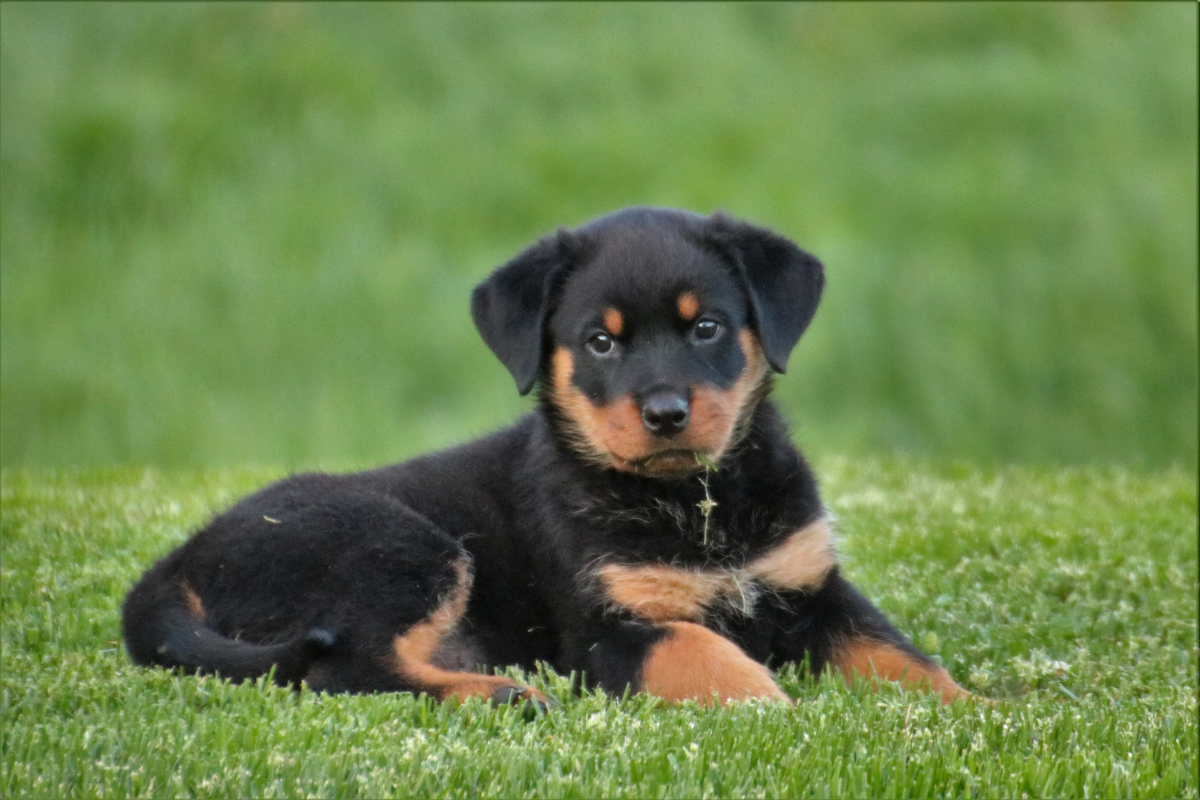
    9. Rottweiler

    Characteristics: Confident, protective, and devoted.

    Why They’re Easy to Train: With early socialization, Rottweilers respond well to clear, firm, yet positive training, excelling in obedience work.

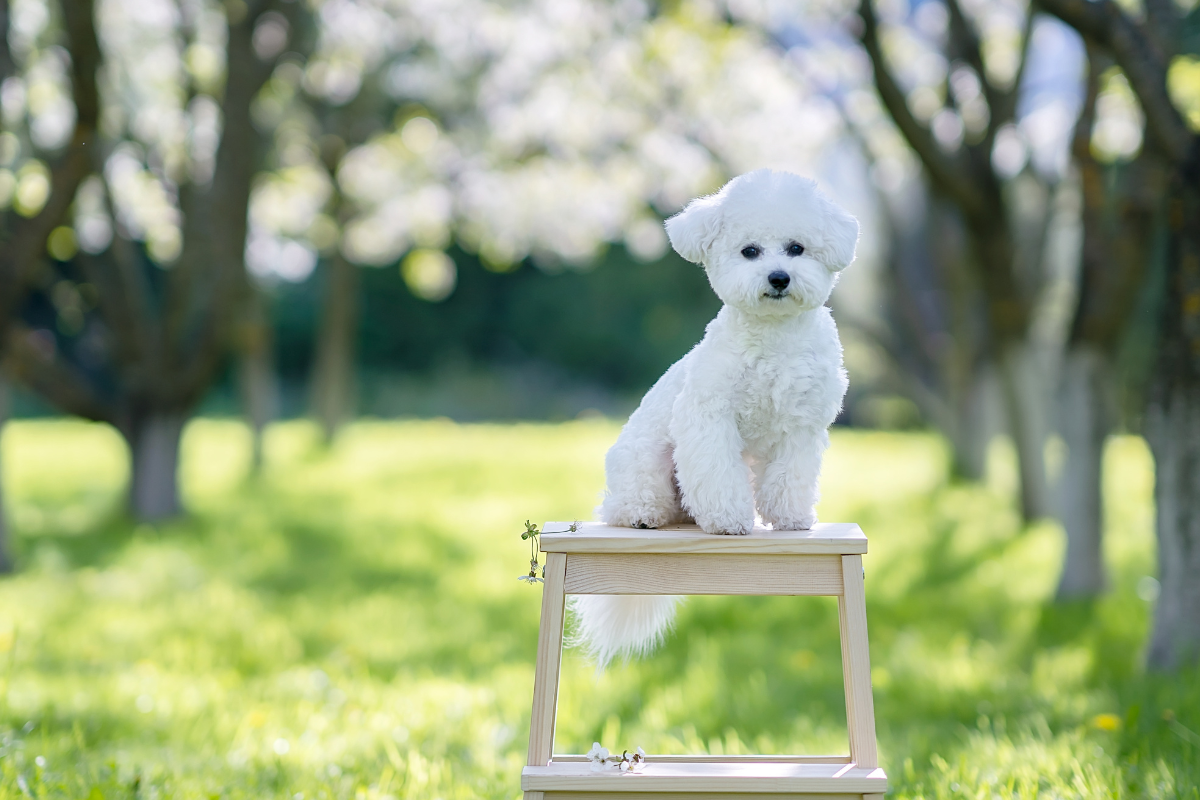
    10. Bichon Frise

    Characteristics: Playful, charming, and social.

    Why They’re Easy to Train: Bichons are people-oriented and eager for attention. Their happy disposition means they respond well to gentle, positive reinforcement and thrive in interactive training sessions.

    Quick Training Tips for Success

    • Keep it short: 5 to 10 minutes per session is ideal for puppies.
    • Stay consistent: Use the same cues and rewards each time so your puppy always knows what you mean
    • Make it fun: Training should feel like a game, not a chore.
    • Be patient: Progress takes time. Celebrate small wins!

    Choosing a trainable breed can make life easier, but every dog has the potential to be a star student with the right guidance. Some dog breeds are known for their intelligence and trainability, while others stand out for their affectionate nature or playful energy. Small Dog Breeds like Dachshunds and French Bulldogs are well-suited for apartment living, while larger Dog Breeds like Rottweilers often need more space and exercise. Start early, stay consistent, and remember that training isn’t just about commands. It’s about creating a lifelong partnership built on trust, respect, and a whole lot of tail wags. So grab those treats, cue “sit,” and let the sweet, unforgettable journey begin, one wag at a time.

  • OFA Certification: Why It Matters For Potential Pet Parents

    OFA Certification: Why It Matters For Potential Pet Parents

    Welcoming a new puppy into the family, there’s nothing quite like it. The wiggly tails, floppy ears, and big, bright eyes easily win our hearts. Beyond the lovable chaos and puppy kisses, however, comes a big responsibility. One serious thing that no caring pet parent should ever overlook is health, both now and down the road. Having a fur baby means committing to their long-term happiness and well-being. This is where OFA certification comes in. 

    You’ve done your research on breed, size, training, and personality. You may even have already scoped out groomers, vets, and dog-friendly places. But an important part of a dog’s future is heritable health, and this can easily be neglected. That’s why vets and breeders recommend OFA certification, a trusted way to screen for both genetic and orthopedic conditions before they turn into big problems. 

    OFA certification

    What is OFA Certification?

    OFA stands for the Orthopedic Foundation for Animals. This non-profit organization was founded in 1966 and has one core mission: Improving the health and well-being of companion animals by lessening the incidence of genetic diseases. If you’re looking for the gold standard in health screening for canines, this is it.

    When a dog is OFA-certified, this means that it has been officially evaluated for specific conditions and found to be clear or within acceptable health standards. OFA certifications are based on testing and are often peer-reviewed by a panel of veterinary specialists in a myriad of fields such as cardiology, ophthalmology, radiology, or genetics. 

    What Does OFA Certification Screen For?

    OFA screening covers a wide range of hereditary and structural conditions that commonly affect dogs, such as:

    Hip Dysplasia – An abnormal formation of the hip socket that can potentially cause mobility problems and arthritis

    Elbow Dysplasia – A genetic disorder wherein joint development in the elbow is affected (this is common in large breeds)

    Patellar Luxation – A condition that causes the kneecap to dislocate or move out of its normal location

    Eye Disorders – OFA tests for genetic eye diseases in partnership with the American College of Veterinary Ophthalmologists

    Thyroid Function – Vital for maintaining a healthy weight, metabolism, and energy levels

    Cardiac Issues – Functional or structural heart problems, which may not be apparent in young puppies

    Degenerative Myelopathy (DM) – A progressive spinal cord disorder which affects older dogs (common in particular breeds)

    Each test will require either a physical exam, X-ray, or genetic sample collected by a licensed veterinarian. The data is submitted by the vet to the OFA, which then reviews the results. Following the review, a rating is assigned to the dog, with results like “Excellent”, “Good” and “Fair” meaning a dog is free from major issues. The certification history is uploaded to their public database. 

    Why OFA Certification Matters

    So we’ve broken down what it is and what it does. Now let’s delve more into why it matters. 

    It lessens the risk of genetic disease

    Puppies are more at risk of developing issues later in life if they come from parents with a family history of genetic disorders or have poor hip scores. Having OFA-certified parents means your pup begins life with a good genetic foundation. 

    It assists breeders in making smarter decisions

    Responsible breeders rely on OFA evaluations as they plan litters, ensuring that the dogs they breed meet health standards. This way, individual outcomes are improved and the breed is strengthened overall. 

    It provides transparency

    OFA’s database is fully accessible to the public. Through this, potential owners can gain valuable insight into a pup’s background.

    It supports lifelong wellness for your pup

    It’s true that no test can predict all health outcomes, but the OFA certification gives peace of mind that your pup comes from a lineage of good health. Think prevention rather than treatment.

    The Petland Promise: Certified Confidence

    If you’re unsure where to begin in your search for a healthy pup, you can breathe easy. Petland prioritizes healthy and ethical breeding practices. They only partner with USDA-licensed breeders who follow OFA testing protocols and are Canine Care Certified through Purdue University’s welfare program. Their breeders are also required to maintain health care, housing, genetic screening, and socialization standards. You can be confident that your pup’s parents were tested for common issues, giving you extra reassurance that your new best friend’s health has been thoughtfully considered from day one. 

    Smart Starts = Healthier Pups

    Choosing a puppy is a happy, life-changing decision. Remember that behind every wagging tail should be a solid foundation of good health. For a truly healthy start, inquire about OFA certification. It’s a small step today that helps prevent big issues tomorrow, ensuring your pup grows up active, playful, and in good health. 

    Take the path towards setting your fur baby up a happy, healthy life by your side. Your future self (and your pup) will thank you!

    What Comes With A Puppy From Petland?
  • What Is the First Thing to Do When You Get a Puppy?

    What Is the First Thing to Do When You Get a Puppy?

    Bringing home a new puppy is an exciting and life-changing experience. It’s a time filled with joy, but it also comes with responsibility. The first few days are crucial in setting up your puppy for a happy and well-adjusted life. Knowing what to do first can make the transition smoother for both you and your new furry companion.

    Create a Safe and Comfortable Space

    Before your puppy even arrives, it’s important to have a designated area ready. This space should be quiet, secure, and free of any hazards. A crate or a small gated area can provide a safe place for your puppy to rest and adjust. Make sure to include a comfortable bed, water, and some chew toys to help them settle in. Puppies are naturally curious, so remove anything that could be dangerous, such as electrical cords, toxic plants, or small objects they might swallow.

    Introduce Your Puppy to Their New Home

    Once your puppy arrives, allow them to explore their new environment at their own pace. Keep interactions calm and gentle to avoid overwhelming them. Show them their designated space and let them sniff around. Keep the initial introduction to a few rooms rather than giving them full access to the entire house right away. This helps prevent overstimulation and makes house training easier.

    Establish a Routine

    Dogs thrive on consistency, and starting a routine from day one will help your puppy feel secure. Set a schedule for feeding, potty breaks, playtime, and sleep. Take your puppy outside frequently, especially after eating, drinking, or waking up, to encourage proper house training. Keeping a regular routine will make it easier for them to learn expectations and settle into their new life.

    Schedule a Vet Visit

    One of the most important first steps is scheduling a vet appointment within the first few days of bringing your puppy home. A thorough check-up ensures your puppy is healthy and up to date on vaccinations. Your vet can also provide guidance on proper nutrition, flea and tick prevention, and general puppy care. If you haven’t already, ask about microchipping and discuss a deworming schedule if necessary.

    Start Socialization and Training

    Early socialization is key to raising a well-behaved and confident dog. Start exposing your puppy to different sights, sounds, and experiences in a positive and controlled manner. Introduce them to new people, other friendly dogs, and various environments while keeping the experiences stress-free.

    Training should also begin immediately, even if it’s just basic commands like sit, stay, and come. Positive reinforcement, such as treats and praise, works best to encourage good behavior. Crate training and leash training should also start early to help your puppy develop good habits.

    Focus on Proper Nutrition

    Feeding your puppy a high-quality, age-appropriate diet is essential for their growth and development. If you’re unsure which food is best, consult your vet for recommendations. Stick to a consistent feeding schedule and avoid giving table scraps or unhealthy treats that could upset their stomach. Always provide fresh water and monitor their eating habits to ensure they are getting the right nutrition.

    Be Patient and Enjoy the Journey

    Bringing home a puppy is a big adjustment for both of you. There will be accidents, chewed furniture, and restless nights, but patience and consistency will go a long way. Building trust and forming a strong bond takes time, so enjoy the process and celebrate small victories along the way. The love and companionship your puppy will bring into your life will make all the effort worthwhile.

    By taking these steps from the very beginning, you’ll create a foundation for a happy, healthy, and well-adjusted dog. Your puppy depends on you for guidance, so making the right choices early on will set them up for success in their new home.

  • The Ultimate Puppy Playbook: Everything You Need to Know About Raising Your New Best Friend

    The Ultimate Puppy Playbook: Everything You Need to Know About Raising Your New Best Friend

    There’s nothing like the joy of bringing a fluffy, four-legged bundle of joy into your life. Puppies are the ultimate companions—full of love, energy, and just a little bit of mischief! Whether it’s your first time bringing a pup home or you’re adding a new member to your growing pack, there are a few key things to keep in mind to help your new puppy thrive. Get ready for an adventure of snuggles, playtime, and puppy kisses with these fun and playful tips!

    1. Pick Your Perfect Match

    Before you meet your new best friend, you’ll want to make sure you’re picking a puppy that suits your lifestyle. Are you a morning jogger who needs a running buddy? Or maybe you’re more of a Netflix-and-chill type who loves to snuggle on the couch? Think about your energy levels, living space, and how much time you can devote to your puppy’s playtime. Choose a pup whose personality matches your own—because let’s face it, the last thing you want is a tiny whirlwind when you’re more of a “couch potato” kind of person!

    2. Puppy-Proof Like a Pro

    Puppies are like tiny explorers with zero concept of “danger.” They want to sniff, nibble, and get into everything. So, it’s time to get your home puppy-proofed! Think of it like a scavenger hunt where your puppy is the determined little adventurer and your household items are the treasure. Lock away sharp objects, hide the trash can, and make sure anything breakable is out of reach. Also, put away those electrical cords—puppies love to chew on them like they’re the world’s tastiest treat (but trust us, they’re not).

    3. Training? More Like Playtime!

    Training your puppy doesn’t have to feel like a chore—it’s actually an opportunity to bond with your new bestie! Start with the basics—sit, stay, come—and keep it fun. Treats are your best friend here, and your puppy’s best friend too. Positive reinforcement is key to making training an enjoyable experience for both of you. And remember: your puppy’s attention span is about as long as a squirrel’s, so keep sessions short and sweet. Also, don’t be surprised if your puppy decides the “sit” command is really more of a suggestion—puppies have a way of doing their own thing!

    4. Socialization Adventures

    Puppies are social butterflies at heart! Early socialization is one of the best gifts you can give your puppy. Expose them to new people, dogs, and environments to help them become confident and well-adjusted. Think of it like a mini puppy vacation every time they meet a new furry friend or visit a new place. Just remember to keep it low-pressure—no need to throw a puppy party every weekend. A few positive experiences will go a long way in helping your puppy grow into a friendly and confident dog.

    5. Feed Them Like Royalty

    Your puppy’s growth depends on the right nutrition, so treat mealtime like the special occasion it is! A balanced diet will help them grow big and strong, but not too big (watch out for the overfeeding trap). Stick to the recommended portions and feed your puppy high-quality puppy food that supports their development. And if they give you those puppy eyes while you’re eating your dinner—no, they can’t have a bite of your pizza (trust us, they’ll be just fine with their own bowl of yum).

    6. Exercise is Play, Not Work!

    Puppies have more energy than a toddler on a sugar rush, so get ready to play, play, and play some more. But don’t worry, you don’t need to run marathons—short walks, fetch sessions, and backyard play will be more than enough to keep your pup happy and healthy. Just be sure to let them rest in between playtime to recharge their little batteries. And, hey, if you’re the type to go on spontaneous adventures, your puppy’s always ready for a good time—whether it’s a nature hike or a trip to the park.

    7. The Grooming Game

    Okay, let’s be real: grooming is often a messy (and slightly muddy) affair. But a clean puppy is a happy puppy! Brushing your pup’s fur will not only keep them looking fabulous but will also reduce shedding and prevent matting. Depending on your puppy’s breed, you may need to visit the groomer every now and then, but at home, regular brushing and the occasional bath will do the trick. And don’t forget those puppy paws—regular nail trims are essential to keep them from scratching up the furniture or, worse, hurting themselves.

    8. Bonding Through Playtime

    At the end of the day, the most important part of raising a puppy is building that bond of trust and love. Playtime is not just about getting out the energy—it’s a golden opportunity to deepen your relationship. Whether you’re tossing a squeaky ball, having a tug-of-war battle, or just lying on the couch together, these moments create memories that last a lifetime. Don’t rush the process—let your puppy take the lead when it comes to play and let the fun unfold naturally.

    9. Puppy Misadventures Are Normal

    Let’s face it—puppies will be puppies! There will be accidents (hello, potty training), chewed-up shoes (sorry, not sorry), and plenty of mischievous moments. But that’s all part of the fun. The key is to stay patient and positive. Celebrate the little victories—like when your puppy finally gets the hang of potty training or learns to “sit”—and laugh off the goofy moments. Puppies are learning about the world, and you’re their guide, so enjoy the ride!

    10. Patience, Love, and Laughter

    Raising a puppy can be a whirlwind, but it’s also one of the most rewarding experiences you’ll ever have. The journey is full of highs and lows, but at the end of the day, your puppy will love you unconditionally. With patience, love, and a good sense of humor, you’ll navigate the joys and challenges of puppyhood together.

    So there you have it—your ultimate puppy playbook! From choosing the perfect pup to sharing in playtime adventures, your puppy is sure to bring a lifetime of joy and happiness into your life. Enjoy every single moment of puppyhood—it goes by faster than you think! 🐾

  • Best Ways to Socialize Your New Puppy

    Best Ways to Socialize Your New Puppy

    The first three months of your pup’s life would very much shape the rest of their personality and how they relate to their environment. Socializing your pup guarantees that you would end up with a confident and well-adjusted dog. Here are some ways to socialize your puppy: 

    The Outdoors 

    Introduction to new sights, sounds, and smells begins in the outdoors and then continues in the outdoors. Outdoors is where most of the adjustment happens. A multitude of new sensations would assault your pup’s senses and he may need to adjust gradually. Over time, familiarity would occur. 

    The Dog Park 

    Visiting the dog park should be scheduled for later during the socialization process. Ensure that your pup has developed some level of confidence so that they can be comfortable around other dogs. The dog park experience is an important one because you could term it the ultimate test of socialization. 

    The Neighborhood 

    Out on a walk and saying hi to the neighbors, allow your pup to say hi too. This helps him adjust to interacting with other people apart from you. If they want to come close and pet him, even better. Similarly, this is a good way to work on leash training too, helping him adapt to walking on a leash. 

    Puppy Classes 

    Once vaccinations are being taken care of, puppy classes can commence. These classes are designed to help puppies understand basic commands, and it also provides an excellent avenue for your pet to interact with other dogs and humans in a safe space. Socialization is also important for potty training. 

    Conclusion 

    Socializing your dog is important to help them enjoy the outdoors and be in the company of other people and animals without fear. 

  • A New Puppy For The New Year

    A New Puppy For The New Year

    Yay! It’s the new year! Many people have their new year resolutions outlined and are already putting them into effect. 

    For some, one of these resolutions is to get a new fur baby at the beginning of the year.

    Just like any other parenting, puppy parenting can be somewhat overwhelming but fun overall. 

    There are a lot of things for both of you to learn and you have to get started on your part before bringing your cuddly fur baby home. 

    Here are a few things to note when getting a new puppy:

    Your Schedule

    Puppies are fun to be with however, they require a lot of care and attention in their first few months. You’ll have to feed Max two to three times daily. 

    In addition, you would have to take him on walks and get him socialized later on. 

    You have to factor all of these into your schedule. This phase may be tasking, but it’s definitely rewarding for any new puppy owner.

    Bonding Time

    The first few months of Max’s life are the perfect time to bond with him and get to know him. There’s a lot that you can learn about him just by spending time with him. 

    You can learn about your playful puppy’s personality, temperament, tastes, and intelligence. 

    Everyone loves puppy breath and you’ll definitely be getting a lot of that in your face along with licks of gratitude.

    Training

    It is essential to start training your dog early. At this young age, Max is ready to learn. All he’s waiting for is for you to work with him as soon as you can. 

    Training provides tremendous benefits to continued good behavior both inside your home and in public. 

    You can teach your Max basic obedience and then step up to potty training, chew training, and crate training.