Tag: Grooming

  • How To Trim Your Dog’s Nails

    How To Trim Your Dog’s Nails

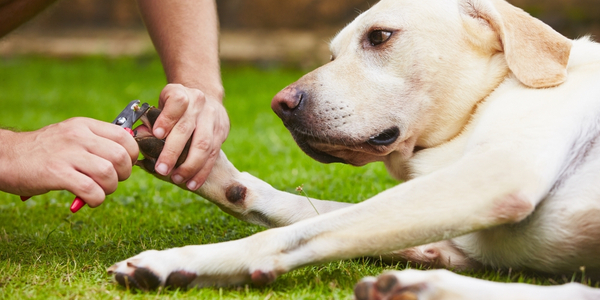
    An important aspect of dog grooming is trimming your dog’s nails. While a routine trip to the groomer also comprises nail trims, sometimes Saul’s nails may be overgrown and you may have to do it yourself. This is how to make this happen step by step:

    • The first step is to gather your supplies 
    • Up next, gently pick up the foot 
    • Isolate the nail that you want to cut
    • Select the precise place you want to cut
    • Do the cutting at a 45-degree angle 
    • Chip it off in bits
    • Remember the dewclaws 
    • Nail grinding (use as a finishing tool)
    • Reward your pet 

    It is important to note that a dog’s nail comprises the outer material known as the shell, which is hard and the living pink quick. The quick runs through the core of the nail and supplies blood. To ensure your dog’s wellbeing and guarantee easy maintenance, short quicks are the recommended length. 

    Similarly, if you are cutting your puppy’s nails for the first time, you would have to go very slow, starting with picking up the paw, isolating the nail, getting your pup familiar with the trimmer (especially if there is any vibration involved), cutting only a tiny chip initially. All of these would have to be done over a period of time to aid easy adjustment. 

    If your dog feels uncomfortable, it is best to retreat or you might have to eventually use a muzzle. In the way of products, there is a range of nail trimmers comprising scissors as well as grinder tools specially designed for dogs. The main thing is to use what works best for your pet. Also, styptic powder should be kept close in case of bleeding. 

    Conclusion 

    Trimming your dog’s nails can be quite the task, so remember to be patient and reward Saul with treats too. 
  • How To Keep Up With Your Pup Between Grooms

    How To Keep Up With Your Pup Between Grooms

    Every four to six is the ideal time after which a visit to the vet or a professional groomer is necessary. However, during this period, maintaining your dog’s grooming is a key part of providing care. 

    If you struggle with consistency or you don’t want to forget, you can always create a schedule to keep on track. 

    Once your schedule is up, here are three common grooming activities that you can carry out: 

    Baths 

    Lucky if your pet loves water. If they don’t, they would still need to take baths anyway. Baths can be pretty relaxing and they keep your dog from stinking up the entire place. 

    Using a dog soap recommended by the vet is ideal because they are generally less harsh and friendly on dog skin. 

    Remember to wash the paws, inside the ears, and generally wash all of the hard-to-reach places. 

    Nail Trims 

    If you don’t want nail marks all over your clothing or claw tracks on the rug, then take nail trims very seriously. 

    One point to note however is that you should always leave some allowance, don’t cut all the way down. 

    This way, you can avoid mistakenly causing injury to your beloved pet. Remember that you can give your pet treats for being a good boy/girl during the nail trim. 

    Brushing Sessions 

    Looking to avoid matted fur? This is the best go-to grooming option. Brushing sessions are especially important if your pet has a lot of fur and sheds significantly. 

    You can arrest the shedding ahead of time, and keep their coat smooth and shiny. After brushing, you can spray them with delicious scenting dog sprays that you can get from Petland stores. 

    You can Max smelling like a peach if you want. 

    Conclusion 

    Just like humans, constant grooming is what gets your pet smelling and looking like a million dollars! 

  • How Often Should I Groom My Dog?

    How Often Should I Groom My Dog?

    Various aspects of grooming are typically done at different times.  For instance, brushing is recommended at least 1 to 3 times a week, baths every 1 to 2 months, and trimming of the areas around the paws, ears, face, and sensitive areas around every 4 to 6 weeks. 

    Visiting a professional groomer should be done at least once a month, and the session would typically consist of your pet being brushed, bathed, sanitized, as well as nails trimmed or clipped. 

    Wire-haired dogs may grow a softer and different colored coat if they are shaved down, so this should be avoided. Similarly, it is ideal to place long-haired dogs on a grooming schedule. 

    For breeds with wavy or curly hair, routine coat maintenance is important so that they don’t get up getting shaved bald. Routine grooming also helps breeds who blow their coat. 

    Benefits of Grooming 

    Brushing down your pet’s coat helps to allow air in, providing ventilation and facilitating healthy and strong hair growth as well as removing old or damaged hair. 

    Grooming also reduces the amount of grease in the coat. Excess grease can cause pore blockage leading to irritation and a range of other skin problems. 

    Similarly, regular grooming helps you rapidly identify underlying conditions or diseases early enough. This allows for quick treatment and staying the spread of such ailment. 

    Trimming nails also helps to promote good posture and prevents bone deformation. 

    Usually, grooming may be breed-specific while some others are general like a puppy cut. Discussing which is ideal for your dog with your veterinarian is essential. 

    Conclusion 

    Proper dog grooming makes for a clean, happy, and healthy dog. Definitely the dream of any pet parent!