Tag: dog health

  • How Much Exercise Does Your Puppy Really Need? A Complete Guide for Furparents

    We all know the benefits of regular exercise, such as feeling energized, staying healthy, and keeping our minds sharp. Just like us, puppies need movement to thrive, and finding the right type and amount is essential for their growth, behavior, and overall happiness. Too little can lead to boredom or weight issues, and too much can put stress on their developing bodies.

    So, how much exercise does your puppy really need? Let’s break it down.
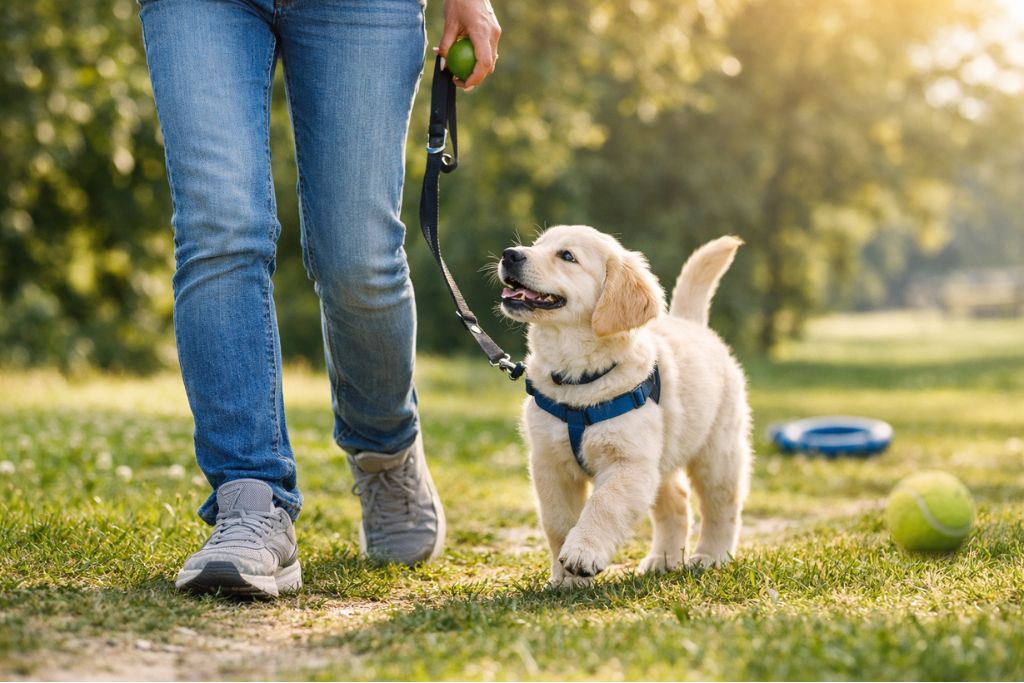
    puppy walking on a leash with its owner outdoors

    Why Puppies Need Exercise

    Exercise isn’t just playtime. It’s crucial for your puppy’s development. Some key benefits include:

    • Physical health: Strengthens muscles, bones, and joints while preventing obesity.
    • Mental stimulation: Engages their brain, reducing destructive behaviors from boredom.
    • Social skills: Interaction with people, other dogs, and environments improves confidence.
    • Emotional well-being: Helps regulate mood and energy, leading to a calmer, happier pup.
    • Understanding these benefits helps set the stage for a healthy routine that balances activity with rest.

    How Much Exercise Does Your Puppy Really Need?

    There’s no one-size-fits-all, as breed, size, and age all play a role. A general rule of thumb is 5 minutes of structured exercise per month of age, up to twice a day. So, a 3-month-old puppy may need around 15 minutes of controlled activity at a time.

    Breaking it down:

    • Short walks: Gentle strolls on a leash for puppies under 6 months. Avoid overexertion or long runs.
    • Play sessions: Interactive games like fetch, tug, or hide-and-seek, ideally 2–3 sessions per day.
    • Mental enrichment: Puzzle toys, scent games, and basic training exercises count as exercise too; mental workouts are just as important as physical.
    • Breed considerations: High-energy breeds like Border Collies or Huskies may need longer or more frequent activity, while smaller or less active breeds require gentler routines.

    Consistency is key. Spread exercise throughout the day rather than one long session to prevent fatigue or injury.

    Encouraging Exercise in Your Puppy

    Motivation is everything! Use toys, treats, and praise to make activity enjoyable. Rotate toys to keep play interesting, and mix in short training sessions to stimulate their mind. Social walks with other puppies or friendly dogs can also make exercise fun while improving social skills.

    Exercise is a cornerstone of a happy, healthy puppy. By providing the right amount of activity, both physical and mental, you’ll help your fur baby grow strong, confident, and well-adjusted. Pay attention to their energy, breed needs, and age, and always make exercise fun. Your puppy will thank you with wagging tails, joyful leaps, and endless cuddles.

  • Petland Wants Your Pets to be Safe from Fleas and Ticks This Year

    Petland Wants Your Pets to be Safe from Fleas and Ticks This Year

    Springtime means that flowers and trees come back to full bloom and everywhere is cheery once again. With spring also comes bugs and pests that you would need to protect your dog from. You can easily get products that prevent your pet from becoming infested with fleas and ticks. Petland.com provides the best resources in terms of education and products to help you come out triumphant.

    Why is it important to prevent fleas and ticks? Here’s why:

    The Tick Problem 

    Ticks are tiny creatures that feed on animal blood. Unlike fleas, they aren’t insects, they are arachnids comparable to tiny spiders. They thrive in warmer climates, particularly spring and summer. Ticks can be found in grass and often jump on to your pet’s skin from there. 

    A tick bite can cause irritation at the bite site or become progressively infected. If the tick keeps up with feeding, your pet could end up with anemia or blood loss. Ticks also spread diseases, prominent of which is Lyme disease, typically transmitted by deer ticks. 

    Lyme disease may cause inflammation in your pup’s joint, making walking difficult. 

    The Flea Problem 

    Fleas are tiny insects that primarily derive nutrition from their host’s blood. Amongst the over 2,000 flea species, only the cat flea presents a huge problem for pet owners. Although known as the cat flea, they bite dogs, and humans as well. 

    They are able to jump up to 6 inches in the air to lodge their bodies in a host. They typically drain blood and may consume up to 15 times their own body weight in a day. Their actions cause constant discomfort in the form of itching. This may result in your pet losing hair as a result of constant scratching leaving red and inflamed skin. 

    Anemia is a major side effect of flea infestation and your pup would experience low iron levels. 

    Conclusion

    It’s no use planning a cure when you can get ahead of the situation and work on preventing it altogether. Get right on with preventing your pet from getting infested. 

  • Pups are Smiling for Dog Dental Month!

    Pups are Smiling for Dog Dental Month!

    February is Canine Dental Month, one that sets out to emphasize just how essential dental health is for your pup. 

    Your pet is wont to use their mouth a whole lot; eating, playing with toys, licking their favorite human in the world, and a whole range of other activities. Seeing how busy this mouth gets, it is, therefore, no surprise that a great deal of attention has to be paid to dental health. This article covers the importance of canine dental health: 

    Curbing Bad Breath 

    Just like in humans, regular eating without proper mouth cleaning leads to a buildup of rotten leftover food which eventually begins to stink. Proper dental health eliminates these particles and has Daisy’s mouth smelling minty fresh. 

    Avoiding Oral Pain 

    Dental disease can cause your dog plenty of discomforts. Nipping this in the bud is a no-brainer and the key to this is providing adequate dental care to your pet. Ideally, an annual visit to the veterinarian to get their teeth professionally cleaned is recommended

    Inhibiting Dental Disease 

    Most dogs already have dental disease by the time they are 3 years old. This might be an occurrence that is quite difficult to prevent, however, proper dental care can prevent the disease from worsening. The following at-home care is recommended:

    • Regular teeth brushing with toothpaste 
    • Provision of chew toys to gnaw on 
    • Provision of dental chews 
    • Regular spritzing of dog dental spray 

    All of these products can be gotten from Petland stores or petland.com. 

    Preventing Organ Damage 

    Bacteria present in plaque upon entering the bloodstream can spread to the kidneys, liver, and heart. This condition which is referred to as bacteremia can result in organ damage and cause debilitating diseases. Adequate oral health helps rid Daisy of plaque buildup and therefore ensures general health. 

    Conclusion 

    One way to ensure the general healthiness of your dog is to maintain good oral hygiene. This singular action offers immense benefits both short-term and long-term.