Tag: dog breeds

  • Which Dog Breeds Are Easiest to Train?

    Which Dog Breeds Are Easiest to Train?

    Bringing home a new puppy isn’t just about cuddles and Instagram-worthy moments. It’s the start of a relationship that’s part joy, part challenge, and entirely life-changing. Dog breeds come in a wide variety, each with its own unique traits, temperament, and appearance. From the moment those tiny paws step into your home, your dog is learning. Learning about you, about the world, and about how they fit into it. That’s where training becomes more than just a task, but the foundation for a happy, confident, and well-adjusted canine companion.

    Why Training Matters 

    Training isn’t just about “sit” and “stay.” It’s about building trust, creating boundaries, and helping your dog thrive in everyday life. A well-trained dog is safer, easier to manage, and more confident. Early training reduces unwanted behaviors like jumping, chewing, and barking. It also fosters a stronger bond, as your dog learns to look to you for guidance.

    The Ideal Time and Place to Start Training

    The best time to start training is as early as eight weeks old. At this age, puppies are like sponges, keen to absorb new experiences and cues. Keep lessons short, fun, and positive, as young pups tire quickly. A calm, distraction-free environment works best in the beginning, but gradually introducing mild distractions will help them generalize their skills to the wider world. Socialization, exposure to different environments, and consistency from all household members will also accelerate learning.

    The 10 Easiest Dog Breeds to Train

    1. Border Collie

    Characteristics: Intelligent, energetic, and focused.

    Why They’re Easy to Train: Border Collies are often called the “Einsteins” of the dog world. They thrive on mental stimulation and love having a job to do. Their strong work ethic and quick learning make them excel at obedience and agility training.
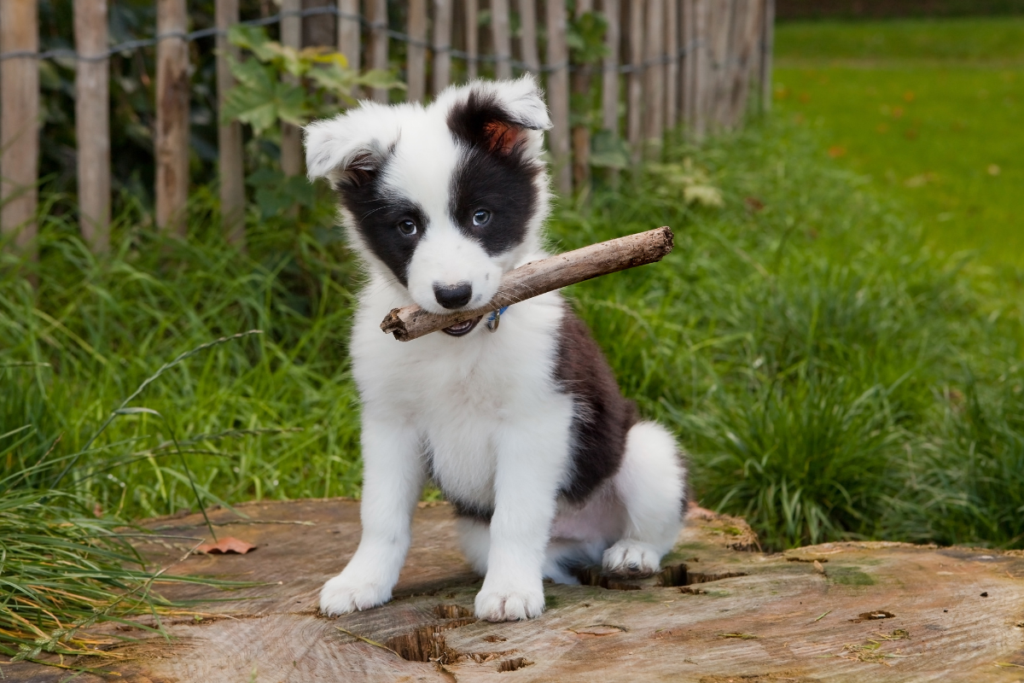
    Border Collie

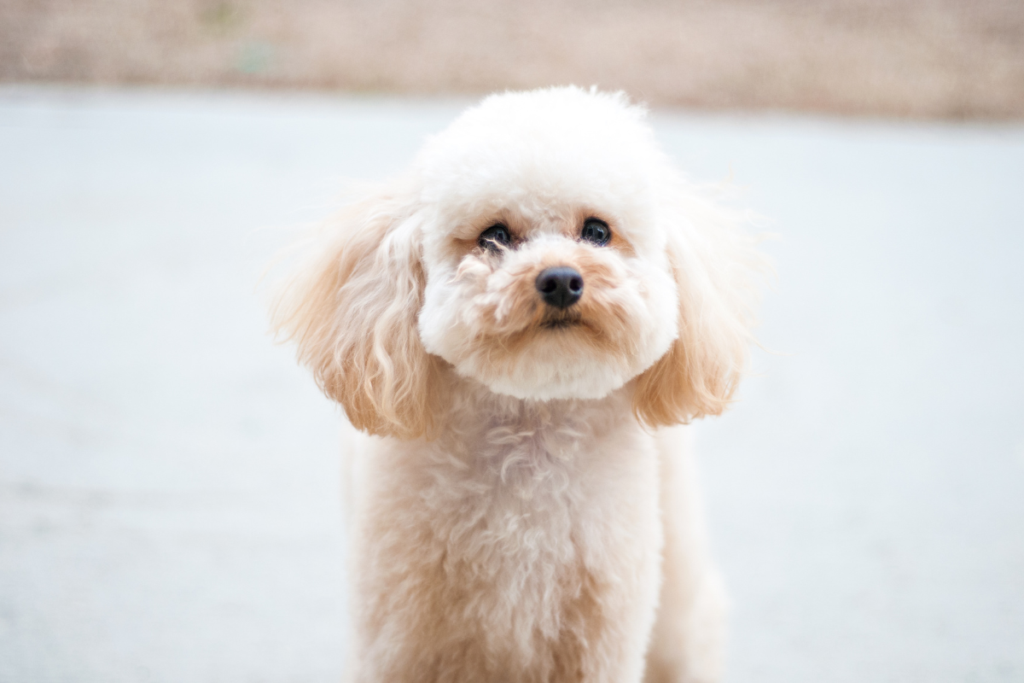
    2. Poodle

    Characteristics: Smart, versatile, and eager to please.

    Why They’re Easy to Train: Poodles, whether toy, miniature, or standard, combine intelligence with a cooperative temperament. They respond quickly to training and excel in advanced tricks and competitive sports.
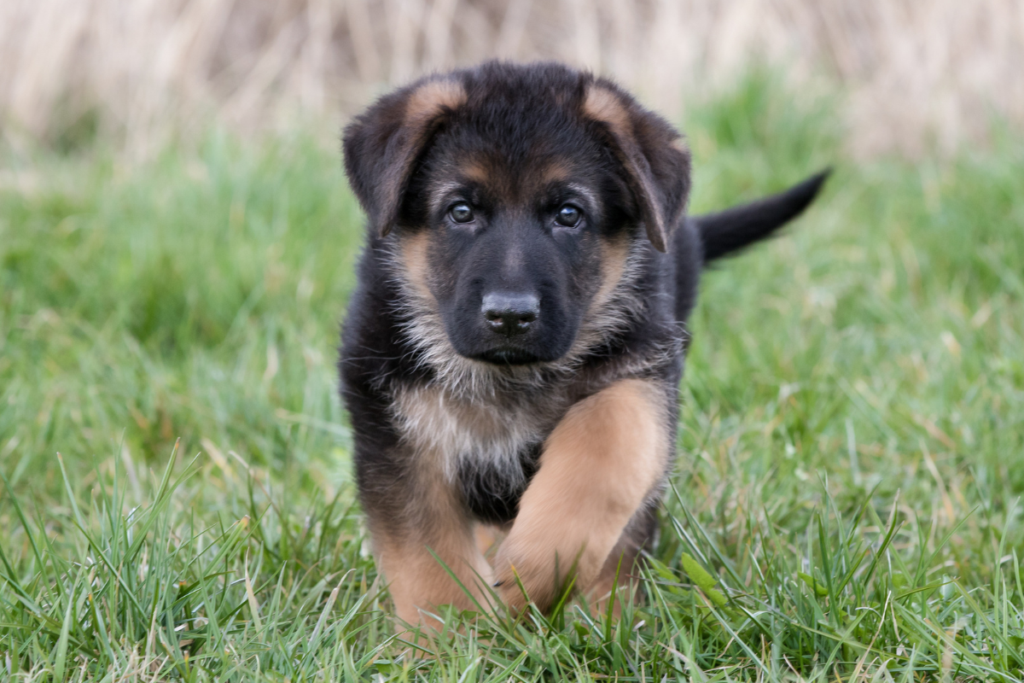
    3. German Shepherd

    Characteristics: Loyal, alert, and confident.

    Why They’re Easy to Train: Often used in police and service work, German Shepherds are driven, obedient, and quick to learn complex commands when given clear, consistent guidance.
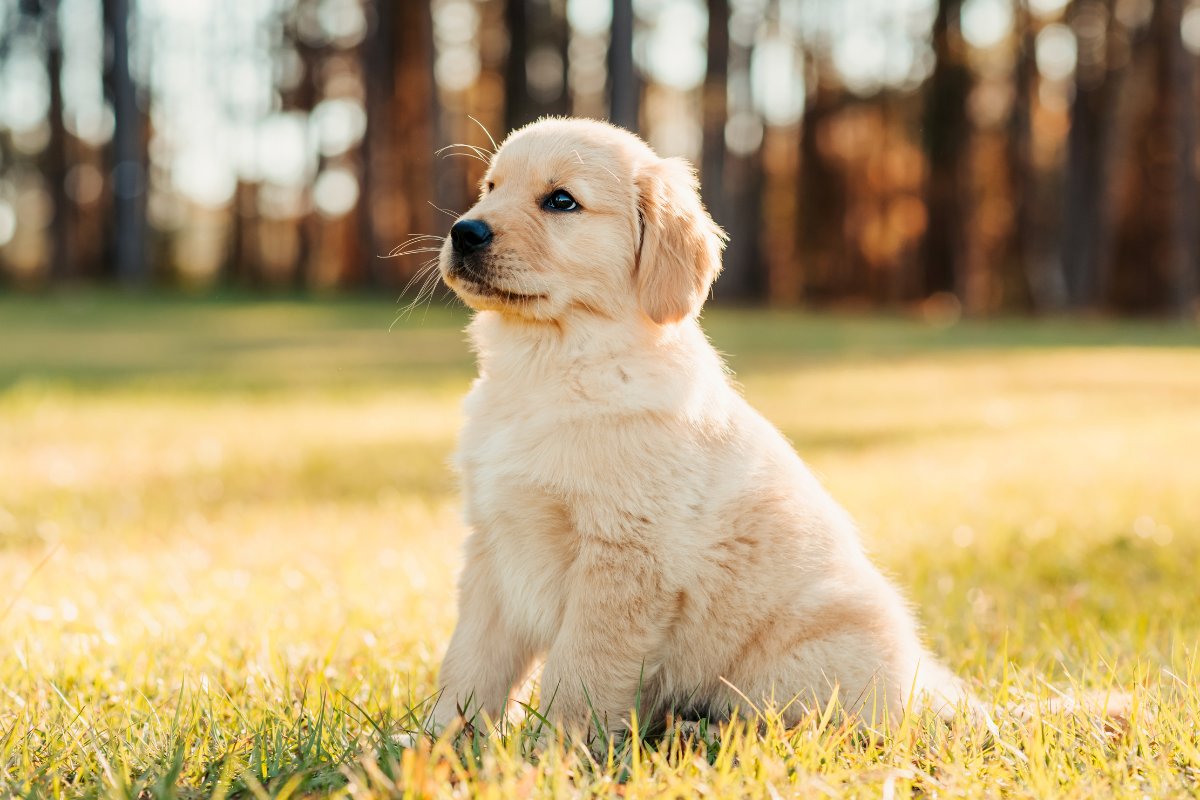
    4. Golden Retriever

    Characteristics: Friendly, patient, and people-oriented.

    Why They’re Easy to Train: Goldens are natural pleasers. They respond well to positive reinforcement and are calm enough to focus, making them great family dogs.
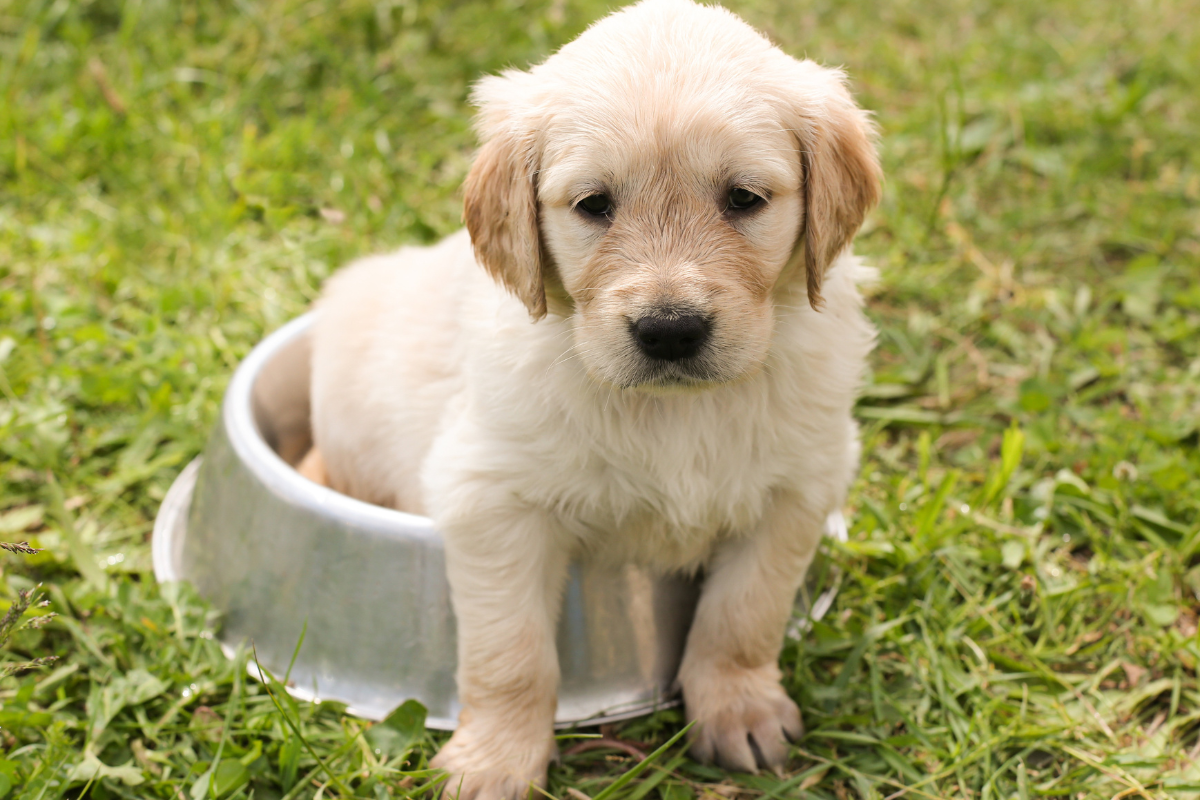
    5. Labrador Retriever

    Characteristics: Outgoing, playful, and adaptable.

    Why They’re Easy to Train: Labs are motivated by both food and praise, making them quick learners. They excel in service work and family settings alike.
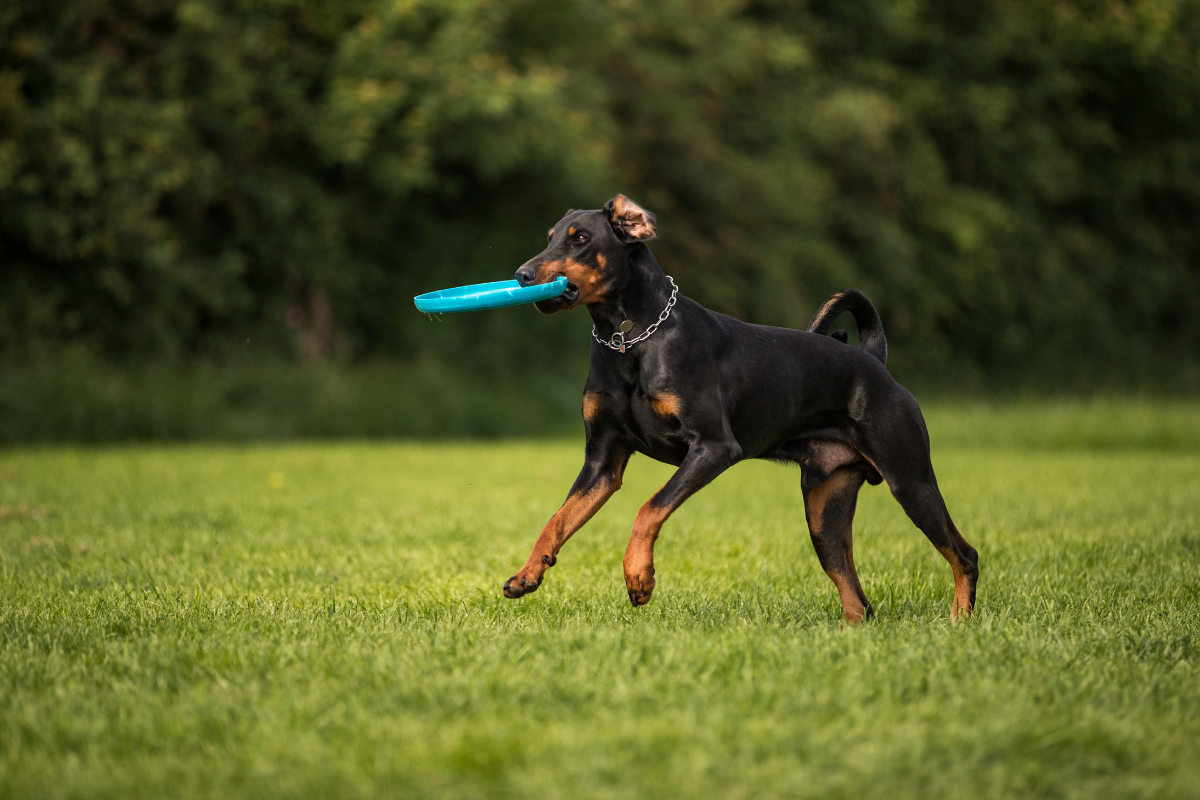
    6. Doberman Pinscher

    Characteristics: Fearless, loyal, and intelligent.

    Why They’re Easy to Train: Dobermans bond closely with their owners, which fuels their eagerness to follow commands and protect their household.
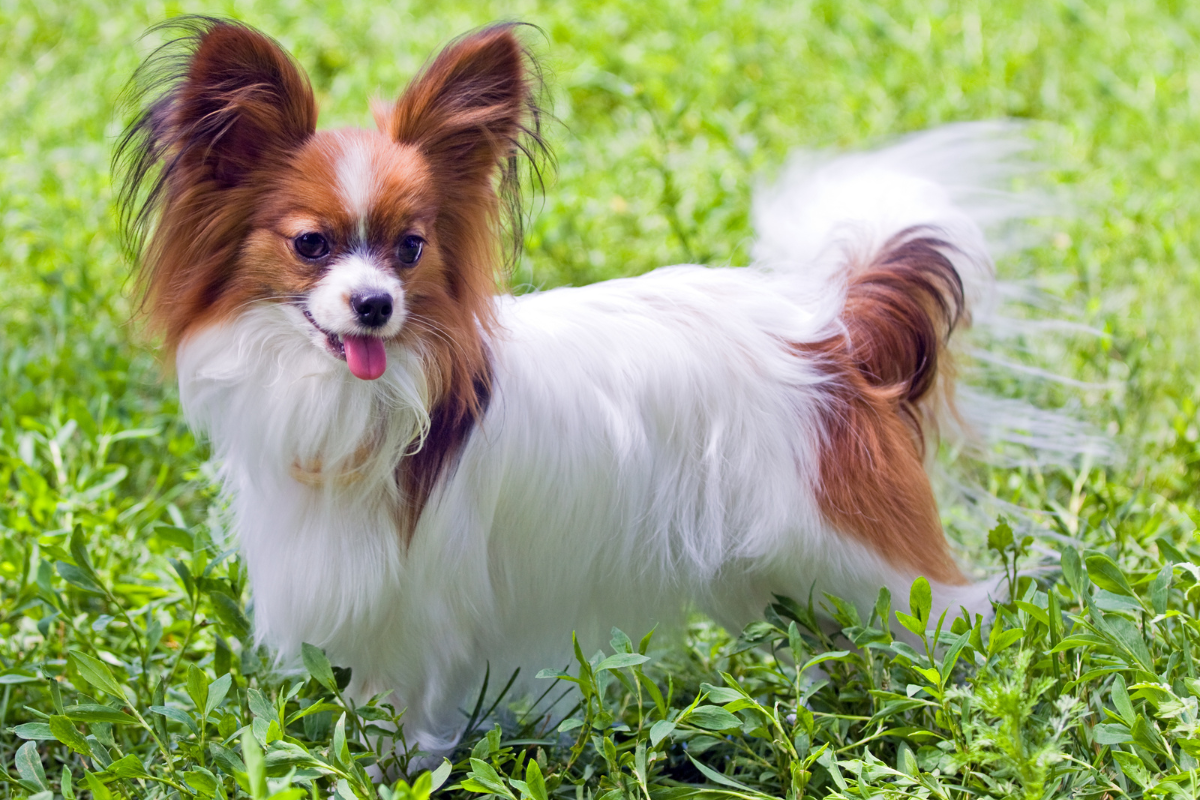
    7. Papillon

    Characteristics: Alert, lively, and curious.

    Why They’re Easy to Train: Don’t let their size fool you! Papillons are fast learners and excel in agility sports thanks to their sharp minds.
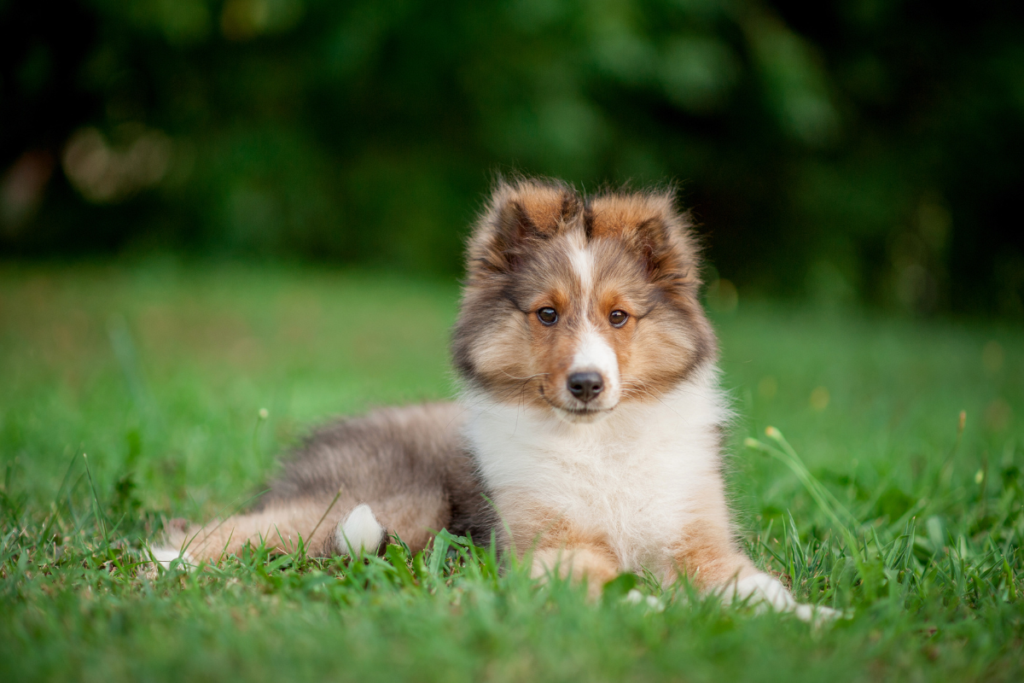
    8. Shetland Sheepdog

    Characteristics: Gentle, intelligent, and responsive.

    Why They’re Easy to Train: Shelties thrive in structured environments and pick up commands quickly due to their herding instincts.
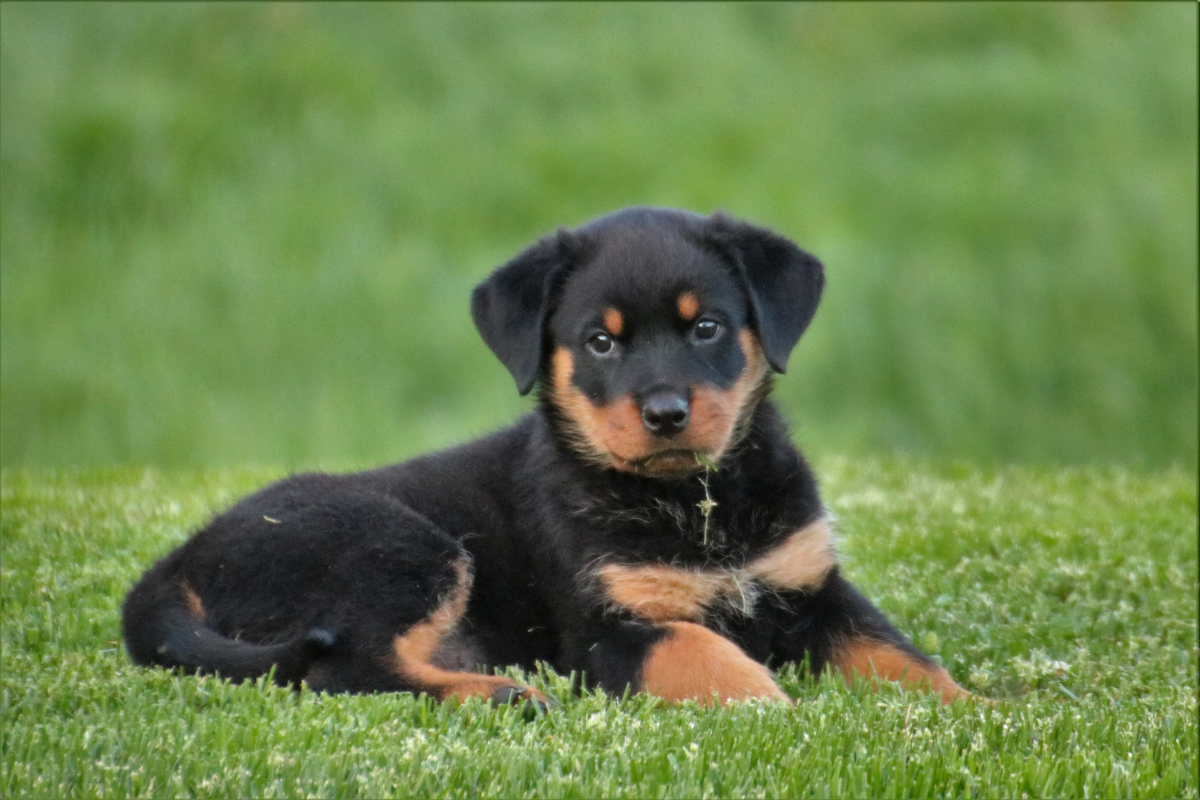
    9. Rottweiler

    Characteristics: Confident, protective, and devoted.

    Why They’re Easy to Train: With early socialization, Rottweilers respond well to clear, firm, yet positive training, excelling in obedience work.
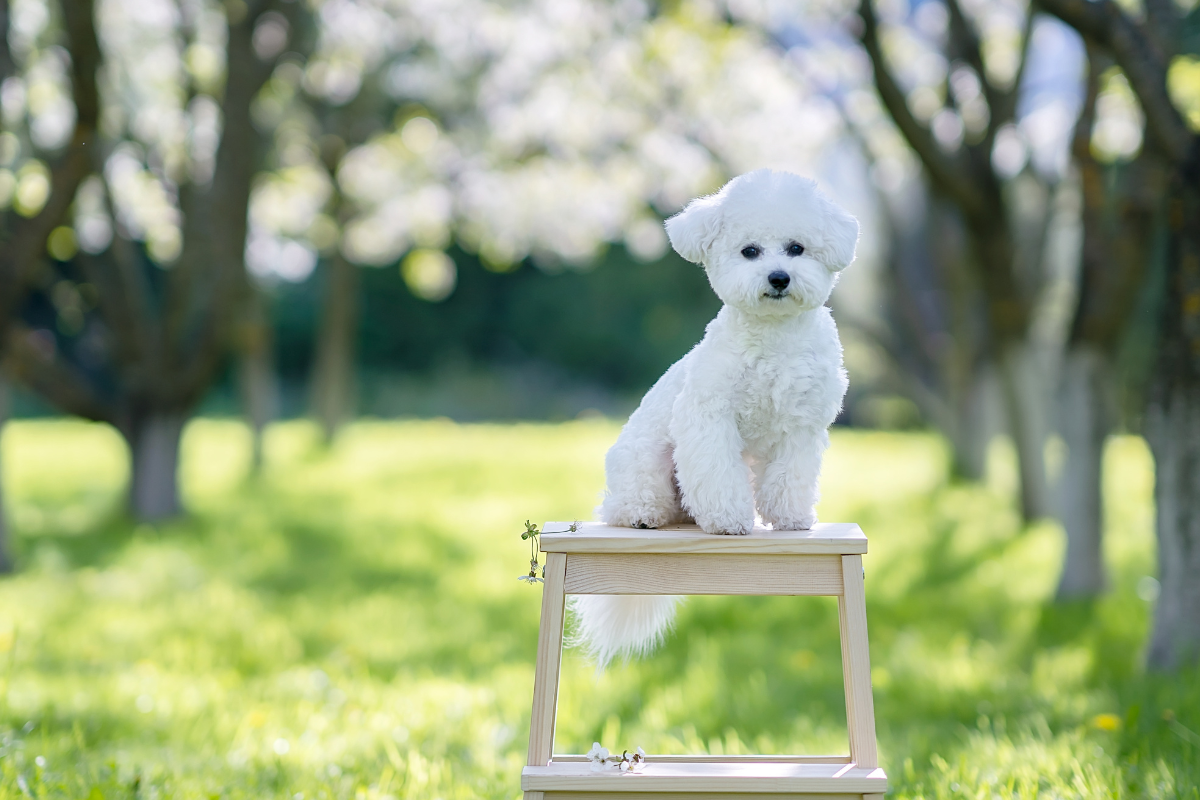
    10. Bichon Frise

    Characteristics: Playful, charming, and social.

    Why They’re Easy to Train: Bichons are people-oriented and eager for attention. Their happy disposition means they respond well to gentle, positive reinforcement and thrive in interactive training sessions.
    Quick Training Tips for Success

    • Keep it short: 5 to 10 minutes per session is ideal for puppies.
    • Stay consistent: Use the same cues and rewards each time so your puppy always knows what you mean
    • Make it fun: Training should feel like a game, not a chore.
    • Be patient: Progress takes time. Celebrate small wins!

    Choosing a trainable breed can make life easier, but every dog has the potential to be a star student with the right guidance. Some dog breeds are known for their intelligence and trainability, while others stand out for their affectionate nature or playful energy. Small Dog Breeds like Dachshunds and French Bulldogs are well-suited for apartment living, while larger Dog Breeds like Rottweilers often need more space and exercise. Start early, stay consistent, and remember that training isn’t just about commands. It’s about creating a lifelong partnership built on trust, respect, and a whole lot of tail wags. So grab those treats, cue “sit,” and let the sweet, unforgettable journey begin, one wag at a time.

  • This is Why You Need a Miniature Dachshund!

    This is Why You Need a Miniature Dachshund!

    Daschunds can be traced all the way back to the Middle Ages. Their name is derived from two German words ‘dach’ meaning ‘badger’ and ‘hund’ meaning ‘dog’. 

    They were great hunting dogs with their keen sense of smell allowing them to hunt both above and below ground, tracking animal scents for extended periods. 

    Over the years, different sizes emerged and in the U.S., there are three main sizes: the Normal, Miniature, and Toy. 

    Overview of Mini Daschund 

    • Common coat colors: chocolate, blue, tan, black & tan
    • Coat types: long-haired, wire-haired, smooth hair 
    • Average weight: 4kg to 5kg
    • Life expectancy: 12 to 15 years
    • Sociability: medium

    Exercise 

    A miniature Daschund requires around 30 to 45 minutes of exercise daily. This breed has a lot of energy in spite of their seemingly little frame, and as a result, requires quite a bit of activity to tire them out. Keeping them in a secure environment where they can run off leash is one sure way to keep them healthy and happy. Ensure that they do not have occasion to jump a lot such as over holes and streams because dachshunds may experience back damage easily. 

    Diet

    A diet with sufficient basic nutrients as well as vitamins and minerals is a requirement for your miniature Dachshund. You should typically explore dog food formulated for small breeds to ensure that they get their required nutrition. For pups, 3 to 4 small servings during the day would suffice rather than two major meals. As your pup grows older, you could limit them to two major meals. 

    Training 

    Training miniature dachshunds may take a little while because they are quirky and require a lot of patience when being trained. They have an affinity for responding to rewards and good feedback. They may also get distracted very easily when they see something that really interests them. 

    Conclusion 

    Mini Dachshunds are a family-friendly breed that adapt as well to houses as they do apartments. They also work well for single individuals.

  • Petland’s Top 5 Designer Breed Dogs for 2022

    Petland’s Top 5 Designer Breed Dogs for 2022

    Designer breeds have been around for quite some time now and have fast become favorites among dog lovers. In addition to the fact that a good number of them are hypoallergenic, they also possess exclusive excellent features from their parents. Here are the top 5 designer breeds ranked by Petland:

    Cockapoo

    The cockapoo has a Cocker Spaniel and a Poodle parents and their original breeding can be traced to the 1960s. They are a very loving breed and an incredible family dog. They respond well to training, and can be easily socialized. 

    Labradoodle

    This breed is a mix of a Labrador Retriever and a Poodle. They are very playful and have lots of energy. Their cross can be traced back to the 1980s and their hypoallergenic status makes them a major favorite. 

    Goldendoodle

    The goldendoodle’s cross can be traced to around the 1990s. They are a cross between the golden retriever and poodle. They are very loving dogs who are easy to train and do well when exposed to lots of exercise and attention. 

    Yorkie poo

    This breed is the result of a cross between a Yorkshire terrier and a Toy or Miniature Poodle. They are family-friendly dogs and are highly intelligent and playful. They may tend to bark a lot, and this would have to be curbed early on. They weigh around 8 to 15 pounds making them good for apartment living too. 

    Cavachon

    With a Bichon Frize and a Cavalier King Charles Spaniel parents, it’s no surprise that this breed is very playful. They also boast great qualities such as intelligence and loyalty and relate well with other pets and kids. They have medium energy levels and only require moderate exercise as well as grooming to keep them in top shape. 

    Conclusion 

    Designer breeds have a lot of excellent qualities that may give them an edge over pure breeds. One of these is their hypoallergenic status. So, if you want to go down this path, these five breeds are an excellent array to pick from. 

  • Why You Need a Poodle Mix

    Why You Need a Poodle Mix

    Poodle mixes like Cavapoos, Goldendoodle, Cockapoo, and Maltipoos, have attained critical acclaim because of the myriad of benefits that owning one can bring. 

    They are highly attractive, intelligent, and take training easy. In addition to these qualities, here are some others that would definitely seal the deal for you: 

    Hypoallergenic 

    A number of poodle mix-breeds are hypoallergenic which implies that they are great for people who have allergies. This is because they either do not shed or shed less and infrequently. So, they would either have no dander or very few clinging to their coat.  

    Small Size 

    They come in very small sizes which makes them well suited to small apartments and given that they don’t shed, you won’t have to worry about getting fur all over your apartment. 

    They are also very easy to carry around and their owners explore this benefit to the fullest. For instance, the Cockapoo weighs only about 12-25 pounds and has a height of 9-18 inches. 

    The Goldendoodle, which is one of the biggest in this breed category, has a height of about 22-22.5 inches and weighs around 50-90 pounds. 

    Great for Families 

    Poodle mixes also make for great family dogs, one great example is the Goldendoodle. They also have excellent traits gotten from both parents that they were bred from and are considered a superior breed to their parent breed. 

    They do well with kids and are not temperamental. In spite of their small size, some of them are quite energetic and playful and make for a good playmates for your kids. 

    Conclusion 

    Opting for a poodle mix could be an excellent option especially if you are looking for a small dog. 

  • This is Why You Need a Goldendoodle

    This is Why You Need a Goldendoodle

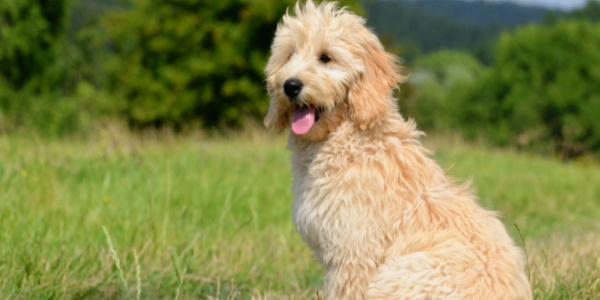
    Goldendoodles are a cross between a purebred Golden Retriever and a Poodle. They are a highly intelligent, loving, and loyal breed that sheds way less than a purebred Golden Retriever. This gentle and affectionate breed started gaining popularity following breed development in the 1990s. 

    Relative to other designer breeds, it is still regarded as a young cross. Goldendoodles are very social and would interact well with everyone. They would do well in both country and city settings. However, apartment living might not suit them. Rather, they do better in an enclosed space like a fenced yard. 

    They also shouldn’t be kept in kennels as they thrive with human contact. 

    Here’s a table that details their attributes:

    Height17-21+ inches 
    Weight50-90 pounds 
    Life Span10-15 years 
    Breed Size Large (61-100 lbs.)
    Good WithChildren, Families, Dogs, Cats
    Temperament Friendly, Gentle, Playful, Outgoing
    Intelligence High
    Shedding Volume Infrequent 
    Exercise Requirements Medium 
    Energy Levels Active
    Drool Amount Low
    Bark Level When Necessary 
    Coat Length/ Texture Medium, Curly
    Breed Group Hybrid
    Colors Black, Gray, Blue, Red, White, Gold, Fawn, Brown/Chocolate/Liver, Gold/Yellow
    Patterns Brindle, Bicolor, Black, Tan, and Merle 

    They also have other traits such as the fact that they are easy to train, are excellent for first-time pet owners, are great hiking buddies, require a great deal of grooming, are strongly loyal, and they may require a significant amount of grooming.

    They have a very affectionate nature and are hypoallergenic. The hypoallergenic feature makes them great for people who typically react to allergens. Goldendoodles come in a large standard size as well as a smaller, miniature size. 

    They make for great emotional support animals and enjoy spending time in the great outdoors. You can achieve this by taking walks or playing outdoors. This helps to cover their physical needs. 

    Conclusion 

    A Goldendoodle is the perfect canine companion for both individuals and families.

  • Small, Medium, or Large Breed Dog?

    Small, Medium, or Large Breed Dog?

    The resolution to have a dog should come after a phase of thorough decision making, careful planning, and the assurance that you have the necessary means to make your pet comfortable and happy. 

    One major thing to decide upon before finally going to the pet store is the size of the dog that you want. Size is important because it determines a lot of things, such as how much food your dog will consume, how easy it would be to transport them from place to place, and how much space they will need. 

    Here are a number of factors to put into consideration when determining what breed of dog to get with respect to size:

    Family

    The size of your family, as well as the age range of the members of your family, go a long way in determining what kind of dog to get. For example, if you have little kids, you should get small dogs, such as a Dachshund or a Papillon. If you have teenagers, you might want to consider getting a much larger dog, such as a Boxer. 

    Indoor and Outdoor Space

    You should consider the amount of space you have within and without your house while getting a dog. Smaller dogs can live comfortably within apartments with little outdoor space, however, bigger houses might be better for bigger dogs as they need lots of space. 

    Lifestyle

    What exactly do you want from your dog? Do you need a cuddle buddy -Chihuahua or Pug- or perhaps, a security dog -Bullmastiff or Rottweiler? Your pet needs should influence the size of the dog you get. 

    Maintenance Costs

    This is probably the most important factor to consider. Expenses on food and treats, leash and harness, crate, and medicals are more expensive for larger dogs than they are for smaller dogs. If your monthly income is not exactly huge, you might want to get a smaller dog to avoid getting overwhelmed by costs. 

    On a final note, you should keep in mind that the size of a dog does not dictate its personality. There are small dogs that are full of energy, and large dogs that are just big couch potatoes. Either way, ensure you opt for a breed size that works just great for you!