Tag: dog

  • August is National Dog Month: Celebrate with Tail-Wagging Fun!

    August is National Dog Month: Celebrate with Tail-Wagging Fun!

    Get ready to unleash the fun because August is officially National Dog Month! This pawsome celebration is all about honoring our furry best friends and giving them the love and attention they deserve. It’s time to throw on your party hats, grab some treats, and make this month a howling good time for your pup. Here’s how to make National Dog Month the best one yet!

    Celebrate with Style

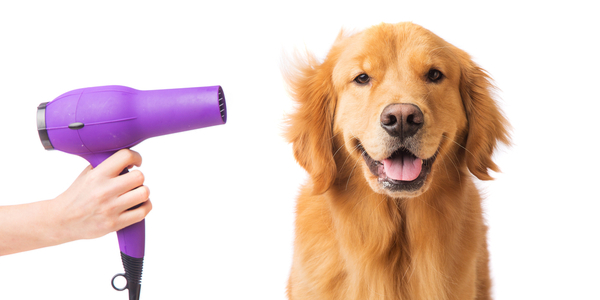
    1. Pamper Your Pup Spoil your dog with a little extra something special. How about a new squeaky toy, a cozy bed, or some tasty treats? Maybe even a fancy doggy spa day? Show your furry friend just how much they mean to you with some extra love and indulgence!
    2. Play More, Wag More August is the perfect time to amp up the fun! Plan extra playdates, long walks, and games of fetch. Explore new trails, have a picnic in the park, or play a game of hide and seek. More play means more tail wags, and who doesn’t love that?
    3. Host a Doggy Bash Why not throw a dog-friendly party? Invite your friends and their pups for a doggy playdate, complete with treats, toys, and maybe even a doggie obstacle course. It’s a great way to celebrate with others who share your love for dogs.
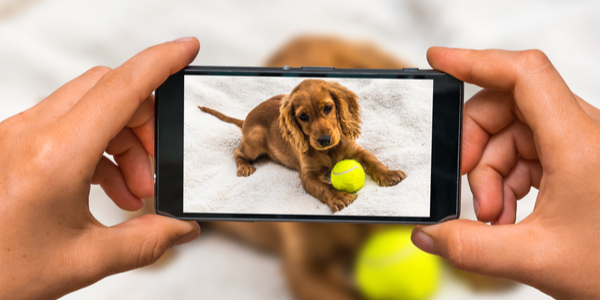
    4. Share the Fun Snap and share adorable photos and videos of your dog enjoying their special month. Post them on social media with hashtags like #NationalDogMonth. Join the fun and see how other pups are celebrating, too!
    5. Pawsome Adventures Try something new with your dog. How about doggy yoga, agility training, or even a dog-friendly road trip? New experiences mean new memories, and your dog will love the extra adventure!
    6. Spread the Love Share your dog’s awesomeness with the world! Tell your friends and family about National Dog Month and encourage them to celebrate their own furry pals. The more, the merrier!

    Why Dogs Rock

    Dogs are the ultimate happiness boosters, always ready to wag their tails and offer unconditional love. They brighten our days with their playful antics and loyal companionship. National Dog Month is all about celebrating these wonderful furballs and making sure they know just how much they are loved.

    So, this August, make every day a celebration of your dog’s awesomeness. With extra treats, fun activities, and lots of belly rubs, you’ll be sure to make National Dog Month an unforgettable experience for both you and your furry friend. Let’s get out there and have a tail-wagging, fun-filled month!
  • How to Know if a Dog Is Urine Marking or Peeing in the House?

    Understanding the difference between urine marking and house soiling (peeing) is crucial for dog owners. Both behaviors involve your dog urinating inside the house, but they stem from different motivations and require different solutions. This blog will delve into the signs of each behavior, the reasons behind them, and how to address these issues effectively.

    Understanding Urine Marking

    Urine marking is a behavior where a dog releases small amounts of urine in various locations. This behavior is more common in unneutered males but can also occur in neutered males and females. It is often linked to territorial behavior, stress, or changes in the dog’s environment.

    Signs of Urine Marking:

    1. Small Amounts of Urine: When dogs mark, they typically release only a small amount of urine, unlike the larger puddles associated with house soiling.
    2. Frequent Marking: Dogs that mark will often do so frequently, hitting several spots in a short period.
    3. Vertical Surfaces: Dogs usually mark on vertical surfaces like walls, furniture, and door frames, as these areas are more effective for leaving their scent.
    4. New Items: New objects brought into the house, such as furniture or groceries, might become targets for urine marking as the dog attempts to establish their scent on these new items.
    5. Signs of Territory: If your dog is marking due to territorial reasons, the behavior might increase when new animals or people enter their space.

    Causes of Urine Marking:

    1. Territorial Behavior: Dogs use urine to mark their territory and communicate with other dogs. This is particularly common in unneutered males.
    2. Social Triggers: The presence of other animals, particularly other dogs, can trigger marking as a way to establish dominance or react to perceived threats.
    3. Changes in Environment: Moving to a new home, changes in household members, or even redecorating can cause a dog to start marking.
    4. Stress and Anxiety: Dogs may mark when they are stressed or anxious, often as a response to significant changes in their environment.

    Understanding House Soiling

    House soiling, or inappropriate urination, is when a dog pees in the house for reasons other than marking. This behavior is often due to medical, behavioral, or training issues and typically involves larger amounts of urine than marking.

    Signs of House Soiling:

    1. Large Puddles: Unlike marking, house soiling usually involves a larger quantity of urine, resulting in noticeable puddles.
    2. Frequent Accidents: Dogs that are house soiling may have frequent accidents, often in the same area.
    3. Horizontal Surfaces: House soiling tends to occur on horizontal surfaces like floors, carpets, and bedding.
    4. Behavioral Cues: The dog may show signs of needing to pee, such as whining, scratching at the door, or circling before urinating.

    Causes of House Soiling:

    1. Medical Issues: Conditions such as urinary tract infections, bladder stones, diabetes, and kidney disease can cause frequent urination and house soiling.
    2. Incomplete House Training: Puppies and newly adopted dogs might not be fully house trained and can have accidents as they learn.
    3. Age-Related Problems: Senior dogs may develop incontinence or cognitive dysfunction that leads to house soiling.
    4. Behavioral Issues: Anxiety, fear, and phobias can lead to house soiling. For example, a dog might urinate indoors due to separation anxiety or fear of loud noises.

    How to Determine if Your Dog Is Marking or House Soiling

    To determine whether your dog is urine marking or house soiling, consider the following factors:

    1. Amount and Location of Urine:
    1. Small amounts on vertical surfaces suggest marking.
    2. Larger puddles on horizontal surfaces suggest house soiling.
    3. Frequency and Triggers:
    1. Frequent urination in different spots can indicate marking.
    2. Urination after showing signs of needing to go or at specific times (like after drinking water) suggests house soiling.
    3. Behavioral Context:
    1. Marking often coincides with territorial or social triggers.
    2. House soiling may be associated with medical issues, incomplete training, or specific stressors.

    Addressing Urine Marking

    1. Neutering/Spaying:
    2. Neutering male dogs and spaying female dogs can reduce marking behaviors significantly.
    3. Reduce Exposure to Triggers:
    4. Minimize your dog’s exposure to other animals and new objects that might trigger marking.
    5. Behavioral Training:
    6. Reinforce training to reduce marking behaviors, using positive reinforcement to encourage proper behavior.
    7. Clean Marked Areas Thoroughly:
    8. Use enzymatic cleaners to remove urine odor completely and discourage repeat marking.
    9. Create a Safe Environment:
    10. Provide a calm and stable environment to reduce stress and anxiety that might lead to marking.

    Addressing House Soiling

    1. Consult a Veterinarian:
    2. If you suspect a medical issue, consult your veterinarian for a thorough check-up.
    3. Revisit House Training:
    4. Reinforce house training techniques, using a consistent routine and positive reinforcement.
    5. Manage Age-Related Issues:
    6. For senior dogs, consider solutions like doggy diapers, more frequent bathroom breaks, and veterinary care for incontinence.
    7. Address Behavioral Problems:
    8. Work with a professional trainer or behaviorist to address anxiety or other behavioral issues.
    9. Provide Regular Bathroom Breaks:
    10. Ensure your dog has regular opportunities to relieve themselves outside, especially after eating, drinking, and waking up.

    Conclusion

    Understanding whether your dog is urine marking or peeing in the house is crucial for addressing the behavior effectively. By identifying the signs, understanding the causes, and implementing appropriate solutions, you can help your dog feel more comfortable and maintain a clean and happy home. Always consult with a veterinarian or professional trainer if you have concerns about your dog’s behavior, and remember that patience and consistency are key to resolving these issues.

  • This is Why You Need a Miniature Dachshund!

    This is Why You Need a Miniature Dachshund!

    Daschunds can be traced all the way back to the Middle Ages. Their name is derived from two German words ‘dach’ meaning ‘badger’ and ‘hund’ meaning ‘dog’. 

    They were great hunting dogs with their keen sense of smell allowing them to hunt both above and below ground, tracking animal scents for extended periods. 

    Over the years, different sizes emerged and in the U.S., there are three main sizes: the Normal, Miniature, and Toy. 

    Overview of Mini Daschund 

    • Common coat colors: chocolate, blue, tan, black & tan
    • Coat types: long-haired, wire-haired, smooth hair 
    • Average weight: 4kg to 5kg
    • Life expectancy: 12 to 15 years
    • Sociability: medium

    Exercise 

    A miniature Daschund requires around 30 to 45 minutes of exercise daily. This breed has a lot of energy in spite of their seemingly little frame, and as a result, requires quite a bit of activity to tire them out. Keeping them in a secure environment where they can run off leash is one sure way to keep them healthy and happy. Ensure that they do not have occasion to jump a lot such as over holes and streams because dachshunds may experience back damage easily. 

    Diet

    A diet with sufficient basic nutrients as well as vitamins and minerals is a requirement for your miniature Dachshund. You should typically explore dog food formulated for small breeds to ensure that they get their required nutrition. For pups, 3 to 4 small servings during the day would suffice rather than two major meals. As your pup grows older, you could limit them to two major meals. 

    Training 

    Training miniature dachshunds may take a little while because they are quirky and require a lot of patience when being trained. They have an affinity for responding to rewards and good feedback. They may also get distracted very easily when they see something that really interests them. 

    Conclusion 

    Mini Dachshunds are a family-friendly breed that adapt as well to houses as they do apartments. They also work well for single individuals.

  • Picking the Best Food for Your Furry Friend

    Picking the Best Food for Your Furry Friend

    There is a range of food types that are generally well suited to be eaten by dogs. Wet food diets, kibble, organic, holistic food, and a range of others. However, the best type of food for your dog greatly depends on what would be the healthiest choice for them. 

    In other words, high-quality food is one that has nutrient components that are required by your dog based on their breed and age or stage in life. Usually, the best way to pick a great diet for your dog is to talk to a nutritionist or veterinarian.

    They are in the best position to make recommendations based on the needs of your pup, and they would be able to highlight the nutrients that are essential at that point in time. They can also help you avoid foods that could induce allergic reactions in your pet since your veterinarian has your pup’s health records. 

    In addition to consulting with experts, here are some tips that can help you along in the decision-making process: 

    • Learn about the constituents of dog food so that you know what to look out for 
    • Read labels and ingredients 
    • Note the grain and gluten constituent of the food
    • Check the by-products used in making the food, if any, and ensure that they are healthy for your pup
    • Keep an eye out for adequacy, it would typically read “this food is complete and balanced for all life stages”
    • Read up on information provided about the trial feeding stage 
    • Check out the analysis of nutrients provided on the label of the food
    • As a reminder, consult with your veterinarian 

    Conclusion 

    Your dog’s food goes a long way in determining so much in their lives ranging from development to remaining in proper health. As such, you should pay close attention. 

  • Involving Your Pup in Summer Activities

    Involving Your Pup in Summer Activities

    Summer is a beautiful time to be outdoors and you would typically be up to a whole lot of fun stuff. Your pup would definitely appreciate being included in all of these fun activities, and here are some that they would especially love:

    Pool Parties 

    Summer heralds hot months and a lot of time spent in the pool, and Winter would no doubt love to splash around too. You can picture his tongue hanging out the side of his mouth and then the characteristic wiggle that splashes water all over you. If you can picture it, then you should definitely do it!

    Backyard BBQs 

    The lingering smell of meat in the air and the occasional treats you toss which are expertly caught by Winter. This is definitely a dream event by all standards; their favorite person in the world and treats! 

    Picnics in the Garden 

    You can enjoy the warm sunshine, some very cool lemonade, and pastries with the butterflies all fluttering around. This sounds like a dream paradise and definitely one you shouldn’t enjoy alone. Your pup would have a lot of fun and probably get some exercise from chasing butterflies.

    Cozy Dinners 

    Cozy dinners on the patio in the cooling evening sound like a wonderful idea. You can take in the night air and sounds and you can be certain that Winter would enjoy the calm, laying at your feet. This is an awesome doggo-human moment and definitely one that you would remember for a long time to come.

    Hikes 

    Going on a hike? Be sure to bring your furry companion along. Nobody loves the outdoors and its sounds as much as they do. 

    Conclusion 

    Looking to make great memories this summer? Involve your pup and they become even better.

  • Summertime is the Best Time for Puppy Photos

    Summertime is the Best Time for Puppy Photos

    Summer means the warmer months and of course, spending lots of time outdoors. Since most places are accessible and open in summer, you can definitely find a lot of picturesque backgrounds to use for pictures. Here are some of the best places for puppy pictures that you can explore: 

    The Beach 

    The beach offers the dual perk of having a great time and taking beautiful pictures too. Following a couple of hours of running around the beach with your pup and playing in the water, well, it’s picture time! You could explore a couple of picture ideas like putting a mini hat on your pet’s head or having them stretched out on a beach chair. 

    The Mountains 

    The mountains offer an amazing, picturesque background for pictures. It’s like being on top of the world, and the rest of the earth is just at your feet. This is definitely one place to take majestic pictures of your pet. 

    The Fields 

    Fields with wildflowers and rich soil could be great for a photo op. It would be like being cast into nature and if your pet is very playful, you could capture pictures of them in action. There is an off chance that a butterfly might rest on its nose, so, have your camera ready. 

    Sunsets

    Sunsets are never a bad idea for pictures. If anything, they make for a soft, beautiful, and calming background. Sunsets provide that incredible feeling in pictures that no other background can beat. So, in addition to enjoying a beautiful sunset, you get to keep a memory from it. 

    Conclusion 

    There are no doubt many backgrounds for photographing your pup, but these four definitely top the list. 

  • What is a Professional Regulated Breeder?

    What is a Professional Regulated Breeder?

    When you get a healthy and well-adjusted pup that requires little in the way of training, then quite a bit of work has gone behind the scenes. This is often the work of a professional regulated breeder. 

    A professional regulated breeder refers to an individual or a set of individuals who handle the breeding process amongst others, for 5 or more dogs over the span of 4 months. This basically describes the overall job description, however, a lot more goes into this process. 

    First off, a healthy, properly adjusted and socialized pup would need to be raised in a hygienic and friendly environment. This is because their background or the nature of where they were raised goes a long way in impacting their eventual behavior. 

    Professional regulated breeders, who often work with no days off, are highly committed and dedicated and must give adequate love and care to their wards. Therefore, they play a key role in the molding process of your future pup. 

    They also ensure that pets get adequate exercise and are socialized properly which, of course, is a no-brainer when dealing with a pup. The way they are socialized impacts how well they get along with other dog breeds as well as other humans.

    Dogs that are not properly socialized would be unable to behave appropriately in public and may act out as a result. Professional regulated breeders typically handle this aspect to ensure that you get the pet of your dreams. 

    Conclusion 

    In the early stages of development, what your pup picks up could stay with them till adulthood. This is why the jobs of professional regulated breeders cannot be underestimated. 

  • Petland’s Top 5 Small Breed Dogs

    Petland’s Top 5 Small Breed Dogs

    Small breeds are much beloved because of a range of factors including ease of care, the fact that they fit in small apartments, and very essential, they can go just about anywhere with you. If you are wondering what breed to go for yourself, here is Petland’s top 5 small breeds of dogs: 

    Maltese

    The Maltese is one of the most common breeds of small dogs and comes with its characteristic soft and silky white coat. This breed is well known for its loyalty and is also very playful and full of energy. They are a very brave breed and were a rave back in the day when the Roman Empire still stood. 

    Yorkshire Terrier

    Commonly known as the “Yorkie”, this popular dog breed is highly intelligent and takes to training easily. They are energetic and brave and require only moderate exercise. They have also been used as therapy dogs at some point in history, specifically during World War II. 

    Miniature Dachshund

    The miniature Dachshund is well-loved because of its amusing, yet adorable looks. They are very loyal, fierce protectors, and active. Their short coat requires only minimum grooming and she’d very infrequently. Given their part terrier and part hound roots, they can be feisty on occasion. 

    Shih Tzu

    Shih Tzu’s bright eyes and tiny face can be regarded as their main selling point. In addition to this, they have flowing hair which you can tie up in a knot to keep out of their eyes and you can maintain a short coat as well. A fun fact to note is that they were the major breed that Chinese emperors owned. 

    Pomeranian

    The Pomeranian has a fox-like appearance and a beautiful fluffy coat. They relate well with other breeds and are hugely intelligent and cheerful. They make for excellent watchdogs and can be taught a trick or two with time. They shed regularly and require frequent grooming. 

    Conclusion 

    If you’re looking for a small dog breed, then you can opt for any of the options mentioned. They are excellent breeds and you would fall in love with them in no time.

  • How To Keep Up With Your Pup Between Grooms

    How To Keep Up With Your Pup Between Grooms

    Every four to six is the ideal time after which a visit to the vet or a professional groomer is necessary. However, during this period, maintaining your dog’s grooming is a key part of providing care. 

    If you struggle with consistency or you don’t want to forget, you can always create a schedule to keep on track. 

    Once your schedule is up, here are three common grooming activities that you can carry out: 

    Baths 

    Lucky if your pet loves water. If they don’t, they would still need to take baths anyway. Baths can be pretty relaxing and they keep your dog from stinking up the entire place. 

    Using a dog soap recommended by the vet is ideal because they are generally less harsh and friendly on dog skin. 

    Remember to wash the paws, inside the ears, and generally wash all of the hard-to-reach places. 

    Nail Trims 

    If you don’t want nail marks all over your clothing or claw tracks on the rug, then take nail trims very seriously. 

    One point to note however is that you should always leave some allowance, don’t cut all the way down. 

    This way, you can avoid mistakenly causing injury to your beloved pet. Remember that you can give your pet treats for being a good boy/girl during the nail trim. 

    Brushing Sessions 

    Looking to avoid matted fur? This is the best go-to grooming option. Brushing sessions are especially important if your pet has a lot of fur and sheds significantly. 

    You can arrest the shedding ahead of time, and keep their coat smooth and shiny. After brushing, you can spray them with delicious scenting dog sprays that you can get from Petland stores. 

    You can Max smelling like a peach if you want. 

    Conclusion 

    Just like humans, constant grooming is what gets your pet smelling and looking like a million dollars! 

  • Springtime Makes for the Perfect Fur Baby Photo!

    Springtime Makes for the Perfect Fur Baby Photo!

    Spring brings the flowers to bloom and the greenery back to life, and it’s no doubt one of your pup’s favorite seasons. Lots of time to be spent in the great outdoors and what’s more, the weather is getting warm too. 

    For a bit of fun this spring, one trend you can consider is playing dress up! Picture dressing your fur baby in a nice, smart plaid shirt and maybe wearing one to match too! You could have loads of fun like organizing photo shoots, maybe a party or two too! 

    Many people love to play dress up with their dogs and post photos on social media, and this definitely makes for an excellent idea. For starters, it is a great way to share the moment and cute pictures with the rest of the world via the internet. 

    In addition, posting on platforms like Instagram allows you to save pictures on there for as long as you want and you can use it as a form of album or cloud storage for Max’s pictures. In the years to come, you could easily access the images from your smart device and recall the enchanting memories that you created that day. 

    There are quite a number of dogs on Instagram, some even having their own accounts and in collaboration with their partners, may work as influencers. They commonly have pictures of them taken, for instance, there’s @magnusthetherapy dog on Instagram. You would commonly find him posing with his owner in various getups, even a chef’s cap!

    Also, @barked, a community for dogs on Instagram commonly posts up cute photos of different dog breeds. It should be no surprise to find a dog all suited up complete with a tie. What more are you waiting for? Get to creating memories!

    Conclusion 

    A well dressed dog gets compliments and pats from all and sundry. Give your pet the chance to be a hotshot dresser this spring!