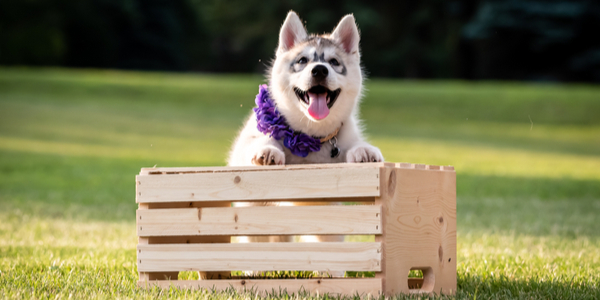
Bringing a puppy into your life is like welcoming a furry little tornado of joy, energy, and endless cuteness. But let’s be real—along with the cuddles and wagging tails comes the job of training. The good news? Training your puppy doesn’t have to be a chore! In fact, it can be a super fun adventure that’ll not only shape your puppy into a well-behaved superstar but also strengthen the bond between the two of you. Ready to dive in? Let’s go!

1. Start Early – Puppy Power Hour!
The best time to start training your puppy is right when they step paw into your home. Puppies are like little sponges, absorbing everything around them. Starting early means you’ll be able to teach them basic commands like “sit,” “stay,” and “come” before they even learn how to chew on your favorite shoes (don’t worry, we’ve got tips for that, too).
Tip: Keep training sessions short and sweet! Puppies have attention spans the size of a peanut, so aim for fun, 5–10 minute bursts of learning. Think of it as a training snack, not a full meal!
2. Positive Reinforcement – Treats, Praise, and Belly Rubs!
Who doesn’t love a good treat or a round of applause? Puppies do, too! Positive reinforcement is the secret ingredient to making training fun and effective. When your puppy does something right, reward them with a tasty treat, lots of praise, or a fun toy. This helps them connect the dots between good behavior and rewards.
Tip: Keep some high-value treats (hello, little bits of chicken or cheese!) on hand to really motivate your pup. Trust us, they’ll be working hard for those tasty morsels! 🧀🍗
3. House Training – Patience and Potty Time
House training might feel like a never-ending game of hide-and-seek (with a little potty action thrown in), but with consistency and a regular schedule, your pup will get it! Take your puppy outside every few hours, especially after meals, naps, and playtime. And when they go potty outside, it’s time to party! Celebrate their success with a big ol’ happy dance and lots of praise.
Tip: Crate training is your BFF here. Puppies tend to avoid soiling their sleeping area, so the crate can help them learn to hold it until they’re let outside. Plus, it doubles as a cozy nap spot!
4. Socialization – Meet the World, One Paw at a Time
A well-socialized puppy is a confident, happy puppy. Socialization is all about introducing your pup to different environments, people, and other dogs in a safe, positive way. Puppy playdates, trips to the park, or even a visit to a dog-friendly store can help your puppy become a well-adjusted little social butterfly.
Tip: Don’t rush it—take baby steps and let your puppy explore at their own pace. Soon, they’ll be ready to tackle the world with wagging tails and happy paws!
5. Set Boundaries – Who’s the Boss? Spoiler: It’s You!
Setting clear boundaries from the start is key to teaching your puppy how to be a good citizen in your home. Whether it’s not jumping on people, staying off the couch, or learning to settle down in their bed, consistency is everything. Be firm but fair, and your puppy will learn to respect the rules of the house.
Tip: Use the “no” command in a gentle, firm tone (no yelling!). And remember, redirection is your secret weapon—when your puppy does something you don’t like, gently show them what you do want them to do instead.
6. Basic Commands – Sit, Stay, and High-Fives!
Teaching basic commands like “sit,” “stay,” “come,” and “down” isn’t just about making your puppy look cute (though they will). It’s about keeping them safe and building a solid foundation for more advanced training later on. Plus, nothing feels better than showing off your puppy’s new skills!
Tip: Start with easy commands like “sit” and reward immediately. As your puppy nails the basics, you can add more complex tricks like “roll over” or “shake.” Who doesn’t love a pup who can high-five?
7. Patience – The Ultimate Training Tool
Training a puppy is a journey, not a race. There will be times when they make mistakes (like chewing on your shoes instead of their toys), and that’s okay! The key is patience and consistency. If you stay calm and persistent, your puppy will eventually get it. Remember, they’re learning just like you are!
Tip: Keep your sense of humor handy. When your puppy takes a detour into mischief (because they will), laugh it off, redirect, and keep the training fun and positive.