Tag: puppies

  • Summer Snacks to Make for Your Dog!

    Summer Snacks to Make for Your Dog!

    Summer months imply that you would be spending a lot of time indoors and avoiding the heat in the great outdoors. With so much time on your hands, why not embark on an incredible treat-making adventure. You would definitely have fun making them and your fur baby would no doubt have a great time helping out (trying to sneak a bite). 

    Here are some treats that you can explore:

    Peanut Butter Dog Doughnuts 

    This homemade dog donut is easy to make and very delicious too. The ingredients are within reach and there is no special process involved. Here are the necessary ingredients: 

    • 1 Cup Oats
    • 1 Cup flour
    • ½ Cup peanut butter
    • ⅓ Coconut oil
    • Plain Greek Yogurt
    • 2 Eggs
    • Bacon Bits

    Apple and Chicken Pup Pops

    Think about popsicles, but for dogs. Your pup is sure to enjoy this refreshing treat just as much as kids love popsicles in summer. Here are the necessary ingredients: 

    • ½ Cup water
    • ½ Cup unsalted chicken broth
    • 1 Gala apple

    You could use raw porkhide sticks, however, it is more ideal to use Enzy-Chews. They have the extra perk of tartar control and they are easier to digest as well. 

    Yogurt Peanut Butter Banana 

    This is one of the most simple and straightforward treats for summer, and your pup is bound to love it. Here are the necessary ingredients: 

    • 3 Tablespoons of peanut butter (confirm that the brand you are opting for doesn’t have any xylitol)
    • 1 large banana sliced 
    • 32 ounces plain yogurt (yogurt is an excellent source of calcium and double as a probiotic). 

    Ensure that you do not add any artificial sweetener particularly those that have xylitol as a component because of its toxicity. 

    Conclusion 

    These are some great treat ideas for your pet. In addition, ensure that your pet has access to water always so that they can stay hydrated.


  • This is Why You Need a Miniature Dachshund!

    This is Why You Need a Miniature Dachshund!

    Daschunds can be traced all the way back to the Middle Ages. Their name is derived from two German words ‘dach’ meaning ‘badger’ and ‘hund’ meaning ‘dog’. 

    They were great hunting dogs with their keen sense of smell allowing them to hunt both above and below ground, tracking animal scents for extended periods. 

    Over the years, different sizes emerged and in the U.S., there are three main sizes: the Normal, Miniature, and Toy. 

    Overview of Mini Daschund 

    • Common coat colors: chocolate, blue, tan, black & tan
    • Coat types: long-haired, wire-haired, smooth hair 
    • Average weight: 4kg to 5kg
    • Life expectancy: 12 to 15 years
    • Sociability: medium

    Exercise 

    A miniature Daschund requires around 30 to 45 minutes of exercise daily. This breed has a lot of energy in spite of their seemingly little frame, and as a result, requires quite a bit of activity to tire them out. Keeping them in a secure environment where they can run off leash is one sure way to keep them healthy and happy. Ensure that they do not have occasion to jump a lot such as over holes and streams because dachshunds may experience back damage easily. 

    Diet

    A diet with sufficient basic nutrients as well as vitamins and minerals is a requirement for your miniature Dachshund. You should typically explore dog food formulated for small breeds to ensure that they get their required nutrition. For pups, 3 to 4 small servings during the day would suffice rather than two major meals. As your pup grows older, you could limit them to two major meals. 

    Training 

    Training miniature dachshunds may take a little while because they are quirky and require a lot of patience when being trained. They have an affinity for responding to rewards and good feedback. They may also get distracted very easily when they see something that really interests them. 

    Conclusion 

    Mini Dachshunds are a family-friendly breed that adapt as well to houses as they do apartments. They also work well for single individuals.

  • Is Your Pup Going On Vacation With You?

    Is Your Pup Going On Vacation With You?

    You’re going on vacation and bringing your pup along? Amazing! Going to vacation destinations with your pet is no doubt one of the most incredible experiences that you could ever have together. If you are still at a loss of activities to do, here are couple of ideas that you could explore: 

    Sightseeing 

    This should be at the top of your list, especially if it’s a vacation location with a lot of incredible sights. You can be sure that Liz would enjoy the sights just as much as you would. Be sure to go slow enough so that she can take in all of the new and exciting smells as well. 

    Beach Time 

    Locate a dog-friendly beach and by all means, have a swell time taking in the sights and sounds too. Be sure to keep her on a leash so that she doesn’t wander off, and of course, allow for freedom to dig in the sand and play with the waves. You could also do some sunbathing while you are at it, and both pup and human can have an amazing time together. 

    Picnic Time

    In the spirit of some more sightseeing and generally enjoying the beautiful nature all around, you could grab a towel and a basket and head out for a picnic with your pup. Find a nice spot in the park or some greenery and spread out all of the goodies. Be sure to come along with lots of water especially if it’s a hot day, and maybe give Liz a bit of freedom to chase some butterflies. 

    Also, plan well ahead of time so that you can book a hotel that is pet-friendly and carry out necessary vaccinations for your pet before embarking on the trip.

    Conclusion 

    A vacation is as exciting for you as it is for your pup. Ensure that you both have a fun-filled experience.

  • How Important is Having an ID Tag On Your Dog?

    How Important is Having an ID Tag On Your Dog?

    Having your dog wear an ID tag is essential. This measure serves as a major precaution in the event that your pet wanders off.  An ID tag not only supplies details about your pet such as their name, it also provides valuable information about you, their owner, and how to contact you.  So, to ensure that the ID is indeed effective, here are some tips to help:

    Keep the Information Updated 

    Information on your dog’s ID tag is only as useful as can be when it is up to date.  So, if you recently relocated or changed your phone number, be sure to go right ahead and update this information on your pet’s ID.  If you move often, then you should set up reminders that would help you recall. 

    Choose One That Works for You 

    Dog tag IDs come in a range of sizes, shapes, colors, and types. There are some that are simply handwritten and slipped into a plastic, waterproof case. There are GPS versions that allow for easy tracking; some are silent while others may jingle.  There are others that are extra strong and durable, specifically for breeds that may try to destroy their tags. Overall, be sure to opt for one that does the job and works for you.

    Examine Tags Periodically 

    There is a good chance that your dog’s tag may have taken some damage at some point in time or perhaps, the written information is no longer so clear. This is why it is essential to check in periodically and confirm that it still works just fine. You should do this at regular intervals. 

    Conclusion 

    Dog ID tags are a standard precaution to keep your pet safe and ups your chances of recovering your pet in the unfortunate event of them getting lost. 

  • Petland’s Top 5 Designer Breed Dogs for 2022

    Petland’s Top 5 Designer Breed Dogs for 2022

    Designer breeds have been around for quite some time now and have fast become favorites among dog lovers. In addition to the fact that a good number of them are hypoallergenic, they also possess exclusive excellent features from their parents. Here are the top 5 designer breeds ranked by Petland:

    Cockapoo

    The cockapoo has a Cocker Spaniel and a Poodle parents and their original breeding can be traced to the 1960s. They are a very loving breed and an incredible family dog. They respond well to training, and can be easily socialized. 

    Labradoodle

    This breed is a mix of a Labrador Retriever and a Poodle. They are very playful and have lots of energy. Their cross can be traced back to the 1980s and their hypoallergenic status makes them a major favorite. 

    Goldendoodle

    The goldendoodle’s cross can be traced to around the 1990s. They are a cross between the golden retriever and poodle. They are very loving dogs who are easy to train and do well when exposed to lots of exercise and attention. 

    Yorkie poo

    This breed is the result of a cross between a Yorkshire terrier and a Toy or Miniature Poodle. They are family-friendly dogs and are highly intelligent and playful. They may tend to bark a lot, and this would have to be curbed early on. They weigh around 8 to 15 pounds making them good for apartment living too. 

    Cavachon

    With a Bichon Frize and a Cavalier King Charles Spaniel parents, it’s no surprise that this breed is very playful. They also boast great qualities such as intelligence and loyalty and relate well with other pets and kids. They have medium energy levels and only require moderate exercise as well as grooming to keep them in top shape. 

    Conclusion 

    Designer breeds have a lot of excellent qualities that may give them an edge over pure breeds. One of these is their hypoallergenic status. So, if you want to go down this path, these five breeds are an excellent array to pick from. 

  • Camping With Your Dogs

    Camping With Your Dogs

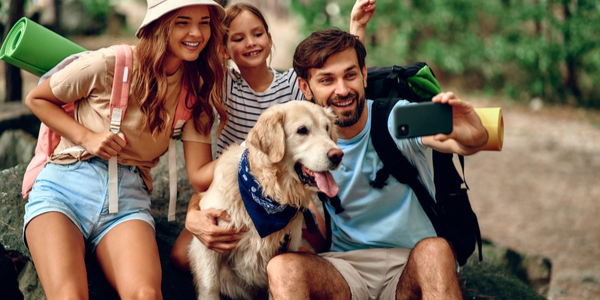
    One of the most exciting experiences that any pup can experience is camping. In addition to the fact that they are with their favorite human, they are also surrounded by new sights and smells, so much to explore! 

    A very vital aspect to ensure before going camping is that their vaccinations are up to date. If you aren’t certain, then be sure to pay a visit to the vet. 

    To enjoy a great camping experience without hitches, here’s a checklist to help:

    • Prepare ahead 
    • Keep your dog secure at all times 
    • Ensure your dog is never left unattended 
    • Keep an eye out for wildlife 
    • Observe in case of any allergies 
    • Bring along a lot of water 
    • Use appropriate gear 
    • Do a test run 
    • Have an up-to-date picture of your dog 
    • Bring a first aid kit along 

    Since you’re taking your dog camping, then you should plan fun activities ahead of time. This would be judicious use of the time and you can both make memories. Some dog-friendly activities that you can explore while camping include: 

    • Hiking the trails present 
    • Boating or kayaking 
    • A picnic 
    • A visit to the beach 
    • Lots outdoor games 

    It is important to find out beforehand whether the places that you would be visiting are dog-friendly. This is because certain establishments would not allow your fur baby in. For private trails, national parks, beaches, dining, and shopping centers, you would have to confirm that they allow pets. 

    Also, take note of the leash laws wherever you are and when going on walks, bring along enough water and a leash. A dog waste bag is essential too. 

    Conclusion 

    If you want to have a beautiful camping experience, then it is important to ensure that you have planned ahead adequately. 

  • Preparing Your Dog for the Hot Summer Months Ahead

    Preparing Your Dog for the Hot Summer Months Ahead

    Summer months are only around the corner. It is important this time of year to prepare your dog for the summer heat. Here are three tips to keep your dog cool and comfortable this summer: 

    Prepare Their Coat for Summer 

    Your pet’s fur coat helps them stay warm in winter and cool in summer. Your dog will grow a heavier coat in winter months and shed it in the spring season to develop a lighter coat for summer.

    Help keep your pet cool in the summer by trimming their coat. It is advisable to go with a professional trimmer, so you don’t end up cutting it too short. 

    A low trim could also help identify any skin infections or telling symptoms. 

    Prepare the Garden for Summer 

    If your pup loves to spend a lot of time outdoors, then you should consider creating a great space for them. You could create shade using a screen, umbrella or putting up a tarp. 

    Wet mats or towels during the hottest parts of the day to use with your pet. You can also find colling mats at some local pet stores. If you already have ice packs in your freezer, you can sandwich the packs between light blankets or towels to create a refreshing mat for your dog.

    Hydrate!

    This is good advice for you and applies to your pet too. Puppies usually require water more frequently because they are more active and their bodies are unable to regulate well. 

    The hot temperatures could cause dehydration and it is important to ensure that the water remains cool too. You could do this by adding ice to the water bowl as well as filling a clamshell or paddling pool with cool water. 

    Conclusion 

    If you are going to have a seamless summer with your pup, then you need to prepare. These tips are vital ones that you can follow.

  • What is a Professional Regulated Breeder?

    What is a Professional Regulated Breeder?

    When you get a healthy and well-adjusted pup that requires little in the way of training, then quite a bit of work has gone behind the scenes. This is often the work of a professional regulated breeder. 

    A professional regulated breeder refers to an individual or a set of individuals who handle the breeding process amongst others, for 5 or more dogs over the span of 4 months. This basically describes the overall job description, however, a lot more goes into this process. 

    First off, a healthy, properly adjusted and socialized pup would need to be raised in a hygienic and friendly environment. This is because their background or the nature of where they were raised goes a long way in impacting their eventual behavior. 

    Professional regulated breeders, who often work with no days off, are highly committed and dedicated and must give adequate love and care to their wards. Therefore, they play a key role in the molding process of your future pup. 

    They also ensure that pets get adequate exercise and are socialized properly which, of course, is a no-brainer when dealing with a pup. The way they are socialized impacts how well they get along with other dog breeds as well as other humans.

    Dogs that are not properly socialized would be unable to behave appropriately in public and may act out as a result. Professional regulated breeders typically handle this aspect to ensure that you get the pet of your dreams. 

    Conclusion 

    In the early stages of development, what your pup picks up could stay with them till adulthood. This is why the jobs of professional regulated breeders cannot be underestimated. 

  • Petland’s Top 5 Small Breed Dogs

    Petland’s Top 5 Small Breed Dogs

    Small breeds are much beloved because of a range of factors including ease of care, the fact that they fit in small apartments, and very essential, they can go just about anywhere with you. If you are wondering what breed to go for yourself, here is Petland’s top 5 small breeds of dogs: 

    Maltese

    The Maltese is one of the most common breeds of small dogs and comes with its characteristic soft and silky white coat. This breed is well known for its loyalty and is also very playful and full of energy. They are a very brave breed and were a rave back in the day when the Roman Empire still stood. 

    Yorkshire Terrier

    Commonly known as the “Yorkie”, this popular dog breed is highly intelligent and takes to training easily. They are energetic and brave and require only moderate exercise. They have also been used as therapy dogs at some point in history, specifically during World War II. 

    Miniature Dachshund

    The miniature Dachshund is well-loved because of its amusing, yet adorable looks. They are very loyal, fierce protectors, and active. Their short coat requires only minimum grooming and she’d very infrequently. Given their part terrier and part hound roots, they can be feisty on occasion. 

    Shih Tzu

    Shih Tzu’s bright eyes and tiny face can be regarded as their main selling point. In addition to this, they have flowing hair which you can tie up in a knot to keep out of their eyes and you can maintain a short coat as well. A fun fact to note is that they were the major breed that Chinese emperors owned. 

    Pomeranian

    The Pomeranian has a fox-like appearance and a beautiful fluffy coat. They relate well with other breeds and are hugely intelligent and cheerful. They make for excellent watchdogs and can be taught a trick or two with time. They shed regularly and require frequent grooming. 

    Conclusion 

    If you’re looking for a small dog breed, then you can opt for any of the options mentioned. They are excellent breeds and you would fall in love with them in no time.

  • This is Why You Need a Goldendoodle

    This is Why You Need a Goldendoodle

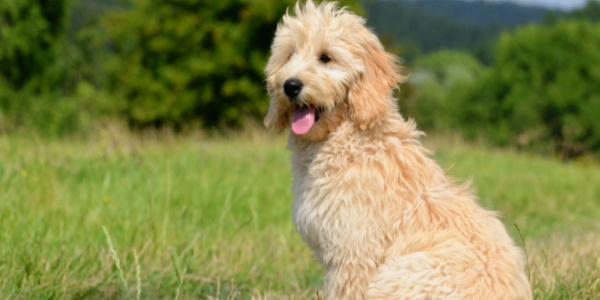
    Goldendoodles are a cross between a purebred Golden Retriever and a Poodle. They are a highly intelligent, loving, and loyal breed that sheds way less than a purebred Golden Retriever. This gentle and affectionate breed started gaining popularity following breed development in the 1990s. 

    Relative to other designer breeds, it is still regarded as a young cross. Goldendoodles are very social and would interact well with everyone. They would do well in both country and city settings. However, apartment living might not suit them. Rather, they do better in an enclosed space like a fenced yard. 

    They also shouldn’t be kept in kennels as they thrive with human contact. 

    Here’s a table that details their attributes:

    Height17-21+ inches 
    Weight50-90 pounds 
    Life Span10-15 years 
    Breed Size Large (61-100 lbs.)
    Good WithChildren, Families, Dogs, Cats
    Temperament Friendly, Gentle, Playful, Outgoing
    Intelligence High
    Shedding Volume Infrequent 
    Exercise Requirements Medium 
    Energy Levels Active
    Drool Amount Low
    Bark Level When Necessary 
    Coat Length/ Texture Medium, Curly
    Breed Group Hybrid
    Colors Black, Gray, Blue, Red, White, Gold, Fawn, Brown/Chocolate/Liver, Gold/Yellow
    Patterns Brindle, Bicolor, Black, Tan, and Merle 

    They also have other traits such as the fact that they are easy to train, are excellent for first-time pet owners, are great hiking buddies, require a great deal of grooming, are strongly loyal, and they may require a significant amount of grooming.

    They have a very affectionate nature and are hypoallergenic. The hypoallergenic feature makes them great for people who typically react to allergens. Goldendoodles come in a large standard size as well as a smaller, miniature size. 

    They make for great emotional support animals and enjoy spending time in the great outdoors. You can achieve this by taking walks or playing outdoors. This helps to cover their physical needs. 

    Conclusion 

    A Goldendoodle is the perfect canine companion for both individuals and families.