Blog

  • Tips for Keeping Your Pup Healthy in the Winter

    Tips for Keeping Your Pup Healthy in the Winter

    With winter here, we all know the challenges of staying warm and safe. We must also take into consideration the well-being of our pets as the temperature drops. Here are a few simple tips you can take to make sure your fur-legged friend stays warm, comfortable, and healthy this winter season. 

    Keep a Time Limit on How Long Your Pup is Outside

    The key is monitoring your pup and making sure he is not left outside for more than a few minutes at a time. Things such as frostbite can set in quickly, which can be very painful for your dog. Watch his behavior while outside, and if he begins to slow down or shiver, it’s time to bring him in. Dogs do love the outdoors but have limitations, just like we do.
    Bundle Your Pup Up

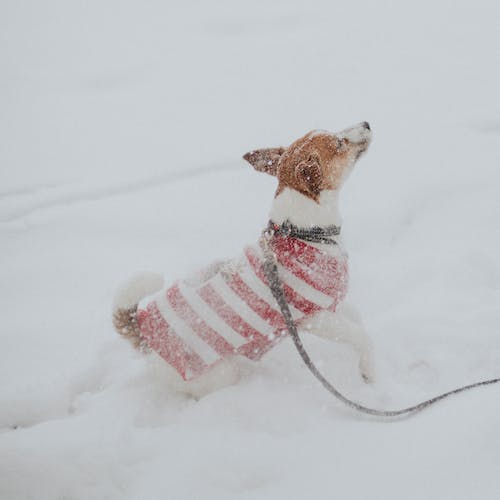
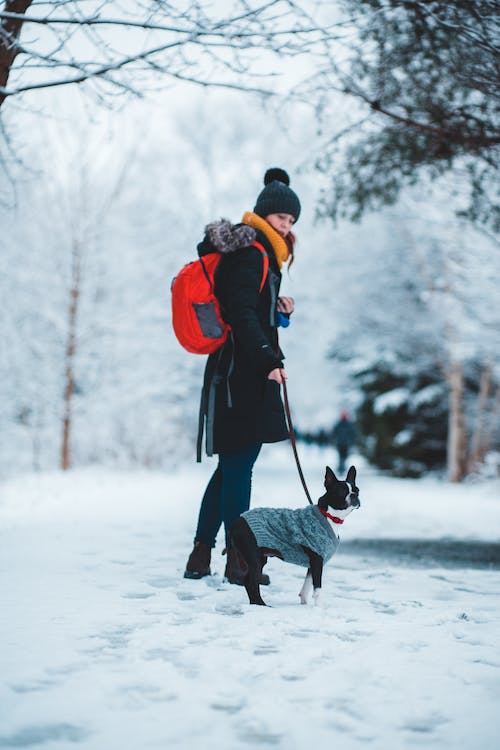
    Yes, most dogs have thick coats, which will help keep them somewhat warm, but a second layer of insulation, such as a dog jacket or sweater, will help keep your pup warmer. Many pet stores carry insulated jackets which will prevent your dog from losing heat. This is especially important for dog breeds that have a thin coat and or are not designed to withstand cold weather. 

    Consider Your Pup’s Age and General Activity Level 

    Young puppies and senior dogs tend to have more of a difficult time in cold weather. Although puppies love to play in the snow, they do not always know their limits and can find themselves in over their head (no pun intended) when a significant amount of snow falls. Dogs between two years of age and eight years of age tend to handle the cold weather better than puppies or senior pups. 

    Keep Your Dog’s Paws Protected 

    Dogs have very sensitive and vulnerable paws, which is why keeping their paws safe is important. Dog booties offer a layer of protection between your pup’s paws and the harsh ground. Ice and snow can quickly irritate the pads on your dog’s paws. Other things, such as rock salt, which is used in the winter, can also greatly irritate his paws. Doggy booties are an inexpensive yet effective way to keep your pup feeling his best while outside in the winter. They may take some time to get used to, but they are well worth it.

    Heating Beds for After Playtime

    After your pup comes in, he will need to warm up. Providing your pup with a dog heating bed is a great way to help bring his body temperature up to where it needs to be. This will also help your four-legged friend relax and rest after exerting himself while outside. Several dog heating beds come with an automatic shutoff feature for safety. If a heating bed is out of your price range, consider a dog heating pad. This less expensive item will also allow your dog to warm up after being outside in the freezing weather.
    Hydrate Your Dog After Playtime 

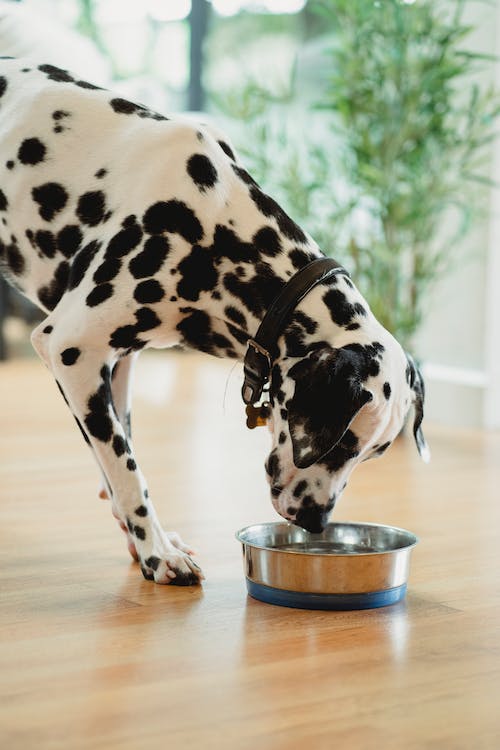
    Dogs do not only need extra water after playing in the warm months. Cold winter days will also require your pup to stay well hydrated. When the moisture in the air drops (as it often does) in the winter, your dog will need proper hydration. Providing your dog with ample amounts of room-temperature water when he returns inside will help keep him feeling his best. 

    Clean His Paws

    If you opt not to use dog booties, be sure to make sure his paws are wiped down when he comes in. Rock salt and other anti-ice agents may cause your pup’s paws to be in discomfort. Wiping them down will help to remove whatever he gets on them, plus it will prevent him from licking the substance off of his paws. This very quick and very easy chore will greatly benefit your dog.

    We all love our dogs, and by taking a few simple precautions, we can ensure that they remain in top condition and feel great all winter long. Always remember, if it’s too cold for you to be outside, it is probably too cold for your dog to be outside. Taking the time to make sure your pup is comfortable and safe is always very important.
  • Which Dogs Shed the Least?

    Which Dogs Shed the Least?

    Many of us believe that owning a dog and dealing with shedding goes hand in hand. And in many cases that is the truth. However, there are dog breeds that shed very little to none at all. If you are looking for a low shedding or no shedding dog, this article is for you. We will go over a list of not only great family dogs, but dogs that are easy to care for and are not known for excessive shedding.

    Bedlington Terrier The Bedlington Terrier requires some grooming, but they don’t shed. This breed is a gentle and caring family dog that makes a great fit into most families. They are not hard to care for and quickly bond with their family. The Bedlington Terrier is certainly a top-notch dog that will win your heart and lap in no time.

    Bichon Frise

    The Bichon Frise is best described as being a happy, social, and energetic dog. The Bichon Frise does need routine grooming to maintain their clean white coats which grow, not shed. Due to this, this breed has less dander, which generally makes this pup a good dog for allergy sufferers. Between not shedding and being so lovable, the Bichon Frise is a highly recommended family dog.

    Brussels Griffon

    The Brussels Griffon is an all-around fun and happy dog. The rough-coated version of this breed does not shed and is easy to groom. They are low maintenance pups that have very loyal and outgoing personalities. They do well with children and other pets inside the home.

    Kerry Blue Terrier

    Another top choice for those looking for a non-shedding dog is the Kerry Blue Terrier. This breed is a wise choice for folks looking for non-shedding and somewhat non-allergenic dogs. This breed is known for being affectionate, playful, and all-around fun to be around. They make tremendous family pets and are relatively easy to care for.

    Maltese

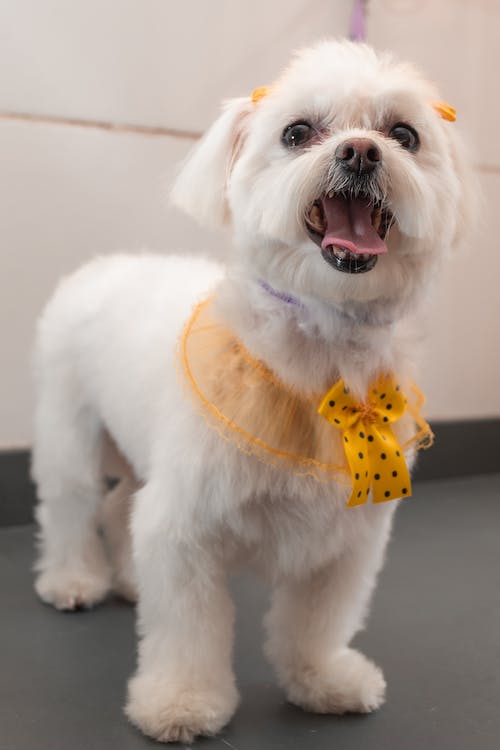
    The Maltese is a small, easy-going, and charming dog that has a single white silky coat. Basic routine care is needed in keeping this pup looking its best but is overall is a simple dog. They are considered low-shedding dogs which will allow for more playtime than vacuuming time. The Maltese has a long history of making a great pet and is sure to win your heart in no time at all.

    Soft-Coated Wheaten Terrier

    The Soft-Coated Wheaten Terrier is a medium sized dog that has a soft and wavy coat that requires basic care. This breed is considered to be a low-shedding dog which means a lot less dander. The Soft-Coated Wheaten Terrier makes a great family pet thanks to its warm and approachable demeanor and is known to quickly bond with its family.

    Barbet

    The Barbet originated in France and has become very popular in the United States over the last few years. This breed has a very tightly-curled coat which is non-shedding. They are very friendly dogs that tend to be loyal and loving to their families. The Barbet will generally quickly form a strong bond with you and your family. They also have eager to please personalities and enjoy showing off.

    Regardless whichever fur-legged friend wins your heart, you have made a great decision. Dogs (high, medium, low, or no shedders) offer amazing companionship and normally offer years of happiness. All dogs will require basic care to look and feel their best and by taking the time to select a dog that best fits what you are able to provide it, will allow you and your new best friend to be happy and content.

  • The Top Five Dogs for Families That Have Children

    The Top Five Dogs for Families That Have Children

    Many parents ask which breed of dog would be the best for their family. Kids love dogs and most dogs love kids, but there are some dogs that generally do better around children than others. You have to admit, kids are curious and at times a little rough which is why having a dog who’s tolerable around them is important. Other great qualities in a dog that will be around children include low to no aggression, not overly powerful as to accidently hurt your child while playing, and a warm and loving demeanor. You also do not want a breed of dog that doesn’t want to be “bothered” because many kids just want to play, play, and play some more! If you are considering a family pet and you have children this blog is for you. Below you will find our pick of the top five dog breeds that do great around children.

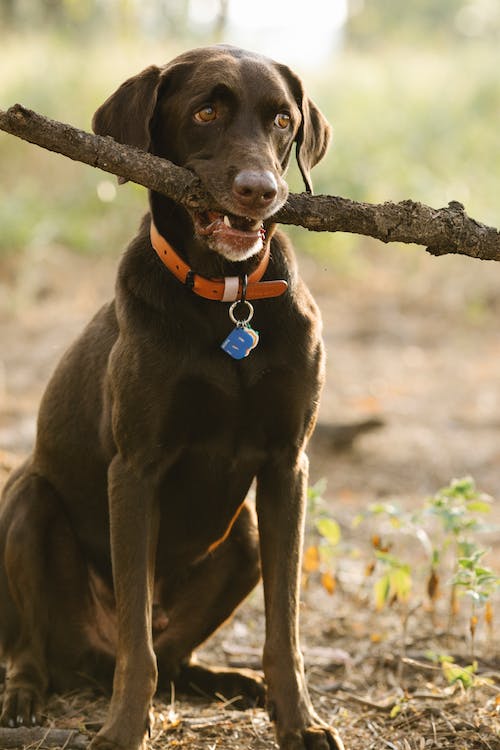
    Labrador Retriever

    Year after year after year the Labrador Retriever ranks the most “pupular” dog in the United States. This breed is simply amazing and ranks number one in our kid friendly and mom approved list of dogs. They are loving, caring, social, and have very approachable demeanors. They love your attention and are gentle around children.

    Breed Assessment Traits and Qualities:

    • Personality: Friendly, gentle and playful
    • Energy Level: Moderately active
    • Good with Children: Very
    • Good with Other Dogs: Very
    • Shedding: Moderate
    • Grooming: Daily brushing
    • Trainability: With ease
    • Height: 21 to 25 inches tall at maturity
    • Weight: 55 to 80 pounds at maturity
    • Life Expectancy: 10-12 years
    • Barking Level: Average

    French Bulldog

    The French Bulldog is at the top of our list for many reasons. They are a very gentle and affectionate breed of dog that does exceptionally well with children. They are patient and loving and enjoy to play. They are not overly energetic or pushy which is why they are safe for smaller children. They almost never show signs of aggression and enjoy both indoor and outdoor playtime. This breed continues to be very popular around the world and makes a great fit into almost any family.

    Breed Assessment Traits and Qualities:

    • Personality: Loving, playful, gentle, and smart.
    • Energy Level: Lower than average
    • Good with Children: Very
    • Good with other Dogs: Very
    • Shedding: Low
    • Grooming: Two to three brushes a week
    • Trainability: With ease
    • Height: 11-13 inches at maturity
    • Weight: 20-30 pounds at maturity
    • Life Expectancy: 10-12 years
    • Barking Level: Low

    Golden Retriever

    The Golden Retriever was designed for those who wanted a medium-sized dog that would do well in wild-fowling, both upland game and waterfowl. Today’s Golden Retriever is a sought-after gorgeous dog that does well in families that have children and other pets in the home. They are very social and gentle dogs that have an easygoing and warm demeanor. They enjoy being close to their family and are great around children. They almost never show signs of aggression and are a pleasure to be around.

    Breed Assessment Traits and Qualities:

    • Personality: Smart, easy to get along with and caring
    • Energy Level: Moderately active
    • Good with Children: Very
    • Good with other Dogs: Very
    • Shedding: Average
    • Grooming: Daily brushing
    • Trainability: With ease
    • Height: 21 to 24 inches tall at maturity
    • Weight: 55 to 75 pounds at maturity
    • Life Expectancy: 10-12 years
    • Barking Level: Average

    Pug

    The small but mighty Pug also ranks high on our list because of his playful, loving, and warm demeanor. This breed has a social and outgoing personality and packs a lot of energy in a small body. The Pug does great around children because of this and is not known to show aggression. Their tolerance level allows them to play well with children who are still learning how to be around dogs.

    Breed Assessment Traits and Qualities:

    • Personality: Outgoing, curious, and playful
    • Energy Level: Moderately active
    • Good with Children: Good
    • Good with Other Dogs: Good
    • Shedding: Routinely
    • Grooming: Two to four times a week
    • Trainability: Generally easy
    • Height: 10-13 inches tall at maturity
    • Weight: 14-18 pounds at maturity
    • Life Expectancy: 13-15 years
    • Barking Level: Average

    Collie

    Collies are very smart and energetic dogs that love human interaction and outdoor activity time. They are gentle and patient around children and are not known to be at all aggressive. This breed has a very long history of making a marvelous family pet and is sure to win your heart too. Collies also tend to be able to adapt well with other dogs in the home.

    Breed Assessment Traits and Qualities:

    • Personality: Caring, alert and playful
    • Energy Level: Very active
    • Good with Children: Very
    • Good with Other Dogs: Yes
    • Shedding: Moderate
    • Grooming: Two to four brushes a week
    • Trainability: Easily trained
    • Height: 22-26 inches tall at maturity
    • Weight: 50-75 pounds at maturity
    • Life Expectancy: 12-14 years
    • Barking Level: Moderate

  • Top Five Dog Breeds Who Love to Play Outdoors

    Top Five Dog Breeds Who Love to Play Outdoors

    If you love spending time in the great outdoors and are considering adding a fur-legged friend to your family this blog is for you. Making sure you find a dog that enjoys spending time outside as much as you do is important. Although all dog breeds enjoy time outside, some are better built for this and have different characteristics which will allow them to keep up with you and your family. Below is a list of the top five dog breeds who will enjoy outdoor exploring as much as you do.

    The Labrador Retriever is originally from Newfoundland and bred from a water dog. This breed was eventually brought to England to work as waterfowl retrievers thanks to their physical agility and abilities. Labrador Retrievers are very social dogs and enjoy walking side-by-side with their family. They are also very smart dogs who easily learn basic commands which will help to prevent them from straying off while you and he explore the great outdoors.

    Basic Breed Facts:

    Group: Working

    Height: 20 to 26 inches tall at maturity

    Weight: 50 to 75 pounds at maturity

    Life expectancy: 10 to 12 years Coat and color: The coat is short; fawn and brindle are the standard colors.

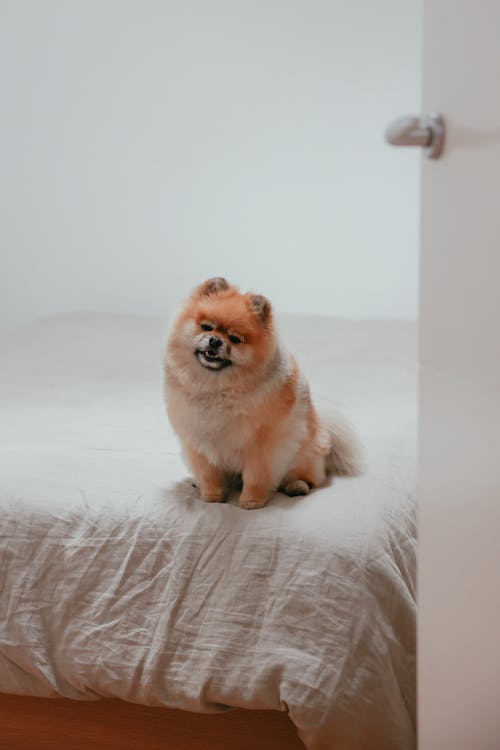
    The Pomeranian is a spitz breed dog which descended from sled dogs in Lapland and Iceland. The Pomeranian is related Samoyeds and Malamutes. Although this dog breed is smaller in size, they do very well spending time outside and enjoy exploring with family. They also tend to train easily and quickly learn basic commands.

    Basic Breed Facts:

    Group: Toy

    Height: 6 to 8 inches tall at maturity

    Weight: 3 to 8 pounds at maturity

    Coat and color: A long, double coat that can be found in many colors such as cream, red, orange, black, brown, blue, and sable. Life expectancy: 12 to 15 years

    Australian Shepherds which are also known as “Aussies” are a very athletic, strong, and agile dog. This breed is very active and does great in families that enjoy long outdoor walks and exploring the wild. This breed thrives on activity time and will keep his family active. Aussies were developed in the United States, where ranchers bred them as livestock herders and farmworkers.

    Basic Breed Facts:

    Group: Herding

    Height: 18 to 24 inches tall at maturity

    Weight: 40 to 70 pounds at maturity Coat and color: Vary between medium to long coats which can be found in black, red, merle, or blue.

    Jack Russell Terriers originated in the 1800s in England and were used to hunt foxes and small game. They are very active and energetic dogs who enjoy outdoor activity time with their family. This breed is known to enjoy long walks on trails with family and even enjoys swimming. If you intend to add this breed to your family get ready to stay active because this breed thrives on activity.

    Basic Breed Facts:

    Group: Terrier

    Height: 10 to 10 inches tall at maturity

    Weight: 12 to 19 pounds at maturity Coat and color: Short hair which can be found smooth or rough and in tan, brown, black or white.

    The Portuguese Water Dog is a working dog who loves to be on the move. They are high energy dogs that thrive on outdoor activity time with their family. This breed also does well with other dogs that enjoy active family time. For families that enjoy swimming, this pup should be one to consider as swimming is one of their favorite pastimes.

    Basic Breed Facts:

    Group: Working

    Weight: 35 to 65 pounds at maturity

    Height: 16 to 24 inches tall at maturity Coat and color: Tightly curled or wavy coming in a variety of colors which include black, white, brown, white and silver mixed, and black and white mixed.

  • Ways to Make the Holidays Safer for Pets

    Ways to Make the Holidays Safer for Pets

    As the holidays approach we think about nice family dinners, festive music, and holiday cheer. It is a time of year like nothing else and there seems to be a unique peace in the air. What many dog owners do not realize is it is also a risky time of the year for our fur-legged friends. Not because Santa will scare them when he comes down the chimney, but because of very common items in our home that come out this month.

    People food

    Let’s start off by talking about food. During the holidays we often have get-togethers and share meals much larger than an average dinner. Many foods that we will enjoy should not be eaten by our fur-legged friends. Below is a list of foods that are the most dangerous for dogs to eat.

    • Rich, fatty foods.
    • Meats that have bones in them
    • Onions and garlic
    • Chocolate
    • Alcoholic beverages
    • Raisins/grapes
    • Nuts
    • Milk Products

    Potpourri and Candles

    Although potpourri and candles look and smell great, they can make your fur-legged friend sick should he use them as a treat. Candles are also a fire hazard should your dog knock one over that is lit. Always keep items such as these well out of your dog’s reach. If these items are on a counter or table take into consideration that your dog still may be able to reach them. Playing safe than sorry as to wear you leave these items is also recommended.

    Holiday Plants and Flowers

    A very popular item found during the holiday season is decorative plants such as holly and mistletoe. Many plants and flowers can cause your dog to become very sick if digested. Dogs are always curious to try a new “food” and certain items such as these can cause your dog harm. Be sure to place these items in an area that your dog is unable to reach. We often place flowers near a window for sunlight which is also an area your dog has access to.

    Tinsel On Your Christmas Tree

    While tinsel isn’t “poisonous” per se, it’s extremely dangerous to your dog should he consume it. Swallowing tinsel can lead to internal issues as well as basic choking issues for your dog. Tinsel is generally shiny which catches your dog’s attention and may be too much for him to resist. Many dog owners do not even bring this item into their homes as a precaution. If you must decorate with tinsel, keep it in an area completely out of reach of your dog or you may be spending Christmas morning at the veterinarian, not unwrapping gifts from Santa!

    Secure Your Christmas Tree

    You can’t really blame this one on your pup. Afterall, they wake up one morning and magically there is a seven-foot pine tree in their living room! As beautiful as this tree looks, it does cause a safety hazard. Dogs are naturally attracted to trees and tend to want to hide under and behind them. It does not take much for a Christmas tree to topple over which could injure your pup or anyone near it when it falls. This can also result in damaging the decorations on the tree which can be very costly. By taking a few minutes to properly secure your tree can end up saving you a lot of problems in the end.

    Safe Haven for Your Dog

    If you intend to have a holiday party which involves a lot of people, consider putting your dog in a room dedicated just for him away from the commotion. The room should have water and food and you should periodically check on your pup. A soft blanket or dog bed would also be a nice fixture in the room while he hangs out there. Although some dogs want to party as much as grandma does, some tend to get quickly get scared of the noise and want to be left alone. You know your dog better than anyone and should determine this before the party begins. This is also a wise decision if your dog is a runner because the front door may be opened and closed dozens of times which would allow for him to escape.

  • Help! My Dog Ate Chocolate!

    Help! My Dog Ate Chocolate!

    We all know that the only time we should use the words chocolate and dog in the same sentence is when we use them to identify a “Chocolate Lab.” Chocolate, although a delicious treat for humans, is a never something that a dog should eat. The reason is because chocolate contains theobromine, a caffeinelike molecule that increases blood flow to the brain. This is highly toxic for dogs and could lead to poisoning. Although most dogs do not eat enough chocolate to die, many will consume enough that can make them very ill.

    Physical Signs/Symptoms that Your Dog Ate Chocolate

    • Vomiting
    • Diarrhea
    • Anxiousness
    • Increased thirst
    • Moderate Symptoms
    • Wobbliness when walking
    • Increased thirst
    • Heavy panting
    • Restlessness
    • Bluish Tongue
    • Excessive urination
    • In severe cases, symptoms can include:
    • Racing heart rate / fast pulse
    • Muscle tremors
    • Seizures
    • Heart failure

    What to Do if You Believe Your Dog Ate Chocolate

    Act fast! Try to locate the packaging from the chocolate that your dog ate. This will help you to determine what type of chocolate and how much. The darker and more bitter the chocolate, the more dangerous it is to dogs. Baking chocolate and gourmet dark chocolate are highly concentrated and contain 130-450 mg of theobromine per ounce. Common milk chocolate only contains about 44-58 mg/ounce. In either instance, this is not something to sit back on. It is always recommended that you immediately notify your veterinarian for professional advice and guidance if you believe your dog consumed chocolate.

    Are All Chocolates the Same?

    Although no chocolate is good for your dog, some types are worse than others. Dark chocolate is the most dangerous type of chocolate for your dog to eat. It only takes about 0.2 ounces per pound of dark chocolate to cause health issues. Milk chocolate has less theobromine and caffeine than dark chocolate. White chocolate has the least theobromine and caffeine. A good rule of thumb is that it takes about 0.5 ounces of milk chocolate per pound of body weight to cause moderate symptoms.

    How Long Until Symptoms Appear?

    The symptoms of chocolate poisoning in dogs are usually observed between three and twelve hours of consumption. Despite this, it is never advised to wait and see if your dog begins to get sick before taking action. The moment you realize this is the moments that you need to do something!

    Best Way to Prevent Your Dog from Eating Chocolate

    Keep it out of reach! Most dogs get into chocolate that is unintentionally left out. It can be a bowl of chocolate candy left in a dish on the counter, chocolate cake left on the table or even a piece of chocolate laying on the sidewalk that was dropped by someone else. It is very important to be mindful and observant of what your dog is chewing on and eating both indoors and outdoors. Very often many of us will leave something out without giving it thought which allows for the perfect opportunity for our fur-legged friends to snatch it. It should also be noted that the time of the year also increases the chances of your dog consuming chocolate. Months such as October (Halloween) and December (Christmas), when candy is more plentiful around the home increase this risk. Teaching children this from an early age is also a good way to prevent your dog from eating chocolate.

    Children are often more sympathetic to sneaking a treat to their begging fur-legged friend and should understand this is definitely not good to do.

    Another Consideration

    Although we know that chocolate is bad for our dogs, we must also realize many chocolate candies contain more than just chocolate. So, if the chocolate your pup ate didn’t make him sick, the fruit (raisin) or nut (macadamia) the chocolate covered can.

  • What Dog Food Ingredients Should You Avoid?

    What Dog Food Ingredients Should You Avoid?

    You are what you eat. And that expression applies to our fur-legged friends too. Some dog food brands skimp out on the actual healthy ingredients (chicken, beef, etc.) and replace these proteins with fillers. Fillers do not add much nutritional value to what they are eating and, overall are not recommended. Current research is bringing to light that many of these unhealthy ingredients can trigger allergies in your dog as well.

    What Ingredients Should You Avoid?

    Butylated Hydroxyanisole, also known as BHA, is a chemical preservative found in many dog foods and treats. It is used to preserve fats and oils. The CDC lists this ingredient as a known carcinogen that has negative effects on the liver and kidneys of animals. Some countries actually banned this substance due to this. Although the effects might not be noticeable in small quantities, over a long period of time, feeding your dog food that has BHA in it can contribute to health issues.

    White Flour

    White flour is usually used as a filler and binding agent in dog food. It is a bleached flour that contains little to no nutritional value. White flour has even proven to cause spikes in blood sugar. This means it may make your dog feel full, but not for a sustained period.

    Unspecified Meat or “Meat Meal” With “unspecified” meat in your dog’s food, what it is can be a mystery and risky. These meat meals are usually low quality, leftover meats with minimal regulation and or control of quality. Although these products are in many dog foods, try to avoid them. At the very least, pick a dog food where the specific type of meat is listed.

    Artificial Colors and Flavorings

    Artificial coloring and flavors are added to dog foods to create a more appealing appearance and smell. They are usually listed specifically, and the most commonly found dyes in dog foods are Red 40, Blue 2, and Yellow 5 and 6. These artificial ingredients are simply unnecessary and have been linked to hyperactivity, hypersensitivity, and allergic reactions to foods.

    MSG

    MSG, or monosodium glutamate, is not usually listed on pet food ingredient lists. It is more often found in autolyzed yeast, hydrolyzed protein, calcium caseinate, protein isolate, texturized protein, natural flavors, hydrolyzed yeast, yeast extracts, soy extracts or concentrate, sodium caseinate, monopotassium glutamate, glutamate or glutamic acid, or disodium inosinate or guanylate. These ingredients are used to enhance the flavor of dog food but are not necessary.

    Corn Syrup

    Corn syrup is a concentrated sweetener that is derived from corn. It is inexpensive to produce and is often added to processed dog foods to add flavor without costing a lot of money. Corn syrup, like white flour, causes your dog’s blood sugar to spike, which is not healthy and known to cause health issues down the road.

    Farmed Salmon

    Farmed salmon refers to salmon that is grown inland in artificial habitats. These are not fish in the actual ocean, have never seen or been in the ocean, and are grown specifically to be harvested for food. If they are found in your dog’s food, they will be simply listed as salmon, salmon meal, or salmon oil. If the salmon in your dog’s food is wild-caught, it will be listed as so. Farmed salmon is not nearly as nutritious as wild-caught salmon.

    Nitrates

    Nitrates, more specifically sodium nitrite, is a common preservative found in dog foods. It is used to preserve meat products. This preservative, although currently deemed safe to be used in dog food, has been linked to a blood disorder called methemoglobin as well as cancer.

    STPP

    STPP, or sodium tripolyphosphate, is a common ingredient in laundry detergent that softens the water. In dog food, it is used as a preservative. Since it is an actual chemical that does not contain any nutritional value, it is best to avoid it in your dog’s food. Taking the time to shop for quality dog food will yield a better long-term health outlook for your dog. Just because an ingredient is approved for use in dog food does not always mean you should use it. Natural ingredients are always recommended and should be looked for.

  • Puppy Accidents and How to Clean Them

    Puppy Accidents and How to Clean Them

    Accidents happen… All puppies, from time to time, don’t make it outside before they do their business. If your puppy, like most, has an accident indoors, don’t overstress. It is important, though, to realize that indoor puppy accidents can cause your carpet and furniture to smell or even be destroyed. The key is to cleanse the area as soon as possible. This is important for two reasons. The first is because the waste left on the carpet or furniture can absorb into the fibers which makes removing the odor very difficult. The second is because once these odors remain, regardless of how slight, your four-legged friend may return to the same area and relieve himself there again.

    How to Prevent Indoor Accidents

    Being consistent with your puppy’s potty-training routine is key. Also, providing your puppy with ample outdoor potty time is essential. For those who work all day, considering a daytime pet sitter to stop over and allow your puppy a potty break also will help the issue. Using positive reinforcement is always more effective than using discipline in this process.

    How to Get Urine Odors Out of a Carpet

    Dog urine gets absorbed into the carpet as an acid that causes damage to the carpet’s fibers. Upon the urine drying up, it results in an alkaline residue. If urine salts are not cleaned with a professional pet cleaning product, this may result in a foul urine smell building up over time. Absorbing the wet urine with a dry rag, followed by washing the infected area, will help to remove the urine and smell. At times, this process may need to be completed two or more times.

    How to Get the Urine Smell Out of a Couch?

    If your pup had an accident on your couch, professional cleaning products should be used to cleanse the area. After the couch is cleansed, keep your puppy away from it until the area is complete and the odor is completely gone. Dogs tend to remark the same spot over and over and detect this area by smelling where they previously went.

    At Home Cleaning Products

    Did you know that you can naturally clean pet stains and odors using commonly found items in your pantry? Ingredients such as baking soda, vinegar, hydrogen peroxide, vodka, orange, lemon, and salt to clean pet urine work well. You can neutralize and clean surfaces by using a combination of these products. The issue with using a synthetic cleaner on a carpet is that it can damage and remove its color and add unnecessary toxic chemicals to your home. By utilizing more natural ingredients, especially things like enzymatic cleaners with essential oils, pet owners can keep their homes safe from the buildup of harmful fumes and chemicals that can make their pets sick.

    Before Using Any Cleaning Product

    Before applying any cleaning solution, you should always test it on a small area of your rug or furniture to ensure it won’t do any damage. Once the ingredients demonstrate that they are working and not causing damage, be sure to cleanse the area with a copious amount of the product and thoroughly scrub the infected area. Dog urine can be very difficult to clean fully and, if not removed, can cause more issues down the road. Regardless of what products you use, all puppy owners need to remember that their puppies are still learning and want to make you happy. Being patient, using positive reinforcement, and taking the time to train your four-legged friend right will yield positive long-term results.

  • Can Dogs Smell Cancer?

    Can Dogs Smell Cancer?

    Dogs have helped humans out over hundreds of years. From rescuing people, to tracking missing persons, to detecting bombs, to herding sheep. One of the most amazing abilities that dogs are also known for is their ability to detect certain types of cancers in people. Recent studies have confirmed that certain trained dogs may be able to detect cancer in people about 40% of the time. Although this is very far from being perfected, it does go to show just how amazing dogs are.

    How do Dogs Detect this?

    Dogs have an incredible sense of smell. Our fur-legged friends have up to 300 million olfactory receptors in their nose. To compare, the average person only has about six million olfactory receptors, making a dog’s nose forty times more sensitive than our noses! This is why dogs are commonly used in search and rescue missions, as they can trace a human scent for miles. When a dog smells, it actually smells in 3D. Their nose has been an amazing tool for their survival for thousands of years and continues to be their number one sense.

    Do All Dogs Smell Cancer?

    Untrained dogs do not have the ability to recognize cancer. Dogs that have this ability require a lot of training and testing. Currently, dogs that are trained to detect cancer are only being trained in a trial process. There is still much more research that needs to be completed before dogs can be used as a medically reliable detection source.

    Will Doctors Use Eventually Dogs to Detect Cancer?

    It is very unlikely that a dog will be used as the only way to detect cancer, especially with all of the modern technology that exists today. It has not been fully determined whether dogs can be reliably trained to smell cancer at this point in time. At least not on a consistent basis. Proving that this method of cancer detection is accurate enough to use very well could be many years away, if ever. Even if we do reach the point where a dog can accurately detect cancer, it would be very difficult to train a dog to communicate what they have smelled without further testing being administered. 

    What Types of Cancer do Dogs Pick Up On?

    • Breast cancer and lung cancer can at times be detected by sniffing the breath of patients. In these studies, it is thought that the dogs sensed biochemical differences in the exhalation of subjects with diagnosed cancer and subjects with no known cancer.
    • Bladder cancer and prostate cancer are also forms of cancer that certain dogs can pick up on, by sniffing the urine of patients.
    • Colorectal cancer has been detected by dogs too, by sniffing patients’ exhaled breathing and their stool samples.
    • Ovarian tumors can be hit on, by sniffing patient tumor samples and blood samples.
    • Cervical cancer is also a type of cancer that a dog is capable of finding, by sniffing patient biopsy samples.

    Although this type of cancer detection is a long way from being fully trusted, it is just another example at how amazing dogs are. Hopefully one day our fur-legged friends will be able to detect diseased as well as they currently assist humans in various other things.

  • Separation Anxiety in Dogs

    Separation Anxiety in Dogs

    Dogs that suffer from separation anxiety experience tension, stress, mental discomfort, and confusion. This anxiety manifests when a dog feels insecure when left alone at home and is separated from its family. Like how a young child misses a parent, your pup misses you!

    Symptoms of Separation Anxiety in Dogs

    There are different symptoms that dogs can experience from separation anxiety, from basic whining to very destructive behavior, such as chewing furniture and household fixtures. Below are common symptoms associated with separation anxiety:

    • Excessive panting and whining
    • Excessive drooling
    • Barking and crying 
    • Urinating or defecating indoors.
    • General destructive behavior
    • Excessive pacing

    How to Train a Dog that Suffers from Separation Anxiety

    The first step is to make sure your dog receives sufficient exercise. Outdoor playtime where your dog can run and enjoy the great outdoors is always a plus.  Dogs who are full of energy will not be content being left alone for hours at a time. Making sure your dog senses that you are calm before leaving will also help curb his nerves and mind. Dogs often sense when their owner is upset or anxious and tend to react in a similar fashion. Keep the goodbye talk and pat simple and easy. Be quick when doing it and make sure you do not look back after leaving. It is also suggested that you leave an old shirt or piece of clothing within his reach. Dogs tend to relax when they sense their owner and the scent on your shirt will have that. Before leaving your dog for hours at a time, consider leaving for thirty-to-sixty-minute intervals. This will allow your pup to gradually get used to being alone while building confidence that you will return. A great tip is also not triggering your dog to things they associate you do when you are leaving. Grabbing car keys, putting on your jacket in front of them, putting on your shoes, etc. The anticipation of this very well may get them unsettled before you even leave.

    Medications?

    Your veterinarian is able to evaluate the level of your dog’s separation anxiety and decide that prescribed medication may help. There are a variety of medications on the market that can be used to help calm you fur-legged friend down. Before allowing your dog to be put on medication for this, proper research should be done by yourself to identify the pro and cons. Many medications on the market will help this issue, but potential side effects can happen. Always do your own research before agreeing to use medication for this issue.

    Being Patient

    At the end of the day, being patient and working with your dog is what is most important. Your dog feels this way because he loves and misses you and wants you. Being anything but patient and caring and understanding would not be helping the situation out and only adding to the issue. Our fur-ever friend wants nothing but to feel your love and care and that is what we need to remember.