Category: Petcare

  • Potty Training Your Puppy: Fun, Fresh Tips For Success!

    Potty Training Your Puppy: Fun, Fresh Tips For Success!

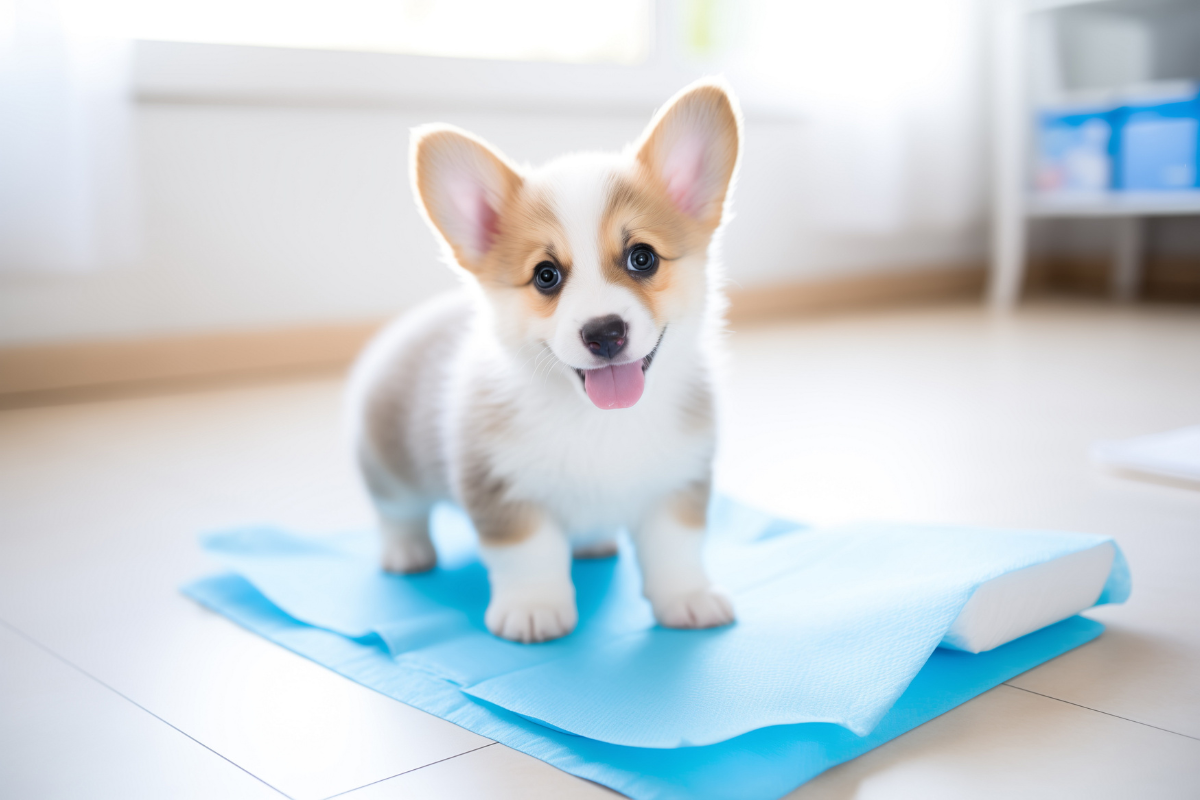
    Bringing home a new puppy? Exciting, right? But let’s be real—potty training can be a bit of a rollercoaster. The good news? With some fresh techniques and cool new gadgets, teaching your pup where to go has never been easier (or more fun!). Check out these top trending potty training tips that’ll have your furry friend mastering the art of potty time in no time.
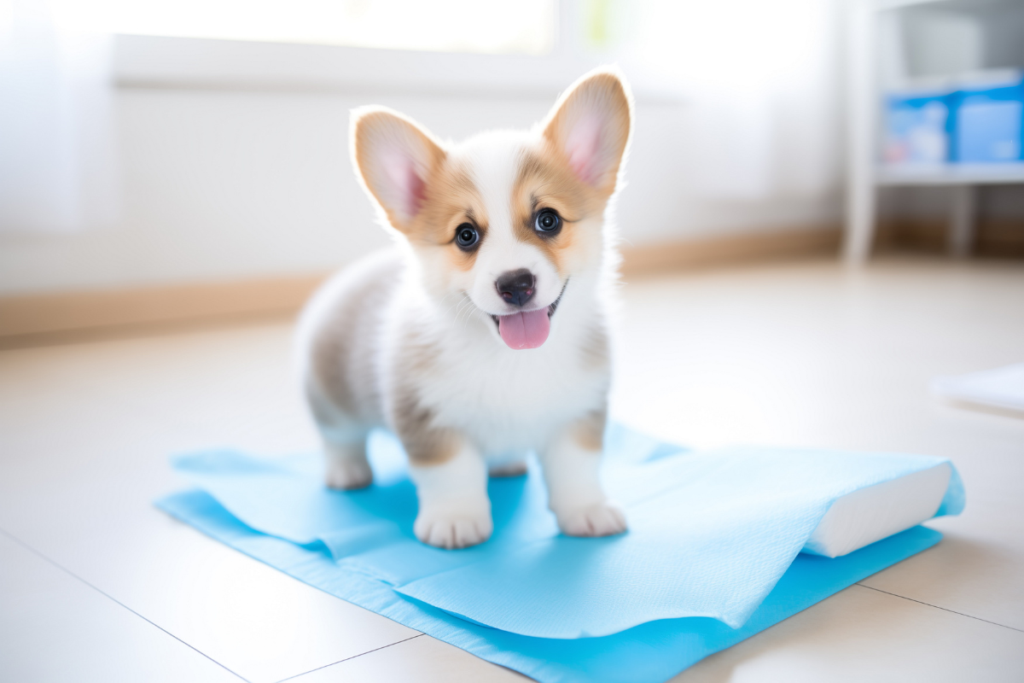
    potty training puppy

    1. Treats, Praise, and Happy Dances

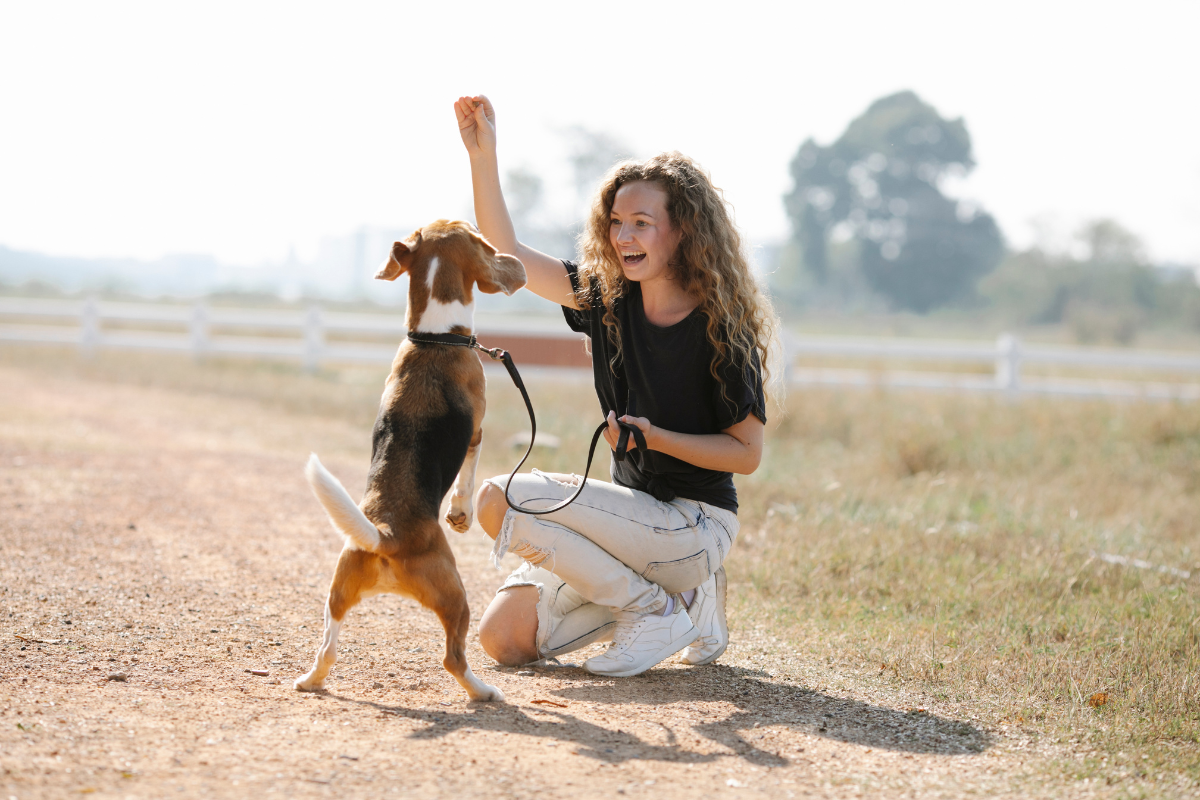
    Forget scolding—2025 is all about positive vibes! Puppies learn best when they’re rewarded for doing the right thing. So, whether it’s tasty treats, a belly rub, or even a little happy dance (we won’t judge), make sure your pup knows they nailed it when they potty in the right spot.

    2. Routines Rule!

    Dogs love a good routine—just like us with our morning coffee. Set a schedule for potty breaks, and stick to it like clockwork. Taking your pup out after meals, naps, and playtime helps them learn the ropes faster and keeps your floors accident-free.

    3. High-Tech Help

    Welcome to the future, where potty training gets a techy upgrade! Smart potty pads, treat-dispensing cameras, and apps that remind you when it’s potty time are total game-changers. Who knew training could be this high-tech?

    4. Crate It Up

    Crates aren’t just cozy dens; they’re amazing potty-training tools. Puppies naturally avoid making a mess where they sleep, so a properly sized crate helps them hold it until the next potty break. Just remember—slow and steady wins the crate-training race.

    5. Ring That Bell

    Want your pup to tell you when it’s time to go? Bell training is all the rage! Hang a little bell by the door and teach your puppy to tap it with their paw or nose when nature calls. It’s like a doorbell, but way cuter.

    6. Go Green with Potty Training

    Eco-conscious pet parents, rejoice! From reusable grass pads to biodegradable potty products, keeping things green while potty training your pup is totally doable—and trending!

    7. Potty Training Sprays to the Rescue

    If your pup is having trouble picking a potty spot, special sprays infused with pheromones can work wonders. Just spritz it where you want them to go, and voila! Instant potty zone.

    8. Indoor Options for City Pups

    Not everyone has a big backyard, and that’s okay! Indoor potty solutions like artificial turf patches or puppy litter boxes are lifesavers for apartment dwellers and those dealing with crazy weather.

    9. Learn Your Pup’s Secret Signals

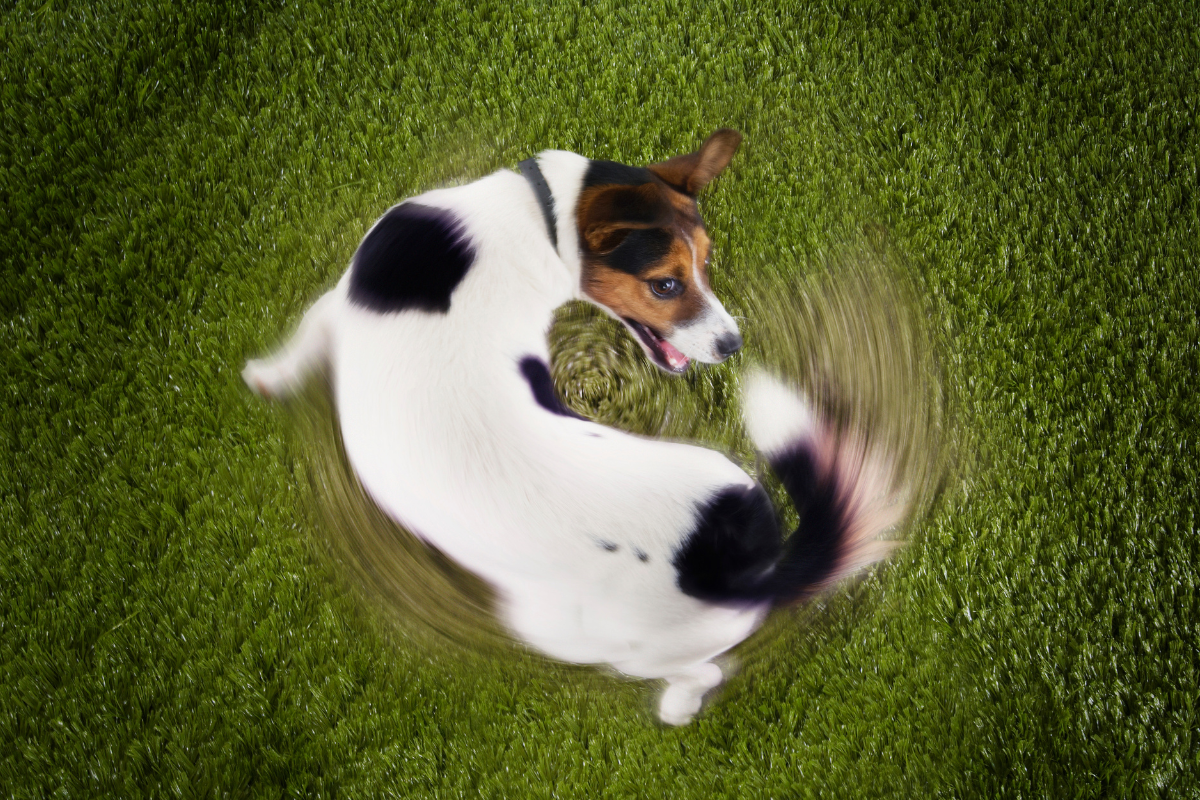
    Your puppy has their own way of telling you they need to go—sniffing around, circling, or giving you that “I gotta go” look. Paying attention to their cues can save you from surprise accidents.

    10. Patience, Persistence, and Lots of Paper Towels

    Let’s be honest—potty training takes time. There will be accidents, but staying patient and consistent is key. Celebrate the wins and laugh off the oops moments. You got this!

    With these fun and effective potty training tips, you’ll have your pup doing their business like a pro before you know it. Happy training!
  • The Top Dog Breeds of 2024: Why These Pups Are Stealing Hearts

    The Top Dog Breeds of 2024: Why These Pups Are Stealing Hearts

    2024 is the year of paws, tails, and wagging adventures! Whether you’re dreaming of adding a four-legged friend to your family or just love all things canine, here’s a rundown of the breeds ruling the popularity charts and why they’re the ultimate doggo celebs of the year.

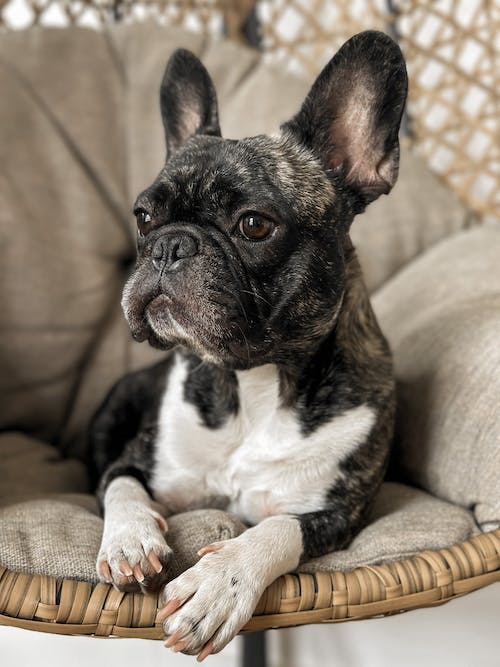
    1. French Bulldog: Little Dog, Big Vibes 🐾

    These pint-sized charmers with their iconic bat ears are the life of any room they waddle into. French Bulldogs are perfect for apartment dwellers and couch potato enthusiasts alike. With their snorty giggles and endless cuddles, Frenchies are basically the comedians of the dog world—and who doesn’t need more laughs?

    2. Labrador Retriever: The Ultimate BFF 🐾

    Labs are the MVPs of the dog universe—loyal, friendly, and always ready for a game of fetch. They’re like the Golden Retrievers’ equally lovable cousins who never say no to belly rubs or snack time. Whether they’re bounding through the yard or snuggling by the fireplace, Labs are the definition of heartwarming companions.

    3. Poodle: Fancy But Fun 🐾

    Don’t let their posh looks fool you—Poodles are just as goofy as they are gorgeous. From their signature fluffy hairstyles to their brainiac-level smarts, these dogs are a delightful mix of elegance and energy. Whether it’s a game of catch or learning a new trick, Poodles are always the star of the show.

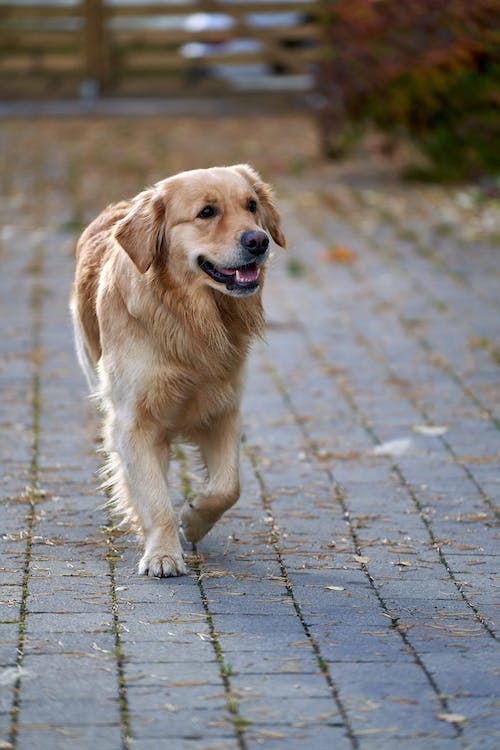
    4. Golden Retriever: Sunshine in Dog Form 🐾

    If happiness had a mascot, it would be the Golden Retriever. With their perpetual smiles and wagging tails, Goldens are the ultimate feel-good friends. Whether it’s playing fetch, taking a swim, or just being there for a snuggle session, they’re always spreading joy wherever they go.

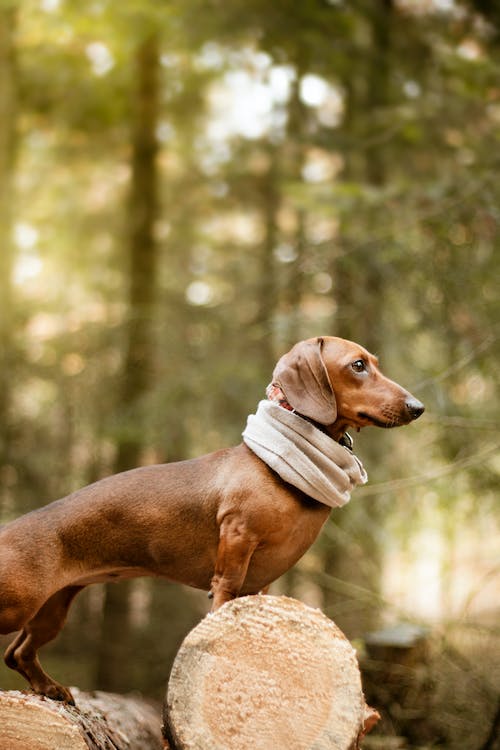
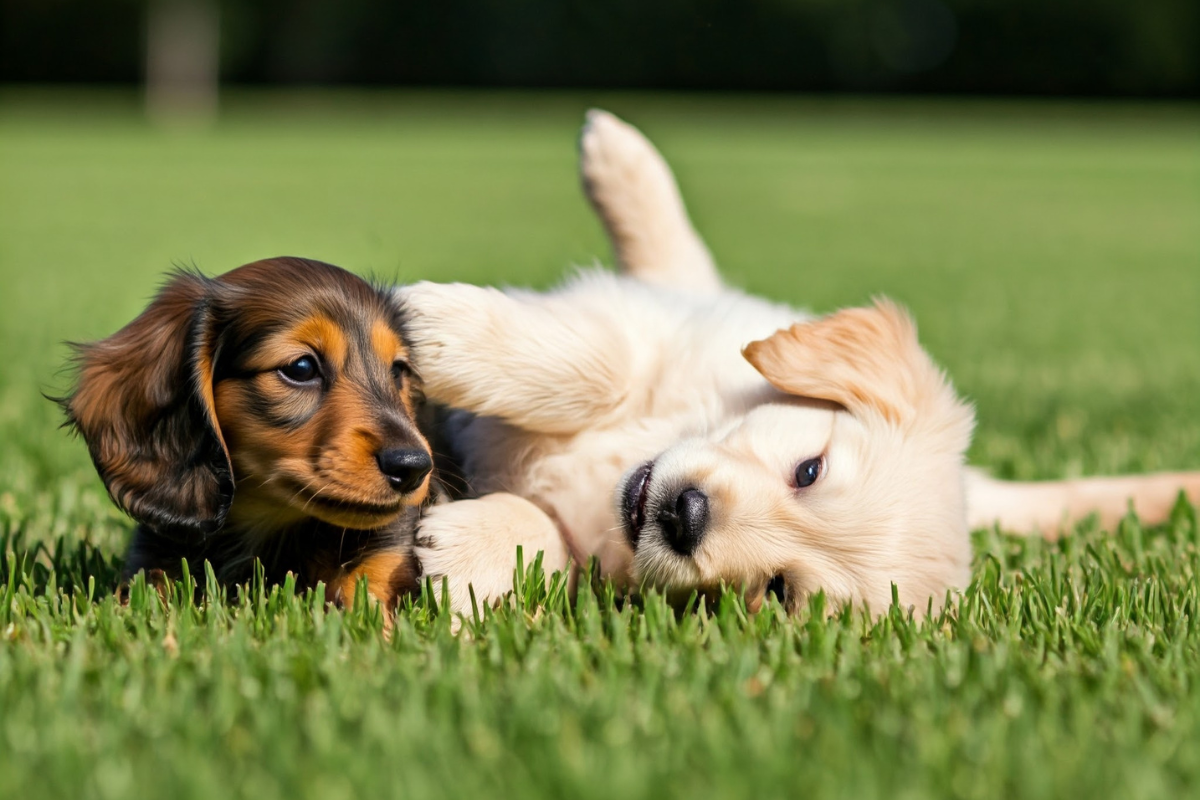
    5. Dachshund: Sassy Sausage Dogs 🐾

    Small but mighty, Dachshunds have a personality that’s twice their size. These fearless little sausages bring boundless energy and a dash of sass to any household. Their quirky antics and love of burrowing make them an endless source of entertainment—and yes, their long, low bodies only add to the charm.

    6. Goldendoodle: Fluff and Fun in One Package 🐾

    What do you get when you combine the playful Golden Retriever and the stylish Poodle? A Goldendoodle, of course! These fluffy, hypoallergenic bundles of joy are the perfect mix of brains, beauty, and affection. Plus, they’re like living teddy bears—who could resist?

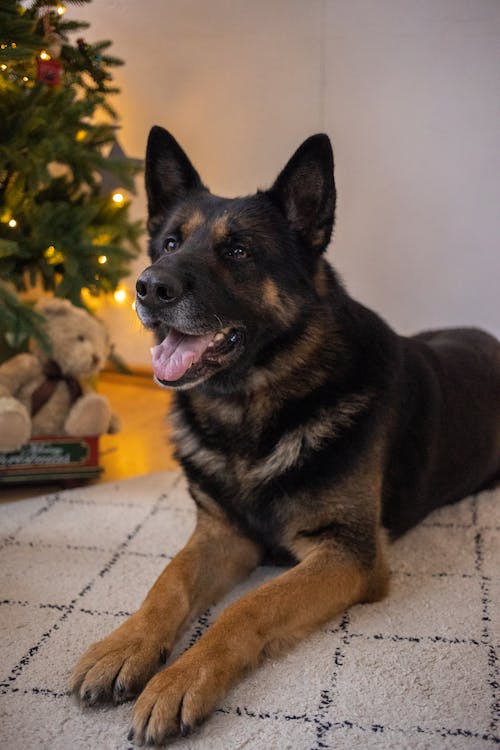
    7. German Shepherd: The Noble Hero 🐾

    Strong, smart, and a little mysterious, German Shepherds are basically the James Bond of dogs. These loyal protectors are always ready to leap into action, whether it’s playing fetch or guarding their family. With their unmatched intelligence and devotion, they’re the ultimate canine superheroes.

    8. Chihuahua: Small Dog, Big Drama 🐾

    Chihuahuas might be tiny, but their personalities are larger than life. These feisty little pups are all about snuggles, sass, and stealing the spotlight. Perfect for anyone who loves a little drama with their devotion, Chihuahuas are proof that good things come in small packages.

    9. Rottweiler: The Gentle Giant 🐾

    Don’t let their tough looks fool you—Rottweilers are big softies at heart. These strong and intelligent pups are fiercely loyal to their families and love nothing more than being part of the pack. With the right training and plenty of love, Rotties are the ultimate mix of strength and sweetness.

    10. Beagle: The Curious Explorer 🐾

    Beagles are the ultimate adventurers, always ready to follow their noses to the next great discovery (usually snacks). With their floppy ears and soulful eyes, these little detectives bring a playful energy to every moment. Life with a Beagle is never boring—every day is a new escapade.

    Which Pup Will Win Your Heart? 🐾♥️

    From the sassy Dachshund to the sunshine-filled Golden Retriever, 2024’s top dog breeds prove there’s a perfect pup for everyone. Each breed brings its own special quirks and joys, ensuring your life will be filled with love, laughter, and plenty of tail wags. So, which one will steal your heart and make your home a happier place?

  • 5 Fun and Simple Tips for Keeping Your Dog Happy and Healthy

    5 Fun and Simple Tips for Keeping Your Dog Happy and Healthy

    Every dog deserves to live their best life, and lucky for you, creating a happy, healthy world for your furry friend is easier than you think! Whether you’re a first-time dog parent or a seasoned pro, these five tips will have your dog wagging their tail with joy. Let’s get into it!

    1. Serve Up a Delicious and Nutritious Meal

    Your dog’s diet is more than just kibble—it’s their ticket to a happy, healthy life! Choose high-quality food packed with everything they need to stay strong and energized. And let’s face it, we all love a little extra flair with our meals, so why not spoil your pup with treats rich in vitamins, antioxidants, or even omega-3s for shiny fur?

    Tip: Consult your vet about adding some tasty toppings like pumpkin or blueberries for an extra boost of nutrition! 🍖🍓

    2. Get Those Paws Moving with Fun Activities

    Dogs love to run, jump, and explore. Daily exercise is key to keeping them in top shape. Whether it’s a hike in the woods, a quick game of fetch in the yard, or even a romp at the dog park, physical activity is an awesome way to keep your dog’s body and mind sharp.

    Tip: Mix up the routine with a doggy playdate or try some interactive toys to keep them on their toes (and paws)! 🐕💨

    3. Engage Their Brain with Cool Challenges

    A dog’s brain is a muscle that needs a workout, too! To prevent boredom (and that annoying couch destruction), keep them mentally sharp with puzzle toys, treat-dispensing balls, or even teaching them new tricks. Dogs love to feel like they’ve conquered a challenge, and those treat rewards? Extra motivation!

    Tip: Ever tried a doggy scavenger hunt? Hide treats around the house and watch your pup put their nose to work! 🔍🍪

    4. Grooming Fun: Pampering and Bonding Time

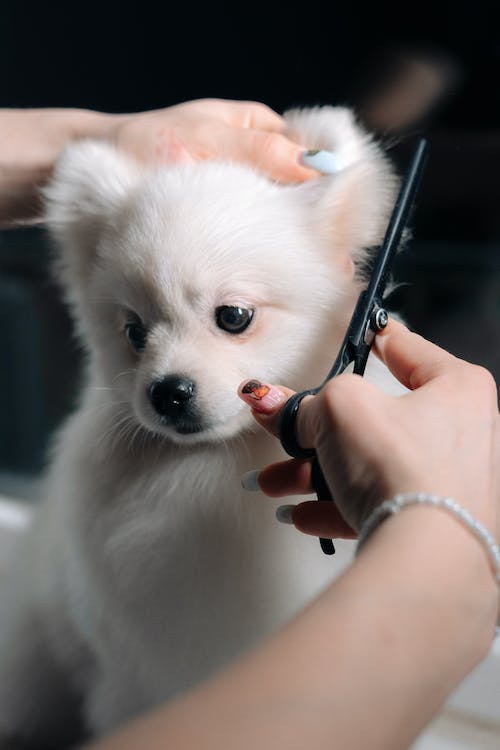
    Dogs love a good cuddle and grooming session! Regular brushing helps keep your dog looking fresh and feeling fabulous, but it’s also a great bonding experience for you both. Plus, grooming time gives you a chance to check for any skin issues or pesky tangles.

    Tip: Add a little playful twist—after a good brushing, give them a mini spa day with a warm bath and soothing massage! 🛁💆‍♂️

    5. Be Their Best Buddy (and Their Trainer!)

    Dogs thrive on love, attention, and consistency. Build that bond with regular play, snuggles, and training sessions. Training is not only great for their behavior, but it also boosts their confidence and strengthens your connection. The stronger the bond, the happier the pup!

    Tip: Sneak in a few fun tricks, like teaching them to “high-five” or “sit pretty.” You’ll be amazed at how much fun it is to show off their talents! ✋🐾

    Wrapping It Up

    So there you have it! By focusing on your dog’s diet, exercise, mental enrichment, grooming, and emotional connection, you’ll be giving them the best life possible. Each dog is unique, so make sure to tailor these tips to suit their personality and needs. With these little efforts, your dog will be living their best life in no time—tail wagging and all!

  • The Ultimate Guide to Understanding Your Dog’s Body Language: What Every Tail Wag Really Means

    The Ultimate Guide to Understanding Your Dog’s Body Language: What Every Tail Wag Really Means

    Dogs may not talk, but they sure do have a lot to say! From the wag of their tail to the twitch of an ear, your pup’s body language is their way of chatting with you without saying a word. So, let’s decode the wag, the wiggle, and everything in between—because knowing what your dog is trying to tell you could be a tail-wagging game changer!

    1. Tail Wagging: More Than Meets the Eye

    A wagging tail is like a doggy text message—but not all wags are created equal!

    • Fast Wagging, Wiggly Butt: Hello, excitement! Your dog’s pumped and ready to play.
    • Slow Wag with Stiff Posture: Cautious vibes. They’re unsure and trying to figure out the situation.
    • High, Stiff Wag: “I’m in charge here!” This could be a sign of dominance or alertness.
    • Low, Tucked Tail: This one’s a “don’t hurt me” signal. Your dog’s feeling scared or submissive.
    • Neutral Wag: Just chillin’—your dog’s content and enjoying the moment.

    Quick Tip: Look at the whole dog, not just the tail! A wagging tail with a stiff body isn’t as friendly as it seems.


    2. Ears Tell All: The Doggy Radar

    If your dog had WiFi, their ears would be the antenna! They’re the secret weapon in your quest to understand their emotions.

    • Ears Forward: “What’s that?”—they’re curious or focused on something interesting.
    • Ears Back: “I’m friendly, I promise!” Your dog’s trying to show they’re not a threat.
    • Ears Flat Against the Head: Uh-oh, something’s up. They’re stressed, scared, or feeling threatened.
    • Neutral Ears: Total zen mode. Your dog’s relaxed and just taking in the scene.

    3. Eyes: The Window to Their Doggy Soul

    If you want to know how your dog is feeling, just look into their eyes. Here’s what their peepers reveal:

    • Soft Gaze and Blinking: Relaxed and happy vibes. Your dog feels comfortable and loved.
    • Staring with Hard Eyes: This is a nope zone. Your dog might be feeling threatened or defensive.
    • Whale Eyes: Yikes! If you see the whites of their eyes, they’re feeling anxious or fearful.
    • Squinting or Avoiding Eye Contact: Your dog’s saying “I’m not sure” or “I’m a little nervous here.”

    4. Mouth Movements: Smiles, Licks, and the Works

    Your dog’s mouth is more than just for chomping down on treats—it’s a powerful communicator!

    • Relaxed Jaw, Open Mouth: Happy dog, happy life! They’re feeling calm, comfortable, and probably ready for a belly rub.
    • Lip Licking: Nervous energy alert! This could mean your dog’s feeling stressed or anxious.
    • Yawning: It’s not just about being sleepy. Your dog might be yawning to cope with stress or uncertainty.
    • Teeth Bared (Snarling): That’s your dog’s version of saying “BACK OFF.” Don’t take it personally!

    5. Full Body Language: The Whole Shebang

    Sometimes your dog’s trying to tell you something with their entire body. Don’t miss the big picture!

    • Wiggling All Over: This is puppy joy in its purest form! They’re super excited to see you or ready to play.
    • Frozen Stance: Freeze frame! Your dog’s feeling unsure or cautious, so give them space to assess the situation.
    • Play Bow: Front end down, rear up—this is the universal doggie “let’s play!” sign.
    • Shaking It Off: Not just for wet dogs! It’s your pup’s way of shaking off stress or resetting their mood.

    6. Putting It All Together: Context is Key

    Okay, so now you’re a pro at reading your dog’s tail, ears, and eyes. But to truly understand what they’re saying, you’ve got to look at the whole package—and consider the situation.

    For example:

    • A wagging tail paired with a stiff body? Not as friendly as it sounds.
    • A dog yawning in their bed? Probably tired. A dog yawning at the vet? Definitely stressed.

    It’s all about context—so pay attention to your dog’s surroundings and their overall vibe.


    7. Why You Should Care About All This Doggy Body Language

    Understanding your dog’s body language is a win-win. Here’s why:

    • Better Bonding: The more you understand them, the stronger your connection.
    • Improved Training: You’ll know when your dog is ready to learn and when they need a break.
    • Stress-Free Adventures: Recognize when they’re anxious or uncomfortable, and you’ll be able to ease their stress.
    • Health Alerts: Body language can reveal if your dog’s not feeling well before they even show symptoms.

    Final Paws for Thought

    Your dog may not be able to use words, but their body is speaking loud and clear! By tuning into their tail wags, ear positions, and little body cues, you’ll not only understand your dog better—you’ll also help keep them safe, happy, and healthy.

    So next time you see your pup doing their thing, take a moment to read between the wags. They’re telling you exactly how they feel! 🐾

  • Keeping Your Dog Safe and Cozy This Holiday Season: Pawsome Tips for Thanksgiving & Beyond

    Keeping Your Dog Safe and Cozy This Holiday Season: Pawsome Tips for Thanksgiving & Beyond

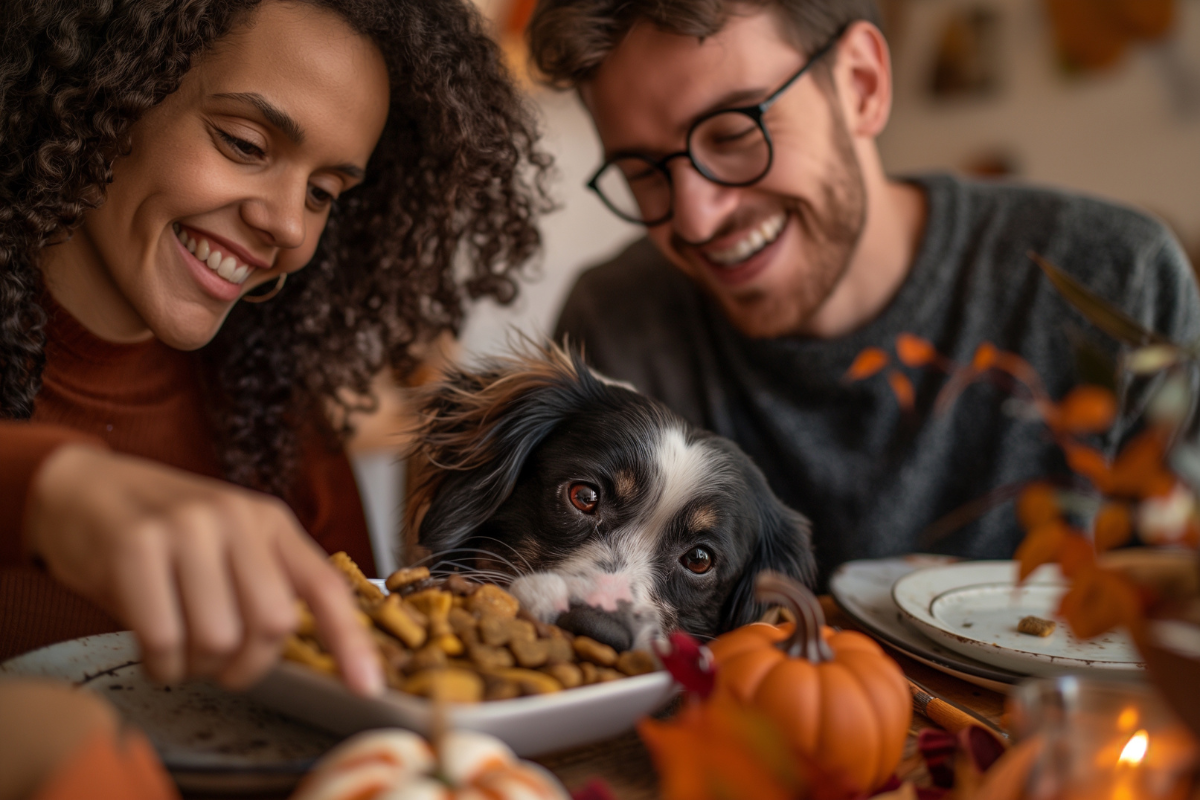
    The holidays are here, and while you’re dreaming of turkey dinners and cozy nights by the fire, your furry best friend is probably dreaming of belly rubs and sneaking a taste of that turkey! The season of giving can be full of surprises, so let’s make sure none of them leave your pup in a tailspin. Here’s how to keep your dog safe, comfy, and totally pawsitive during the holidays.

    dog, family, thanksgiving

    1. Turkey, Treats & Troubles

    Thanksgiving is a smorgasbord for humans, but for dogs, it’s a minefield.

    Keep It Paws-itive:

    • No Bones About It: Turkey bones might look like fun, but they can splinter and cause big problems.
    • Bye-Bye, Stuffing: Garlic, onions, and spices are in it—your dog should definitely not be!
    • Sweet, but No Thanks: Chocolate, raisins, and xylitol are no-go’s for your pup’s belly.

    Serve Up Some Tail-Wagging Goodies:

    • Small bites of unseasoned turkey.
    • Plain green beans or carrots.
    • A scoop of unsweetened pumpkin puree (yum!).

    Make them their own “doggy Thanksgiving plate,” and they’ll be forever thankful (and drooling).


    2. Guests Galore? Create a Dog Zen Den

    Your dog loves you, but Aunt Sally’s hugs? Maybe not so much.

    Make a Pup Paradise:

    • Set up a cozy corner with their bed, toys, and water for when they need a break from the crowd.
    • Let them choose: Social butterfly or snuggly hermit? It’s their call!
    • Watch those doors—nobody wants a game of “Catch the Dog” during dinner.

    3. Traveling with Tails

    Heading over the river and through the woods? Don’t forget about your trusty sidekick!

    • Buckle Up, Buttercup: Secure your dog in a crate or harness for safe car rides.
    • Pack the Essentials: Food, water, toys, and their favorite blanket. Smells like home, feels like love.
    • Break Time = Play Time: Plan stops for potty breaks and leg stretches.

    Flying with Fido? Double-check airline rules and make sure their carrier is comfy and cozy.


    4. Cozy Vibes Only

    The weather outside is frightful, but your pup’s bed should be delightful!

    • Warm and Snuggly: Provide extra blankets, and for short-haired pups, consider a sweater.
    • Protect Those Paws: If it’s snowy, grab some booties or use a paw balm to prevent cracks.
    • Stay Hydrated: Winter air can be dry, so make sure your pup’s water bowl is always full.

    5. Deck the Paws (Carefully!)

    Holiday decorations make your home sparkle, but for dogs, they’re shiny new chew toys.

    • O Christmas Tree: Secure it tightly so it doesn’t come crashing down during a game of zoomies.
    • No Snacking on Plants: Poinsettias, mistletoe, and holly might look festive but are toxic to dogs.
    • Light It Up Safely: Keep cords out of reach and unplug lights when you’re not around.

    Pro tip: Pine needles are not snacks. Trust us on this one.


    6. Routine, Routine, Routine

    Holidays can throw everyone off their game, but sticking to your dog’s routine can make a world of difference.

    • Feed Me, Seymour! Keep meal times consistent, no matter how busy you are.
    • Walk It Out: Keep up their daily walks—even if it’s brisk, they’ll thank you with zoomies later.
    • Practice Makes Paw-fect: Keep reinforcing their training so holiday chaos doesn’t rattle them.

    7. New Year, New Fears (Fireworks!)

    Fireworks might light up your night, but they can be a doggy nightmare.

    • Snuggle Mode: Be home if possible to comfort your pup.
    • Calming Hacks: ThunderShirts, white noise, or even a cuddly movie night can work wonders.
    • Escape-Proof Your House: Loud noises can spook even the chillest dogs—double-check gates and doors.

    Tail End of the Tale

    The holidays are all about love, laughter, and wagging tails. With a little planning and a lot of love, you and your dog can enjoy the magic of the season together. So, while you’re filling your plate with pie, don’t forget to fill your pup’s heart with safety, snuggles, and all the paw-sitive vibes!

    Here’s to a holiday season full of puppy kisses and happy tails! 🐾✨

  • The Easiest-Going Breeds of Dogs

    The Easiest-Going Breeds of Dogs

    Dogs are often referred to as man’s best friend, known for their loyalty, companionship, and boundless energy. However, not all dogs possess the same level of enthusiasm and vigor. Some breeds are more inclined towards a laid-back lifestyle, preferring relaxation over rigorous exercise. These most laidback breeds of dogs have a reputation for being low-energy and content with a leisurely pace of life.

    Basset Hounds Are Amazing

    One such breed is the Basset Hound. With its droopy eyes and long ears, this breed is notorious for its calm demeanor. Basset Hounds were originally bred for hunting small game but have since become popular as family pets due to their gentle nature. Despite their hunting background, they would rather spend their days lounging on the couch than chasing after prey. Their short legs and heavy build contribute to their lackadaisical demeanor.

    English Bulldogs Are Charming

    Another breed that falls into the category of easy-going dogs is the English Bulldog. This iconic breed is known for its stocky build, wrinkled face, and distinctive underbite. Bulldogs have a calm and easygoing temperament that makes them ideal companions for those seeking a relaxed lifestyle. They are content with short walks or even just pottering around the house all day long.

    Cavalier King Charles Love Their Family

    The Cavalier King Charles Spaniel is yet another breed that can be considered one of the most laidback among dogs. These small spaniels are affectionate and friendly but also possess an innate calmness that sets them apart from other breeds in terms of energy levels. While they enjoy occasional playtime or short walks, Cavaliers are more than happy to curl up on a soft cushion or lap for hours on end.

    Don’t Forget About the Great Dane!

    Moving on to larger breeds, the Great Dane deserves mention as one of the most relaxed giants in the dog world. Despite its imposing size, this gentle giant has surprisingly low energy levels compared to other large breeds. Great Danes may require a short burst of exercise, but they are more than willing to spend the majority of their time lounging around the house. Their calm and relaxed nature makes them excellent companions for those who prefer a slower pace of life.

    The French Bulldog is Always a Safe Bet

    Lastly, the French Bulldog is renowned for its easy-going personality. These small, muscular dogs have become increasingly popular in recent years due to their adorable appearance and friendly temperament. However, French Bulldogs are not known for their athleticism or high energy levels. They are perfectly content with short walks and indoor playtime, making them an ideal choice for apartment dwellers or individuals with limited space.

    While these breeds may be considered “low energy” dogs compared to their more active counterparts, it is important to note that all dogs require some level of exercise and mental stimulation to maintain good health and prevent behavioral issues. Regular walks, play sessions, and engaging activities should still be incorporated into their daily routines.

  • How To Prevent A Dog From Being Bored

    How To Prevent A Dog From Being Bored

    Dogs are incredible creatures that bring joy, companionship, and unconditional love into our lives. As responsible pet owners, it is our duty to ensure that our furry friends lead happy and fulfilling lives. One crucial aspect of a dog’s well-being is preventing boredom. Just like humans, dogs can become bored if they lack mental stimulation and physical activity. In this blog, we will explore various strategies to prevent a dog from being bored.

    Firstly, regular exercise is essential for keeping a dog mentally and physically stimulated. Dogs are naturally active animals that require daily exercise to stay healthy and happy. Depending on the breed and age of your dog, the amount of exercise needed may vary. However, as a general rule of thumb, dogs should be taken for walks at least twice a day for 30 minutes each time. This not only provides them with physical activity but also allows them to explore their surroundings and engage their senses.

    In addition to walks, engaging in playtime activities with your dog is an excellent way to prevent boredom. Dogs thrive on interactive play sessions with their owners or other dogs. Playing fetch in the park or engaging in tug-of-war games can provide both mental stimulation and physical exercise for your furry friend. It is important to choose toys that are suitable for your dog’s size and breed to ensure safety during playtime.

    Another effective method of preventing boredom in dogs is through puzzle toys or treat-dispensing toys. These types of toys challenge your dog’s problem-solving skills while rewarding them with treats or food when they successfully solve the puzzle or manipulate the toy correctly. Not only do these toys keep your dog entertained for extended periods but they also help prevent destructive behavior caused by boredom.

    Furthermore, socialization plays a vital role in preventing boredom in dogs. Dogs are social animals that thrive on interaction with other animals and humans alike. Regular visits to the local dog park or arranging playdates with other friendly dogs can provide your pet with the social stimulation they need. Additionally, enrolling your dog in obedience classes or training sessions not only helps them learn essential skills but also provides mental stimulation and strengthens the bond between you and your furry companion.

    Mental Stimulation

    Mental stimulation is just as important as physical exercise for preventing boredom in dogs. Engaging in activities that challenge their minds can keep them entertained and prevent destructive behavior caused by boredom. Simple activities such as hiding treats around the house or teaching them new tricks can provide mental stimulation for your dog. There are also interactive puzzle games available specifically designed to challenge a dog’s cognitive abilities.

    Lastly, it is crucial to establish a routine for your dog. Dogs thrive on predictability and structure, so having a consistent daily routine can help prevent boredom. Feeding, walking, playtime, and rest should all be scheduled at regular intervals throughout the day. This not only provides mental stimulation but also gives your dog a sense of security and stability.

    Preventing boredom in dogs requires a combination of physical exercise, mental stimulation, socialization, and establishing routines. By incorporating these strategies into our daily lives as responsible pet owners, we can ensure that our beloved companions lead happy and fulfilling lives. Remember that each dog is unique, so it is essential to understand their individual needs and preferences when implementing these preventive measures against boredom.

  • The Best Way to Clean Up Dog Hair

    The Best Way to Clean Up Dog Hair

    Dog hair can be a persistent problem for pet owners. It seems to find its way into every nook and cranny of our homes, clinging to furniture, carpets, and clothing. While it may seem like an endless battle, there are several effective methods for cleaning up dog hair that can make the task more manageable.

    One of the most efficient ways to tackle dog hair is by using a vacuum cleaner specifically designed for pet hair removal. These vacuums often come with specialized attachments that can easily pick up stubborn hairs from upholstery and carpets. Additionally, they have powerful suction capabilities that can effectively remove loose hairs from surfaces. When using a vacuum cleaner, it is important to go over each area thoroughly and in different directions to ensure all the hair is picked up.

    Simple But it Works!

    Another effective method for removing dog hair is by using lint rollers or sticky tape. These tools are particularly useful on clothing or fabric surfaces where vacuuming may not be as effective. Simply roll the lint roller over the surface, pressing down firmly to pick up any loose hairs. Alternatively, wrap sticky tape around your hand with the adhesive side facing outwards and pat it gently on the surface where dog hair is present. This method works well on smaller areas or when you are in a hurry.

    Regular Grooming is Key

    Regular grooming of your dog can also help reduce shedding and minimize the amount of loose hair in your home. Brushing your dog’s coat daily will remove loose hairs before they have a chance to fall off onto furniture or floors. Additionally, regular bathing will keep your dog’s coat clean and healthy, reducing excessive shedding.

    Prevention

    To prevent dog hair from accumulating on furniture or bedding, consider using washable covers or throws that can easily be removed and cleaned when necessary. This will not only protect your furniture but also make cleaning up easier as you can simply toss them into the washing machine.

    In addition to these methods, there are some preventive measures you can take to minimize the amount of dog hair in your home. Regularly washing and vacuuming your dog’s bedding will help remove any loose hairs that may have accumulated. Additionally, keeping your dog off furniture or designating specific areas where they are allowed can help contain the spread of hair.

    It is important to note that some dogs shed more than others, and certain breeds are known for their excessive shedding. If you have a breed that sheds heavily, it may be worth considering professional grooming services or investing in a high-quality pet hair removal tool. Cleaning up dog hair can be a challenging task for pet owners. However, by using the right tools and techniques, it is possible to keep your home free from excessive shedding. Regular grooming, vacuuming with specialized pet hair attachments, using lint rollers or sticky tape, and employing preventive measures such as washable covers can all contribute to a cleaner living environment. With these strategies in place, you can enjoy the company of your furry friend without constantly battling against their shedding.

  • 2023’s Top Dog Breeds

    2023’s Top Dog Breeds

    For years, dogs have become more than just pets; they have become beloved members of our families and trusted companions. As we finish the year 2023, we would like to share our list of what we feel to be the Top-5 dog breeds of the year. These pups all have remarkable qualities and have proven to be the best of the best.

    Labrador Retrievers

    There’s a reason why this breed, year after year, continues to rank so high in popularity. The Labrador Retriever is an A+ breed of dog that has an incredibly loving personality and a warm temperament. They are very social dogs that thrive with attention, love, and one-on-one time. They enjoy a walk in the park as much as they enjoy a nap on the couch with their owner. They are smart and train well and truly make an amazing family pet.

    Bulldogs

    Who doesn’t love the Bulldog? Not only are they handsome pups, but very lovable and caring dogs. They do well with children, are excited to greet you when you come home, and are happy when you are. This breed’s popularity is what it is today thanks to its long history of making a great family pet and should be one to consider if you are looking to add a puppy to your family.

    German Shepherds

    This breed is a very loyal, protective, and caring dog. They make a great fit with families of all dynamics and love attention. They look forward to exploring the great outdoors and thanks to their smarts, generally train with ease. For years this breed has been a family favorite for many reasons. The German Shepherd is an outstanding dog and one your whole family will love.

    Dachshund

    This breed is a playful, energetic, and lovable dog. They interact very well with children and other pets in the household and are generally very low maintenance. They love learning new tricks and have the perfect balance of energy. They are not overly rambunctious but love to play. They have sweet and warm demeanors and make fantastic pets.

    French Bulldogs

    This breed has a very easy-going and lowkey temperament. They absolutely love nap time with their family, do great with children, and get along well with other pets in the home. They are friendly dogs that enjoy your attention. This breed has been very popular across the US for years and will continue to into the year 2024 due to all of its great qualities.

  • The Basics of Dog Training

    The Basics of Dog Training

    Dog training is an essential part of owning a pet, ensuring they are well-behaved, obedient, and happy. To effectively train your furry friend, it’s crucial to understand the basics of dog training.

    – Establish clear communication with your dog.

    – Use consistent verbal cues and body language.

    – Dogs respond best to positive reinforcement.

    – Reward your pup with treats or praise when they exhibit desired behaviors. – Don’t forget, your body language is very important while communicating with your dog.

    Consistency Is Key

    Set a routine for training sessions and stick to it. Short and frequent sessions work best as dogs have limited attention spans. Patience is essential during the training process as dogs learn at their own pace. Lastly, remember that every dog is unique; tailor your training approach to suit their individual needs and personality traits. By grasping these fundamental principles of dog training, you will be better equipped to establish a strong bond with your canine companion and achieve successful results in their behavior development.

    Establishing A Positive Relationship with Your Dog

    Building a strong and positive relationship with your dog is essential for successful training. It is important to create an environment of trust and respect that encourages cooperation and understanding between you and your furry companion. To achieve this, start by spending quality time together, engaging in activities that both of you enjoy.

    Regular exercise not only keeps your dog physically fit but also helps release pent-up energy, reducing behavioural issues. Avoid punishment or harsh methods as they can damage the trust between you both.

    Effective Techniques for Teaching Basic Commands

    When it comes to training your dog, initial basic commands lay the foundation for a well-behaved and obedient pet. Commands such as sit, lay, paw, and wait allow your dog to recognize commands. In time your dog will build up to more complicated commands that require more effort on his part.

    Addressing Common Behavior Issues in Dogs

    When it comes to training our furry companions, addressing common behavior issues is essential for a harmonious household. One prevalent issue faced by dog owners is excessive barking. To tackle this problem, it is crucial to identify the underlying cause, such as boredom or anxiety, and address it appropriately through mental stimulation, exercise, and positive reinforcement techniques.

    Start Training Young

    Ever hear of the saying “you can’t teach an old dog new tricks?” Well, you can, however, it is easier to teach a puppy new tricks because they don’t have many bad habits yet. Start training very basic commands at a young age and the trickier and more complicated commands will be easier for them to learn as they mature.

    It’s A Process

    Training your dog is something that takes time and patience. You need to remember; your dog is happy when you are and does not want to disappoint you. Being patient and positive will allow better long-term results. A little training each and everyday will go a long way!