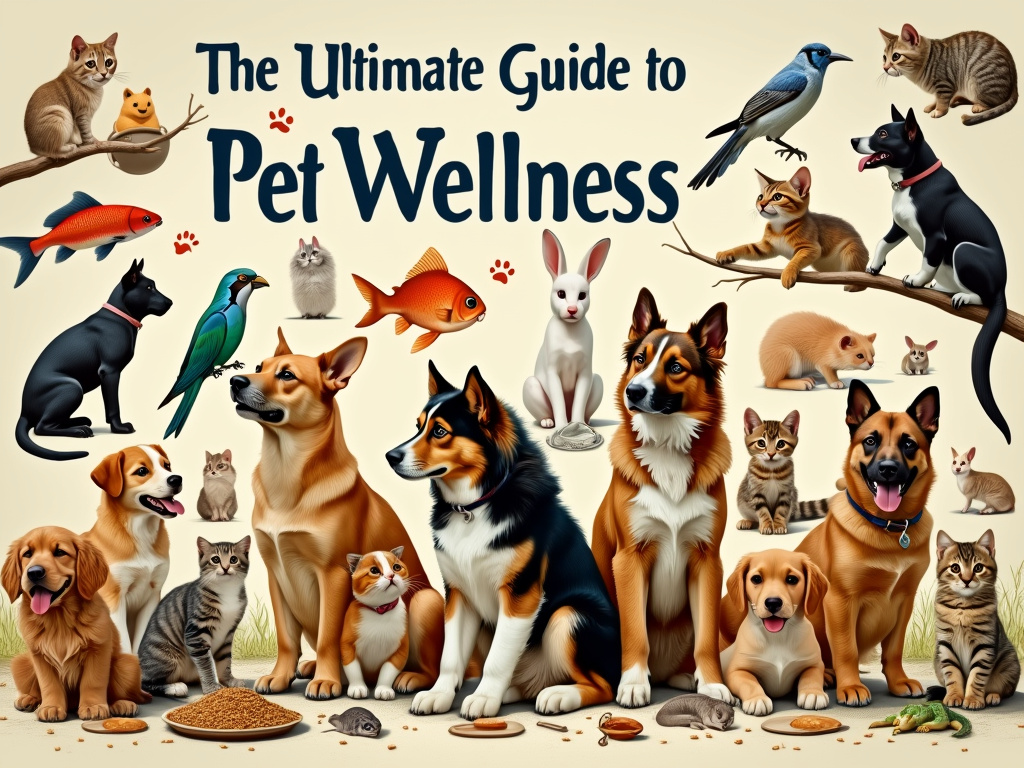
Bringing a dog into your family is a big decision that comes with lots of joy, responsibility, and, of course, plenty of tail wags. With so many breeds to choose from, finding the right fit for your household can feel overwhelming. To make it easier, we’ve rounded up the top five best dog breeds for families—each known for their friendly nature, adaptability, and love for companionship.
1. Labrador Retriever – The Ultimate Family MVP
Why they’re awesome:
• Friendly, patient, and endlessly loving
• Super smart and easy to train
• Perfect playmates for kids and other pets
Labradors bring boundless energy, loyalty, and enthusiasm to any home. Always ready for an adventure, they make excellent companions for both kids and adults. Their goofy, lovable nature ensures endless fun, but don’t be fooled—these dogs are also incredibly intelligent and eager to learn. Just be ready for some serious tail wagging and an endless appetite for belly rubs.
Pro tip: Labs love food. Keep treats on hand, but don’t overdo it—these cuties can easily pack on the pounds.
2. Golden Retriever – The Loveable Goofball
Why they’re awesome:
• A+ for friendliness and loyalty
• Fantastic with kids and super patient
• Always happy to see you
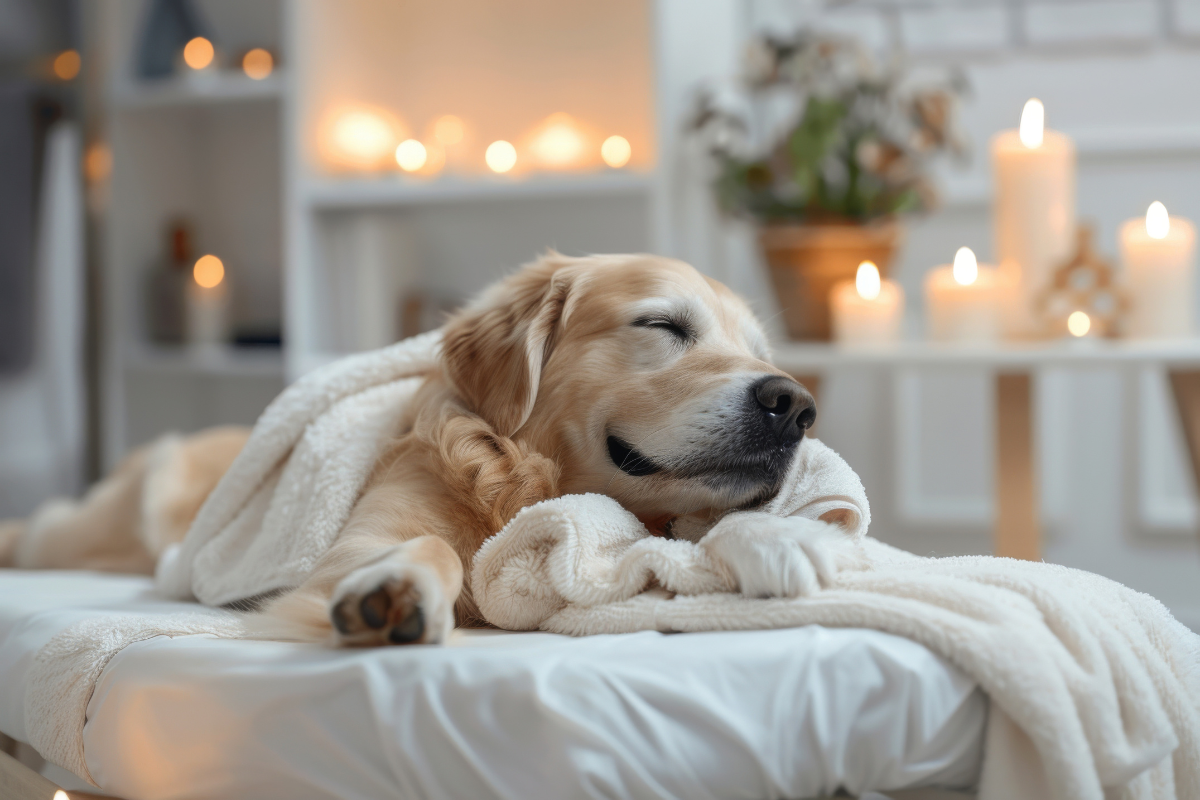
Few breeds match the pure joy and affection of a Golden Retriever. Playful yet gentle, they are wonderful with children and thrive in a loving home. Their intelligence and eagerness to please make training a breeze. Plus, their silly personalities will have you laughing every day.
Pro tip: Be ready for fur—lots of fur. Invest in a good vacuum, because Goldens shed like it’s their full-time job.
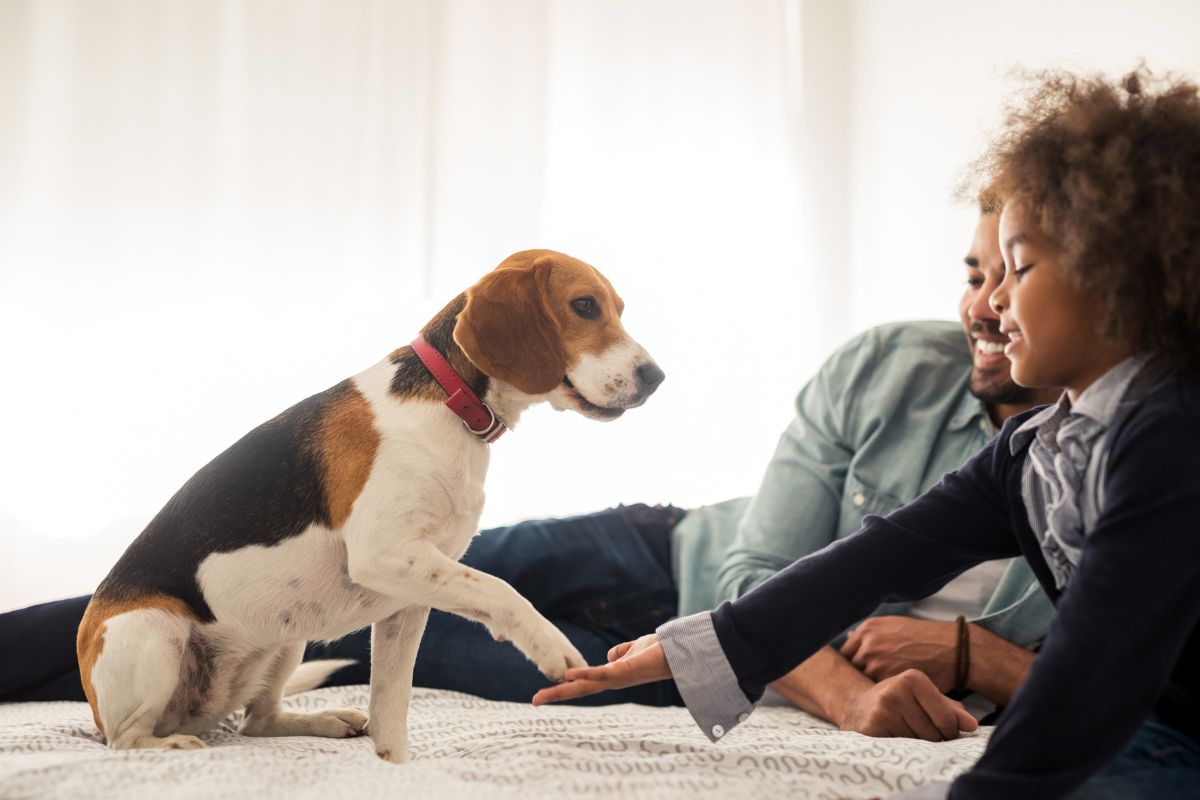
3. Beagle – The Curious Cutie
Why they’re awesome:
• Small but full of personality
• Playful, energetic, and great with kids
• Social butterfly—loves people and other pets
Beagles are the detectives of the dog world, always following their noses on mini adventures. Full of energy and curiosity, they bring endless excitement to a home. Their affectionate nature and love for companionship make them great for families with kids. Bonus: Those floppy ears and puppy-dog eyes are irresistible.
Pro tip: Beagles can be a little stubborn, so training with treats is your best bet. And maybe don’t leave snacks unattended. Their noses will find them.
4. Cavalier King Charles Spaniel – The Ultimate Snuggle Buddy
Why they’re awesome:
• Small, sweet, and super affectionate
• Adapts to both active and relaxed lifestyles
• Loves curling up on your lap
Cavaliers are gentle, affectionate, and thrive in a close-knit family environment. Whether playing with kids or snuggling on the couch, they are happiest when surrounded by loved ones. Their small size and adaptability make them a great fit for both houses and apartments.
Pro tip: These pups thrive on companionship, so they don’t like being left alone for too long. If your family is often home, they’ll be your best shadow.
5. Poodle (Standard or Miniature) – The Brainiac of the Pack
Why they’re awesome:
• Highly intelligent and easy to train
• Hypoallergenic, great for allergy sufferers
• Playful, active, and loves family time
Poodles are proof that brains and beauty go hand in paw. Whether you choose a standard (bigger and more energetic) or miniature (smaller but just as playful), these curly-coated cuties are quick learners, super affectionate, and make fantastic family companions. Their intelligence allows them to pick up commands quickly, making training an enjoyable experience.
Pro tip: Poodles love to be mentally stimulated. Puzzle toys and agility training will keep them happy and engaged.
Which Pup is Right for You?
Every family is different, and every dog has its own personality. Whether you’re looking for an energetic adventure buddy like a Labrador or a sweet cuddle companion like a Cavalier King Charles Spaniel, there’s a perfect pup out there for you.
No matter which breed you choose, one thing is certain—your life is about to get a whole lot more fun, furry, and full of love.
So, you’ve decided to add a four-legged best friend to your life—congrats! But now comes the hard part… which breed is right for you?
Choosing a dog isn’t just about picking the cutest pup (even though they’re all adorable). It’s about finding the perfect match for your lifestyle, energy levels, and daily routine. Think of it like dating—you wouldn’t want to pair an ultra-marathon runner with someone who loves binge-watching Netflix all weekend, right? Let’s dive into the best dog breeds based on your personality and lifestyle.
For the Adventurer: Always On the Move
Love hiking, running, or any kind of outdoor adventure? You need a high-energy dog that will keep up with your active lifestyle and be thrilled to explore the great outdoors with you.
Best Breeds for You:
• Border Collie – Basically the Einstein of dogs, loves running, learning tricks, and solving puzzles.
• Australian Shepherd – A herding champ with energy for days, perfect for trail running.
• Labrador Retriever – Loves swimming, hiking, and playing fetch until you get tired.
• Siberian Husky – Built for endurance, happiest when exploring new places.
Not the Best Fit: Bulldogs, Pugs, and Shih Tzus—they’re adorable but prefer short walks over marathons.
For the Chill Homebody: Netflix and Nap
If your ideal weekend involves a cozy blanket, snacks, and a good movie, you need a dog that loves snuggling as much as you do.
Best Breeds for You:
• French Bulldog – Small, goofy, and loves nothing more than snoozing next to you.
• Cavalier King Charles Spaniel – The ultimate cuddle buddy, always happy to lounge.
• Basset Hound – Low-energy but full of personality.
• Shih Tzu – Born to be pampered, content to chill by your side.
Not the Best Fit: Huskies, Border Collies, and Malinois—unless you want a dog bouncing off the walls from boredom.
For the City Dweller: Apartment-Friendly Pups
No backyard? No problem. These dogs thrive in small spaces and won’t mind city life as long as they get their daily walks.
Best Breeds for You:
• Yorkshire Terrier – Tiny, low-maintenance, and full of sass.
• Dachshund – Happy in small spaces but still enjoys daily strolls.
• Pug – Loves people, naps, and fitting into small spaces.
• Corgi – Smallish but surprisingly adaptable, just needs regular exercise.
Not the Best Fit: Great Danes, Saint Bernards, and Mastiffs—unless your apartment is actually a mansion.
For First-Time Dog Owners: Easy-Going and Friendly
New to the dog parent life? No worries. You need a breed that’s forgiving, easy to train, and loves people.
Best Breeds for You:
• Golden Retriever – Sweet, smart, and eager to please.
• Labrador Retriever – Loyal, playful, and one of the friendliest breeds out there.
• Cocker Spaniel – Super affectionate, great for families.
• Bichon Frise – Hypoallergenic, cheerful, and low-maintenance.
Not the Best Fit: Chow Chows, Dalmatians, and Akitas—all are great dogs but can be stubborn and independent, making training a challenge for beginners.
For Families with Kids: Patient and Playful Pals
Got little ones running around? You need a dog that’s gentle, fun-loving, and great with kids.
Best Breeds for You:
• Golden Retriever – A total sweetheart and a kid’s best friend.
• Labrador Retriever – Energetic, fun-loving, and protective.
• Beagle – Playful, curious, and loves family adventures.
• Bernese Mountain Dog – A gentle giant who loves cuddles as much as playtime.
Not the Best Fit: Chihuahuas and Terriers – Can be snappy if not socialized properly.
For Allergy Sufferers: Low-Shedding Lovelies
If you love dogs but not the sneezing fits, these hypoallergenic breeds could be your perfect match.
Best Breeds for You:
• Poodle (Toy, Mini, or Standard) – Smart, elegant, and barely sheds.
• Portuguese Water Dog – Active and allergy-friendly.
• Maltese – Small, affectionate, and low-allergen.
• Schnauzer – Comes in different sizes, all with a hypoallergenic coat.
Not the Best Fit: German Shepherds, Huskies, and Corgis—major shedders that may trigger allergies.
For the Busy Professional: Independent and Low-Maintenance
If your schedule is packed, you need a dog that’s okay being alone for a few hours and doesn’t need constant attention.
Best Breeds for You:
• Greyhound – Surprisingly low-energy and loves lounging.
• Whippet – A mini version of the Greyhound, calm indoors.
• Shiba Inu – Independent but still loving.
• Basenji – The “barkless dog” that’s low-maintenance and clean.
Not the Best Fit: Golden Retrievers, Border Collies, and Doodles—these breeds crave companionship and may struggle with long alone time
Find Your Furry Soulmate
No matter your lifestyle, there’s a perfect pup out there for you. Whether you’re looking for an adventure buddy, a cuddle companion, or a low-maintenance best friend, choosing the right breed makes all the difference. Which dog breed sounds like your perfect match? Let us know in the comments.
Hungry for more? The next chapter’s even better. Follow the paw prints below to keep reading!
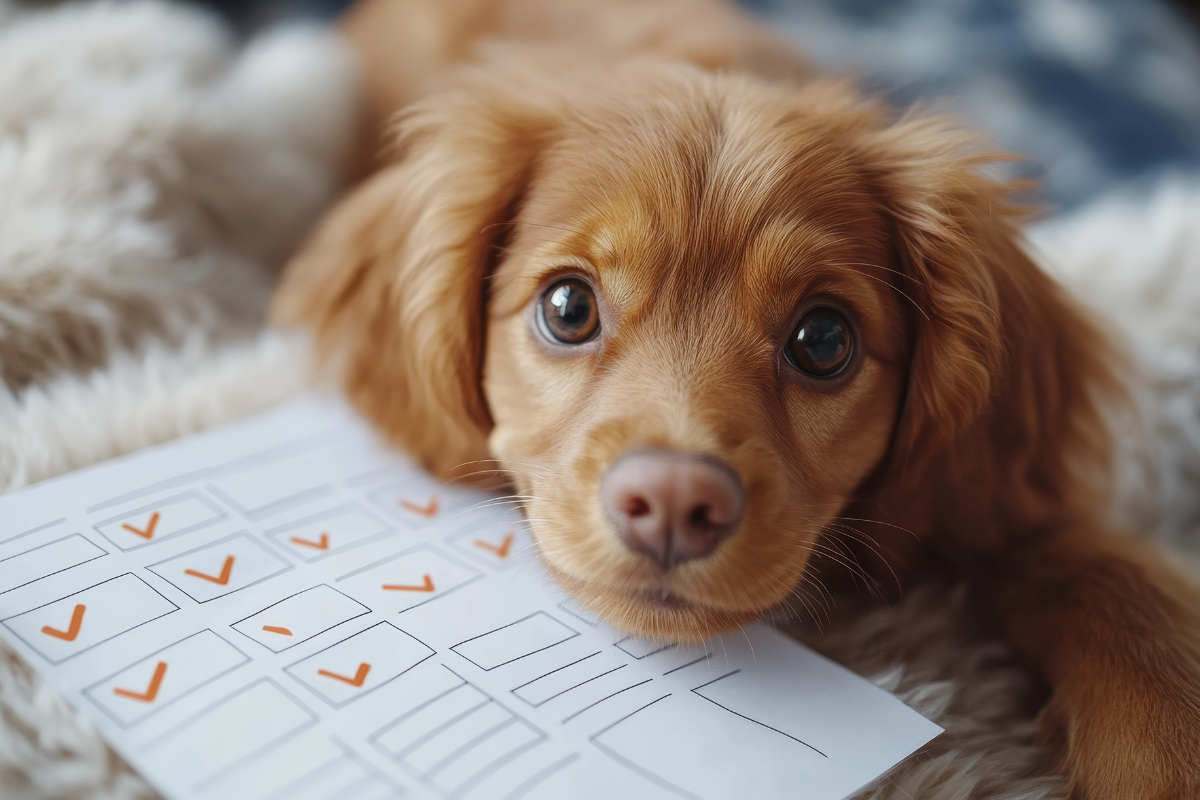
Bringing home a new puppy? Get ready for cuteness overload, lots of tail wags, and… a bit of chaos too. Puppies are like tiny, adorable tornadoes that can turn your world upside down in the best (and messiest) way possible. But don’t worry—we’ve got you covered with the ultimate checklist to make sure you’re prepped and ready for your new furry family member!
1. Food & Water Bowls (Because They Gotta Eat!)
Your pup needs their own dishes—preferably ones that won’t turn into chew toys. Stainless steel or ceramic bowls are a great choice because they’re durable and easy to clean. Bonus points if they’re non-slip because puppies = spills.
2. The Right Food (Nom Nom Time!)
Choosing the right puppy food is crucial. Whether you go with kibble, raw, or fresh food, make sure it’s packed with nutrients to fuel all that zoomie energy. Don’t forget treats—because bribery works wonders in training!
3. A Comfy Bed (For Those Puppy Zzz’s)
Even the most energetic pup needs a cozy spot to crash. Look for a bed that’s comfy, washable, and just the right size. Pro tip: A crate can double as a cozy den for naps and help with potty training.
4. Toys, Toys, and More Toys!
Puppies chew. A lot. Stock up on chew toys, squeaky toys, puzzle toys—basically anything safe and engaging to keep them entertained (and away from your favorite shoes). Variety is key to keeping boredom at bay.
5. A Collar, Leash & ID Tags (Stylish & Safe!)
Your pup needs some bling! A sturdy collar with an ID tag is a must in case they get a little too curious. Add a good-quality leash for walks and adventures. Bonus points for a harness if your pup’s a puller.
6. Poop Bags (Because, Well… You Know)
Let’s face it—puppies poop. A lot. Stock up on eco-friendly poop bags to keep your neighborhood clean and your conscience clear.
7. Grooming Supplies (Puppy Spa Time!)
Your pup’s coat will need some TLC. Grab a brush suited for their fur type, pet-friendly shampoo, nail clippers, and don’t forget those adorable puppy-sized toothbrushes to keep their breath fresh.
8. Crate or Playpen (For When You Need a Breather)
Crates and playpens are lifesavers when you need to keep your pup safe (and give yourself a moment of peace). They also help with potty training and give your puppy a place of their own.
9. Vet Care Essentials (Health = Happy Pup)
Find a great vet and schedule your puppy’s first checkup. You’ll need vaccinations, flea/tick prevention, and advice on nutrition and overall care. While you’re at it, look into pet insurance—it can be a real game-changer!
10. Training Tools (Because Manners Matter)
Start with the basics: puppy pads, clickers, and lots of patience. Enrolling in a puppy training class can be a fun way to bond and teach your pup some good habits.
11. Socialization Plan (Make New Friends!)
Puppies need exposure to different people, places, and experiences to grow into well-adjusted dogs. Plan puppy playdates, safe outings, and fun introductions to new sights and sounds.
12. Endless Love and Patience (The Real MVP)
Let’s be honest—puppy parenting can be tough, but the snuggles, sloppy kisses, and tail wags make it all worth it. Be patient, stay consistent, and enjoy every moment!
🤍 Self-care is all about wagging your tail and feeling pawsitively great! It involves activities that keep you happy, healthy, and full of energy.
🤍 Whether it’s a daily walk, a cozy nap, or some quality time with your favorite human, self-care helps you stay balanced and ready for all the fun life has to offer.
🤍 By making self-care a regular part of your doggy life, you can avoid feeling ruff, keep your tail wagging, and enjoy a pawsome life!
Become a Morning Pup:
Bedtime Routine: Snuggle up in your favorite spot and dream of chasing squirrels.
Gradually Adjust Wake-Up Time: Try going to bed a little earlier so you can wake up ready for morning adventures.
Prep for Success: Make sure your toys and treats are ready for the next day’s fun.
Movement: Start your day with a stretch and a wag to get your body moving.
Morning Rays: Bask in the morning sun to boost your mood and keep your coat shiny.
Morning Routine: A morning filled with belly rubs and playtime ensures a tail-wagging start to the day.
Fur Care Routine: Morning
Cleanse: Roll in the grass to freshen up your fur.
Tone: Shake off any dirt to keep your coat looking its best.
Serum: A good scratch behind the ears is like a serum for the soul.
Eye Care: Keep those puppy eyes bright with lots of love and attention.
Moisturize: A splash in the water bowl keeps you hydrated.
Sunscreen: Stay in the shade during hot days to protect your fur from the sun.
Fur Care Routine: Night
Double Cleanse: A gentle brush before bed keeps your fur tangle-free.
Exfoliate: A good roll in the dirt is great for exfoliating!
Tone: A shake-off after a bath balances your fur’s natural oils.
Acid Treatment: A little mud never hurt anyone!
Serum: A cuddle session is the best serum for a happy heart.
Moisturize: A cozy blanket keeps you warm and comfy.
Eye Care: A gentle wipe keeps your eyes clear and bright.
Fur Care Routine: Weekly
Sunday: A bath day to remove any dirt and keep your fur shiny.
Monday: A relaxing nap for a fresh start to the week.
Tuesday: A day of rest to recharge your paws.
Wednesday: A playdate for extra fun and socialization.
Thursday: Another rest day to keep your energy up.
Friday: A deep clean with a good brush to remove loose fur.
Saturday: A special treat to end the week on a high note.
Show Up Like THE Dog:
Diet: Stay hydrated and enjoy a balanced diet of kibble and treats.
Exercise: Keep active with walks, fetch, and playtime. Aim for at least 30 minutes a day!
Self-Care: Regular grooming keeps you looking and feeling your best.
Hygiene: Practice good hygiene with regular baths and teeth cleaning.
Fashion: Rock your favorite collar or bandana for a stylish look.
Budget: Keep track of your treats and toys to ensure you have enough for rainy days.
Take Care of Yourself:
Mindfulness: Enjoy quiet moments in the sun to relax and unwind.
Journal: Express yourself with a happy bark or a wag of the tail.
Relationships: Spend quality time with your humans and furry friends.
Hobbies: Chase a ball, dig a hole, or learn a new trick to keep life exciting.
Affirmations: Daily belly rubs boost your confidence and happiness.
Take a Break: Unplug from the hustle and bustle with a peaceful nap.
Summary: In the fast-paced world of fetch and belly rubs, it’s easy to forget to take care of yourself. A self-care routine helps you recharge, reduce stress, and keep your tail wagging. By taking time for activities that nourish your body and mind, you boost your overall health and become the best pup you can be, ready to tackle life’s challenges with a wag and a woof!
Bringing a puppy into your life is like welcoming a furry little tornado of joy, energy, and endless cuteness. But let’s be real—along with the cuddles and wagging tails comes the job of training. The good news? Training your puppy doesn’t have to be a chore! In fact, it can be a super fun adventure that’ll not only shape your puppy into a well-behaved superstar but also strengthen the bond between the two of you. Ready to dive in? Let’s go!
1. Start Early – Puppy Power Hour!
The best time to start training your puppy is right when they step paw into your home. Puppies are like little sponges, absorbing everything around them. Starting early means you’ll be able to teach them basic commands like “sit,” “stay,” and “come” before they even learn how to chew on your favorite shoes (don’t worry, we’ve got tips for that, too).
Tip: Keep training sessions short and sweet! Puppies have attention spans the size of a peanut, so aim for fun, 5–10 minute bursts of learning. Think of it as a training snack, not a full meal!
2. Positive Reinforcement – Treats, Praise, and Belly Rubs!
Who doesn’t love a good treat or a round of applause? Puppies do, too! Positive reinforcement is the secret ingredient to making training fun and effective. When your puppy does something right, reward them with a tasty treat, lots of praise, or a fun toy. This helps them connect the dots between good behavior and rewards.
Tip: Keep some high-value treats (hello, little bits of chicken or cheese!) on hand to really motivate your pup. Trust us, they’ll be working hard for those tasty morsels! 🧀🍗
3. House Training – Patience and Potty Time
House training might feel like a never-ending game of hide-and-seek (with a little potty action thrown in), but with consistency and a regular schedule, your pup will get it! Take your puppy outside every few hours, especially after meals, naps, and playtime. And when they go potty outside, it’s time to party! Celebrate their success with a big ol’ happy dance and lots of praise.
Tip: Crate training is your BFF here. Puppies tend to avoid soiling their sleeping area, so the crate can help them learn to hold it until they’re let outside. Plus, it doubles as a cozy nap spot!
4. Socialization – Meet the World, One Paw at a Time
A well-socialized puppy is a confident, happy puppy. Socialization is all about introducing your pup to different environments, people, and other dogs in a safe, positive way. Puppy playdates, trips to the park, or even a visit to a dog-friendly store can help your puppy become a well-adjusted little social butterfly.
Tip: Don’t rush it—take baby steps and let your puppy explore at their own pace. Soon, they’ll be ready to tackle the world with wagging tails and happy paws!
5. Set Boundaries – Who’s the Boss? Spoiler: It’s You!
Setting clear boundaries from the start is key to teaching your puppy how to be a good citizen in your home. Whether it’s not jumping on people, staying off the couch, or learning to settle down in their bed, consistency is everything. Be firm but fair, and your puppy will learn to respect the rules of the house.
Tip: Use the “no” command in a gentle, firm tone (no yelling!). And remember, redirection is your secret weapon—when your puppy does something you don’t like, gently show them what you do want them to do instead.
6. Basic Commands – Sit, Stay, and High-Fives!
Teaching basic commands like “sit,” “stay,” “come,” and “down” isn’t just about making your puppy look cute (though they will). It’s about keeping them safe and building a solid foundation for more advanced training later on. Plus, nothing feels better than showing off your puppy’s new skills!
Tip: Start with easy commands like “sit” and reward immediately. As your puppy nails the basics, you can add more complex tricks like “roll over” or “shake.” Who doesn’t love a pup who can high-five?
7. Patience – The Ultimate Training Tool
Training a puppy is a journey, not a race. There will be times when they make mistakes (like chewing on your shoes instead of their toys), and that’s okay! The key is patience and consistency. If you stay calm and persistent, your puppy will eventually get it. Remember, they’re learning just like you are!
Tip: Keep your sense of humor handy. When your puppy takes a detour into mischief (because they will), laugh it off, redirect, and keep the training fun and positive.
As a cat owner, ensuring the health and safety of your furry friend is a top priority. With the emergence of avian influenza, commonly known as bird flu, it’s crucial to understand how this virus can affect your beloved pet and what steps you can take to protect them.
Understanding Avian Influenza in Cats
Avian influenza is a viral infection that primarily affects birds but can also impact other animals, including cats. While the risk of transmission to cats is relatively low, it’s important to be aware of the potential dangers, especially if your cat has access to the outdoors or interacts with wild birds.
Symptoms to Watch For
If your cat has been exposed to avian influenza, they may exhibit symptoms such as:
Respiratory issues like coughing or sneezing
Neurological signs such as unsteady walking or seizures
Unusual lethargy or lack of appetite
These symptoms can also be indicative of other illnesses, so it’s essential to consult your veterinarian if you notice any changes in your cat’s behavior or health.
Prevention Tips for Cat Owners
Keep Cats Indoors: Limiting your cat’s outdoor access can significantly reduce their risk of exposure to infected birds or other animals.
Safe Feeding Practices: Ensure your cat’s diet is free from raw or unpasteurized animal products, which could be potential sources of the virus.
Stay Informed: Keep up-to-date with local avian influenza outbreaks and take necessary precautions to protect your pet.
Regular Veterinary Check-ups: Routine visits to the vet can help catch any health issues early and keep your cat in optimal health.
Why It’s Important to Act Now
While avian influenza in cats is rare, being proactive can prevent potential health issues and ensure your cat remains healthy and happy. By following these preventive measures, you can minimize the risk and provide a safe environment for your feline friend.
Learn More
For more detailed information on avian influenza and how it affects cats, you can visit the following resources:
Ah, Christmas! The time of year when homes are aglow with twinkling lights, the air is filled with the scent of pine, and everyone is wrapped in a warm, fuzzy feeling of joy and anticipation. But hey, while we’re all caught up in the holiday cheer, let’s not forget about our four-legged friends who are just as excited about the festivities. Ensuring their safety, finding the right toys, and providing optimal nutrition can make this season even more magical for them. So, how do we make sure our pets enjoy a paws-itively delightful Christmas?
Pet Safety: Keeping the Season Jolly and Accident-Free
1. Christmas Trees and Decorations: The tree might look like a giant chew toy to your pet, but it’s crucial to secure it properly to prevent any toppling accidents. Opt for shatterproof ornaments and keep tinsel, ribbons, and small decorations out of paw’s reach. Those shiny baubles might be tempting, but they’re not pet-friendly!
2. Holiday Plants: Mistletoe, holly, and poinsettias add a festive touch but can be toxic if ingested by pets. Consider using faux plants or keep the real ones well out of reach.
3. Electrical Cords: With all those extra lights, be mindful of electrical cords. Use cord protectors to prevent curious pets from chewing on them, which can lead to shocks or worse.
4. Gift Wrapping Supplies: After the wrapping frenzy, make sure ribbons, bows, and wrapping paper are cleaned up. These can be hazardous if swallowed by your curious furballs.
5. Fire Safety: Candles and fireplaces add ambiance, but they’re also potential hazards. Always supervise pets around open flames and consider using flameless candles for peace of mind.
6. Keeping Warm: Petland Iowa City shares helpful tips to keep your pet warm in cooler temps & seasons in their PAWsitively Petland Show. Click this link to tune in!
7. Pet Proof: Here’s a video on more pet proofing ideas for your home: Click here!
Toys: Finding the Purr-fect Present
– Interactive Toys: Keep your pets engaged and mentally stimulated with puzzle toys or treat dispensers. These are perfect for when you’re busy decking the halls.
– Chew Toys: For dogs, durable chew toys are a must. Look for toys made of non-toxic materials that can withstand a good gnawing session.
– Portion Control: It’s easy to overfeed during the holidays, but maintaining portion control is key to preventing weight gain. Consult your vet about the appropriate amount for your pet.
– Festive Meals: Prepare a pet-friendly version of your holiday feast. Plain turkey (without skin or bones), sweet potatoes, and green beans can be a delicious treat.
– Watch the Table Scraps: Avoid giving pets leftover bones, chocolate, or foods with onions, garlic, or raisins, as these are harmful to them.
Activities: Making Merry Memories
– Pet Photoshoot: Capture the holiday spirit with a festive photoshoot. Dress up your pets in cute, comfortable outfits and snap away. It’s a great way to create lasting memories.
– Christmas Walks: Take your dog for a stroll to enjoy the neighborhood lights. The fresh air and exercise will do wonders for both of you.
– Game Time: Dedicate some time to play their favorite games. Whether it’s fetch or tug-of-war, playtime is essential for their happiness. Do you want to keep your furry friend more active? Watch this video for ideas!
– Quiet Time Together: Amidst the hustle and bustle, spend quiet time together. Cozy up with your pet by the fireplace or while watching a holiday movie.
FAQs
Q: What are some signs that my pet might have ingested something harmful?
A: Look for symptoms like vomiting, diarrhea, lethargy, or unusual behavior. If you suspect your pet has eaten something toxic, contact your vet immediately.
Q: How can I keep my pet from getting anxious with all the holiday guests?
A: Create a safe space where your pet can retreat if things get overwhelming. Keep their routine as consistent as possible and provide plenty of love and reassurance.
Q: Are there any Christmas foods that are safe for pets?
A: Yes, plain turkey, carrots, and certain vegetables like green beans are generally safe. Always avoid onions, garlic, chocolate, and alcohol.
Conclusion
This Christmas, let’s make sure our pets are as merry and bright as the season itself! With a little planning and a lot of love, we can create a safe, fun, and nutritious holiday experience for our furry family members. After all, they’re not just pets; they’re family. So, bring on the festive cheer, and let the tail-wagging and purring begin!
There’s nothing like the joy of bringing a fluffy, four-legged bundle of joy into your life. Puppies are the ultimate companions—full of love, energy, and just a little bit of mischief! Whether it’s your first time bringing a pup home or you’re adding a new member to your growing pack, there are a few key things to keep in mind to help your new puppy thrive. Get ready for an adventure of snuggles, playtime, and puppy kisses with these fun and playful tips!
1. Pick Your Perfect Match
Before you meet your new best friend, you’ll want to make sure you’re picking a puppy that suits your lifestyle. Are you a morning jogger who needs a running buddy? Or maybe you’re more of a Netflix-and-chill type who loves to snuggle on the couch? Think about your energy levels, living space, and how much time you can devote to your puppy’s playtime. Choose a pup whose personality matches your own—because let’s face it, the last thing you want is a tiny whirlwind when you’re more of a “couch potato” kind of person!
2. Puppy-Proof Like a Pro
Puppies are like tiny explorers with zero concept of “danger.” They want to sniff, nibble, and get into everything. So, it’s time to get your home puppy-proofed! Think of it like a scavenger hunt where your puppy is the determined little adventurer and your household items are the treasure. Lock away sharp objects, hide the trash can, and make sure anything breakable is out of reach. Also, put away those electrical cords—puppies love to chew on them like they’re the world’s tastiest treat (but trust us, they’re not).
3. Training? More Like Playtime!
Training your puppy doesn’t have to feel like a chore—it’s actually an opportunity to bond with your new bestie! Start with the basics—sit, stay, come—and keep it fun. Treats are your best friend here, and your puppy’s best friend too. Positive reinforcement is key to making training an enjoyable experience for both of you. And remember: your puppy’s attention span is about as long as a squirrel’s, so keep sessions short and sweet. Also, don’t be surprised if your puppy decides the “sit” command is really more of a suggestion—puppies have a way of doing their own thing!
4. Socialization Adventures
Puppies are social butterflies at heart! Early socialization is one of the best gifts you can give your puppy. Expose them to new people, dogs, and environments to help them become confident and well-adjusted. Think of it like a mini puppy vacation every time they meet a new furry friend or visit a new place. Just remember to keep it low-pressure—no need to throw a puppy party every weekend. A few positive experiences will go a long way in helping your puppy grow into a friendly and confident dog.
5. Feed Them Like Royalty
Your puppy’s growth depends on the right nutrition, so treat mealtime like the special occasion it is! A balanced diet will help them grow big and strong, but not too big (watch out for the overfeeding trap). Stick to the recommended portions and feed your puppy high-quality puppy food that supports their development. And if they give you those puppy eyes while you’re eating your dinner—no, they can’t have a bite of your pizza (trust us, they’ll be just fine with their own bowl of yum).
6. Exercise is Play, Not Work!
Puppies have more energy than a toddler on a sugar rush, so get ready to play, play, and play some more. But don’t worry, you don’t need to run marathons—short walks, fetch sessions, and backyard play will be more than enough to keep your pup happy and healthy. Just be sure to let them rest in between playtime to recharge their little batteries. And, hey, if you’re the type to go on spontaneous adventures, your puppy’s always ready for a good time—whether it’s a nature hike or a trip to the park.
7. The Grooming Game
Okay, let’s be real: grooming is often a messy (and slightly muddy) affair. But a clean puppy is a happy puppy! Brushing your pup’s fur will not only keep them looking fabulous but will also reduce shedding and prevent matting. Depending on your puppy’s breed, you may need to visit the groomer every now and then, but at home, regular brushing and the occasional bath will do the trick. And don’t forget those puppy paws—regular nail trims are essential to keep them from scratching up the furniture or, worse, hurting themselves.
8. Bonding Through Playtime
At the end of the day, the most important part of raising a puppy is building that bond of trust and love. Playtime is not just about getting out the energy—it’s a golden opportunity to deepen your relationship. Whether you’re tossing a squeaky ball, having a tug-of-war battle, or just lying on the couch together, these moments create memories that last a lifetime. Don’t rush the process—let your puppy take the lead when it comes to play and let the fun unfold naturally.
9. Puppy Misadventures Are Normal
Let’s face it—puppies will be puppies! There will be accidents (hello, potty training), chewed-up shoes (sorry, not sorry), and plenty of mischievous moments. But that’s all part of the fun. The key is to stay patient and positive. Celebrate the little victories—like when your puppy finally gets the hang of potty training or learns to “sit”—and laugh off the goofy moments. Puppies are learning about the world, and you’re their guide, so enjoy the ride!
10. Patience, Love, and Laughter
Raising a puppy can be a whirlwind, but it’s also one of the most rewarding experiences you’ll ever have. The journey is full of highs and lows, but at the end of the day, your puppy will love you unconditionally. With patience, love, and a good sense of humor, you’ll navigate the joys and challenges of puppyhood together.
So there you have it—your ultimate puppy playbook! From choosing the perfect pup to sharing in playtime adventures, your puppy is sure to bring a lifetime of joy and happiness into your life. Enjoy every single moment of puppyhood—it goes by faster than you think! 🐾
Thanksgiving is the time to shine brighter than a disco ball in the holiday hall of fame. It’s when families roll in like divas, and pets strut their stuff with tails wagging like backup dancers. Your pet’s sniffer? It’s the lead vocalist in a symphony of savory scents, detecting every morsel from miles away. Who needs a turkey timer when you’ve got a dog drooling at the oven door like it’s a rock stars concert?
Transitioning from summer to fall, Thanksgiving brings a cozy vibe filled with colorful leaves, pumpkin spice everything, and the promise of a warm meal. It’s a season to reflect on the things that make you feel like a superstar, including your furry companions who turn every day into a chart-topping hit. So, grab your pilgrim hats and prepare for a Thanksgiving celebration that’s pet-friendly and full of heart.
As we dive into the festivities, remember it’s not just about the food. Thanksgiving is about gratitude, family, and creating memories that make you want to sing. And yes, that includes your four-legged family members who deserve a seat at the table—figuratively, of course, unless your cat’s been practicing with a fork.
2. Pet Safety: Avoiding the Thanksgiving “Oops”
Thanksgiving is a time of joy, but it can also be a runway of potential hazards for our pets. From tempting turkey bones to sneaky side dishes, it’s essential to keep an eye on what your pet is getting into. After all, the last thing you want is a trip to the emergency vet because Fluffy took a bite out of Aunt Edna’s stuffing like a surprise album drop.
First, let’s tackle the turkey. While it might be the centerpiece of your meal, turkey bones are a major no-go for pets. They can splinter and cause serious injury. Instead, offer your pet a small, boneless piece of cooked turkey as a treat. Just remember to skip the skin and gravy, as they can be too rich for sensitive tummies.
Next, keep an eye on those sides. Onions, garlic, and certain spices can be toxic to pets. A simple rule of thumb: if you wouldn’t feed it to a baby, don’t feed it to your pet. For a safe alternative, consider whipping up a pet-friendly dish using plain, cooked pumpkin or sweet potato. Your pet will thank you with extra tail wags and purrs.
3. The Thankful Pet: Gratitude from a Furry Perspective
Thanksgiving isn’t just for humans; it’s a perfect time for pets to express their gratitude too. While they might not be able to say “thank you” verbally, their actions speak volumes like a soulful ballad. Whether it’s a wagging tail, a gentle nuzzle, or the way they follow you around like a shadow, our pets have their unique ways of showing appreciation.
Consider the everyday moments when your pet shows gratitude. Maybe it’s the way your dog greets you with a happy dance every time you walk through the door or how your cat curls up in your lap with a contented purr after a long day. These gestures remind us of the simple joys and unconditional love our pets bring into our lives.
This Thanksgiving, take a moment to reflect on what your pet adds to your life. Perhaps it’s companionship, laughter, or even a sense of purpose. Whatever it is, remember that your pet is thankful for you too. After all, you’re the one who fills their bowl, scratches their ears, and makes them feel like the most important creature on the planet.
Who says pets can’t enjoy a festive feast of their own? With a little creativity, you can whip up some delicious and safe Thanksgiving treats that will have your pet licking their chops and begging for more. Let’s explore some pet-friendly recipes that are sure to be a hit.
First up, we have “Pumpkin Paw Prints.” Simply mix canned pumpkin (make sure it’s pure pumpkin, not pie filling) with a bit of oat flour. Roll the mixture into small balls and flatten them with a fork to create a paw print design. Bake them at 350°F for about 20 minutes, and voila! A tasty treat that’s perfect for your canine companion.
For our feline friends, try the “Turkey Delight.” Combine cooked turkey with a bit of shredded cheese and a dash of catnip. Form small patties and bake until lightly golden. These treats will have your cat purring with delight and possibly plotting to secure more turkey pieces from the main table.
5. Pet Nutrition: Keeping It Healthy and Happy
With all the tempting treats around, it’s easy for pets to overindulge during Thanksgiving. While it’s okay to share the holiday spirit, it’s essential to ensure your pet’s diet remains balanced and healthy. Let’s explore some nutrition tips to keep your pet in tip-top shape.
First, portion control is key. While it might be tempting to spoil your pet with extra treats, remember that moderation is crucial. Too many rich foods can lead to upset stomachs or even more severe health issues like pancreatitis. Keep portions small and focus on offering nutritious options.
Secondly, consider incorporating some Thanksgiving superfoods into your pet’s diet. Foods like pumpkin, sweet potatoes, and green beans are not only delicious but also packed with nutrients. These can be a great addition to your pet’s meal, providing fiber, vitamins, and antioxidants.
Lastly, always have fresh water available. With all the excitement and extra treats, your pet might need more hydration than usual. Ensure their water bowl is filled and accessible, allowing them to quench their thirst after a busy day of festivities.
6. Thanksgiving Traditions: Including Your Pet
Thanksgiving traditions are as varied as the families who celebrate them. Whether it’s watching the Macy’s Thanksgiving Day Parade, playing a friendly game of touch football, or simply enjoying a post-dinner nap, there’s always room for your pet to join in the fun.
Start by involving your pet in the preparations. Perhaps they can “help” you in the kitchen by keeping the floor clean of any accidental spills. Or, if you’re into crafting, involve them in making festive decorations. Imagine a garland of paw prints or a turkey hat made just for your dog!
When it’s time for the main event, create a cozy space for your pet to relax. A comfy bed or blanket near the gathering area allows them to be part of the celebration without getting underfoot. Plus, it gives them a front-row seat to all the action, including any potential food drops!
7. The Great Outdoors: Thanksgiving Walks and Adventures
Thanksgiving isn’t just about feasting—it’s also a perfect time to enjoy the great outdoors with your pet. After all, a brisk walk or a romp in the leaves can be the perfect antidote to a turkey-induced food coma. Let’s explore some ways to incorporate outdoor activities into your Thanksgiving celebration.
Begin your day with a morning walk. The crisp fall air and vibrant foliage provide a refreshing start to the holiday. Plus, it’s a great way to expend some of your pet’s energy before the hustle and bustle of the day begins. Who knows, you might even spot a squirrel or two!
If you’re feeling adventurous, consider organizing a Thanksgiving-themed scavenger hunt. Create a list of autumn items to find, such as acorns, colorful leaves, or even a turkey feather (if you’re lucky). It’s a fun way to engage both humans and pets while enjoying nature.
Finally, remember the importance of rest. After a day full of excitement, ensure your pet has a quiet place to unwind. A cozy corner with their favorite toy or blanket can help them recharge, ready for the next round of holiday fun.
8. Giving Thanks: The Joy of Pet Adoption
Thanksgiving is a time for gratitude, and what better way to express thankfulness than by giving a pet in need a loving home? Many shelters and rescues have pets waiting for their forever families, and opening your heart and home to a new companion can be the ultimate act of kindness.
Adopting a pet is a rewarding experience that brings joy and purpose to both you and your new furry friend. By choosing adoption, you’re not only giving a pet a second chance but also making room for another animal in need. It’s a win-win situation that embodies the spirit of Thanksgiving.
If you’re not ready to adopt, consider volunteering at a local shelter or donating supplies. Your time and contributions can make a significant difference in the lives of homeless pets. Plus, spending time with animals can be a fulfilling and heartwarming way to celebrate the holiday.
9. Spreading Kindness: Pets and Community Involvement
Thanksgiving is about sharing love and kindness, and pets can play a vital role in community involvement. Whether it’s participating in a charity walk, visiting a nursing home, or simply spreading joy at a local event, pets have a unique ability to bring people together.
Consider organizing a pet-friendly charity event, such as a walk or a photo contest, to raise funds for local animal shelters. It’s a fun way to engage the community while supporting a worthy cause. Plus, who doesn’t love seeing pets in adorable Thanksgiving costumes?
If you have a well-behaved pet, consider visiting a nursing home or hospital. Many facilities welcome therapy animals to bring comfort and joy to residents. Your pet’s presence can brighten someone’s day and create lasting memories for everyone involved.
10. A Heartfelt Thanksgiving: Cherishing Moments with Pets
As the Thanksgiving festivities wind down, take a moment to reflect on the cherished moments shared with your pet. Whether it’s a funny mishap, a sweet cuddle, or simply lounging together on the couch, these are the memories that create the tapestry of our lives.
Capture these moments with photos or videos, creating a visual diary of your Thanksgiving celebration. These snapshots will serve as reminders of the love and joy your pet brings into your life, long after the holiday has passed.
Finally, as you tuck your pet in for the night, give them an extra hug and whisper a word of thanks. For in the grand tapestry of Thanksgiving, our pets are the threads that bind us with love, laughter, and a touch of fur-covered magic.
Happy Thanksgiving to you and your furry family members! May your holiday be filled with love, laughter, and lots of tail wags or purrs.
Ensuring the well-being of your pets is not just about providing food and shelter; it’s about understanding their needs at every life stage and offering a holistic approach to their health. From balanced nutrition to mental enrichment, this guide will help you support your pets in living their best lives.
Balanced Nutrition for Every Life Stage
Puppies and Kittens: Start with high-quality, protein-rich diets tailored for growth. Choose foods specifically formulated for young pets to ensure they get the essential nutrients needed for development.
Adult Pets: Maintain a balanced diet with an appropriate mix of proteins, fats, and carbohydrates. Consider your pet’s activity level and health requirements.
Senior Pets: Opt for diets that support joint health and contain antioxidants. Senior formulas often have reduced calories to prevent unnecessary weight gain.
Exercise and Physical Health: Fun Activities to Keep Your Pets Active
For Dogs: Engage in activities like fetch, agility courses, or long walks. Interactive toys and puzzle feeders are great for mental stimulation.
For Cats: Use laser pointers, feather wands, or climbing trees to encourage play and exercise.
For Small Animals: Create obstacle courses or provide wheels and tunnels for exercise.
Regular vet visits are crucial for early detection of health issues, keeping vaccinations up-to-date, and monitoring your pet’s overall health, including weight and dental condition.
Mental Well-being and Enrichment
Creative Enrichment Ideas
Use puzzle toys that dispense treats to challenge your pet’s mind. Scent games, where you hide treats around the house, can engage their sense of smell. Regular training sessions to learn new tricks or commands can keep your pet mentally stimulated.
Managing Common Behavioral Issues
Combat anxiety by providing a safe space or using calming aids. For aggression, identify triggers and work with a professional for behavior modification. To address destructive behavior, increase exercise and offer appropriate toys.
Preventive Health Care
Vaccinations and Routine Vet Visits
Ensure pets receive core vaccines like rabies and distemper. Annual exams help assess health and update vaccinations.
Parasite Prevention Tips
Year-round flea and tick control is essential, along with monthly heartworm prevention. Regular deworming as recommended by a vet can prevent intestinal parasites.
Secure cabinets, remove toxic plants and use gates to block off dangerous areas. Create safe spaces with comfortable bedding and toys.
Essential First Aid Tips for Emergencies
Keep a first aid kit with essentials like bandages and antiseptic wipes. Learn basic skills, such as CPR and handling common injuries, and keep emergency contacts handy.
Seasonal Care Tips
Caring for Pets in Different Seasons
In winter, provide warm bedding and check paws for ice or salt. During summer, ensure access to shade and fresh water, and avoid walking in peak heat. Adjust grooming routines in spring and fall to manage seasonal allergies.
Safe Travel Tips with Your Pets
Use pet seat belts or carriers for car safety. Take frequent breaks during long trips and ensure pets have up-to-date ID tags and microchips.
Pet wellness is an ongoing commitment that encompasses nutrition, exercise, mental enrichment, and preventive care. By understanding and catering to the diverse needs of your pets at different life stages, you can ensure they lead happy, healthy lives. Remember, regular vet visits and a proactive approach to health care are key components of responsible pet ownership. For more insightful tips and guidance, stay connected with our blog and take proactive steps to enhance your pet’s life today!