Category: Petland

  • Petland’s Top 5 Small Breed Dogs

    Petland’s Top 5 Small Breed Dogs

    Small breeds are much beloved because of a range of factors including ease of care, the fact that they fit in small apartments, and very essential, they can go just about anywhere with you. If you are wondering what breed to go for yourself, here is Petland’s top 5 small breeds of dogs: 

    Maltese

    The Maltese is one of the most common breeds of small dogs and comes with its characteristic soft and silky white coat. This breed is well known for its loyalty and is also very playful and full of energy. They are a very brave breed and were a rave back in the day when the Roman Empire still stood. 

    Yorkshire Terrier

    Commonly known as the “Yorkie”, this popular dog breed is highly intelligent and takes to training easily. They are energetic and brave and require only moderate exercise. They have also been used as therapy dogs at some point in history, specifically during World War II. 

    Miniature Dachshund

    The miniature Dachshund is well-loved because of its amusing, yet adorable looks. They are very loyal, fierce protectors, and active. Their short coat requires only minimum grooming and she’d very infrequently. Given their part terrier and part hound roots, they can be feisty on occasion. 

    Shih Tzu

    Shih Tzu’s bright eyes and tiny face can be regarded as their main selling point. In addition to this, they have flowing hair which you can tie up in a knot to keep out of their eyes and you can maintain a short coat as well. A fun fact to note is that they were the major breed that Chinese emperors owned. 

    Pomeranian

    The Pomeranian has a fox-like appearance and a beautiful fluffy coat. They relate well with other breeds and are hugely intelligent and cheerful. They make for excellent watchdogs and can be taught a trick or two with time. They shed regularly and require frequent grooming. 

    Conclusion 

    If you’re looking for a small dog breed, then you can opt for any of the options mentioned. They are excellent breeds and you would fall in love with them in no time.
  • Best Ways to Socialize Your New Puppy

    Best Ways to Socialize Your New Puppy

    The first three months of your pup’s life would very much shape the rest of their personality and how they relate to their environment. Socializing your pup guarantees that you would end up with a confident and well-adjusted dog. Here are some ways to socialize your puppy: 

    The Outdoors 

    Introduction to new sights, sounds, and smells begins in the outdoors and then continues in the outdoors. Outdoors is where most of the adjustment happens. A multitude of new sensations would assault your pup’s senses and he may need to adjust gradually. Over time, familiarity would occur. 

    The Dog Park 

    Visiting the dog park should be scheduled for later during the socialization process. Ensure that your pup has developed some level of confidence so that they can be comfortable around other dogs. The dog park experience is an important one because you could term it the ultimate test of socialization. 

    The Neighborhood 

    Out on a walk and saying hi to the neighbors, allow your pup to say hi too. This helps him adjust to interacting with other people apart from you. If they want to come close and pet him, even better. Similarly, this is a good way to work on leash training too, helping him adapt to walking on a leash. 

    Puppy Classes 

    Once vaccinations are being taken care of, puppy classes can commence. These classes are designed to help puppies understand basic commands, and it also provides an excellent avenue for your pet to interact with other dogs and humans in a safe space. Socialization is also important for potty training. 

    Conclusion 

    Socializing your dog is important to help them enjoy the outdoors and be in the company of other people and animals without fear. 

  • Top Pet Health Tips for Spring

    Top Pet Health Tips for Spring

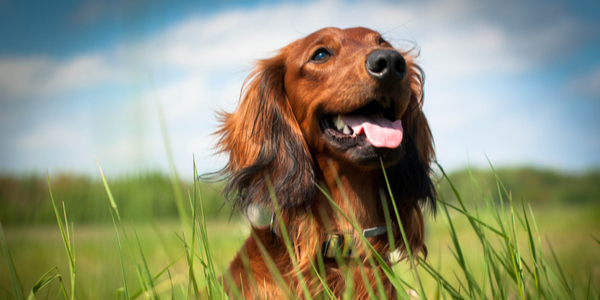
    It’s springtime! The weather is warm and the outdoors is beautiful! This is definitely no time to stay indoors and Daisy definitely agrees. Now, before exploring the great outdoors for new scents and beautiful sights, it is important to ensure that your pet is protected. This article covers some tips to help. 

    Vaccinations!

    You need to ensure that your pet is up to date on her yearly deworming and vaccinations. You can easily do this by reviewing the vaccine cards. If you’re not sure or they are still missing some, be sure to pay a visit to the vet. 

    Plenty of Exercise 

    Dogs are generally an energetic breed, and as a result, require lots of exercise to burn off energy. Playing in the outdoors helps Daisy 

    with weight control and effectively reduces boredom, depression, and anxiety as well. The sun also provides vitamin D for your pet. Hikes and dog parks can be fun as well. 

    Watch Out for Allergies 

    Some dogs have seasonal allergies such as a reaction to ragweed for instance. Be sure to look out for changes in habits and physical appearance. If you think anything is out of place, examine your pet closely and then take them to the vet. 

    Flea and Tick Prevention 

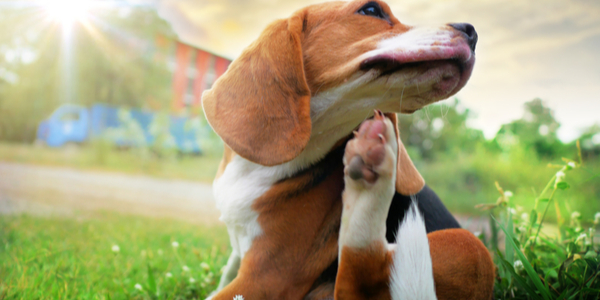
    While the weather is perfect for Daisy to play, it is also perfect for fleas and ticks to come traipsing about. Preventing an infestation is way easier and better than treating one, so, get to work! 

    Use Safe Cleaning Materials!

    Spring cleaning is a tradition for many families, and if you would be doing some cleaning, ensure that the materials are dog-friendly. Ensure that it is clearly stated before embarking on your cleanfest. 

    Conclusion 

    These are some major tips that can help ensure that Daisy stays healthy and has an incredible Spring!

  • The Benefits of Children and Puppies Growing Up Together

    The Benefits of Children and Puppies Growing Up Together

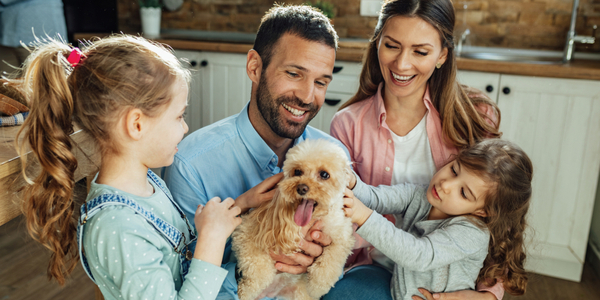
    Many people agree that their family dog growing up definitely impacted their lives in various ways. The benefits that accrue to growing up with puppies is definitely significant. So, what are some of these benefits?

    Friendship 

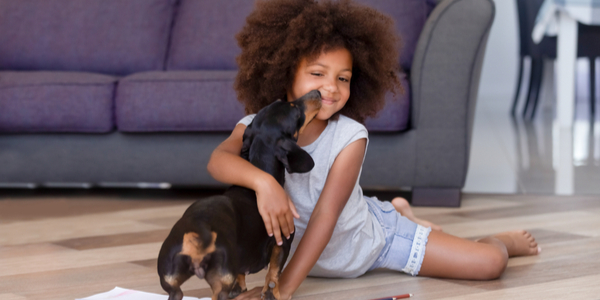
    You could resonate more with ‘companionship’, but friendship does great justice. This is because more often than not, a child’s first friend is their dog. One that offers non-judgemental, full-blown adoration, and the child could do no wrong. Having a pup can teach kids how to treat a friend with respect. 

    Empathy 

    Kindness and empathy are traits that can be taught, and are even better stirred naturally. The relationship between a child and his mutt is one that can inspire the knowledge of loving and showing kindness to others. This lesson translates to real life and the way to treat other people. 

    Responsibility

    Owning a pet saddles children with responsibilities at a very young age. This is important to help them build skills like carrying out certain duties because they have been saddled with it. Building this attribute very early in life does wonders for later life. 

    Patience 

    Your pet can get naughty sometimes and be on their worst behavior. It is times like this that teaches patience. Children have a great deal to benefit from experiencing such activities growing up. Since kids are a lot more expressive, you would be able to see how they handle and learn from situations like that. 

    Conclusion 

    A major part of any individual is formed during the childhood phase. The attributes highlighted are a few amongst the many that kids can learn and grow to be emotionally well-rounded adults. Petland definitely recommends. 

  • Having a Great Veterinarian is Always a Good Thing

    Having a Great Veterinarian is Always a Good Thing

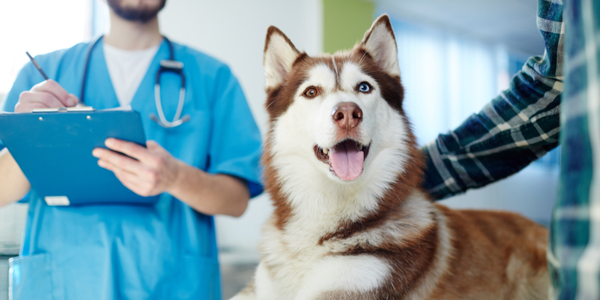
    The only thing better than having a good veterinarian is having a great one. The job of a veterinarian starts right before puppies are born, or in your case, shortly after their gotcha day. So, why is it important to have a great veterinarian?

    Early Disease Detection 

    As much as you want your pup’s life to be perfect and disease-free, pups sometimes come down with various ailments. Now, this may be no fault of yours, it could be as simple as an immune system compromise or an infection. A veterinarian can detect any changes in behavior with a professional eye and prevent deterioration in health. 

    Bad Behavior 

    There are times when try as you might, it seems like Sirius just isn’t ready to drop some bad behavior. Now, it is possible that you are approaching change the wrong way. Having a veterinarian allows you to consult professional opinion and get a solution easily. 

    Preventative Health Care 

    Even better than treating ailments, preventing them is an excellent alternative. Rather than having to subject your pet to a series of treatments because they are ill, you can avoid all this altogether. Preventative health care mainly works with having routine appointments set up. 

    General Wellness 

    Your pet’s general wellness is essential, both physically and mentally. This is why Petland stores have partnered with local veterinarians to check in their puppies to make sure they are happy and healthy and ready to find their forever home. Veterinarians are also tasked with setting up health protocols in stores. This is key to guaranteeing general wellness for all pups and something you should definitely consider as well. 

    Conclusion 

    The first step to ensuring that your pet has a great life is nutrition and exercise. Another is having a great veterinarian on hand.

  • Petland’s Top 5 Breeds for Families

    Petland’s Top 5 Breeds for Families

    The international canine club recognizes over 360 dog breeds. Of these breeds, several are best suited to various activities or roles. Upon careful review, we have come up with the top 5 breeds that are well suited to ‘family life’. 

    Labrador Retriever

    The Labrador Retriever is one of the most popular breeds for family and for good reason. They are known to be patient, protective, playful, loving, and reliable. Labs are also highly intelligent and can be trained easily. They are a high-energy breed, love to run around, and boast great strength and stamina. 

    Goldendoodle

    Goldendoodles are a cross between a Golden retriever and a Poodle. They have a moderate activity level and are smaller in size than their parent breeds. They are highly intelligent and take to training easily if you start early. They may be touted as a hypoallergenic breed as a result of the Poodle in their heritage. 

    Golden Retriever

    The hallmark of the Golden Retriever is their patience which makes them perfect for children. They are also super smart, confident, loyal, and kind. Neither timid nor aggressive and full of energy to play as well. They are very obedient and affectionate, providing love to all. 

    Beagle

    The Beagle has a very calm temperament and a small size that allows them to be carried easily. This combination makes them a good choice for a family dog. They are very playful and are right at home in the outdoors. They are also accommodating of other pets and make for a great play partner. 

    Bulldog

    The Bulldog doesn’t boast a lot of energy but surely makes up for it in the affection department. They have a sturdy build and are very friendly, docile, and loyal. Their small size makes them suited to both small apartments and large houses. 

    Conclusion 

    Those are the top 5 breeds that Petland can guarantee would fit right into the family. Of course, before eventually settling for one, be sure to get super familiar with the breed. 

  • How To Keep Up With Your Pup Between Grooms

    How To Keep Up With Your Pup Between Grooms

    Every four to six is the ideal time after which a visit to the vet or a professional groomer is necessary. However, during this period, maintaining your dog’s grooming is a key part of providing care. 

    If you struggle with consistency or you don’t want to forget, you can always create a schedule to keep on track. 

    Once your schedule is up, here are three common grooming activities that you can carry out: 

    Baths 

    Lucky if your pet loves water. If they don’t, they would still need to take baths anyway. Baths can be pretty relaxing and they keep your dog from stinking up the entire place. 

    Using a dog soap recommended by the vet is ideal because they are generally less harsh and friendly on dog skin. 

    Remember to wash the paws, inside the ears, and generally wash all of the hard-to-reach places. 

    Nail Trims 

    If you don’t want nail marks all over your clothing or claw tracks on the rug, then take nail trims very seriously. 

    One point to note however is that you should always leave some allowance, don’t cut all the way down. 

    This way, you can avoid mistakenly causing injury to your beloved pet. Remember that you can give your pet treats for being a good boy/girl during the nail trim. 

    Brushing Sessions 

    Looking to avoid matted fur? This is the best go-to grooming option. Brushing sessions are especially important if your pet has a lot of fur and sheds significantly. 

    You can arrest the shedding ahead of time, and keep their coat smooth and shiny. After brushing, you can spray them with delicious scenting dog sprays that you can get from Petland stores. 

    You can Max smelling like a peach if you want. 

    Conclusion 

    Just like humans, constant grooming is what gets your pet smelling and looking like a million dollars! 

  • Springtime Makes for the Perfect Fur Baby Photo!

    Springtime Makes for the Perfect Fur Baby Photo!

    Spring brings the flowers to bloom and the greenery back to life, and it’s no doubt one of your pup’s favorite seasons. Lots of time to be spent in the great outdoors and what’s more, the weather is getting warm too. 

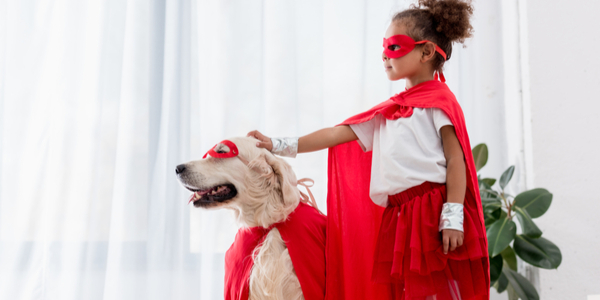
    For a bit of fun this spring, one trend you can consider is playing dress up! Picture dressing your fur baby in a nice, smart plaid shirt and maybe wearing one to match too! You could have loads of fun like organizing photo shoots, maybe a party or two too! 

    Many people love to play dress up with their dogs and post photos on social media, and this definitely makes for an excellent idea. For starters, it is a great way to share the moment and cute pictures with the rest of the world via the internet. 

    In addition, posting on platforms like Instagram allows you to save pictures on there for as long as you want and you can use it as a form of album or cloud storage for Max’s pictures. In the years to come, you could easily access the images from your smart device and recall the enchanting memories that you created that day. 

    There are quite a number of dogs on Instagram, some even having their own accounts and in collaboration with their partners, may work as influencers. They commonly have pictures of them taken, for instance, there’s @magnusthetherapy dog on Instagram. You would commonly find him posing with his owner in various getups, even a chef’s cap!

    Also, @barked, a community for dogs on Instagram commonly posts up cute photos of different dog breeds. It should be no surprise to find a dog all suited up complete with a tie. What more are you waiting for? Get to creating memories!

    Conclusion 

    A well dressed dog gets compliments and pats from all and sundry. Give your pet the chance to be a hotshot dresser this spring!

  • Do Dogs Have Allergies?

    Do Dogs Have Allergies?

    Are dog allergies a thing? Yes. Dogs do have allergies too. Generally, dog allergies are divided up into three categories:

    • Skin allergies
    • Food allergies  
    • Acute allergic reaction 

    Skin Allergies

    Skin allergies or allergic dermatitis rank as the most prevalent allergic reaction in dogs. They are caused by one of the following three:

    • Food allergies 
    • Flea allergy dermatitis 
    • Environmental allergens 

    These allergies may present as itchy skin, resulting in skin becoming red, inflamed, and scabbed. Flea allergy dermatitis is caused by fleas while environmental allergens like pollen, mold and dust may cause atopic dermatitis or atopic allergic reactions.  

    Food Allergies 

    Actual food allergies in dogs stimulate an immune response which can present symptoms ranging from skin conditions like facial swelling, hives, and itchiness to gastrointestinal signs like vomiting and/or diarrhea. Anaphylaxis may occur in rare cases. 

    Food allergies are rare and the most common form of reaction to foods in dogs is food intolerance. These do not induce an immune response and are simply a reaction to a disturbing ingredient. 

    To diagnose and manage a food allergy, it is essential to work with your veterinarian.

    Acute Allergic Reaction 

    This is the most alarming of all three allergy types. A reaction to an allergen can send dogs into anaphylactic shock which can be fatal if not quickly handled. 

    Some common causes of this include vaccine reactions and bee stings. The upside is that anaphylactic reactions are very rare in dogs. 

    Common reactions to an allergen could include swellings of the throat, lips, face, ear flaps, and eyelids. 

    Treatments for Allergies 

    The top cure for allergies is total avoidance of culprit allergen. For instance, getting rid of fleas would prevent flea allergy dermatitis and taking out offending ingredients can prevent food intolerance. 

    Veterinary medicine has come a long way and swellings from a reaction can commonly be treated with an antihistamine. Similarly, your veterinarian may prescribe other medication for allergy relief. 

    What You Can Do To Aid Allergy Relief

    To aid allergy relief at home, you can keep offending ingredients and insects at bay. Also, certain home remedies may help. 

    Conclusion 

    Prevention is the keyword here. Keep an eye out and prevent reactions altogether. 

  • Did You Know Petland Provides Classroom Pets for Teachers?

    Did You Know Petland Provides Classroom Pets for Teachers?

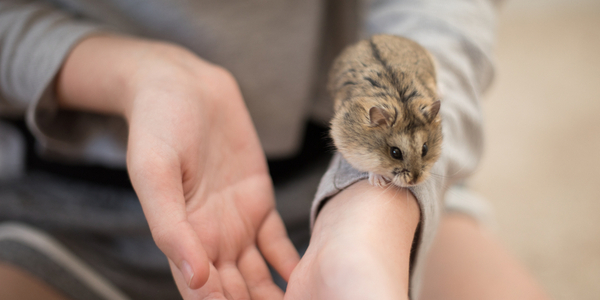
    Research has shown that students interacting with pets in the educational setting has social, behavioral and academic benefits. Classroom pets can reduce school-related stress, boost reading competency and enhance academic performance overall. 

    For young children, taking care of pets from a young age helps instill social and emotional skills. This process also enables children to develop a sense of responsibility and feel sensitive to others outside of themselves, boosting their confidence levels too. 

    This is exactly why Petland stores are part of the initiative to help teachers receive a pet for their classroom. 

    How To Apply

    The process of applying for the Classroom grant program is a pretty straightforward one. Here are the three steps: 

    1. Check Whether You Qualify 

    To qualify, you would need to check the following boxes: 

    • Be a pre-K through 9th grade public or private school teacher in the US or Canada (Pre-K begins at age 3)
    • Must be your first time applying for a Pets in the Classroom grant that school year
    • If you’ve been a recipient of a store or rebate grant, you would only be eligible for the Sustaining Grant 

    A “yes” to all three requirements implies eligibility. 

    1. Choosing a Pet 

    A range of factors affect a choice of pet in this case. Some major ones include: 

    • Your experience level with pets
    • How long you’re willing to care for the pet
    • The classroom environment/dynamic
    • The noise level in your classroom
    • Ease of handling pet
    • Potential zoonotic diseases associated with pet
    • Costs involved in caring for the pet
    • Access to veterinary care  

    These are a few factors that you would need to consider. 

    1. Choosing a Grant 

    There are a number of grants available and this is where Petland comes in. You can apply to the grant here after creating an account with Pets In the Classroom. 

    Conclusion 

    Pets teach us a whole lot and it’s not too early to allow them impart your students too.