Author: Petland

  • The BIGGEST Dogs

    The BIGGEST Dogs

    Despite their intimidating appearance, larger dog breeds are generally well-tempered, caring, and friendly animals!  Throughout history, many of these dogs have been relied on for their strength and size to help them excel in protecting livestock, work around the farm, and guarding their home. Below are the top six largest breeds of dogs and some interesting information about them.

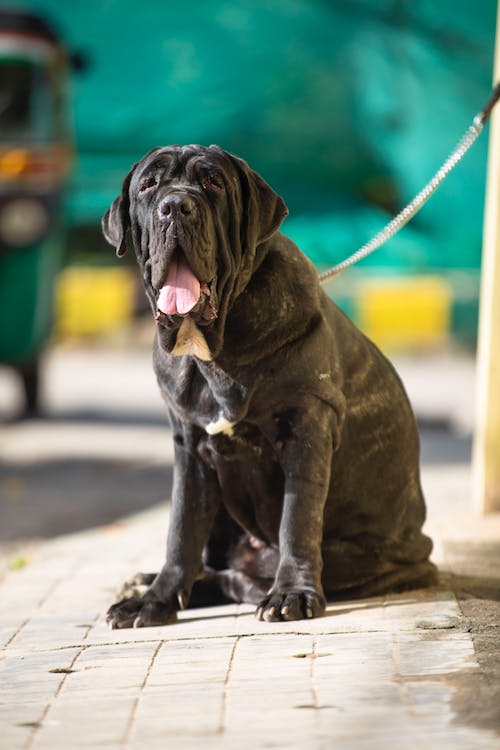
    English Mastiff

    At the top of our list of big dogs is the mighty English Mastiff. This breed is recognized by the American Kennel Club (AKC). The largest English Mastiff on record weighed an incredible 343 pounds and was named Aicama Zorba. The average English Mastiff weighs in around 150 pounds and stand about thirty inches tall.

    Boerboels

    The Boerboel averages a weight between 150 and 220 pounds. Farmers in South Africa began using this breed of dog after initially developing them to hunt leopards and baboons. This gigantic dog is very powerful and at times is known to be somewhat aggressive, so socialization training at a young age is needed.

    Saint Bernard

    Saint Bernard dogs are large, powerful, and sturdy dogs. Male Saint Bernards typically weigh in between about 160 pounds while female Saint Bernards tend to weigh between about 130 pounds. Most Saint Bernards stand about thirty inches tall at full maturity. This breed was developed to help rescue Alpine mountaineers. The face of a Saint Bernard has a distinct appearance with a short muzzle, floppy ears and wrinkled brows.
    Great Dane

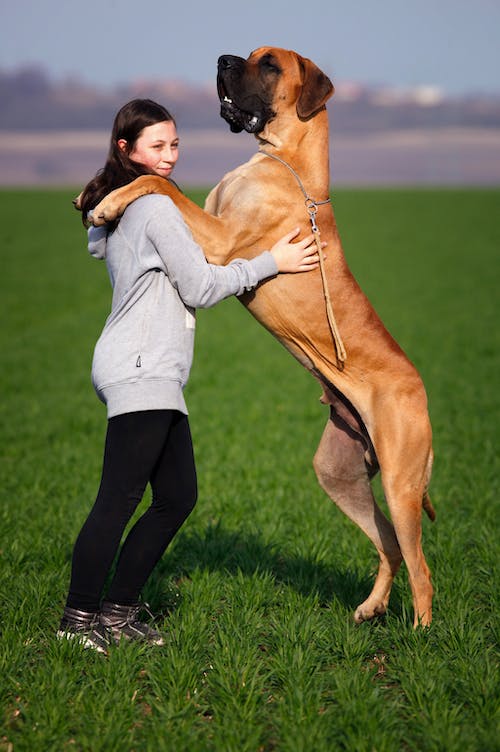
    The Great Dane is another large breed of dog. Male Great Danes generally weigh in at 140 and 175 pounds. Female Great Danes generally tip the scales between 110 and 140 pounds. The largest Great Dane on records was named Zeus, who stood nearly 48 inches tall and when standing up on his back legs measured about seven feet high!

    Leonbergers

    Per the American Kennel Club (AKC), male Leonbergers weigh between 110 and 170 pounds. Female Leonbergers generally weigh between 90 and 140 pounds. Both male and female Leonbergers stand about 30 inches tall at maturity. The Leonbergers has a distinct lion-like mane around its neck and chest which magnifies its giant appearance. Due to their water-resistant coat, water rescue teams often use this breed for rescues. The Leonberger is also makes a great watchdog due to its intimidating size.

    Tibetan Mastiffs

    Tibetan Mastiffs are very large and powerful dogs. Male Tibetan Mastiffs weigh between 90 and 150 pounds. Female Tibetan Mastiffs weigh between 70 and 120 pounds. This breed stands about two feet tall at maturity and they are known to make an excellent watchdog. These dogs have a long and proven history of serving mankind.

    Anatolian Shepherd

    Anatolian Shepherds were originally developed in the Kangal region of Turkey to guard and protect livestock. Although this breed is mighty strong and protective, they tend to be very gentle around their family.  Male Anatolian Shepherds weigh between 110 and 150 pounds while female Anatolian Shepherds weigh between 80 and 120 pounds. They stand about thirty inches tall at maturity.
  • Top Dog Breeds for Older Individuals

    Top Dog Breeds for Older Individuals

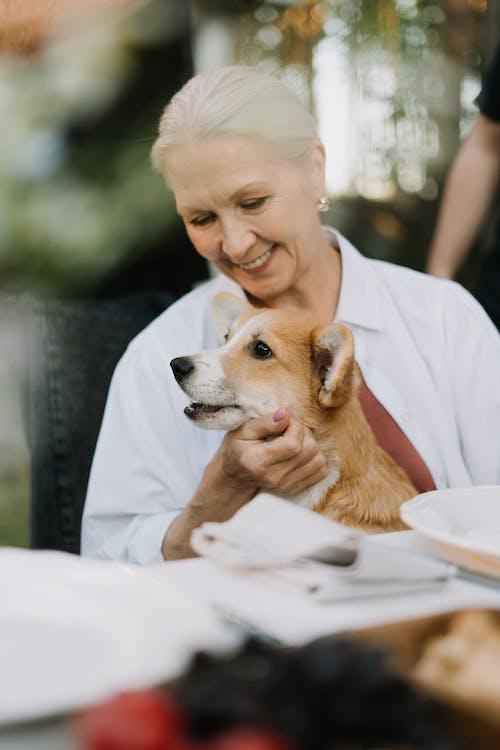
    Dogs make great companions and quickly become a part of our family. They offer us years of joy and happiness and provide us with a lot of good. Each breed of dog varies and has certain qualities and traits. Some pups are known for their high activity needs, whereas others are known for their “let’s take a nap” needs. Regardless of which breed of dog it is, they are all very special and will love you in a very loyal way. Many older individuals look for a balance in their pup, such as will their dog like going for walks yet not need an excessive amount of activity to stay well. Generally, smaller or medium-sized dogs make a good fit as they are not as powerful and end up taking their owners for a walk or are too large and, while playing, pose a physical control issue. We have put together a list of what we feel to be the top five best dog breeds for older individuals. This list takes into account many factors, such as size, demeanor, and overall activity levels.

    Cavalier King Charles Spaniel

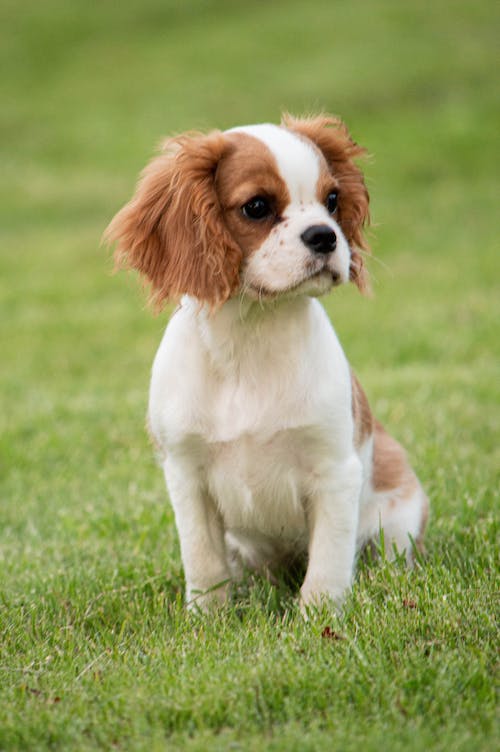
    The Cavalier King Charles Spaniel seems to be at the top of many of our lists because this breed is a downright amazing dog. They are extremely caring and social dogs that are not known for aggression or for being overly energetic. They do enjoy strolls and activity time but also enjoy a warm lap and a good movie with their family. Much thanks to this pup’s demeanor, they get along well with just about anyone or anything and make a great family pet. This breed is sure to not disappoint and will win your heart in no time at all. 

    Breed Facts

    GROUP: Toy 
    HEIGHT: 12 to 13 inches
    WEIGHT: 13 to 18 pounds

    French Bulldog 

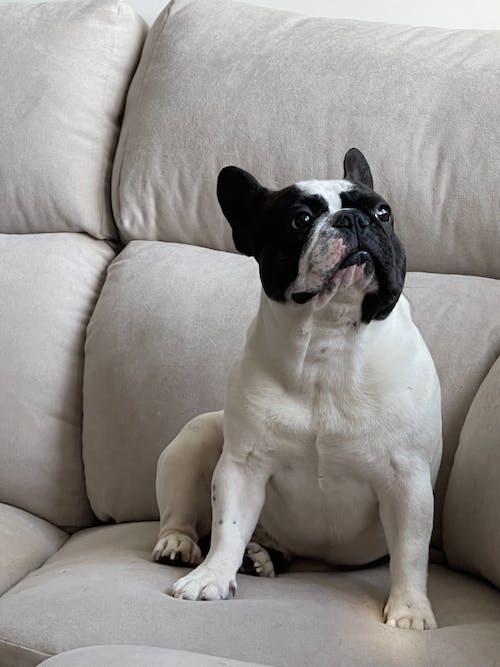
    If you are looking for a pup that is not looking for much more than a cozy couch, his family, and some petting, the French Bulldog is it. This amazing breed of dog loves his family and is not known to be overly energetic. They also do not bark a lot or are known to “over-explore” and get into trouble. The French Bulldog has been around for a very long time and has proven to make a great family pet. Due to their smaller size, they are also a good fit for those who may have physical limitations in handling dogs. This pup is a great breed of dog and will win your heart in no time at all. 

    Breed Facts

    GROUP: Non-sporting 
    HEIGHT: 11 to 13 inches
    WEIGHT: 19 to 28 pounds

    Maltese

    The Maltese is a smaller breed of dog who craves the affection and love of his family. They are known for being calm and caring and look forward to a good routine with their family. They are generally easy to care for and tend to look at you as their best friend. Being that this breed of dog is not large and overpowering, taking walks and spending time with him outdoors is not very difficult. The Maltese makes a great pet for older people who would like a dog that is relatively easy to care for. 

    Breed Facts

    GROUP: Toy
    HEIGHT: 8 to 10 inches
    WEIGHT: 4 to 7 pounds

    Pomeranian 

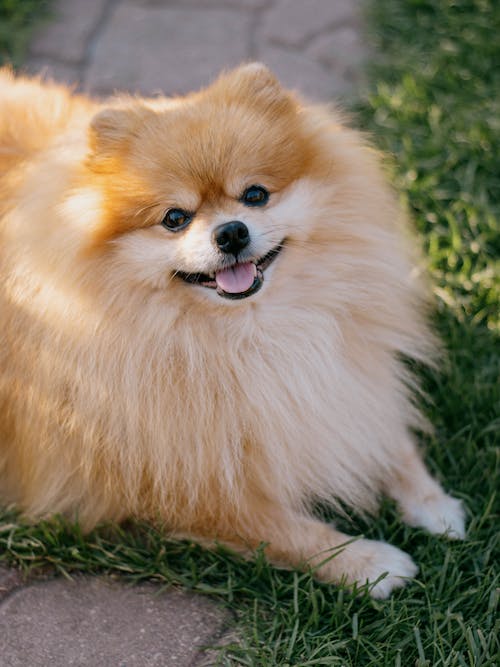
    The Pomeranian is a great pup who you will quickly fall in love with. They do not require excessive amounts of care, nor are they known to be aggressive. They learn the rules of the home rather quickly and really enjoy spending quality time with their family. This breed has also been around for a very long time and has won the hearts of families around the world. If a smaller breed of dog that loves your lap is what you are looking for, the Pomeranian should be considered. This pup will not disappoint! 

    Breed Facts

    GROUP: Toy 
    HEIGHT: 6 to 7 inches
    WEIGHT: 3 to 7 pounds

  • Two of America’s Favorites | The French Bull Dog and The Cavalier King Charles Spaniel

    Two of America’s Favorites | The French Bull Dog and The Cavalier King Charles Spaniel

    Americans really love their dogs, and two of the most popular breeds of dogs in the United States are the French Bulldog and the Cavalier King Charles Spaniel. Both of these pups make terrific family pets for dozens of reasons and annually rank very high in popularity. If you are in the process of choosing which breed of dog is best for you, this blog will help you out. We will go over their basic history, their personalities, and their physical characteristics. 

    History of The French Bulldog 

    In the early 1800s, Normandy lace workers from England settled in France for employment. They brought with them smaller bulldogs who were primarily used as companion dogs and to hunt rats on farms. By the 1800’s, their popularity was growing, and the French Bulldog was fetching, no pun intended, up to $750 per dog. This breed took off and was a success in the farming communities. 

     History of The Cavalier King Charles Spaniel 

    The Cavalier King Charles spaniel is the descendant of a small toy spaniel depicted in many 16th Century paintings of northern Europe. This dog was originally bred to warm the laps of royalty in drafty castles. The breeding of the Cavalier King Charles Spaniel in the United States took place in the 1950s. The breed was recognized by the American Kennel Club in 1996.

    Living With the French Bulldog 

    The French Bulldog adapts well to contemporary or apartment-style housing. They make an ideal fit for those who don’t have a lot of property (big yard) and prefer to spend a Saturday morning relaxing on the couch with a soft blanket versus taking a long jog outside. This breed does require exercise but much prefers taking it easy and relaxing. The French Bulldog requires minimal grooming and is very easy to maintain. 

    Living With the Cavalier King Charles Spaniel 

    The Cavalier King Charles Spaniel is happy in just about any housing situation. They are not selective and do not require a lot of room. They tend to be more active than the French Bulldog but enjoy a warm lap and blanket as much as the French Bulldog does. This breed is certainly a top companion dog and simply loves being around her family. The Cavalier King Charles Spaniel requires routine brushing but is a very easy-to-maintain dog. 

    French Bulldog’s Personality

    Many would describe the French Bulldog as having a funny, silly, and loving personality. This breed is affectionate and just wants to be close to his family. They are not known for aggression or for being overly rambunctious. They do enjoy playing within reason and tend to be happy when you are. They are great family pets who love kids and other dogs.

    Cavalier King Charles Spaniel’s Personality

    Loving, loving, and loving. The Cavalier King Charles Spaniel is a very caring, calm, and charming dog. They enjoy your lap and company and are outgoing in a calm fashion. They are not known for aggression and have very warm and approachable demeanors. They will win your heart in no time at all as the hearts of kids and other dogs in the house. 

    Breed List Comparisons:

    Height / Weight: French Bulldog 11 to 13 inches and about 30 pounds

    Height / Weight: Cavalier King Charles Spaniel 12 to 14 inches tall and 17 pounds

    Energy Level: French Bulldog: Average 

    Energy Level: Cavalier King Charles Spaniel: Average 

    Life Expectancy: French Bulldog 9-11 years 

    Life Expectancy: Cavalier King Charles Spaniel 9-14 years 

    Daily Exercise Time: French Bulldog 20 minutes

    Daily Exercise Time: Cavalier King Charles Spaniel 20 minutes

    Barking Rate: French Bulldog: Moderate Barking Rate: Cavalier King Charles Spaniel: Low

  • What To Do If Your Pup Is Packing on The Pounds

    What To Do If Your Pup Is Packing on The Pounds

    Just like people, pups can experience weight issues which can result in health issues. Although each dog’s weight will increase or decrease over time, every breed has an average weight. Although some medical issues can cause weight increase, one of the main culprits is more calories going into your pup than going out. Over the course of a few months this can lead to your pup being overweight. Obesity in dogs is a real issue and can be detrimental to their health and well-being.

    Studies show that more than one half of dogs living in the United States are overweight. A few extra pounds on a dog are not the end of the world, but pups that are grossly overweight do have a diminished quality of life and face a wide range of health issues. Dogs that are very heavy tend to have a hard time getting around, lack energy and may end up suffering from health issues such as arthritis, hypertension, and diabetes. Helping your dog maintain a healthy weight can improve and extend your pup’s life and overall happiness.

    Tips On Helping to Lower a Dog’s Weight

    Reduce daily calories: Begin measuring the quantity of food your dog is receiving at meal time. Instead of just pouring his food into a bowl and eyeing it out, take the time to measure it. Dogs like to eat and will normally eat whatever is in front of them.

    Switch to a lower carb, higher protein diet: Shop around for higher protein dog food which will not bog your pup down. Although carbs are important, meats and other proteins are very much needed. This will help your pup look and feel his best.

    Keep feeding times the same: Many dog owners provide their pup with two meals every day in twelve-hour intervals. A morning and evening feeding will help disperse the energy they need to function.

    Add fiber to your dog’s diet: Fiber supplements will help your pup feel fuller quicker and are good for his overall health.

    Provide plenty of fresh drinking water: Making sure that your dog is well hydrated is key in weight control and for his overall health and well-being.

    Reward with fun, words, and petting, not food: When your pup does something good, he will enjoy a pet or “good boy” as much as he would enjoy a snack. Snacks are a good reward at times, but when you are trying to help your pup drop a few pounds they will only add to the struggle.

    Amp up your pup’s daily exercise time: This is more than throwing a ball in the living room. Dedicate thirty minutes twice a day and take your pup outside and go for a brisk walk. Other activities such as playing outdoor fetch where your pup needs to run and retrieve a ball work well too.

    Always be patient: Weight loss takes time to accomplish and being patient with your dog throughout this process is very important. Your pup can detect when you are stressed so try and be calm and relaxed. Always consult with your veterinarian: Before doing anything, give your veterinarian a call and discuss your concerns and see what he / she says.

    Slow And Steady

    While working with your pup in this weight loss journey, slow and steady wins the race. Set reasonable expectations and work towards the goal together. This is a day-by-day process which will take time. Over the course of this, your pup will begin to fall into this healthier routine. The key is to allow your pup to gradually accept this new routine which will eventually be second nature to him. It is more of a way of life than a diet because even after your pup reaches the desired weight, he will still need to be active and eat healthy to prevent the unwanted weight from returning.

  • Meet The Two Of The Newest Dog Breed Recognized By The American Kennel Club (AKC)

    Meet The Two Of The Newest Dog Breed Recognized By The American Kennel Club (AKC)

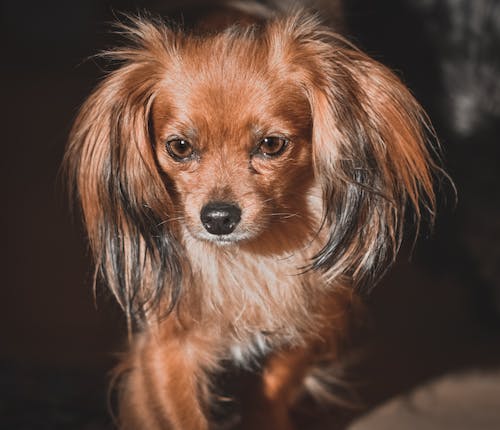
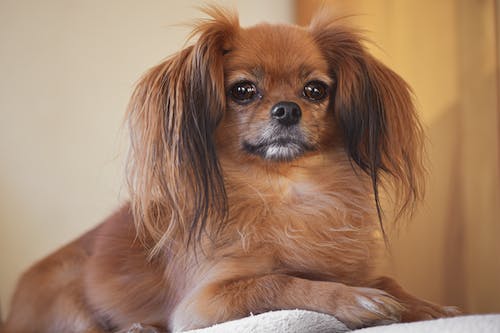
    Big news in the dog world! The American Kennel Club announced that they are recognizing two new breeds of dogs. The Mudi and the Russian Toy. This was first announced a few months ago and we have some information about it. With this status, both of these breeds of dogs will now be able to compete in AKC-sanctioned events, such as the Westminster Kennel Club Dog Show. Although these pups are new to the AKC, they have been around for a longtime and have a proven record of being great dogs. Both have very good personalities and warm and approachable demeanors.

    The Mudi (pronounced “moody”) will compete in the herding group at confirmation shows while the Russian Toy will compete in the toy group. This is surely is an accomplishment for these breeds as the American Kennel Club (AKC) only recognizes 199 dog breeds.

    Let’s learn about the Mudi. This small- to medium-sized pup has curly hair and is an active, energetic, and fun pup to be around. They do well in K9 sports and also have the abilities to engage in search and rescue missions as well as herding livestock. They are a smart and alert breed of dog that share roots with two Hungarian dogs, the Puli and the Pumi. Mudis are “tough little dogs,” the breed club says. They do well with families that have children and other pets. They enjoy outdoor activity time and tend to be very social. They enjoy the attention of their family and other pets in the home.

    Mudi Basic Breed Information

    • Mudi Height: 15–19 inches tall at maturity
    • Mudi Weight: 17–30 pounds at maturity
    • Mudi Colors: Black, white, brown, gray, and yellow. Will also exhibit a merle pattern among those colors.
    • Mudi Lifespan: 12–14 years

    The Russian Toy is a much smaller breed of dog. They are known to be very loyal and loving to their family. They admire their owners and tend to crave a lot of one-on-one attention from them. Unlike most dog breeds who are either active or relaxed, the Russian Toy is a 50/50 mix. Some of these pups are energetic and always on the move while some are much more laidback and relaxed. This breed has roots that date back to the 18th century. They were originally known as Russian Toy Terriers and were bred to be companion dogs for the upper-class. In the early 1900’s they nearly went extinct but have since been saved after great efforts by Russian breeders were made. Russian Toys come in smooth-coated and long-coated varieties.

    Russian Toy Basic Breed Information

    • Russian Toy Height: 7–11 inches tall at maturity
    • Russian Toy Weight: 5-8 pounds at maturity
    • Russian Toy Colors: Black and tan; brown and tan; blue and tan; red; sable; and brown sable
    • Russian Toy Lifespan: 10–12 years

    Both of these breeds of dogs are very well-liked and are expected to be become even more popular in the years to come. With the recognition of the American Kennel Club, the world will begin seeing these pups as first-class dogs. Both dog breeds offer many great qualities and make great family pets. They are both also very good-looking pups!

  • Melanoma in Dogs

    Melanoma in Dogs

    Many of the cancers that affect humans can also affect their dogs. Our pups can develop tumors internally or can develop them on their skin and in their mouths. One such cancer, Melanoma, can occur on the skin or inside of your dog’s mouth. While the skin version of Melanoma can be relatively benign, the oral form is much more serious.

    What is Melanoma in dogs?

    Cells called melanocytes are designed to produce pigment colors of the skin. As diseased melanocytes grow, they form tumors. This is caused by a combination of environmental and hereditary factors. Skin that is overexposed to sunlight has an increased risk of developing Melanoma. Certain breeds, like Golden Retrievers, Cocker Spaniels, Chow Chows, and Schnauzers, have a higher risk of developing melanomas.

    Oral Melanoma is the most common type of malignant tumor that can develop inside your dog’s mouth. It can appear pigmented or can have a non-pigmented appearance, which is referred to as amelanotic Melanoma. What makes it so serious is that it is capable of invading underlying bone and spreading to other parts of the body. This can lead to facial swelling and eventually make it difficult and painful for your dog to chew.

    Medical Diagnosis

    For those of us that have dogs who allow us to brush their teeth, this is a good time to check the inside of his mouth. At times it can look like a round tumor or just extra tissue growth coming from the gingiva or on the inside of the lips and cheeks. Tumors can also grow on the roof of your dog’s mouth or even under the tongue. Should you discover a new bump or lump inside your pup’s mouth, advise your veterinarian. If your pup experiences oral pain or bleeding from his mouth, this should be treated as a medical emergency.

    A fine needle aspirate can be performed on the skin bumps by your veterinarian. This process involves the use of a needle and syringe to collect cell samples from the bump for further testing. This process generally requires sedation due to the sensitivity of the procedure.

    Standard Medical Treatment

    Biopsies can sometimes remove all the visible tumors, but with Melanoma, there is a good chance that microscopic portions of the disease are left behind. Further treatment will require additional surgery to remove the underlying disease. Procedures such as a CT scan will be able to provide even more detailed information. Should the tumor invade bone, then surgical procedures may need to include bone. For tumors that are inoperable, radiation therapy can help with treatment, especially with very small melanomas.

    Road to Recovery

    Dogs who go through surgery may need a special collar or cone to prevent scratching around their faces. Soft and moist foods or liquid diets are recommended for at least two weeks while the dog’s mouth heals. Dogs who need radiation therapy may appear tired and or have some nausea, but if the radiation is focused only on your dog’s mouth, the dog may show fewer negative signs from the treatment. Your dog will also require frequent follow-up visits with his veterinarian to monitor the condition. A repeat CT scan may also be suggested afterward to make sure that the cancer does not return.

    Dogs who are not provided with care may eventually stop eating due to the pain associated with this. This generally takes place between three and six months after the initial diagnosis, which is why it is important to seek early care, which is also more effective. General well visits at your veterinarian are also a good way to make sure your pup remains healthy and catches medical issues before they transition into a more complicated issue.

  • Easiest Puppy Breeds to Train

    Easiest Puppy Breeds to Train

    Are you looking for a puppy? Trying to decide which is the right breed for you can be challenging. There are several things to consider before making a final selection. How big will the puppy get? How much daily care will this breed require? Is the breed of dog kid friendly? Or how well does the breed train? Some dog breeds tend to pickup on training much easier than others. Some actually thrive off of the interaction during training where other breeds may be a tad more stubborn. In either instance, training for puppies is crucial because as the saying goes, “you can’t teach an old dog new tricks.”  Training a dog while he is still a puppy allows for an easier transition into his adulthood. It also prevents your pup from having to break old habits which can be tricky to overcome. 

    When a dog is still a puppy their minds are quickly developing which is the best time to teach them the rights and wrongs and rules of the house. If you are looking for a puppy that trains with ease, check out our list below, as we have compiled a list of puppies that you may want to consider.

    LABRADOR RETRIEVER

    Labradors are amazing dogs for dozens of reasons. Training with ease is one of them. The Labrador Retriever is a very social and interactive pup that is certainly mom approved! This breed is friendly and outgoing and enjoys the attention of his family. They are known to not only learn the basics well, but are capable and willing to learn some pretty nifty dog tricks. This breed of dog has been a favorite for generations and makes one of the best family dogs in town!

    poodle puppies

    POODLE

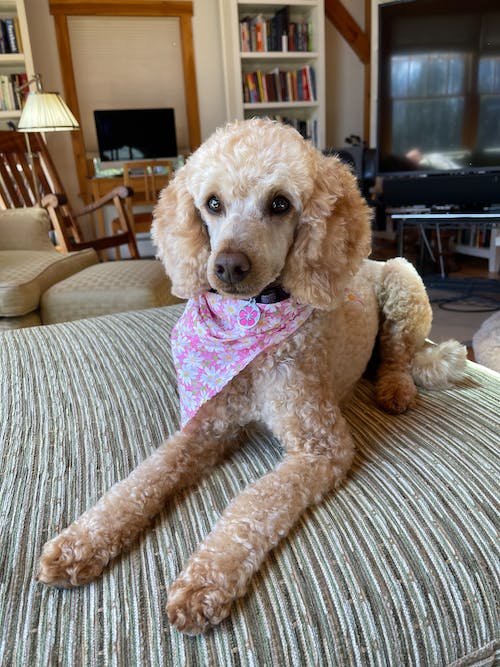
    Next on our list is the Poodle. These pups are highly intelligent and obedient dogs who year after year rank number one in smarts. They are highly interactive and thrive off of one-on-one attention with their family. They are known to train well and are capable of learning a large variety of tricks. They also make terrific family pets that come in three sizes.

    BORDER COLLIE

    The Border Collie is considered to be a very intelligent and outgoing breed of dog. This breed is known for its ability to train quickly and with ease. They have a lot of energy which allows them to stay alert long enough to learn a variety of tricks too! If you are looking for a quality pup that will win your heart, the Border Collie should be one to consider.

    MINIATURE SCHNAUZER

    If a smart, affectionate and loyal dog is what you are looking for that is easy to train, consider a Miniature Schnauzer. This breed of dog has been a family favorite for generations and may be just what you are looking for. They do well in contemporary homes or apartments and enjoy human interaction. Being that they are smart and pose a degree of confidence, training them is generally fairly simple.

    GERMAN SHEPHERD

    GERMAN SHEPHERD

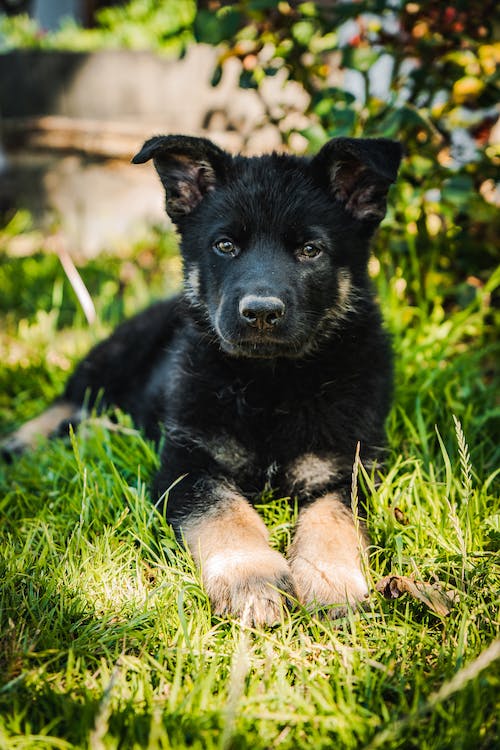
    German Shepherds are ready to work and very eager to please. They are a very smart breed of dog who train with ease. Because the German Shepherd trains so well, they have been used for a variety of things over the years. From law enforcement jobs, to military jobs, to service dogs, this breed can do almost anything. They are also very loyal to their family and happy when you are.

    BEARDED COLLIE

    The Bearded Collie has traditionally been used for herding cattle and sheep in the Highlands of Scotland. This breed of dog is very responsive, alert, and smart. Their success at herding is much thanks to their ability to train well. Their personality and mentality allow them to also be very good family pets. If a loving, smart, and easily trainable pup is what you seek, the Bearded Collie should be on your list of considerations.

  • Our Dogs Like to Sleep!

    Our Dogs Like to Sleep!

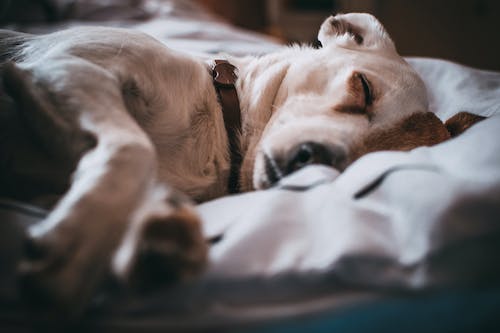
    As we age, we often find that we sleep less deeply at night which results waking up in the morning not feeling well rested. This causes many of us to try and sneak a nap in sometime during the day to regain some energy. The Sleep Foundation advised that healthy adults should receive between seven to nine hours of sleep every night. If it were only that easy to accomplish!

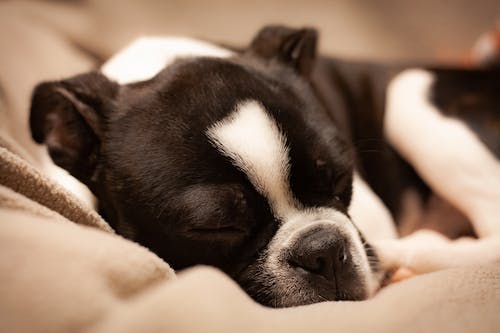
    Most dogs don’t have that issue and generally spend twelve to fourteen hours each day dreaming about their favorite fire hydrant or tree! Dogs need an ample amount of shuteye to look and feel their best. Puppies need even more sleep as their bodies and minds are constantly growing and developing. The average puppy will sleep between fifteen and eighteen hours every day.

    Although all dogs have different sleeping patterns, the following may cause them to need more sleep than normal.

    ●        Age – Puppies and senior dogs tends to need more sleep.

    ●        Dog breed – Certain dog breeds just enjoy extra sleep.  (List found below.)

    ●        Stress and anxiety – Separation anxiety, etc.

    ●        Activity Level – Does the dog spend a lot of time burning off energy VS lounging.

    ●        Thyroxine deficiency – Hormone related health issue.

    ●        Diabetes – Health issue.

    ●        Bacterial infection – Health issue which needs to be treated.

    ●        Viral infection – Health issue which needs to be treated.

    ●        Anemia – Health issue which needs to be treated.

    ●        Poisoning – Emergency care issue which needs to be treated.

    Which Dogs Sleep the Most?

    • Mastiffs generally sleep eighteen hours a day.
    • Greyhounds generally sleep eighteen hours a day.
    • Lhasa Apsos generally sleep fourteen hours a day.
    • Saint Bernards generally sleep fourteen hours a day.
    • Great Danes generally sleep fourteen hours a day.
    • Bassett Hounds generally sleep about fourteen hours a day.
    • Chow Chows generally sleep thirteen hours a day.
    • Shih Tzus generally sleep thirteen hours a day.
    • French Bulldogs generally sleep twelve hours a day.
    • Pekingese generally sleep thirteen hours a day.

    A Dog’s Sleep Stages

    Much like their human family members, dogs also go through different sleep cycles each day. The initial stage for a dog is a slow, quiet and peaceful sleep. Your dog’s body temperature will begin to lower as will his heartrate. This stage is the most relaxing stage for your pup. About ten minutes later, he will enter into a REM phase (Rapid Eye Movement). Dog owners may take notice that their pup actually appears to be trying to run or move around at this time. Their entire sleep cycle is fairly quick, lasting just under one hour.

    Ways To Improve Your Pup’s Sleep

    Here are a few very basic but effective ways to help your fur-legged friend establish a good bedtime routine which may help him achieve the sleep he needs.

    Create a Consistent Nighttime Routine

    Dogs tend to do best if they have a good and consistent routine. If their schedule is sporadic, getting used to things is more difficult. Try having your pup calm down by a certain time each evening by lowering the TV, not playing with him, and easing the overall activity time inside your home.

    Exercise

    Keeping your pup active will naturally allow him to burn off extra energy and feel tired at bedtime. A pup that has sat around all day may have trouble getting comfortable at night when everyone else goes to bed.

    A Good Feeding Schedule Many dog owners find that keeping their pup’s feeding schedule on set times allows them to not only have healthy pups, but pups that have set potty times. Once a dog forms a good feeding time routine his potty times generally remain consistent. Normally once a pup does his business in the early evening hours, he is safe until the next morning. Feeding your dog later than normal may cause him to have to go outside later than normal which will keep him up.

  • Constipation in Dogs – What to Do

    Constipation in Dogs – What to Do

    Constipation occurs in dogs when they are unable to produce normal stool during their daily routine. Your dog will not be able to defecate or greatly strain while trying to do so if constipated. Constipation may also cause their stool to be very hard and not easy to pass. This can be very painful for your dog and is something that needs to be treated as it can lead to other health issues. 

    Common warning signs of constipation in a dog include decreased appetite, vomiting, lethargy, and general depression or unease. Typically, constipation in dogs takes place when they fail to get enough fiber in their diet or when they eat something non-digestible that causes a blockage. (Socks, toys, furniture stuffing, etc.) It can also happen naturally through age or if your dog is not getting enough exercise. In extreme instances, more serious things such as digestive tract and pelvis region tumors, prostate enlargement, or other spinal or metabolic injuries can cause this condition.

    Ways To Treat Dog Constipation

    If your pup is dealing with constipation, you can try these food ideas to help them out. Should their symptoms persist, you should contact your veterinarian for guidance. You should also consult your veterinarian before feeding your pup any new food.

    • Providing your pup with ample amounts of fresh water will help to make sure they are well hydrated which is the number one key. Water greatly helps to regulate many things inside your dog and is the first step in keeping them healthy.
    • Pumpkin puree is a high-fiber food that will help regulate the digestive tract. 100% pumpkin puree is the most effective puree in helping to pass stool. It should be noted that this is not pumpkin pie filling. 
    • Canned soft and high moisture dog food may better help regulate their digestive system and create softer stool. Consider mixing canned food with their normal food to avoid an upset stomach.
    • Dietary fiber supplements will increase fiber entering their bodies, which will help soften their stool and regulate their bowel movements. 
    • Exercising your dog daily is a great way to stimulate their bowls. Activities such as running, playing fetch, and a game of chase around the yard are great ways to promote a healthy digestive tract. 
    • Stool softener or laxative. Your veterinarian may recommend giving a laxative or stool softener to your dog which can greatly assist in helping them move their bowels.

    In some instances, your veterinarian may administer an enema to relieve your dog’s constipation. An enema is an injection of fluid into the lower bowel via the rectum.

    In some instances, if your dog is constipated due to eating a foreign object, medical treatment may be required. Many dog owners will put on a pair of rubber gloves and examine their pup’s stool to see if a foreign object can be detected. If so, you should contact your veterinarian immediately. Common things found in a dog’s stool that should not be there are strings, shoe laces, furniture foam and padding, and cloth, from clothing. These types of things generally do not breakdown inside the dog like food does, and can lead to a medical emergency. They also pose a choking hazard should the dog throw these items up before passing them.

    Although constipation does happen in dogs, it is something that needs to treated and monitored. It is always recommended to contact your veterinarian with a medical concern as you would rather be safe than sorry. We all love our pups and making sure they are healthy and happy is our number one priority.

  • Dogs That Enjoy a Couch and Movie More Than a Yard and A Ball

    Dogs That Enjoy a Couch and Movie More Than a Yard and A Ball

    All dogs enjoy the smell of fresh air, chasing a ball, and running in circles outside. After all, they are creatures who need exercise and sunlight, and the feeling of freedom. There are, however, some breeds of dogs that, despite needing some activity time outside, much prefer a day of relaxation on a couch with a blanket and their owner by their side. If you tend to fall in this category too and are considering a fur-legged friend, we have a list of pups that may be a perfect fit for you. The list we put together is wide in variety; however, they all share one common trait, the enjoyment of relaxation! 

    The Bulldog is, well, a relaxed pup! This breed is a very social dog but also very set in its ways. Although he will enjoy some fresh air and the sounds of birds, he will be excited to get back inside and just relax. This breed is great for those who feel the same way and is known to make a great family pet. 

    The French Bulldog is also a very laidback, let’s take a nap and relax kind of dog. This breed is known for his gentle snoring and happy-go-lucky personality. They do enjoy some outdoor activity time, however, do not do well in extremely hot or extremely cold climates. A few minutes of outdoor playtime and this pup will be headed right to his doggy bed (or lap) right after. 

    Basset Hounds are another great family pet for those who would rather spend more indoor than outdoor time. This breed certainly does enjoy his free time under a tree and smelling the scents that surround him, but he also equally enjoys a soft blanket and nap. They are not highly energetic dogs and will quickly burn off extra energy with a twenty-minute walk. This breed is a family favorite to many and has been for generations.  Dachshunds are energetic pups that do like to play outside but will be excited to get back in and take it easy. They love the company of their family and to share couch time with them. This breed is very popular because they are very loyal and tend to be happiest when their family is. Although this pup is not large in size, he will take over your entire couch if allowed!

    The Pug likes to rest and likes to be comfortable. This breed is known for its great companion qualities and amazing ability to snuggle! They do enjoy being outside within reason but tend to prefer being snuggled up and in dreamland. This breed has made a great family pet for generations and will surely win your heart (and lap) in no time at all. 

    Chihuahuas are adored by many and for many different reasons. This breed of dog is very easy to live with, does not require excessive amounts of exercise, and is a joy to be around. If you are more of a homebody and enjoy your Friday night with a movie at home and an early bedtime, this pup very well may be for you! With a warm blanket and soft couch, this pup will melt in happiness next to you! For generations, the Chihuahua has made an ideal companion for those who enjoy a couch over a late night out.  No matter which breed of dog you end up choosing, expect many years of a loving companion who will quickly bond with you. It’s always best to learn more about a dog breed before bringing one home to make sure his style of living and yours are compatible.