Author: Petland

  • The Pros And Cons Of Dog Probiotics: What Every Pet Owner Should Know

    The Pros And Cons Of Dog Probiotics: What Every Pet Owner Should Know

    Dog probiotics have gained popularity as more pet owners seek ways to support their pets’ digestive health. Probiotics are live bacteria and yeasts that are beneficial for gut health, and they can offer several advantages when included in your dog’s diet. However, they aren’t without potential drawbacks. Let’s explore the pros and cons of giving your dog probiotics.

    Pros of Dog Probiotics

    1. Improved Digestive Health

    One of the primary benefits of probiotics is their ability to promote a healthy gut. Probiotics can help balance the gut’s microflora, leading to better digestion and nutrient absorption. This is especially helpful for dogs with sensitive stomachs or those prone to gastrointestinal issues like diarrhea, constipation, or irritable bowel syndrome (IBS).

    2. Boosted Immune System

    A large portion of a dog’s immune system is located in the gut. Probiotics may enhance immune function by increasing the production of antibodies and improving the overall balance of gut bacteria. This could lead to a better defense against infections and diseases, potentially reducing your dog’s reliance on antibiotics.

    3. Reduction in Allergies

    Some studies suggest that probiotics may help reduce the severity of allergies in dogs by supporting the immune system. Dogs with food or environmental allergies might benefit from probiotics as they work to reduce inflammatory responses, potentially alleviating itching, hot spots, and skin irritation.

    4. Alleviation of Stress-Related Digestive Issues

    Many dogs experience digestive upset during periods of stress, such as travel, moving, or a visit to the vet. Probiotics may help to alleviate stress-induced gastrointestinal problems by stabilizing the gut bacteria during these times.

    5. Potential Aid for Weight Management

    Probiotics might help dogs struggling with weight issues by improving the digestion and absorption of nutrients. A balanced gut can help regulate metabolism, leading to healthier body weight in some dogs.


    Cons of Dog Probiotics

    1. Potential Side Effects

    While probiotics are generally considered safe, some dogs may experience mild side effects such as bloating, gas, or diarrhea when they first begin taking them. These side effects usually subside as the dog’s body adjusts, but it’s important to monitor your pet and consult a vet if issues persist.

    2. Not a Cure-All

    Probiotics are not a magic solution for all digestive or immune problems. While they can help balance gut bacteria, they may not resolve underlying health issues like severe infections, chronic conditions, or food intolerances. A holistic approach, which may include diet changes or medications, is often needed alongside probiotics.

    3. Quality and Efficacy Vary

    Not all probiotics are created equal. Some commercial dog probiotics may not contain enough live bacteria to be effective, or the strains they include may not be beneficial for dogs specifically. Additionally, certain probiotics may lose potency if not stored properly. It’s crucial to choose a high-quality product designed for canine use and to follow storage recommendations carefully.

    4. Cost

    Probiotic supplements can be an added expense, especially if your dog needs them long-term. While the health benefits may outweigh the cost for many pet owners, it’s important to consider whether it’s necessary for your dog’s specific health needs.

    5. Possible Drug Interactions

    In rare cases, probiotics could interfere with certain medications your dog may be taking, particularly if your dog is on immunosuppressive drugs. Always consult with your veterinarian before starting a probiotic regimen, especially if your dog is already on medication.


    Conclusion

    Dog probiotics can offer significant benefits, particularly for dogs with digestive issues, allergies, or those prone to stress-related gut problems. However, it’s important to weigh the pros and cons and consult your veterinarian before introducing probiotics into your dog’s routine. If used correctly, probiotics can be a valuable tool in promoting your dog’s overall health and well-being.
  • Exploring the Future: AI and Smart Technology for Pets

    Exploring the Future: AI and Smart Technology for Pets

    In today’s digital world, pet care is rapidly evolving, and AI and smart technology are at the forefront of this transformation. These tools are designed to enhance how we care for our furry friends, providing more effective ways to monitor health, ensure safety, and even entertain pets. Whether you’re a tech enthusiast or a devoted pet parent looking for modern solutions, AI-driven products offer a range of benefits. However, as with any innovation, there are also challenges and considerations. Let’s dive into how AI and smart technology are changing pet care and what this means for you and your pets.

    1. AI and Health Monitoring: The Future of Pet Wellness

    One of the most exciting advancements in pet technology is the use of AI for health monitoring. Smart collars and wearables can now track your pet’s vital signs, activity levels, and even sleeping patterns. These devices gather data to give pet owners insight into their pet’s well-being, helping detect early signs of illness or behavioral changes that might otherwise go unnoticed.

    For example, collars like the Fi Smart Dog Collar or Whistle Health are designed to track your dog’s location, activity, and overall health in real-time. Using AI, these devices analyze your pet’s daily routines and alert you if there are sudden changes, such as decreased activity or irregular sleeping patterns. This can help prevent health issues from escalating, allowing for quicker interventions with your veterinarian.

    2. Smart Feeders and AI-Powered Nutrition

    Nutrition plays a key role in a pet’s health, and smart technology is making it easier to manage. AI-powered feeders can dispense food at scheduled times, ensuring your pet eats the right portions even when you’re not home. What’s more, some smart feeders use AI to track your pet’s eating habits, providing recommendations for portion control and dietary adjustments.

    Devices like the Wagz Smart Feeder take this a step further, allowing owners to adjust feeding schedules remotely via a mobile app. Some feeders can even be programmed to account for special diets, making it easier to manage pets with medical conditions like obesity or diabetes.

    3. Smart Toys and AI for Mental Stimulation

    Keeping pets entertained and mentally stimulated is essential for their well-being, and AI-powered toys are designed to help with that. These interactive toys can engage pets in play, even when their owners are away. Using algorithms, they adapt to your pet’s play style and adjust difficulty levels to provide an ongoing challenge, preventing boredom.

    Toys like the CleverPet Hub use lights, sounds, and rewards to keep dogs entertained and mentally stimulated. This not only reduces boredom but can also help curb destructive behaviors in high-energy dogs. These AI-driven toys are perfect for keeping pets occupied while providing a positive mental workout.

    4. AI Cameras and Pet Monitoring

    For pet owners who are frequently away from home, AI cameras offer a great solution to keep tabs on their pets. Devices such as the Furbo Dog Camera or Petcube Play allow owners to monitor their pets in real-time, interact with them via two-way audio, and even dispense treats remotely.

    What sets AI pet cameras apart is their ability to recognize certain behaviors. For instance, if your dog is barking excessively or showing signs of distress, some AI cameras can send alerts to your phone. This feature not only helps pet owners stay connected but also ensures their pets’ safety and comfort when they’re alone.

    5. Virtual Fences and GPS Tracking

    Safety is a top priority for any pet owner, and AI-powered GPS trackers and virtual fences are game changers in this area. These devices allow pet owners to create virtual boundaries, and if the pet strays beyond these boundaries, an alert is sent to the owner’s phone. GPS tracking also ensures that lost pets can be quickly located and returned home.

    Smart collars like the Tractive GPS Tracker offer reliable real-time tracking, which is especially helpful for outdoor pets or dogs that tend to wander. The ability to monitor your pet’s movements at any time provides peace of mind and can significantly reduce the risk of losing your pet.

    6. Challenges of AI and Smart Technology in Pet Care

    While AI and smart technology offer numerous benefits for pets and their owners, there are also challenges to consider:

    Privacy: With any internet-connected device, there’s always the risk of data breaches. Pet owners should be aware of the potential privacy risks associated with smart collars and cameras.

    Cost: Many of these devices come with a hefty price tag, and some require ongoing subscription fees for services like GPS tracking or cloud storage for camera footage.

    Battery Life: Devices with GPS and activity tracking require regular charging, which can be inconvenient for busy pet owners.

  • How to Keep Your Dog Cool During August: Essential Tips for Summer Safety

    How to Keep Your Dog Cool During August: Essential Tips for Summer Safety

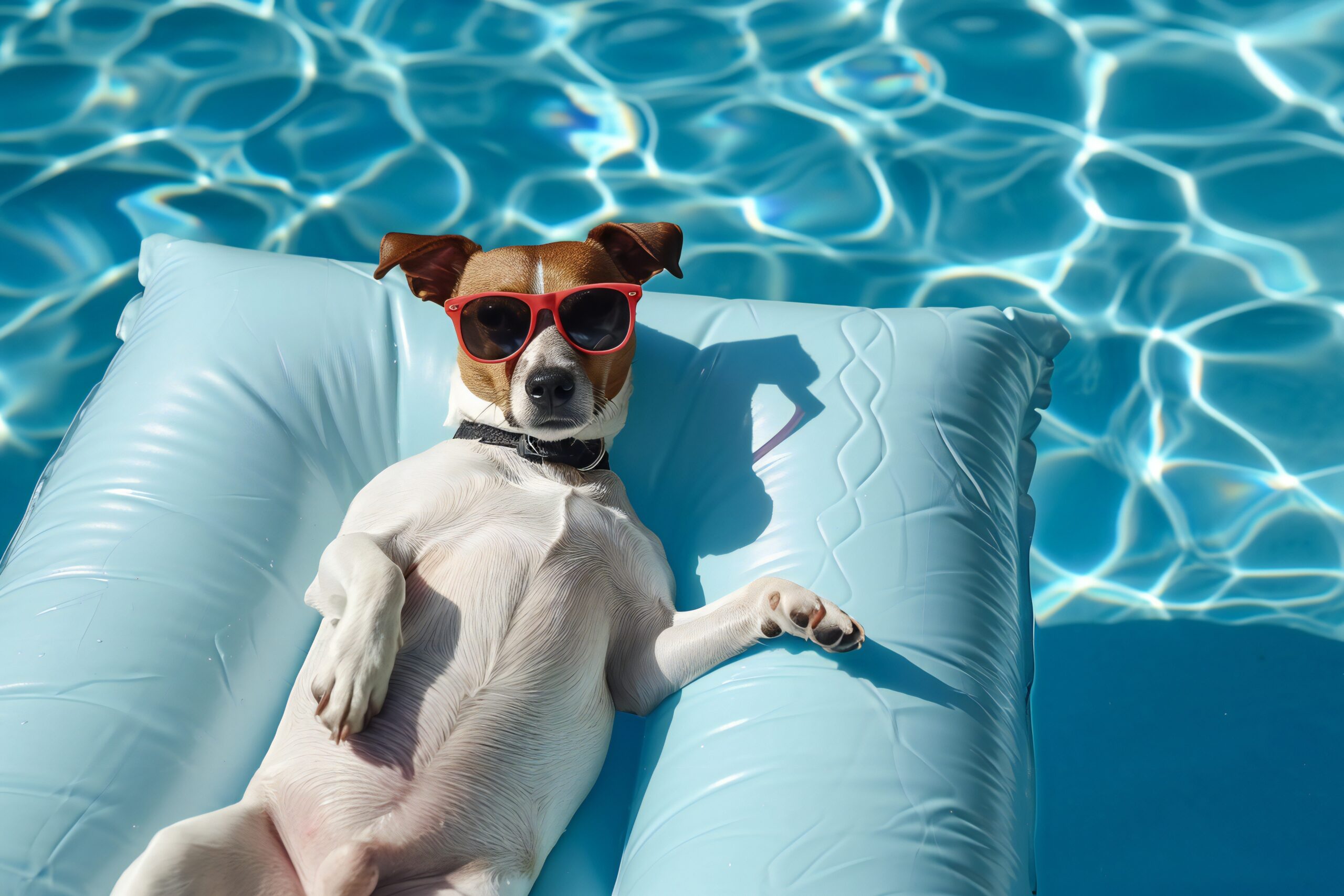
    jack Russell dog in sunglasses chilling on an inflatable mattress in water by the sea or swimming pool in summer holiday vacation.

    As August brings its peak summer heat, it’s vital to ensure that your dog stays cool and comfortable. Dogs can struggle to regulate their body temperature, especially in hot weather, making them vulnerable to heat exhaustion and other heat-related issues. Here are some effective tips to help keep your dog cool and healthy during the hottest month of the year.

    1. Hydration is Key

    Keeping your dog well-hydrated is the first line of defense against overheating. Make sure your dog always has access to plenty of fresh, clean water. Consider placing water bowls in multiple locations around your home, and if you’re going out, carry a portable water bottle with a dog-friendly nozzle. Adding ice cubes to the water bowl can also help keep the water cooler for longer periods, making it more refreshing for your dog.

    2. Adjust Walk Times

    During August, it’s crucial to adjust your dog’s exercise routine to avoid the heat. Early morning and late evening are the best times for walks, as the temperatures are cooler. If possible, stick to shaded areas and avoid hot pavement, which can burn your dog’s paws. You can also invest in dog booties to protect their feet or opt for grassy areas for your walks.

    3. Provide a Cool Environment

    Whether indoors or outdoors, creating a cool spot for your dog to relax is essential. Indoors, make sure your dog has access to a well-ventilated area with fans or air conditioning. If your dog spends time outside, ensure there is plenty of shade available. A covered porch, a doghouse with proper ventilation, or a canopy can provide the necessary protection from direct sunlight.

    4. Use Cooling Products

    There are various products designed to help keep your dog cool. Cooling mats, vests, and bandanas are great options. These items are usually made from materials that can be soaked in water, which then evaporates slowly, providing a cooling effect. Simply wet the product, wring out the excess water, and let your dog enjoy the cool comfort.

    5. Offer Frozen Treats

    Frozen treats are not only a delicious way to keep your dog cool, but they also provide hydration. You can freeze dog-safe fruits like blueberries, bananas, or watermelon. Another option is to make ice cubes out of low-sodium chicken broth or freeze a Kong toy filled with peanut butter or yogurt. These frozen delights will keep your dog entertained and cool at the same time.

    6. Grooming Helps

    Regular grooming can help your dog stay cool by removing excess fur that can trap heat. Brush your dog regularly to prevent matting and to remove loose hair. For dogs with thicker coats, consider a trim, but avoid shaving the coat completely as it also protects against sunburn.

    7. Create Indoor Play Opportunities

    On particularly hot days, it’s best to keep your dog indoors. Provide entertainment with interactive toys, puzzle feeders, or indoor games like fetch in a hallway. Mental stimulation can also tire your dog out without the need for physical exertion in the heat.

    8. Be Mindful of Heatstroke Symptoms

    Heatstroke is a serious risk for dogs during the summer. Symptoms include heavy panting, drooling, lethargy, vomiting, and in severe cases, collapse. If you notice any of these signs, move your dog to a cooler area immediately, offer water, and contact your veterinarian. Early intervention is crucial to prevent heatstroke from becoming fatal.

    9. Use a Kiddie Pool

    If your dog enjoys water, a kiddie pool can be a fantastic way to keep them cool. Set up a shallow pool in a shaded area and let your dog splash around. Always supervise your dog while they are in the water to ensure safety.

    10. Avoid Overfeeding

    During hot weather, dogs may not need as many calories as they do during cooler months. Consider feeding smaller, more frequent meals to avoid overloading their system. Lighter meals can help your dog feel less sluggish and more comfortable in the heat.

    11. Travel Safely

    If you’re traveling with your dog, never leave them alone in a parked car, even for a short time. The temperature inside a car can rise rapidly, leading to heatstroke or worse. If you must take your dog with you, make sure the car is well-ventilated with air conditioning or keep the windows down enough for airflow while you’re driving.

    By taking these precautions, you can help your dog enjoy the summer safely. Remember, keeping your dog cool isn’t just about comfort—it’s about ensuring their health and well-being during the hottest days of the year. Stay vigilant, stay hydrated, and enjoy the rest of the summer with your furry friend!

  • August is National Dog Month: Celebrate with Tail-Wagging Fun!

    August is National Dog Month: Celebrate with Tail-Wagging Fun!

    Get ready to unleash the fun because August is officially National Dog Month! This pawsome celebration is all about honoring our furry best friends and giving them the love and attention they deserve. It’s time to throw on your party hats, grab some treats, and make this month a howling good time for your pup. Here’s how to make National Dog Month the best one yet!

    Celebrate with Style

    1. Pamper Your Pup Spoil your dog with a little extra something special. How about a new squeaky toy, a cozy bed, or some tasty treats? Maybe even a fancy doggy spa day? Show your furry friend just how much they mean to you with some extra love and indulgence!
    2. Play More, Wag More August is the perfect time to amp up the fun! Plan extra playdates, long walks, and games of fetch. Explore new trails, have a picnic in the park, or play a game of hide and seek. More play means more tail wags, and who doesn’t love that?
    3. Host a Doggy Bash Why not throw a dog-friendly party? Invite your friends and their pups for a doggy playdate, complete with treats, toys, and maybe even a doggie obstacle course. It’s a great way to celebrate with others who share your love for dogs.
    4. Share the Fun Snap and share adorable photos and videos of your dog enjoying their special month. Post them on social media with hashtags like #NationalDogMonth. Join the fun and see how other pups are celebrating, too!
    5. Pawsome Adventures Try something new with your dog. How about doggy yoga, agility training, or even a dog-friendly road trip? New experiences mean new memories, and your dog will love the extra adventure!
    6. Spread the Love Share your dog’s awesomeness with the world! Tell your friends and family about National Dog Month and encourage them to celebrate their own furry pals. The more, the merrier!

    Why Dogs Rock

    Dogs are the ultimate happiness boosters, always ready to wag their tails and offer unconditional love. They brighten our days with their playful antics and loyal companionship. National Dog Month is all about celebrating these wonderful furballs and making sure they know just how much they are loved.

    So, this August, make every day a celebration of your dog’s awesomeness. With extra treats, fun activities, and lots of belly rubs, you’ll be sure to make National Dog Month an unforgettable experience for both you and your furry friend. Let’s get out there and have a tail-wagging, fun-filled month!

  • Signs of Anxiety in Dogs and Puppies

    Signs of Anxiety in Dogs and Puppies

    Anxiety is a common issue that affects many dogs and puppies. Recognizing the signs of anxiety in your pet is crucial for their well-being and for fostering a calm and happy environment. This blog will discuss the various signs of anxiety in dogs and puppies, potential causes, and ways to help alleviate their stress.

    Understanding Anxiety in Dogs

    Anxiety in dogs can manifest in various forms, from mild to severe. It is often triggered by specific situations, environments, or changes in routine. Understanding the signs and causes of anxiety can help you take the necessary steps to provide comfort and care for your furry friend.

    Common Signs of Anxiety in Dogs and Puppies

    1. Excessive Barking or Whining

    One of the most noticeable signs of anxiety in dogs is excessive barking or whining. This behavior is often a response to feeling threatened or stressed. If your dog is barking or whining more than usual, it might be a sign that they are experiencing anxiety.

    • Pacing and Restlessness

    Dogs that are anxious often display pacing and restlessness. They may walk back and forth or in circles repeatedly. This behavior is a way for them to cope with their anxiety and release pent-up energy.

    • Panting and Drooling

    While panting can be normal for dogs, excessive panting and drooling when they are not hot or tired can indicate anxiety. This is their body’s way of reacting to stress.

    • Destructive Behavior

    Chewing on furniture, shoes, or other household items can be a sign of anxiety, especially if this behavior is new or happens when the dog is left alone. Destructive behavior is often a way for dogs to cope with their anxiety.

    • Urinating and Defecating Indoors

    Accidents inside the house, particularly in dogs that are otherwise house-trained, can be a sign of anxiety. This can be due to the stress of being left alone or other anxiety-inducing situations.

    • Excessive Licking or Chewing

    Dogs may excessively lick or chew their paws or other parts of their body as a way to self-soothe. This behavior can lead to skin issues and should be addressed promptly.

    • Avoidance and Hiding

    Anxious dogs might try to avoid situations or people that cause them stress. They may hide under furniture, in closets, or other secluded areas to feel safe.

    • Changes in Appetite

    Anxiety can cause changes in a dog’s appetite. Some dogs may eat more to comfort themselves, while others may eat less or lose interest in food altogether.

    • Trembling and Shaking

    Trembling and shaking are physical signs of anxiety. This can be particularly noticeable during loud noises, such as thunderstorms or fireworks, or in new and unfamiliar environments.

    1. Aggression

    In some cases, anxiety can lead to aggressive behavior. Dogs may growl, snap, or bite when they feel threatened or cornered. This behavior is a defensive mechanism and should be addressed with caution.

    Causes of Anxiety in Dogs

    Understanding what triggers anxiety in dogs can help in managing and reducing their stress. Some common causes include:

    1. Separation Anxiety

    Separation anxiety occurs when dogs are left alone for extended periods. They become distressed and exhibit anxious behaviors as a result.

    • Loud Noises

    Thunderstorms, fireworks, and other loud noises can be frightening for dogs, leading to anxiety.

    • Changes in Environment

    Moving to a new home, changes in the household, or new additions to the family can cause anxiety in dogs.

    • Lack of Socialization

    Dogs that have not been properly socialized may become anxious in new situations or around unfamiliar people and animals.

    • Past Trauma

    Dogs that have experienced trauma or abuse in the past may exhibit signs of anxiety as a result of their experiences.

    • Medical Issues

    Certain medical conditions can cause or exacerbate anxiety in dogs. It’s important to consult a veterinarian if you suspect your dog’s anxiety is related to a health issue.

    Helping Your Anxious Dog

    There are several ways to help reduce anxiety in dogs and create a calm environment:

    1. Provide a Safe Space

    Create a designated safe space for your dog where they can retreat and feel secure. This could be a cozy corner, a crate, or a specific room in the house.

    • Exercise and Mental Stimulation

    Regular exercise and mental stimulation can help reduce anxiety by burning off excess energy and keeping your dog’s mind engaged. Activities such as walking, playing fetch, and puzzle toys can be beneficial.

    • Consistency and Routine

    Maintaining a consistent routine can help reduce anxiety in dogs. Regular feeding times, walks, and play sessions provide a sense of stability and predictability.

    • Training and Socialization

    Proper training and socialization from a young age can help prevent anxiety. Positive reinforcement training techniques can build confidence and reduce stress.

    • Calming Aids

    There are various calming aids available, such as anxiety wraps, pheromone diffusers, and calming supplements. Consult with your veterinarian to determine the best options for your dog.

    • Professional Help

    If your dog’s anxiety is severe, consider seeking help from a professional dog trainer or a veterinary behaviorist. They can provide tailored strategies and interventions to address your dog’s specific needs.

    Conclusion

    Recognizing the signs of anxiety in dogs and puppies is the first step in providing them with the support and care they need. By understanding the causes and implementing strategies to reduce stress, you can help your furry friend lead a happier and more relaxed life. Remember to always consult with a veterinarian if you have concerns about your dog’s health or behavior.

  • How to Know if a Dog Is Urine Marking or Peeing in the House?

    Understanding the difference between urine marking and house soiling (peeing) is crucial for dog owners. Both behaviors involve your dog urinating inside the house, but they stem from different motivations and require different solutions. This blog will delve into the signs of each behavior, the reasons behind them, and how to address these issues effectively.

    Understanding Urine Marking

    Urine marking is a behavior where a dog releases small amounts of urine in various locations. This behavior is more common in unneutered males but can also occur in neutered males and females. It is often linked to territorial behavior, stress, or changes in the dog’s environment.

    Signs of Urine Marking:

    1. Small Amounts of Urine: When dogs mark, they typically release only a small amount of urine, unlike the larger puddles associated with house soiling.
    2. Frequent Marking: Dogs that mark will often do so frequently, hitting several spots in a short period.
    3. Vertical Surfaces: Dogs usually mark on vertical surfaces like walls, furniture, and door frames, as these areas are more effective for leaving their scent.
    4. New Items: New objects brought into the house, such as furniture or groceries, might become targets for urine marking as the dog attempts to establish their scent on these new items.
    5. Signs of Territory: If your dog is marking due to territorial reasons, the behavior might increase when new animals or people enter their space.

    Causes of Urine Marking:

    1. Territorial Behavior: Dogs use urine to mark their territory and communicate with other dogs. This is particularly common in unneutered males.
    2. Social Triggers: The presence of other animals, particularly other dogs, can trigger marking as a way to establish dominance or react to perceived threats.
    3. Changes in Environment: Moving to a new home, changes in household members, or even redecorating can cause a dog to start marking.
    4. Stress and Anxiety: Dogs may mark when they are stressed or anxious, often as a response to significant changes in their environment.

    Understanding House Soiling

    House soiling, or inappropriate urination, is when a dog pees in the house for reasons other than marking. This behavior is often due to medical, behavioral, or training issues and typically involves larger amounts of urine than marking.

    Signs of House Soiling:

    1. Large Puddles: Unlike marking, house soiling usually involves a larger quantity of urine, resulting in noticeable puddles.
    2. Frequent Accidents: Dogs that are house soiling may have frequent accidents, often in the same area.
    3. Horizontal Surfaces: House soiling tends to occur on horizontal surfaces like floors, carpets, and bedding.
    4. Behavioral Cues: The dog may show signs of needing to pee, such as whining, scratching at the door, or circling before urinating.

    Causes of House Soiling:

    1. Medical Issues: Conditions such as urinary tract infections, bladder stones, diabetes, and kidney disease can cause frequent urination and house soiling.
    2. Incomplete House Training: Puppies and newly adopted dogs might not be fully house trained and can have accidents as they learn.
    3. Age-Related Problems: Senior dogs may develop incontinence or cognitive dysfunction that leads to house soiling.
    4. Behavioral Issues: Anxiety, fear, and phobias can lead to house soiling. For example, a dog might urinate indoors due to separation anxiety or fear of loud noises.

    How to Determine if Your Dog Is Marking or House Soiling

    To determine whether your dog is urine marking or house soiling, consider the following factors:

    1. Amount and Location of Urine:
    1. Small amounts on vertical surfaces suggest marking.
    2. Larger puddles on horizontal surfaces suggest house soiling.
    3. Frequency and Triggers:
    1. Frequent urination in different spots can indicate marking.
    2. Urination after showing signs of needing to go or at specific times (like after drinking water) suggests house soiling.
    3. Behavioral Context:
    1. Marking often coincides with territorial or social triggers.
    2. House soiling may be associated with medical issues, incomplete training, or specific stressors.

    Addressing Urine Marking

    1. Neutering/Spaying:
    2. Neutering male dogs and spaying female dogs can reduce marking behaviors significantly.
    3. Reduce Exposure to Triggers:
    4. Minimize your dog’s exposure to other animals and new objects that might trigger marking.
    5. Behavioral Training:
    6. Reinforce training to reduce marking behaviors, using positive reinforcement to encourage proper behavior.
    7. Clean Marked Areas Thoroughly:
    8. Use enzymatic cleaners to remove urine odor completely and discourage repeat marking.
    9. Create a Safe Environment:
    10. Provide a calm and stable environment to reduce stress and anxiety that might lead to marking.

    Addressing House Soiling

    1. Consult a Veterinarian:
    2. If you suspect a medical issue, consult your veterinarian for a thorough check-up.
    3. Revisit House Training:
    4. Reinforce house training techniques, using a consistent routine and positive reinforcement.
    5. Manage Age-Related Issues:
    6. For senior dogs, consider solutions like doggy diapers, more frequent bathroom breaks, and veterinary care for incontinence.
    7. Address Behavioral Problems:
    8. Work with a professional trainer or behaviorist to address anxiety or other behavioral issues.
    9. Provide Regular Bathroom Breaks:
    10. Ensure your dog has regular opportunities to relieve themselves outside, especially after eating, drinking, and waking up.

    Conclusion

    Understanding whether your dog is urine marking or peeing in the house is crucial for addressing the behavior effectively. By identifying the signs, understanding the causes, and implementing appropriate solutions, you can help your dog feel more comfortable and maintain a clean and happy home. Always consult with a veterinarian or professional trainer if you have concerns about your dog’s behavior, and remember that patience and consistency are key to resolving these issues.

  • Doodles Goes to Daycare… A Dog’s POV of a Petland Visit

    Doodles Goes to Daycare… A Dog’s POV of a Petland Visit

    It was a bright and early Friday morning when I got the news. I’m going on a daycare visit!  

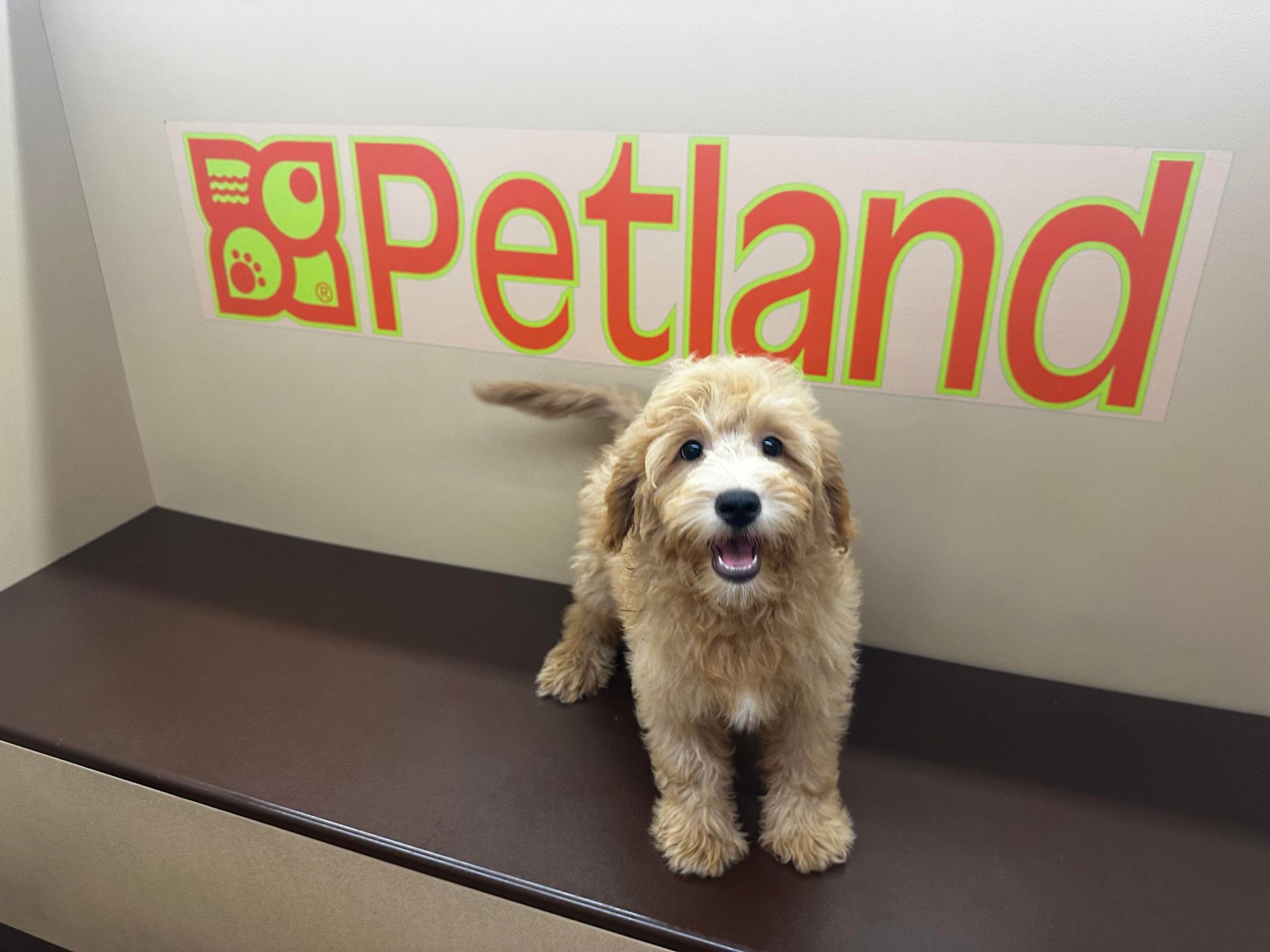
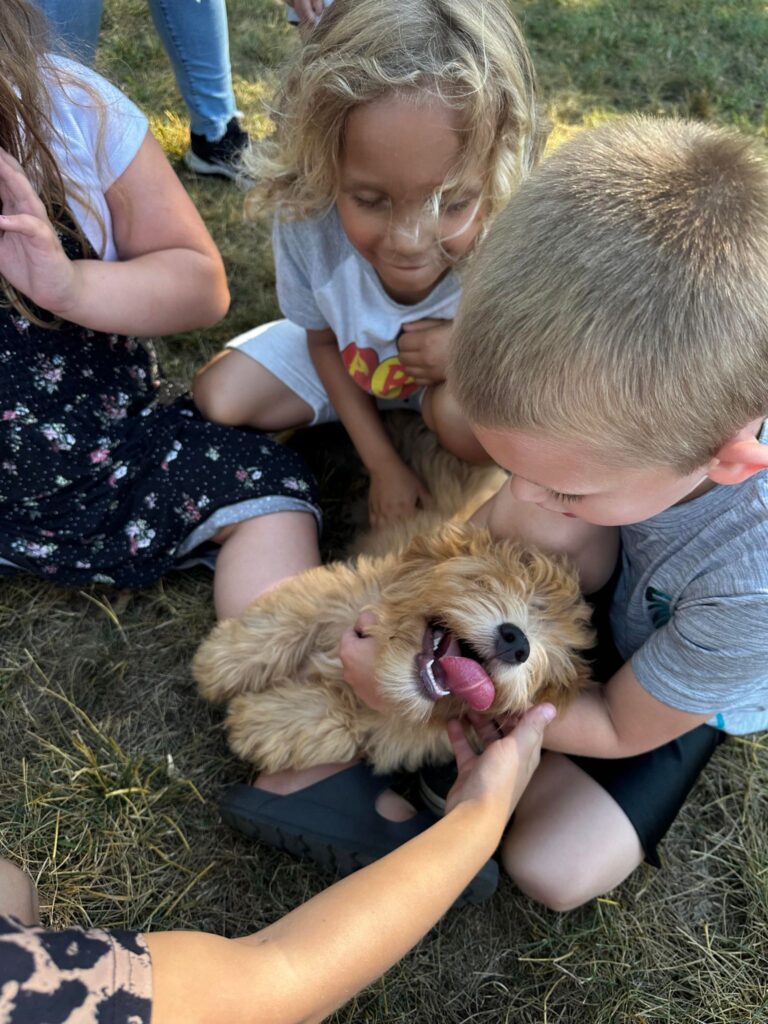
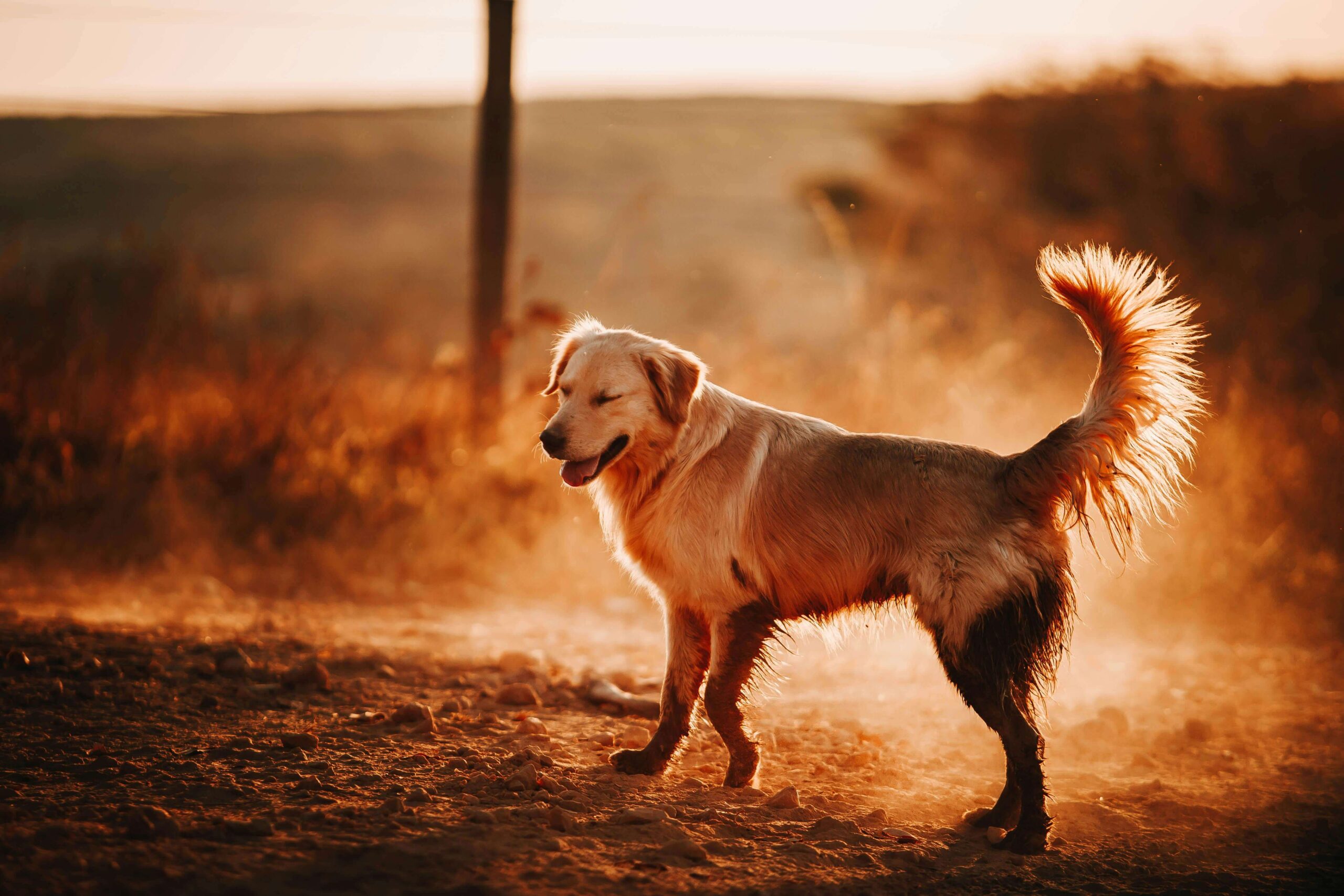
    Hi… I’m a Golden Doodle Mini and I’m going to tell you all about my adventure to a place called daycare (for human kids). At first, I didn’t know what to think when my Pet Counselor told me about the place I would be going. She said there would be a bunch of children to snuggle, cuddle and play with! I was very happy and ready…  as you can see with my lightning-fast tail waggin’ in my picture!

    Being a Petland puppy, I knew I had a job to do… and that’s to love and to be loved by all I meet! And this day was going to be no exception!

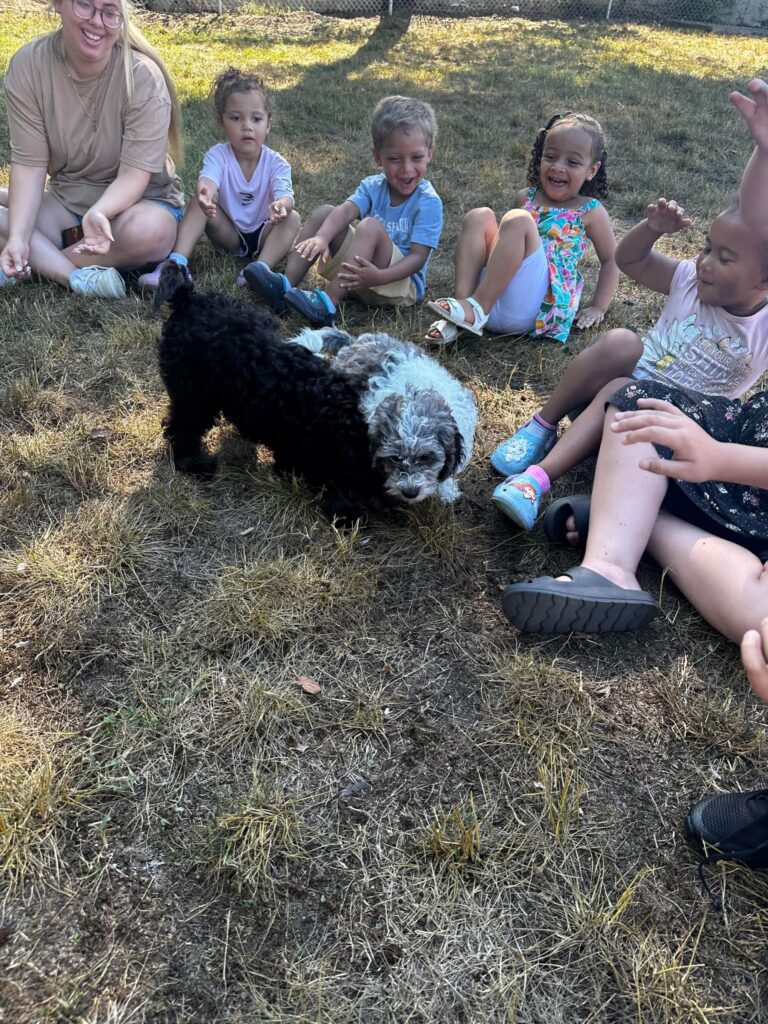
    I wasn’t nervous one dog’on bit because my kennel mates were tagging along with me… here’s my friends a Cockadoodle and Bernedoodle.

    It was a beautiful summer day with a bunch of fresh smells and butterflies floating in the wind… – Distracted puppy Alert – I almost caught one, but it was too quick for my short puppy legs.

    It was definitely a sun’s out, tongues out kind of Doodle day!

    When we arrived, we could hear the excitement and laughter as the teachers told the children to sit in a circle and shouted, “The puppies are here!”

    Wait… that’s us they are talking about!

    It was our time to shine!

    Oh, the fun we had as we ran around and wagged our tails as fast as we could! The kiddos petted us and gave us the sweetest hugs! 

    My clumsy kennel mates and I even tumbled over each other as we raced to see who would get the most rubs!

    My friend, the Cockadoodle won!

    I was a close second and the Bernadoodle… well, he flirted with the teachers too much to care about our ruff race!

    The children were so fun to play with and they even gave me a name, Penny! They said I looked like a Penny, whatever that is?! My friends got names too… Apollo and Rufus!

    We spent the whole morning with the kids, and they told how they all had been to Petland where they love to not only play with my fellow puppies pals, but hamsters, reptiles and birds too!

    As lunch time approached for the kids, (- Distracted puppy Alert – I could smell it… they were having chicken nuggets… yum!) it was time to head back to Petland to eat a snack and take a long nap!

    Paw to heart… I swear it was the best dog’on day ever! Now on to my next adventure… finding my forever family!  

  • How to Keep Your Pets Safe from Poor Air Quality This Summer

    How to Keep Your Pets Safe from Poor Air Quality This Summer

    The summer season brings not only warmer temperatures but also the risk of poor air quality. High levels of pollutants, wildfires, and allergens can have an effect on the health and well-being of your pets. Just like humans, pets can suffer from respiratory and other health issues due to poor air quality. The following are some practical tips for keeping your pets safe from poor air quality this summer.

    Understanding the Risks of Poor Air Quality

    Poor air quality can stem from various sources, including vehicle emissions, industrial pollution, wildfires, and high pollen levels. These pollutants can cause respiratory distress and eye irritation and aggravate your pet’s existing health conditions. Animals with pre-existing conditions, such as asthma or heart disease, and brachycephalic breeds (like Bulldogs and Pugs) are particularly vulnerable.

    Recognizing Signs of Poor Air Quality Impact on Pets

    Before delving into preventive measures, it is crucial to recognize the signs that your pet might be affected by poor air quality:

    • Coughing or Wheezing: Frequent coughing or wheezing can indicate respiratory distress.
    • Labored Breathing: Difficulty breathing, rapid breathing, or panting excessively can be signs of respiratory issues.
    • Eye Irritation: Red, watery, or inflamed eyes can result from exposure to pollutants.
    • Lethargy: If your pet seems unusually tired or inactive, it could be due to poor air quality.
    • Nasal Discharge: Clear or colored discharge from the nose may indicate irritation or infection.
    • Behavioral Changes: Increased irritability, anxiety, or restlessness can also be signs of discomfort due to poor air quality.

    Tips to Keep Your Pets Safe from Poor Air Quality

    1. Monitor Air Quality

    Stay informed about the air quality in your area through websites, apps, or weather reports. The Air Quality Indicator measures the concentration of pollutants and provides a rating scale from good to hazardous. On days when the air quality is poor, take extra precautions to protect your pets.

    2. Limit Outdoor Activities

    During periods of poor air quality, minimize your pet’s time outdoors. Limit walks, playtime, and exercise to early mornings or late evenings when pollution levels are typically lower. Avoid strenuous activities that can increase your pet’s respiratory rate and exposure to pollutants.

    3. Create an Indoor Safe Haven

    Ensure your home provides a safe and clean environment for your pets. Keep windows and doors closed to prevent outdoor pollutants from entering. Use air purifiers with HEPA filters to reduce indoor pollutants and allergens. Regularly clean and vacuum your home to remove dust, pet dander, and other particles.

    4. Maintain Hydration

    Proper hydration is essential for your pet’s overall health, especially during hot and polluted days. Ensure your pets have access to fresh, clean water at all times. Staying hydrated helps maintain their respiratory function and reduces the risk of heat-related illnesses.

    5. Grooming and Hygiene

    Regular grooming can help remove pollutants and allergens from your pet’s coat. Bathe your pets as needed and wipe their paws and fur after outdoor activities to minimize the amount of dirt and pollutants they bring into the house. Keeping your pets clean also reduces the risk of skin irritations and infections.

    6. Provide a Cool Environment

    High temperatures can increase the effects of poor air quality. Ensure your pets have a cool, comfortable space to rest indoors. Use fans, air conditioning, or cooling mats to help regulate their body temperature. Never leave your pets in a parked car, as temperatures can rise rapidly and pose serious health risks.

    7. Use Protective Gear

    For pets that need to go outside during poor air quality days, consider using protective gear. Pet-friendly masks or bandanas can help filter out some pollutants, although they may not be effective against all types of pollution. Consult with your veterinarian before using any protective gear to ensure it is safe and suitable for your pet.

    8. Dietary Support

    A healthy diet can support your pet’s immune system and overall health. Consider incorporating antioxidant-rich foods and supplements, as recommended by your veterinarian, to help combat the effects of pollution. Omega-3 fatty acids, for example, can help reduce inflammation and support respiratory health.

    9. Regular Veterinary Check-Ups

    Regular veterinary check-ups are essential for monitoring your pet’s health and addressing any concerns related to poor air quality. If you notice any signs of respiratory distress or other health issues, seek veterinary care. Your vet can offer guidance to manage your pet’s health during periods of poor air quality.

    Conclusion

    As summer brings the potential for poor air quality, it is important to take proactive steps to protect your pets. By monitoring air quality, limiting outdoor activities, creating a safe indoor environment, maintaining hydration, and seeking regular veterinary care, you can help ensure your pets stay healthy and comfortable. Remember, your pets rely on you to keep them safe, and with these tips, you can make a significant difference in their well-being during the summer months.

  • Miniature American Shepherd Facts You May Not Know

    Miniature American Shepherd Facts You May Not Know

    The Miniature American Shepherd is a fascinating breed with a rich history and distinct characteristics. Here are some lesser-known facts about this breed that might pique your interest:

    Origins as a Smaller Australian Shepherd: Contrary to what the name might imply, the Miniature American Shepherd originated in the United States in the 1960s and 1970s. It was developed from a breed of smaller Australian Shepherds used in rodeos.

    Miniature American Shepherd

    Breed Recognition: The Miniature American Shepherd was recognized by the American Kennel Club (AKC) in 2015. Prior to this, the breed was often referred to as the Miniature Australian Shepherd.

    Intelligence and Trainability: This breed is known for its intelligence and eagerness to please, which makes them highly trainable. They excel in dog sports such as agility, obedience, and herding trials.

    Active and Energetic: Miniature American Shepherds require a lot of exercise. They are energetic and thrive when they have a job to do, whether it’s a sport, training activity, or regular play.

    Size: Despite their smaller size compared to the standard Australian Shepherd, they are a compact and robust breed. They typically weigh between 20 to 40 pounds and stand about 13 to 18 inches tall at the shoulder.

    Coat and Color: They have a double coat, which can be straight to wavy, and they come in a variety of colors, including blue merle, red merle, black, and red—all with or without white markings and/or tan points.

    Loyal and Protective: These dogs are known for their loyalty to their family. They can be reserved around strangers and have a protective nature, making them excellent watchdogs.

    Good with Children: With their gentle and playful nature, Miniature American Shepherds can be great companions for children, provided they are socialized from a young age.

    Health: Generally, they are a healthy breed, but they can be predisposed to certain genetic conditions like hip dysplasia, inherited eye disorders, and MDR1 gene mutation, which affects drug sensitivity.

    Miniature American Shepherds Like Horses: Miniature American Shepherds are indeed often great companions for horses! Their herding instinct, intelligence, and agility make them well-suited to farm environments where horses are present. Originally bred for herding livestock, these dogs can be easily trained to work around larger animals like horses, showing a natural ability to move and direct them without being overly aggressive or fearful.

  • French bulldog Diet Tips

    French bulldog Diet Tips

    French Bulldogs have specific dietary needs that are important to consider to maintain their health and well-being. Here are some key points to keep in mind when planning a diet for a French Bulldog:
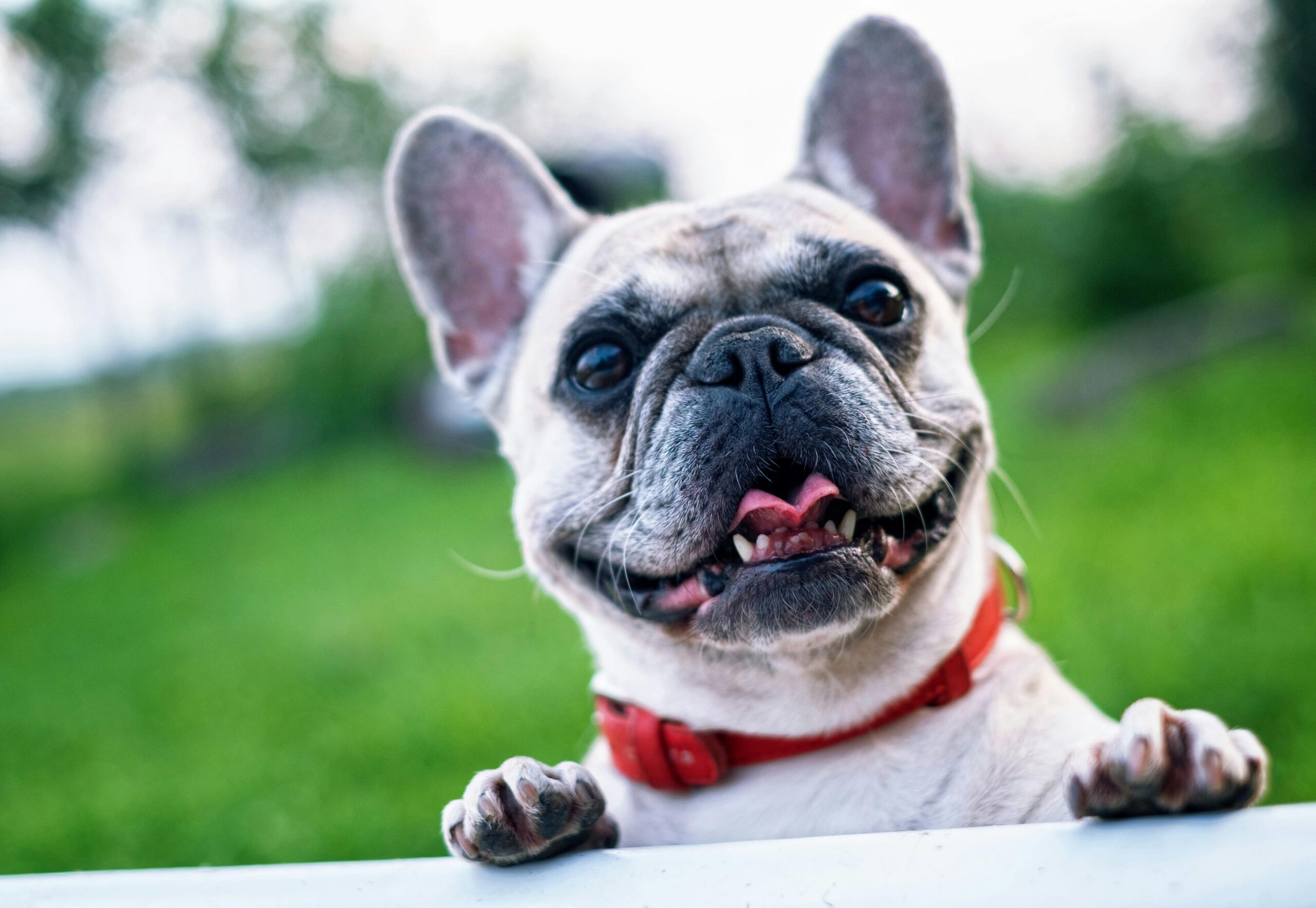
    Balanced Diet: It’s crucial to ensure that your French Bulldog gets a balanced diet that includes proteins, fats, carbohydrates, vitamins, and minerals. High-quality commercial dog foods usually provide this balance.

    Protein Sources: Good protein sources for French Bulldogs include chicken, turkey, beef, and fish. However, some Frenchies can be allergic to certain proteins, so it’s important to monitor for any adverse reactions.

    Avoid Obesity: French Bulldogs are prone to obesity, which can exacerbate health issues like respiratory and joint problems. Monitoring their calorie intake and weight regularly is important.

    Allergies and Sensitivities: French Bulldogs often have allergies or sensitivities to certain foods. Common culprits include grains, soy, and dairy products. It might be necessary to choose a grain-free or limited ingredient diet.

    Small, Frequent Meals: Due to their compact digestive system, it’s often better to feed them small, frequent meals rather than large ones to prevent bloating and to aid in digestion.

    Hydration: Ensure they have access to fresh water at all times, as this breed can be prone to dehydration.

    It’s important to avoid foods that can be harmful to French Bulldogs, such as chocolate, caffeine, grapes, raisins, onions, garlic, and xylitol, which are toxic to all dogs. Always introduce new foods gradually and in small amounts to monitor for any adverse reactions or allergies.

    List of foods that are good for French Bulldogs.

    For a French Bulldog, choosing the right foods can greatly impact their health and well-being. Here are some good food options that are generally well-suited to French Bulldogs:

    High-Quality Commercial Dog Food: Look for brands that use real meat as the first ingredient and that don’t contain fillers like corn, soy, or meat by-products. Make sure the food is appropriate for your dog’s age, size, and activity level.

    Lean Proteins: Chicken, turkey, lean beef, and fish are excellent sources of protein for French Bulldogs. These should be cooked and served plain, without any added oils, butter, or seasoning.

    Carbohydrates: Whole grains like brown rice and barley can be good for French Bulldogs, unless they are allergic. Many owners opt for grain-free diets due to common sensitivities, choosing instead sources like sweet potatoes and peas.

    Vegetables: Non-starchy vegetables such as carrots, green beans, and spinach are great additions to a French Bulldog’s diet. These should be cooked to aid in digestion and served in moderation.

    Fruits: Small amounts of fruits like apples (without seeds), blueberries, and banana can be given as a treat. These fruits are rich in vitamins and antioxidants but should be given in moderation due to their sugar content.

    Fats: Essential fatty acids are important for maintaining healthy skin and coat. Sources like fish oil or flaxseed can be beneficial.

    When feeding your French Bulldog, always make sure that any new food is introduced slowly to avoid digestive upset and monitor for any signs of allergies or intolerances. It’s also essential to maintain portion control to prevent obesity, a common problem in the breed. Consulting with a vet about the most appropriate diet plan for your specific dog can also provide tailored guidance.